How to Clean and Care for Dr Seuss Earrings Safely
Learn expert tips to clean, maintain, and protect your Dr Seuss earrings. Discover safe methods for enamel, acrylic, and base metal novelty jewelry.

The Unique Material Makeup of Dr. Seuss Jewelry
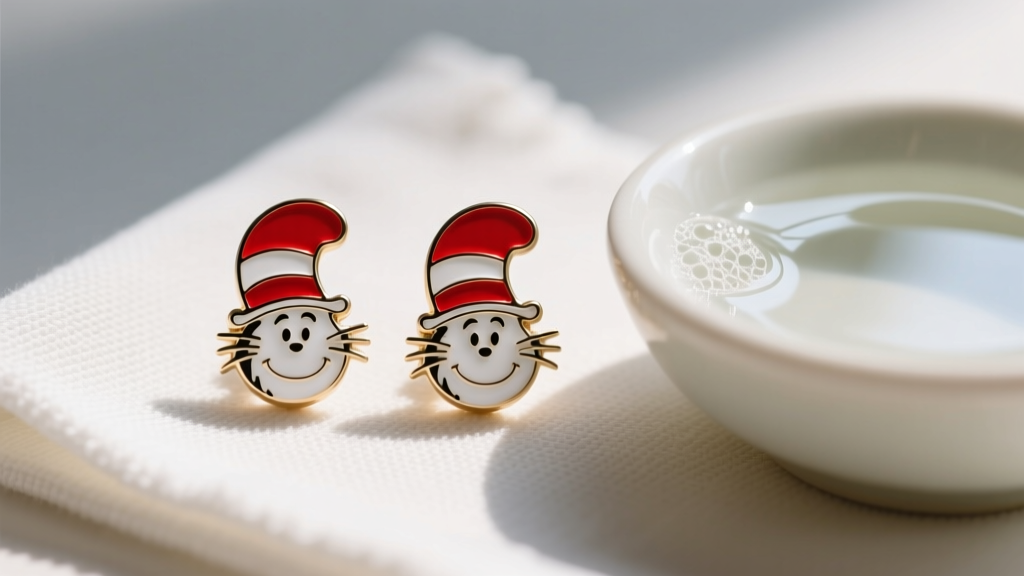
Collecting and wearing dr seuss earrings—featuring beloved characters like the Grinch, the Cat in the Hat, or vibrant Truffula trees—is a fantastic way to showcase your literary fandom. However, from a metallurgical and gemological perspective, novelty jewelry requires highly specific care routines. Unlike fine jewelry crafted from vitreous (hot) enamel and solid gold, most licensed novelty earrings are manufactured using cold enamel (epoxy resin) and acrylics, set in base metal alloys.
Cold enamel is essentially a two-part epoxy resin that is poured into metal channels and cured. While it provides the brilliant, opaque colors necessary for Dr. Seuss designs, it is highly porous and chemically sensitive. Exposing these pieces to harsh chemicals, ultrasonic cleaners, or even everyday cosmetics can cause the resin to cloud, peel, or yellow over time. Understanding the exact material composition of your earrings is the first step in preserving their whimsical charm for years to come.
Step-by-Step Cleaning Guide for Enamel and Acrylic Pieces
The Gemological Institute of America (GIA) strongly advises against using ultrasonic cleaners or steam on any organic or resin-based materials. The high-frequency vibrations can shatter acrylic elements, while the heat will melt the epoxy bonds holding the cold enamel in place. Instead, rely on this gentle, manual cleaning protocol.
What You Need
- Distilled water (tap water contains minerals that can leave micro-scratches on acrylic)
- pH-neutral liquid dish soap (avoid soaps with added moisturizers or citrus degreasers)
- A brand-new, ultra-soft baby toothbrush
- Lint-free microfiber cloths
- Compressed air duster (optional, for crevices)
The Cleaning Process
Step 1: Dry Dusting. Before introducing moisture, use a clean, dry makeup brush to gently sweep away loose dust, dead skin cells, and cosmetic powders from the crevices of the earring. This prevents mud from forming when the piece gets wet.
Step 2: The Damp Wipe. Mix one cup of distilled water with a single drop of pH-neutral dish soap. Dip the microfiber cloth into the solution and wring it out until it is barely damp. Gently wipe the surface of the enamel and acrylic. Never submerge dr seuss earrings in water, as moisture can seep behind the epoxy and cause the base metal backing to rust from the inside out.
Step 3: Detail Work. For stubborn debris trapped around the metal bezels, lightly dip the baby toothbrush into the soapy solution and tap it on a towel to remove excess water. Gently brush the metal borders, avoiding aggressive scrubbing on the resin itself.
Step 4: Drying. Pat the earrings dry with a fresh microfiber cloth. Use a can of compressed air to blow out any remaining moisture trapped between the earring post and the character backing.
Tackling Tarnish and the 'Green Ear' Phenomenon
One of the most common complaints with novelty jewelry is the dreaded 'green ear' effect. This is not a sign of poor hygiene; it is a simple chemical reaction. Most mass-produced novelty earrings utilize brass or copper alloy posts that are thinly plated with nickel or silver. When these base metals interact with the natural acids, salts, and moisture in your sweat, they oxidize and create copper chloride, which transfers to your skin.
To manage tarnish on the metal components without damaging the adjacent Dr. Seuss enamel, use a specialized silver polishing cloth that contains micro-abrasives and anti-tarnish agents. Carefully fold the cloth to target only the metal posts and backing plates, ensuring the polishing chemicals do not transfer to the epoxy resin, which can cause permanent clouding.
Post Material & Skin Reaction Guide
| Post Material | Tarnish Risk | Skin Reaction | Maintenance Required |
|---|---|---|---|
| Nickel-Plated Brass | High | Green skin, contact dermatitis | Weekly polishing, clear nail polish barrier |
| Surgical Steel (316L) | Low | Rare (contains trace nickel) | Monthly wipe-down with damp cloth |
| Implant-Grade Titanium (ASTM F-136) | None | None (100% biocompatible) | Routine soap and water cleaning |
| Sterling Silver (925) | Moderate | Rare (unless copper allergy) | Regular use of anti-tarnish strips |
Advanced Maintenance: Upgrading Posts for Sensitive Ears
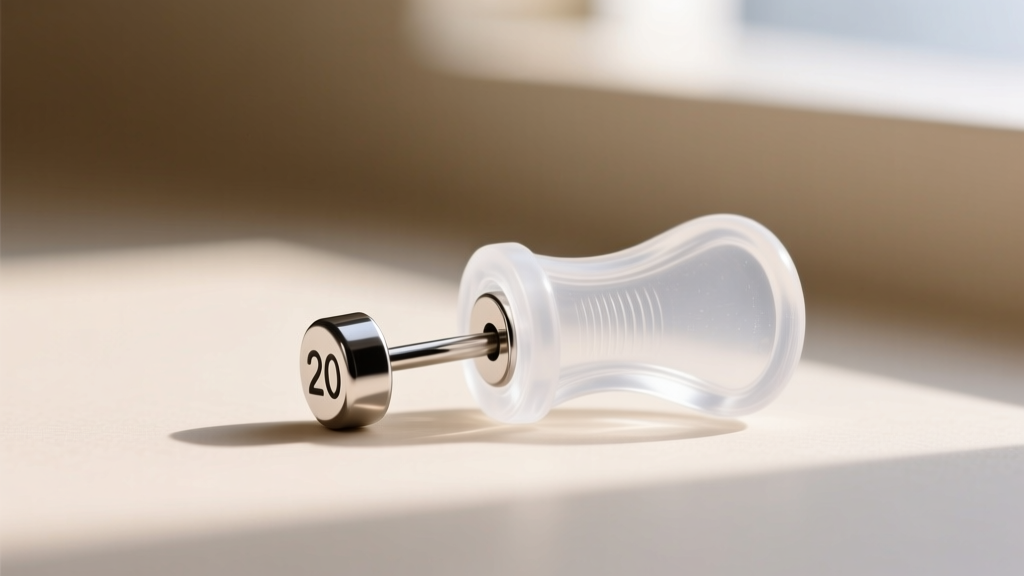
If you suffer from contact dermatitis but refuse to part with your favorite Whoville-themed drops, you can upgrade the posts. Most novelty earrings feature 20-gauge (0.8mm) or 22-gauge (0.6mm) posts. You can purchase blank, flat-pad titanium earring posts online and perform a careful post-swap.
Using a pair of flush cutters, carefully snip the original base metal post off the back of the earring. Sand the remaining metal nub flat with a high-grit nail file. Apply a microscopic drop of E6000 jewelry adhesive to the flat pad of a new 20-gauge titanium post and press it firmly against the sanded backing. Allow it to cure for 24 hours in a well-ventilated area. According to the American Gem Society, ensuring your jewelry findings are biocompatible is crucial for long-term piercing health, making this DIY upgrade a highly recommended practice for sensitive lobes.
Storage Solutions to Prevent Scratches and UV Fading
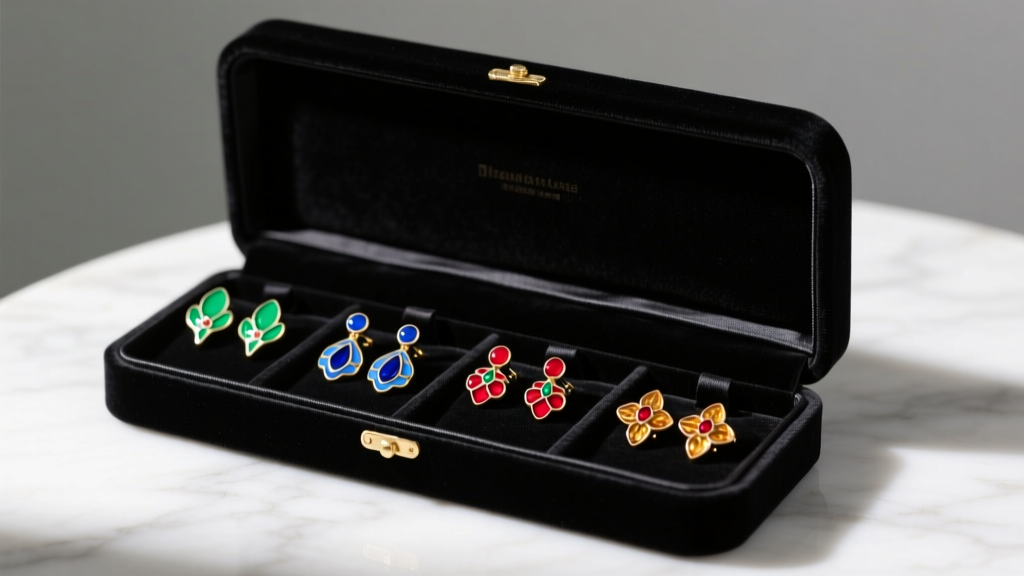
Proper storage is just as critical as cleaning. Epoxy resins and brightly dyed acrylics are highly susceptible to ultraviolet (UV) degradation. Prolonged exposure to direct sunlight will cause the vibrant reds of the Cat in the Hat or the bright greens of the Grinch to yellow and fade irreversibly. Furthermore, acrylic scratches easily when it rubs against harder metals or gemstones in a communal jewelry box.
To preserve your collection, store each pair of dr seuss earrings in individual, soft-lined compartments. A velvet-lined jewelry box with a secure lid is ideal. For added protection against base metal tarnishing, drop a few 3M anti-tarnish tabs into the drawers. These tabs absorb sulfur compounds and moisture from the ambient air, significantly slowing the oxidation process of the metal bezels and posts. Never store your novelty earrings in the bathroom, as the extreme fluctuations in humidity and temperature from showers will accelerate both metal corrosion and epoxy delamination.
Frequently Asked Questions
Can I use rubbing alcohol to sanitize my Dr. Seuss earrings?
No. Isopropyl alcohol is a solvent that will break down the chemical bonds in cold enamel and acrylic, leading to a cloudy, frosted appearance and eventual peeling. Stick to mild soap and distilled water for sanitization.
How do I remove hair spray buildup from the enamel?
Allow a warm, damp microfiber cloth to rest over the affected area for 30 to 60 seconds to soften the polymers in the hair spray. Gently wipe away the residue without applying excessive downward pressure, which could pop the enamel out of its metal channel.


