Sapphire Huggie Earrings: A Beginner's Style Guide
Discover everything about sapphire huggie earrings in our beginner's guide. Learn about gemstone grades, gauge sizes, metals, and how to style them.

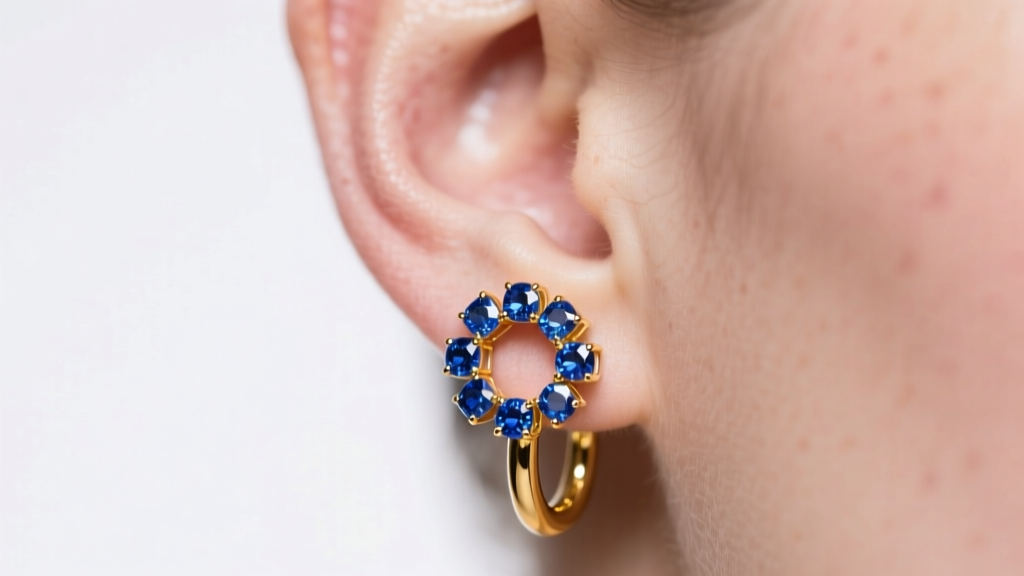
If you are transitioning from basic studs to something with more presence, sapphire huggie earrings are the perfect gateway into curated ear styling. Huggies are essentially miniature hoop earrings designed to "hug" the earlobe closely, offering a sleek, continuous line of metal and gemstones. When paired with the rich, velvety blue of sapphires, they elevate any everyday look into something distinctly luxurious.
However, buying fine jewelry requires more than just picking a pretty color. From understanding gemstone treatments to selecting the correct wire gauge for your specific piercing, this beginner-friendly explainer will walk you through the technical and aesthetic details you need to make a confident purchase.
What Exactly Are Sapphire Huggie Earrings?
Unlike traditional hoops that dangle and swing, huggies feature a hinged closure that snaps securely into place, wrapping snugly around the base of the earlobe. The sapphire element can be integrated in several ways:
- Pavé Setting: Tiny sapphire melee stones are set closely together along the front half of the hoop, maximizing sparkle.
- Channel Setting: Princess or baguette-cut sapphires are set between two metal walls, offering a smooth, snag-free surface.
- Bezel Setting: A single, larger sapphire is encircled by metal, providing a modern, minimalist look while protecting the gemstone's girdle.
Because they sit flush against the skin, huggies are highly practical for active lifestyles, sleeping, and wearing over-ear headphones, making them an ideal "never take them off" staple.
Decoding Sapphire Quality: What Beginners Must Know
Sapphires belong to the corundum mineral family and rank a 9 on the Mohs hardness scale, making them exceptionally durable for everyday ear wear. However, not all sapphires are created equal. When shopping, you will encounter two primary categories:
Natural vs. Lab-Created Sapphires
Natural sapphires are mined from the earth and almost always undergo heat treatment to improve their color and clarity. According to the Gemological Institute of America (GIA), heat treatment is a standard, permanent, and widely accepted industry practice. If a natural sapphire is completely untreated and boasts vivid saturation, it will command a massive premium.
For beginners, lab-created sapphires (often grown via the Czochralski or flame fusion methods) offer incredible value. They possess the exact same chemical and physical properties as natural stones but are free of inclusions and cost a fraction of the price. This allows jewelers to use higher-quality metal settings without inflating the total price of the huggies.
Color Saturation and Tone
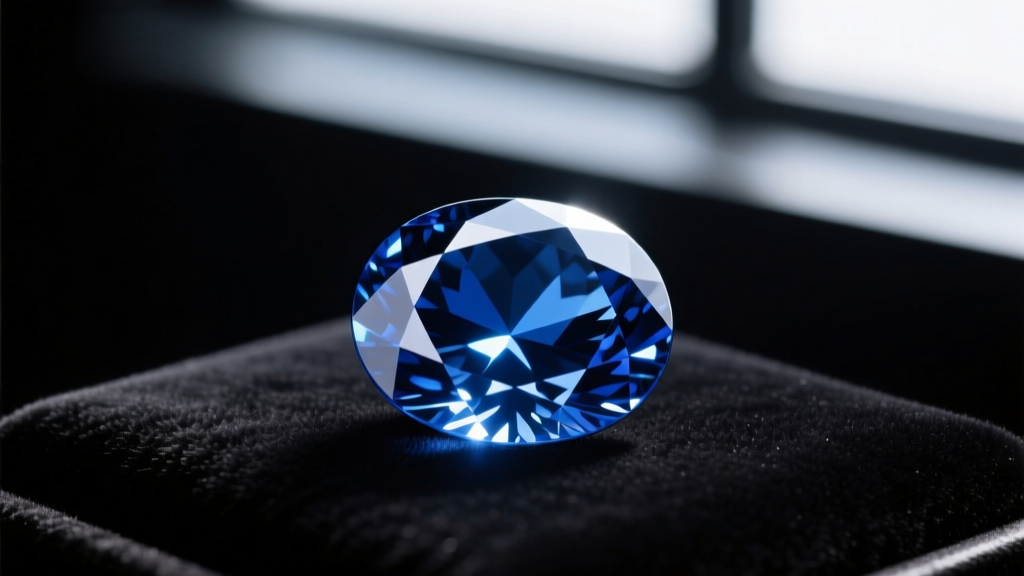
The most prized color is "cornflower blue" or "royal blue." When examining product photos, look for stones that are not too dark (which can make them look black in low light) and not too pale (which washes out the blue). High-quality pavé huggies will use calibrated melee sapphires that are meticulously color-matched so the hoop looks uniform.
Metal Pairings and Gauge Sizes for Sensitive Ears
The metal you choose affects both the aesthetics and the mechanical integrity of the earring. Furthermore, the thickness of the wire (the gauge) must match your piercing to prevent irritation or the "cheese-cutter effect."
| Metal Type | Durability & Hinge Strength | Best For | Approx. Price Range |
|---|---|---|---|
| 14k Solid Gold | High (Alloyed for strength; excellent for tiny hinges) | Everyday wear, active lifestyles, budget-conscious buyers | $250 - $600 |
| 18k Solid Gold | Medium (Softer, richer yellow color, hinge may bend if forced) | Heirloom pieces, rich color contrast with blue sapphires | $450 - $1,200 |
| Platinum | Very High (Dense, heavy, highly secure prongs) | Sensitive skin, luxury buyers, secure stone setting | $800 - $2,500+ |
Understanding Wire Gauges
The Association of Professional Piercers (APP) notes that standard earlobe piercings are typically done at 20-gauge (0.81mm) or 18-gauge (1.02mm). Most high-quality sapphire huggies are manufactured with an 18-gauge or 16-gauge (1.2mm) wire.
Expert Tip: Avoid huggies with 20-gauge wires if they feature heavy sapphire pavé. The wire can easily bend under the weight of the stones, causing the click-closure to misalign and fail. An 18-gauge wire provides the necessary structural rigidity for a secure hinge mechanism.
How to Measure Your Earlobe for the Perfect Huggie Fit
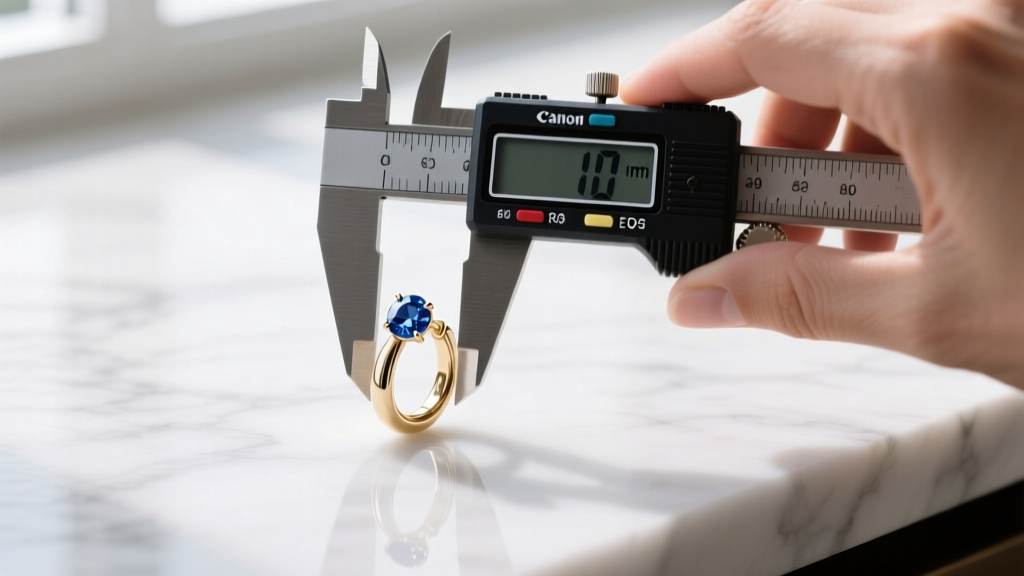
The most common mistake beginners make is buying huggies that are either too tight (causing the earlobe to bulge and swell) or too loose (defeating the "hug" aesthetic). The critical metric here is the Inner Diameter (ID).
The Measurement Process
- Take a standard hoop earring or a piece of string and wrap it around the thickest part of your earlobe where the piercing sits.
- Mark where the string meets and measure the distance in millimeters.
- Add 1mm to 2mm to this measurement to allow for natural swelling and comfort.
Generally, an inner diameter of 10mm to 12mm fits the vast majority of standard earlobe piercings. If you have thicker lobes, look for specialized 14mm "jumbo" huggies. Always check the product specifications for the ID, not the outer diameter, as the metal thickness and gemstone settings can skew the outer measurements.
Styling and Stacking: Where Do Huggies Go?
While primarily designed for the primary earlobe piercing, sapphire huggies are incredibly versatile in a curated ear stack.
- The Lobe Stack: Pair a 12mm sapphire huggie in your first lobe hole with a simple diamond or sapphire stud in your second hole. Keep the stud slightly smaller than the huggie to create a cascading visual effect.
- The Flat Helix: If your helix piercing was done at 16-gauge, a small 8mm or 9mm sapphire huggie can sit beautifully on the outer rim of the ear, provided your anatomy allows the hinge to close without pressing into the side of your head.
- The Tragus: A tiny 7mm pavé sapphire huggie can hug the tragus cartilage perfectly, offering a subtle flash of blue when you turn your head.
Care and Maintenance to Prevent Prong Failure
Because huggies are worn continuously, they are exposed to shampoos, lotions, and friction. The tiny prongs holding the sapphire melee stones can wear down or catch on knit sweaters, leading to lost stones.
Cleaning Protocol
Do not use ultrasonic cleaners on sapphire huggies if the sapphires are fracture-filled or if the setting relies on delicate micro-prongs, as the vibrations can loosen the stones. Instead, use a soft-bristled baby toothbrush, warm water, and a drop of mild, phosphate-free dish soap. Gently brush behind the stones where skin oils and dead skin cells accumulate, which can drastically dull the sapphire's brilliance.
The "Monthly Click" Check
Once a month, open and close the huggie near your ear. You should hear and feel a distinct, crisp "click." If the closure feels mushy or requires you to squeeze the hoop tightly to keep it shut, the wire has warped. Take it to a jeweler immediately to have the hinge adjusted or the wire reinforced before you lose the earring in your sleep.
By understanding the mechanics of the hinge, the nuances of sapphire quality, and the importance of proper sizing, you can invest in a pair of sapphire huggie earrings that will remain a secure, brilliant staple in your jewelry collection for years to come.


