How to Recreate Jungkook's Earrings Style: A Step-by-Step Guide
Learn how to map, pierce, and style Jungkook's earrings aesthetic. A step-by-step guide to curated ear constellations, metals, and aftercare.

The Evolution of the Curated Ear: Decoding the Aesthetic
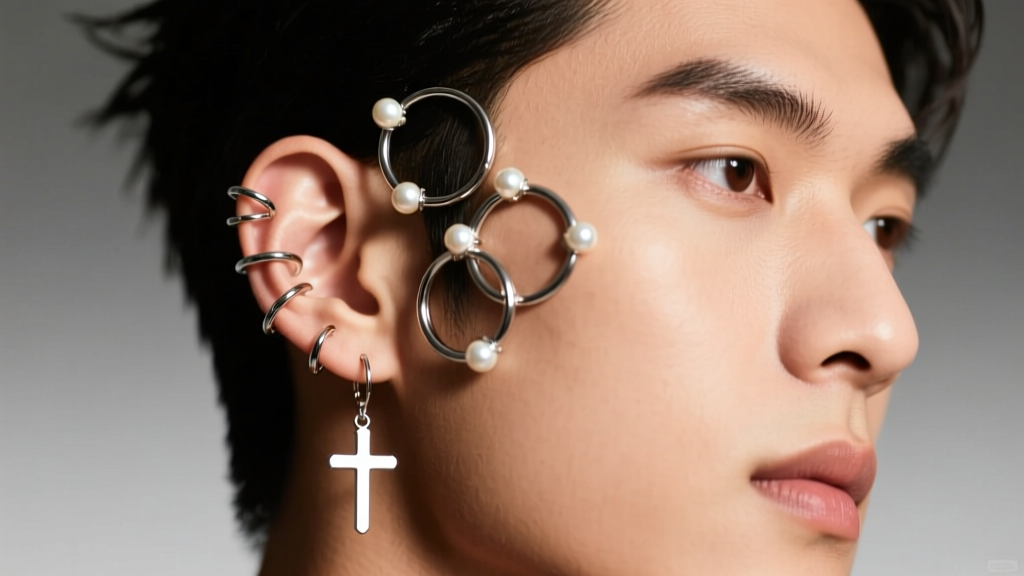
When discussing modern men's jewelry and boundary-pushing ear curation, BTS's Jungkook remains a definitive cultural touchstone. His approach to ear styling transcends simple accessories; it is a masterclass in asymmetry, mixed metals, and intentional placement. Recreating jungkook's earrings aesthetic isn't about buying one specific piece of jewelry—it is about understanding the architecture of a "curated ear." This step-by-step guide will walk you through the precise mapping, material selection, and aftercare protocols required to achieve this iconic, multi-piercing look safely and stylishly in 2026.
According to Vogue's ongoing coverage of men's jewelry trends, the shift from single stud piercings to fully curated ear constellations has been heavily driven by K-pop idols, with Jungkook's mix of delicate pearls, industrial silver hoops, and subtle cross motifs leading the charge. Below, we break down exactly how to execute this look with professional-grade precision.
Step 1: Mapping the Constellation (Placement & Anatomy)
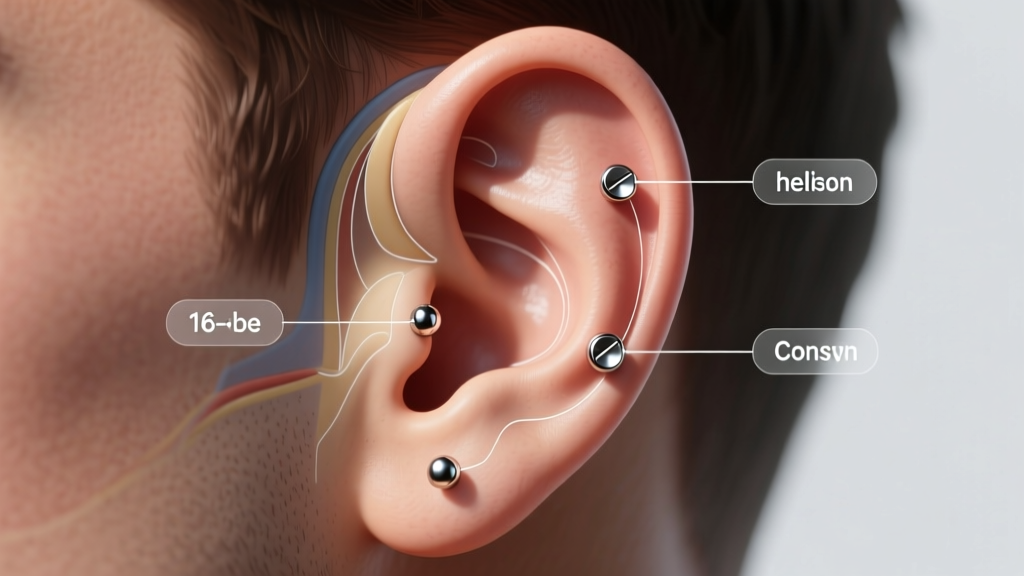
You cannot achieve this aesthetic with standard, randomly placed lobe piercings. The signature look relies on a strategic distribution of weight across the ear's anatomy. Before visiting a professional piercer, you must map the ear. The typical "idol" setup involves 3 to 5 piercings per ear, heavily weighted toward the lower lobe and the outer helix.
Standard Placement & Gauge Guide
| Piercing Placement | Standard Gauge | Healing Time | Signature Jewelry Style |
|---|---|---|---|
| Standard Lobe (1st) | 18g (1.0mm) or 16g (1.2mm) | 6 - 8 Weeks | Statement hoops, cross dangles, or pearls |
| Upper Lobe (2nd) | 18g or 16g | 8 - 10 Weeks | Small huggies or minimalist threadless studs |
| Flat / Outer Helix | 16g (1.2mm) | 6 - 12 Months | Delicate chains connecting to the lobe, or solo gems |
| Conch | 16g or 14g (1.6mm) | 6 - 12 Months | Large ornate studs or seamless clicker rings |
Expert Tip: Always ask your piercer to use a surgical marker to map the dots while you are sitting upright. Cartilage shifts when you lie down on the piercing table, which can result in crooked angles if marked while supine.
Step 2: Selecting the Right Metals (E-E-A-T Material Guide)
A critical mistake many make when attempting high-end ear curation is prioritizing the aesthetic of the jewelry over the biocompatibility of the metal. Fresh piercings are open wounds. If you are building this constellation from scratch, your initial jewelry must meet strict medical standards.
The Hierarchy of Piercing Metals
- ASTM F136 Implant-Grade Titanium: This is the gold standard for fresh piercings. It contains zero nickel, is highly polished to a mirror finish (preventing bacterial harboring), and is lightweight. Brands like NeoMetal and Industrial Strength specialize in this.
- Niobium: Another highly biocompatible, nickel-free metal that can be anodized to different colors, though usually left dark grey or black for a masculine, industrial edge.
- 14k or 18k Solid Gold (Nickel-Free): Acceptable for initial piercings only if alloyed for biocompatibility (avoid white gold, which often contains nickel). BVLA and Maria Tash are industry leaders here.
- Sterling Silver (The Trap): While Jungkook is frequently photographed wearing sterling silver hoops, the Association of Professional Piercers (APP) strongly advises against silver in unhealed piercings. Silver oxidizes and tarnishes, which can cause argyria (permanent grey staining of the skin) and severe irritation in fresh fistulas.
The Strategy: Heal everything in implant-grade titanium or solid 14k gold. Once the fistula is fully matured (minimum 6 months for lobes, 12+ months for cartilage), you can safely transition to the rhodium-plated sterling silver and oxidized metals that define the grunge-meets-luxury aesthetic.
Step 3: Sourcing the Signature Motifs
Jungkook's earrings are defined by a specific vocabulary of shapes and textures. To recreate the vibe, you need to source pieces that balance edge with elegance. Here is the breakdown of the core motifs and where to source them across different budget tiers.
1. The Cross Pendant & Dangle
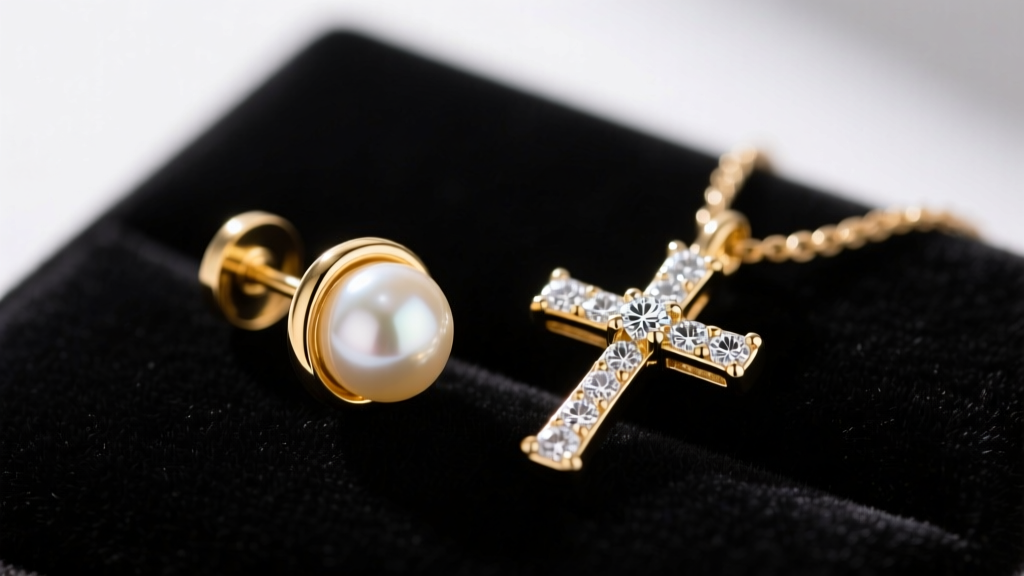
A staple in his lower lobe, the cross motif adds a gothic, rebellious undertone to the ear. Look for pieces that feature a "threadless" or "internally threaded" post to ensure the backing doesn't harbor bacteria.
Sourcing: Maria Tash offers high-end diamond-encrusted crosses ($300+), while brands like Gorjana offer accessible 14k gold-plated brass alternatives ($45-$65) for fully healed piercings.
2. The Freshwater Pearl
Pearls introduce a soft, gender-fluid contrast to the heavier silver chains and hoops. A single, imperfect baroque pearl on the upper lobe or helix is a hallmark of this style.
Sourcing: BVLA's cabochon pearls set in solid gold are the pinnacle of quality ($150-$250). For budget-friendly options, look for Etsy artisans who hand-set genuine freshwater pearls in ASTM F136 titanium ends ($30-$50).
3. Seamless Hoops and Huggies
For the upper lobes or conch, tight-fitting huggies or continuous seamless hoops create a "stacked" look without the visual clutter of long dangles.
Sourcing: Ensure the inner diameter is measured correctly. A standard helix requires a 5/16" (8mm) or 1/4" (6mm) hoop. Too tight, and the hoop will cause an irritation bump; too loose, and it will snag on clothing.
Step 4: The Healing and Aftercare Protocol
Curating an ear with 4+ piercings simultaneously is a massive load on your body's immune system. Most reputable piercers will refuse to do more than 3 or 4 piercings in a single sitting to prevent healing complications. You must stagger your sessions.
The L.I.T.H.A. Method & Saline
The industry-standard aftercare protocol is LITHA: Leave It The Hell Alone. Do not twist the jewelry. Do not apply tea tree oil, ointments, or alcohol.
- Purchase a sterile, canned 0.9% sodium chloride wound wash (no additives, no aloe, no fragrances).
- Spray the front and back of the piercing twice daily.
- Gently pat dry with a non-woven gauze or a hair dryer on the cool setting. Avoid cotton swabs or towels, which leave fibers that can wrap around the post and cause infection.
- Sleep on a travel neck pillow to keep pressure off the healing cartilage.
Troubleshooting Cartilage Irritation Bumps
If you develop a localized, flesh-colored or red bump near your helix or conch piercing, it is likely an irritation bump, not a keloid. This is almost always caused by one of three things: improper piercing angle, sleeping on the ear, or jewelry that is too long/short for the swelling. If a bump appears, return to your piercer immediately to have the post length adjusted (downsized). Applying a sterile warm saline compress for 5 minutes a day can help reduce the fluid buildup.
Step 5: Styling and Balancing the Asymmetry
The final step in mastering Jungkook's earrings aesthetic is understanding visual weight. The curated ear is rarely symmetrical. If your left ear features a heavy constellation (e.g., a lobe chain, a cross dangle, and two helix studs), your right ear should act as the "anchor."
Balance the heavy ear with a single, bold statement piece on the opposite side—such as a thick, textured silver sleeper hoop or a solitary black onyx stud. This asymmetry draws the eye across the face and prevents the jewelry from overwhelming your features. Furthermore, consider how the metal tones interact with your skin undertone and hair color. While Jungkook frequently mixes silver and gold, sticking to a dominant metal (like oxidized silver) with a secondary accent (like a single pearl) creates a more cohesive, intentional look for everyday wear.
Final Thoughts on the Curated Journey
Recreating this iconic style is a marathon, not a sprint. Building a curated ear constellation takes upwards of a year to fully heal and style. By prioritizing implant-grade metals, respecting the anatomy of your ear, and carefully selecting motifs that reflect your personal edge, you can safely achieve a world-class ear curation that rivals any global style icon.


