Expert Care for Gold Earrings: Chunky Hoops & Studs
Learn how to clean, polish, and store your favorite gold earrings. Chunky hoops and solid studs require specific care to prevent scratching.

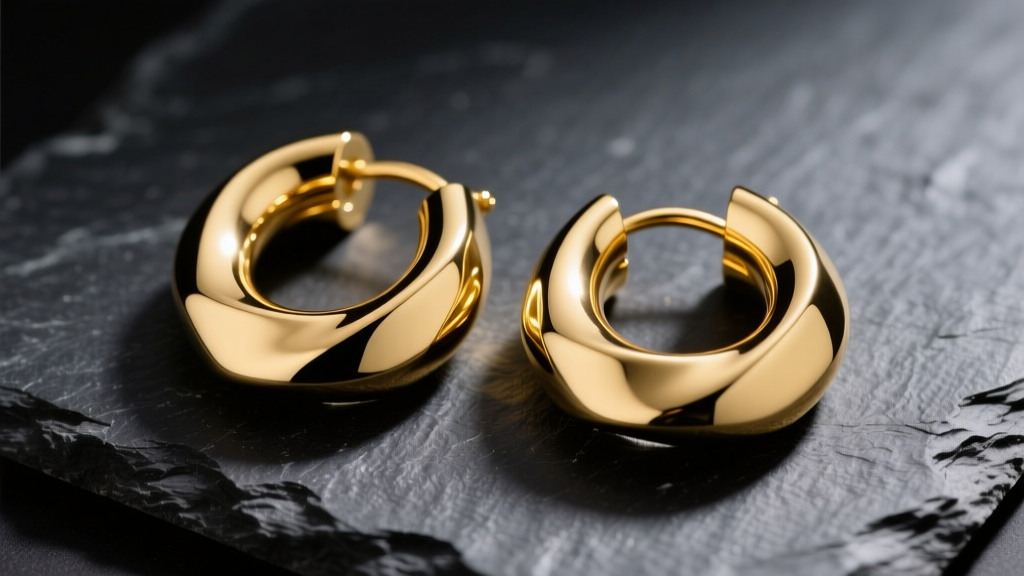
The market for bold, sculptural jewelry has exploded, and when investing in statement pieces, proper maintenance is non-negotiable. Whether you prefer delicate minimalist studs or gold earrings chunky enough to serve as wearable art, their increased surface area and weight introduce unique care challenges. Heavy gold pieces are more susceptible to micro-abrasions, structural stress on the earlobe, and trapped sebum in intricate crevices. This comprehensive guide dives deep into the metallurgy, structural mechanics, and professional cleaning protocols required to keep your heavy gold earrings in pristine condition.
The Anatomy of Chunky Gold Jewelry: Why Weight and Alloy Matter
Before applying any cleaning solution, you must understand the metallurgical composition of your earrings. Pure 24k gold is far too soft for jewelry, so it is alloyed with metals like copper, silver, and zinc. For chunky styles, the karat weight dictates both durability and care requirements.
- 14k Gold (58.5% Gold): With a Vickers hardness of approximately 140 HV, 14k gold is the industry standard for heavy, chunky hoops and studs. The higher alloy content provides the structural integrity needed to support significant weight without bending or warping.
- 18k Gold (75% Gold): Softer and richer in color (around 125 HV), 18k gold is highly prone to surface scratching. Chunky 18k pieces require meticulous storage and gentler polishing techniques to avoid removing excessive layers of gold over time.
Furthermore, many oversized hoop earrings utilize electroforming or hollow tubing to keep the weight bearable for the earlobe. Hollow gold requires drastically different care than solid cast gold, particularly regarding ultrasonic cleaners, which can cause internal condensation or shatter fragile solder joints.
The Daily Wear Toll: Sweat, Oils, and Micro-Abrasions
Chunky earrings sit closer to the neck and hair, increasing their exposure to environmental pollutants. The primary culprits of gold degradation are not the gold itself, but the alloyed metals reacting to daily wear.
The Chemistry of Tarnish and Buildup
While gold does not tarnish, the copper and silver alloys in 14k and 18k rose or yellow gold can oxidize when exposed to sulfur compounds in the air, sweat, and certain cosmetics. Additionally, the broad surface area of chunky earrings acts as a magnet for sebum, dead skin cells, and lotions. This biofilm not only dulls the high-shine finish but can also harbor bacteria, leading to contact dermatitis or earlobe infections, especially where heavy posts press against the skin.
Step-by-Step Deep Cleaning Protocol for Heavy Gold Pieces
Forget harsh chemical dips or abrasive pastes. According to the Gemological Institute of America (GIA), the safest and most effective way to clean gold jewelry at home involves a mild surfactant and mechanical agitation. Here is the professional protocol for deep cleaning chunky gold earrings:
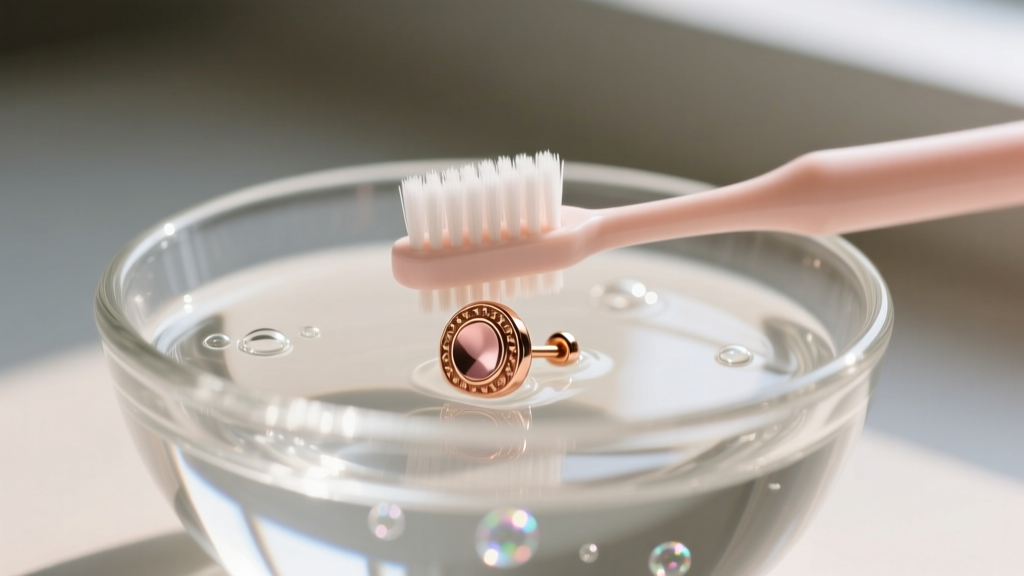
- Prepare the Solution: Fill a glass bowl with warm (not hot) distilled water. Hot water can weaken the tension in certain clasp mechanisms. Add three drops of mild, phosphate-free dish soap (like Dawn).
- Soak: Submerge the earrings for 15 to 20 minutes. This allows the surfactant to break down the lipid bonds of trapped sebum and cosmetics.
- Agitate: Using a brand-new, ultra-soft baby toothbrush, gently sweep the bristles across the surface. For chunky hoops with hollow tubing or textured finishes, use a wooden toothpick to carefully dislodge debris from deep crevices without scratching the metal.
- Rinse and Dry: Rinse thoroughly under a gentle stream of distilled water to prevent hard water mineral spots. Pat dry with a lint-free microfiber cloth. Never use paper towels, as their wood pulp fibers will leave micro-scratches on high-polish gold.
Warning: Never place hollow chunky gold earrings in an ultrasonic cleaner. The 40kHz high-frequency vibrations can easily fracture the thin internal walls of electroformed gold or shake loose the solder points at the hinge and clasp.
Polishing and Restoring the High-Shine Finish
Over time, chunky gold earrings will accumulate a network of fine surface scratches, known as a patina. While some collectors appreciate this vintage look, restoring a mirror finish requires specific polishing methods depending on the gold color.
| Gold Type | Primary Alloy | Polishing Method | Abrasive Risk |
|---|---|---|---|
| Yellow Gold | Silver/Copper | Jeweler's rouge on a soft cotton buffing wheel | Low (Standard) |
| White Gold | Nickel/Palladium | Rhodium plating required after polishing | High (Removes plating) |
| Rose Gold | High Copper | Gentle microfiber rubbing; avoid harsh compounds | Medium (Can alter hue) |
For white gold chunky earrings, remember that the bright silver color comes from a microscopic layer of rhodium plating. Aggressive polishing will strip this layer, revealing the pale yellow alloy beneath. If your chunky white gold hoops look yellowish, they need to be sent to a jeweler for re-plating, not polished at home.
Structural Maintenance: Checking Prongs, Hinges, and Posts
The physical weight of chunky earrings introduces mechanical stress points that delicate jewelry simply does not face. Regular structural inspections are vital to prevent catastrophic loss.
Post Gauge and Lobe Health
Standard earring posts are typically 20-gauge (0.8mm) or 18-gauge (1.0mm). However, a chunky solid gold stud can easily weigh over 10 grams. This concentrated weight on a thin wire acts like a cheese slicer on the earlobe, leading to stretching and tearing. High-quality chunky studs should feature heavier 16-gauge (1.2mm) or 14-gauge (1.6mm) posts. If your heavy earrings have thin posts, consult a bench jeweler to have them soldered with thicker, custom wire.
Hinge and Clasp Tension
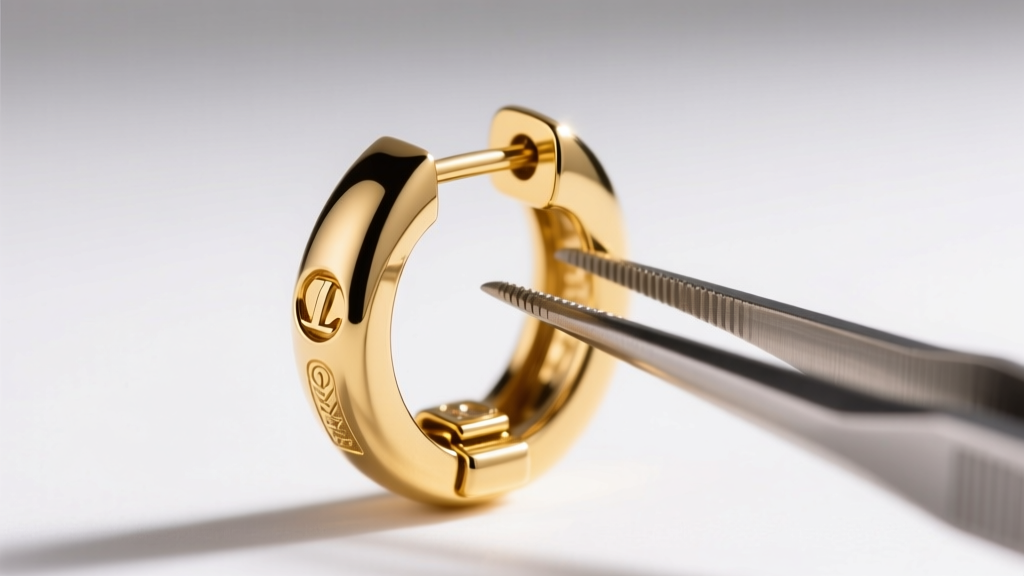
Chunky hoops frequently utilize omega backs, saddlebacks, or hinged snap closures. The Jewelers of America recommends checking the tension of these clasps every six months. To test an omega back, open the earring and release it; it should snap shut crisply. If it slides shut slowly, the internal tension spring has fatigued. A jeweler can easily re-tension the metal or replace the internal spring mechanism before the earring falls out and is lost.
Proper Storage to Prevent Warping and Scratching
How you store your heavy gold earrings is just as important as how you clean them. Tossing chunky pieces into a communal jewelry box guarantees severe surface scratching and potential warping.
- Individual Polyurethane Pouches: Store each pair in its own airtight, anti-tarnish polyurethane bag. This prevents the pieces from rubbing together and limits exposure to ambient sulfur.
- Support the Shape: Large, hollow chunky hoops can warp if heavy items are placed on top of them. Store them flat in a lined drawer with individual compartments, or hang them on a dedicated jewelry stand with padded hooks.
- Anti-Tarnish Strips: Place 3M anti-tarnish strips inside your storage drawers or pouches. These strips absorb corrosive gases in the air, significantly slowing the oxidation of the copper alloys in your 14k and 18k pieces.
By understanding the specific metallurgical and structural needs of your bold jewelry, you can ensure your pieces remain as striking and structurally sound as the day you acquired them. Consistent, gentle care is the ultimate secret to preserving the luxurious weight and shine of heavy gold earrings.


