How to Clean and Care for Extra Long Post Earrings for Thick Ears
Master care and cleaning for extra long post earrings for thick ears. Learn gauge specifics, material grades, and safe deep-cleaning routines.

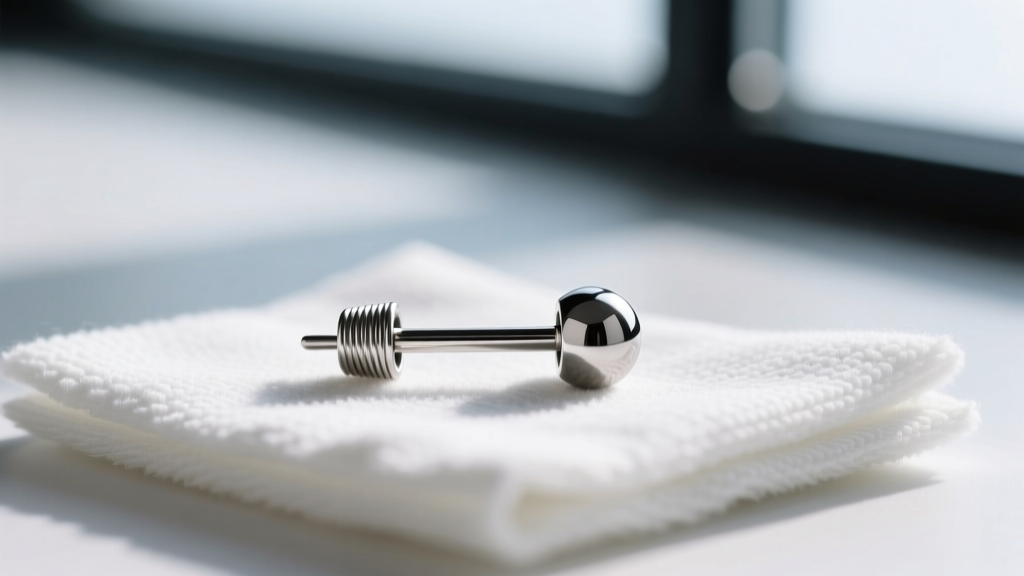
For individuals with thicker earlobes, standard 6mm earring posts are a source of constant discomfort, leading to compression, restricted blood flow, and trapped moisture. Upgrading to extra long post earrings for thick ears (typically 8mm to 12mm) solves the fit issue, but it introduces a new set of maintenance challenges. The extended surface area of the post and the deeper barrel of the friction back create hidden pockets where sebum, dead skin cells, and cosmetic residue accumulate. As a senior jewelry stylist, I have seen countless long-post earrings ruined by improper cleaning techniques that bend delicate metals or degrade secure clasps. This comprehensive guide details the exact protocols for cleaning, maintaining, and preserving the structural integrity of your long-post jewelry.
The Anatomy of Extra Long Post Earrings for Thick Ears
Understanding the physical properties of your jewelry is the first step in proper maintenance. Standard stud earrings feature a post length of 6mm to 7mm. However, thick earlobes—often measuring 8mm to 14mm in depth—require posts ranging from 8mm to 12mm to allow the earlobe to breathe and prevent the clutch from digging into the skin.
The Gauge-to-Length Ratio and Bending Risks
The most common failure mode for extra long post earrings for thick ears is post bending. A standard 20-gauge (0.81mm) post lacks the structural rigidity when extended to 10mm or 12mm. The slenderness ratio increases dramatically, making the post highly susceptible to warping when pressure is applied during cleaning or when pushing the clutch into place. For long posts, I always recommend stepping up to an 18-gauge (1.02mm) or 16-gauge (1.29mm) wire. This minor increase in thickness provides exponential gains in tensile strength without requiring a painful stretching of the piercing fistula.
Daily vs. Deep Cleaning Protocols
Because long posts sit deeper within the earlobe and the clutch is positioned further away from the skin's surface, the mechanics of debris accumulation change. Hairspray, foundation, and natural skin oils coat the extended metal shaft, eventually hardening into a cement-like layer inside the clutch mechanism.
The Ultrasonic Method for Intricate Clutches
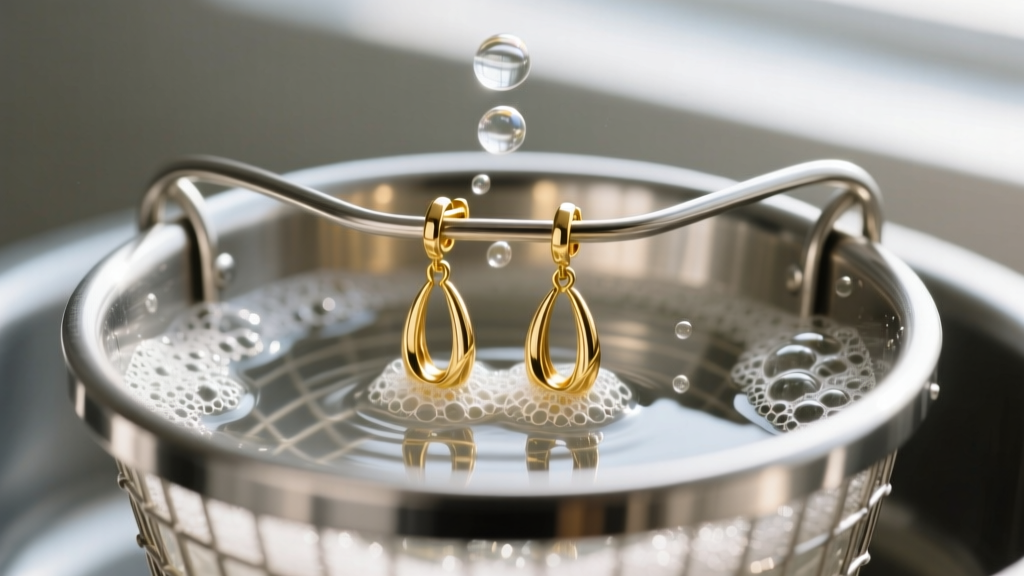
Wiping the visible portion of the post is insufficient. To properly maintain extra long post earrings for thick ears, you must clean the internal friction mechanism. I recommend using a miniature ultrasonic jewelry cleaner. Fill the tank with warm distilled water and two drops of mild, phosphate-free dish surfactant. Run a three-minute cycle. The cavitation bubbles will penetrate the microscopic gaps between the post and the butterfly clutch, dislodging compacted sebum that a cotton swab cannot reach. Afterward, rinse with distilled water and dry immediately with a forced-air duster to prevent water spots on high-polish metals.
Material Grades and Chemical Compatibility
Not all metals tolerate the same cleaning agents. When investing in long-post jewelry, the material grade dictates your maintenance routine. According to the Association of Professional Piercers, only specific alloys are safe for long-term wear in thick, easily compressed tissue.
| Material Grade | Safe Cleaning Agents | Agents to Avoid | Maintenance Note |
|---|---|---|---|
| ASTM F-136 Titanium | Ultrasonic, 70% Isopropyl, Saline | Bleach, Hydrofluoric acid | Highly durable; immune to tarnish. |
| 14k/18k Solid Gold | Mild soap, Ultrasonic (if no soft gems) | Chlorine, Abrasive pastes | Chlorine causes micro-fractures in gold alloys. |
| 316L Surgical Steel | Mild soap, Saline | Harsh alcohols, Prolonged soaking | Nickel content can leach if surface is pitted. |
Always verify that your gold is nickel-free. The American Academy of Dermatology (AAD) notes that nickel contact dermatitis is exacerbated by the trapped moisture and friction common in thick earlobes, making high-purity metals essential.
Preventing Clutch Degradation and Loss
The longer the post, the more leverage is applied to the earring back. Standard friction backs (butterfly clutches) rely on two small metal scrolls gripping the post. On a 12mm post, the weight of a heavy decorative front acts as a lever, slowly prying the scrolls apart over time. This leads to the clutch sliding off and the earring being lost.
Upgrading to Secure Backing Systems
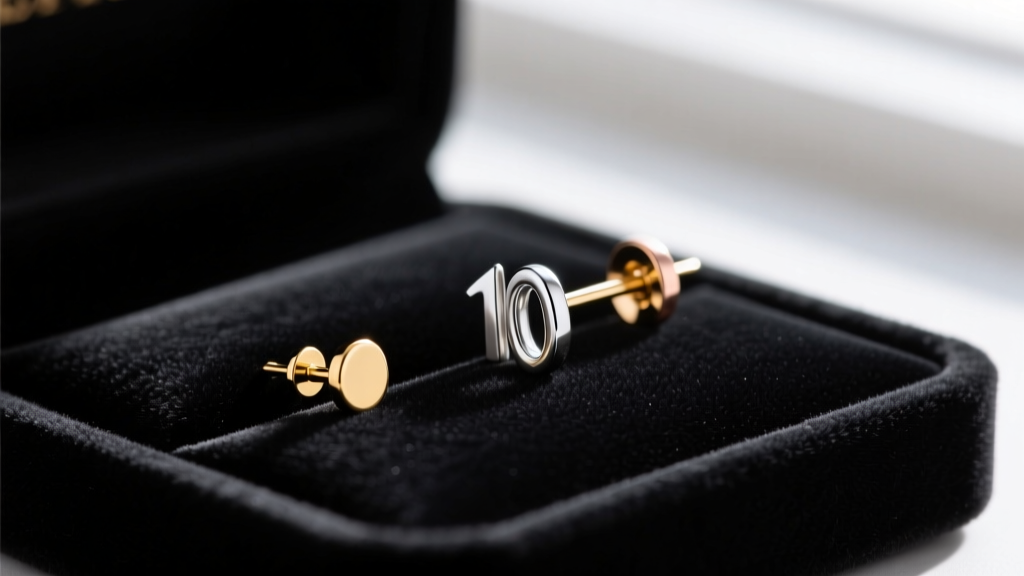
To reduce maintenance headaches, retire standard butterfly clutches on extra long post earrings for thick ears. Instead, utilize silicone O-ring backs or threaded screw-backs. Silicone O-rings provide continuous, even friction across the entire circumference of the post and do not trap debris the way metal scrolls do. If you use silicone backs, never clean them with isopropyl alcohol, as the alcohol dries out the elastomer, causing it to crack and lose its grip. Wash silicone components with warm water and mild soap only.
Storage and Travel Maintenance for Long Posts
Storing extra long post earrings for thick ears requires a different approach than standard studs. The extended 10mm to 12mm posts are highly vulnerable to lateral pressure. Tossing them loosely into a jewelry box or a travel pouch guarantees that the posts will bend or snap, especially if they are crafted from softer high-karat gold alloys.
Using Slotted Displays and Hard-Shell Cases
For home storage, utilize a slotted earring display card or a dedicated compartmentalized box where the posts can hang freely without resting against a hard surface. When traveling, a hard-shell EVA jewelry case is mandatory. I recommend threading the long posts through a piece of dense craft foam or a specialized silicone travel block. This immobilizes the jewelry, preventing the decorative front from acting as a lever that bends the post during transit. Furthermore, always secure the backing tightly against the foam to prevent the clutch from vibrating loose and getting lost in your luggage.
Troubleshooting Common Thick-Lobe Earring Issues
Proper care is not just about aesthetics; it is about preserving the health of the piercing fistula and the structural geometry of the jewelry.
- Issue: Post feels stuck or gritty when inserting.
Solution: Do not force it. The grit is likely dried sebum or a micro-burr on the metal. Clean the post with an alcohol wipe, inspect under a jeweler's loupe for bends, and apply a microscopic amount of sterile jojoba oil to the tip for lubrication. - Issue: The earlobe feels hot or tender after wearing long posts.
Solution: This indicates the clutch is still too tight, causing venous congestion. Ensure you are leaving a 1mm to 2mm gap between the back of the earlobe and the clutch to allow for natural swelling and lymphatic drainage. - Issue: Gemstone appears cloudy after cleaning.
Solution: You likely used an ultrasonic cleaner on a fracture-filled stone or a porous gem (like opal or turquoise). Switch to a soft-bristled baby toothbrush and mild soapy water for manual cleaning of delicate stones set in long posts.
By treating your extra long post earrings for thick ears with the specialized care they require, you ensure a comfortable, hygienic, and secure wearing experience that honors both your anatomy and your investment in fine jewelry.


