How Do You Clean Gold Earrings Without Losing Resale Value?
Learn how do you clean gold earrings safely to preserve resale value. Compare DIY vs. professional cleaning costs and avoid alloy damage.

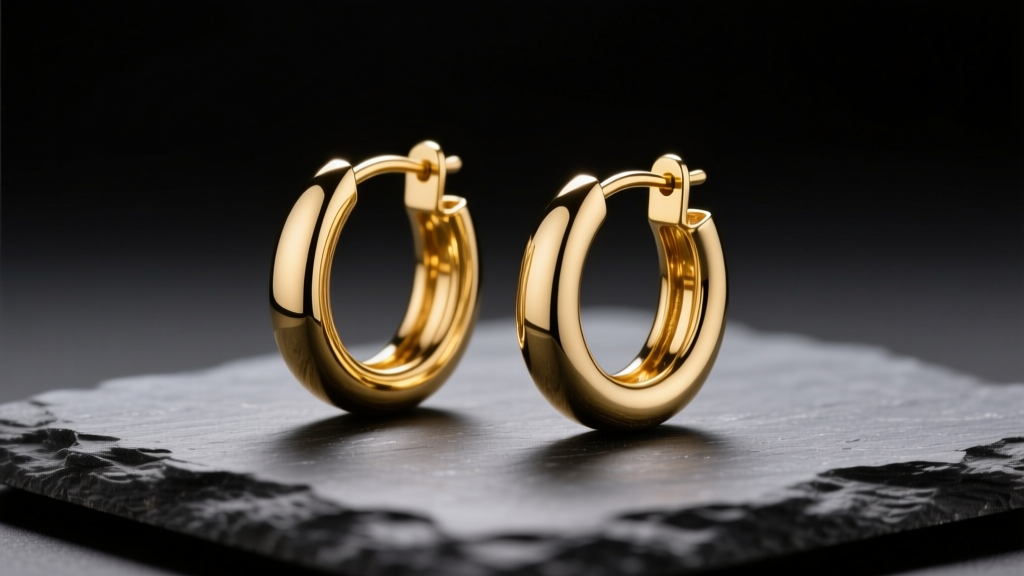
The True Cost of Dirty Gold: Why Cleaning is a Value Proposition
When collectors and everyday wearers ask, "how do you clean gold earrings," the conversation usually revolves around hygiene and aesthetics. However, from a budget and value assessment perspective, proper maintenance is a critical financial strategy. With the spot price of gold reaching historic highs in 2026, your gold earrings are not just accessories; they are liquid assets. Accumulated sebum, dead skin cells, and cosmetic residues do more than dull the shine—they trap moisture and acidic compounds against the metal alloys, accelerating oxidation and degrading the structural integrity of the settings.
A pair of 14k gold diamond studs appraised at $1,200 can lose up to 15% of its perceived resale value if presented to a buyer with heavy tarnish, obscured light return in the diamonds, and compromised post joints. Understanding the metallurgy of your earrings is the first step in protecting your investment.
Karat Chemistry: How 10K, 14K, and 18K React to Cleaners
Pure 24k gold is entirely immune to tarnish, but it is far too soft for earring posts or secure gemstone prongs. Therefore, your earrings are alloyed with metals like copper, silver, zinc, and nickel to provide tensile strength. It is these secondary metals that react poorly to harsh chemicals.
| Gold Karat | Pure Gold % | Alloy % | Tarnish Vulnerability | Chemical Sensitivity |
|---|---|---|---|---|
| 10K | 41.7% | 58.3% | High (Prone to dark oxidation) | Extreme (High copper/silver content) |
| 14K | 58.3% | 41.7% | Moderate | High (Vulnerable to chlorine) |
| 18K | 75.0% | 25.0% | Low | Moderate (Safer, but still reactive) |
| 22K | 91.6% | 8.4% | Very Low | Low (Mostly immune to standard tarnish) |
The Chlorine Catastrophe and Stress Corrosion Cracking
The most expensive mistake you can make with gold earrings is exposing them to chlorine. According to the Jewelers of America, chlorine reacts aggressively with the copper and silver alloys in 10k and 14k gold. This causes a metallurgical failure known as stress corrosion cracking. The chemical attacks the microscopic grain boundaries of the metal, particularly at high-stress points like the solder joint where the earring post meets the backing, or the delicate prongs holding a gemstone.
Financial Impact: If a chlorine-weakened prong snaps, you lose the diamond. Replacing a lost 0.50ct diamond and retipping the prong will cost between $400 and $1,500, instantly destroying the ROI of your jewelry purchase. Never clean gold with bleach-based solutions.
Budget-Friendly DIY Cleaning Protocol (The $2 Method)
You do not need expensive commercial jewelry dips—which often contain harsh ammonia or thiourea compounds that can strip antique patinas or damage porous stones. The most effective, value-preserving cleaning method costs less than two dollars.
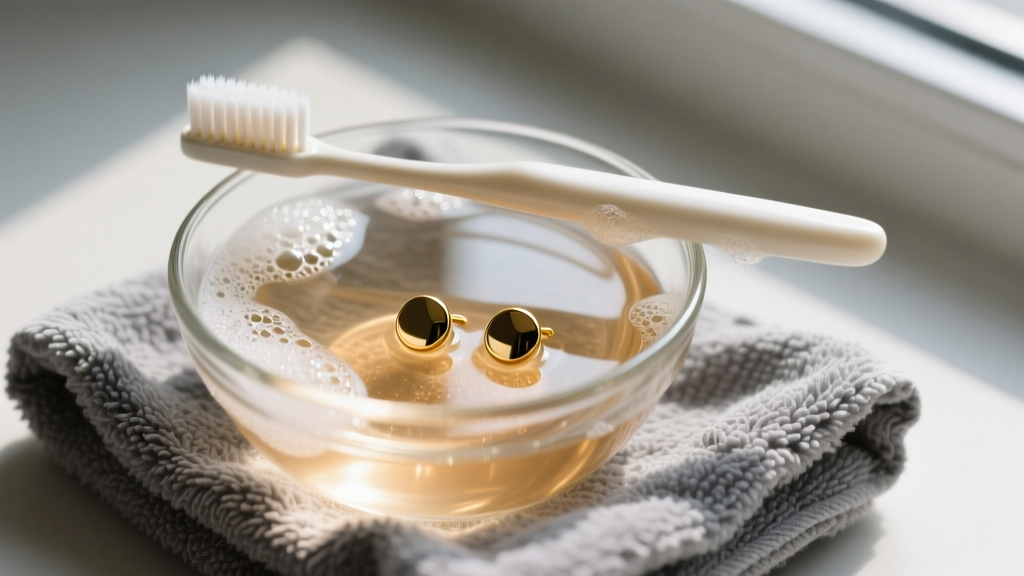
Materials Required:
- Distilled Water: Never use tap water. Tap water contains calcium and magnesium which leave microscopic hard water spots that dull the metal's luster.
- Mild Surfactant: A single drop of phosphate-free dish soap (like Dawn).
- Baby Toothbrush: Must be "extra soft" bristle. Medium bristles can cause micro-scratches on high-polish 18k gold, reducing its mirror-like reflectivity.
- Lint-Free Microfiber Cloth: For drying and buffing.
Step-by-Step Execution:
- Warm 8 ounces of distilled water to roughly 90°F (body temperature). Hot water can shock certain gemstone inclusions.
- Add one drop of dish soap and agitate until suds form.
- Submerge the gold earrings for exactly 10 to 15 minutes. This emulsifies the sebum and cosmetic buildup without requiring aggressive scrubbing.
- Gently brush the earring posts, clutch backs, and the underside of the settings (the pavilion) where debris accumulates and blocks light return.
- Rinse under a gentle stream of fresh distilled water.
- Pat dry with the microfiber cloth. Air-drying is not recommended, as it can leave water marks.
When to Pay for Professional Ultrasonic Cleaning
While the DIY method is perfect for routine maintenance, there are specific scenarios where paying a professional jeweler $25 to $50 for an ultrasonic cleaning is the superior financial decision. The Gemological Institute of America (GIA) notes that ultrasonic machines use high-frequency sound waves to create microscopic cavitation bubbles that implode, dislodging dirt from areas a toothbrush cannot reach.
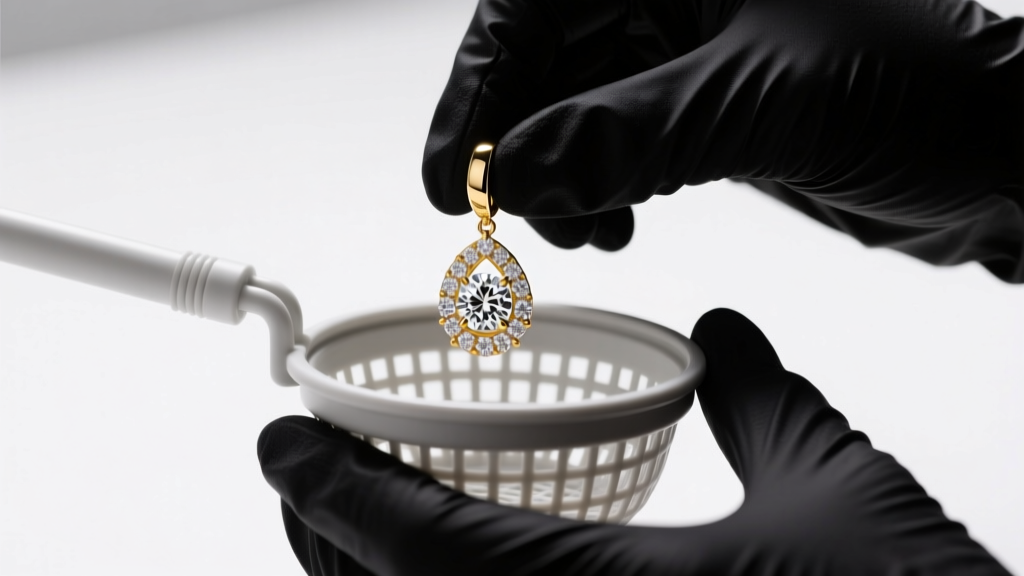
Cost-Benefit Analysis: DIY vs. Professional Service
| Service Type | Average Cost | Best Used For | Value Risks |
|---|---|---|---|
| At-Home DIY | $0.10 per wash | Routine weekly/monthly maintenance of plain gold or durable stones. | Micro-scratches if using wrong brush; incomplete cleaning of pave settings. |
| Professional Ultrasonic | $25 - $50 | Heavy buildup, intricate filigree, pave diamond settings, pre-appraisal prep. | Can shatter fracture-filled diamonds or loosen worn prongs via vibration. |
| Professional Steam | $15 - $30 | Final polish and blasting away loose debris after ultrasonic. | Thermal shock can crack emeralds, opals, and treated gemstones. |
The Value Assessment: If you are preparing to sell or insure your gold earrings, a $35 professional cleaning and prong-inspection is a mandatory investment. A jeweler will check the structural integrity of the settings under 10x magnification before the ultrasonic cycle, ensuring you do not lose a stone during the cleaning process.
Gemstone Variables: Protecting Accent Stones in Gold Settings
Gold earrings rarely exist in a vacuum; they are often paired with gemstones. Your cleaning protocol must adapt to the weakest link in the piece, which is almost always the stone, not the gold.
- Diamonds, Sapphires, and Rubies (Mohs 8-10): Highly durable. Safe for ultrasonic and the DIY warm soapy water method. However, diamonds are lipophilic (oil-attracting), meaning they require more frequent degreasing to maintain their optical brilliance and resale value.
- Emeralds (Mohs 7.5-8): Almost all emeralds are fracture-filled with cedar oil or resins. Ultrasonic cleaners and warm soapy water will strip this oil, leaving the stone looking cloudy and heavily fractured, dropping its appraisal value by up to 40%. Clean emerald-gold earrings only with a dry, soft cloth.
- Pearls and Opals (Mohs 2.5-6.5): Highly porous and sensitive to pH changes. Never submerge pearl or opal gold earrings in water. The moisture can degrade the silk thread or epoxy used in the earring cup setting, causing the stone to detach and fall out.
Value Retention Checklist for Resale or Appraisal
To maximize the financial return on your gold earrings, implement this maintenance framework:
- Document the Baseline: Take high-resolution macro photos of the earrings when new, specifically focusing on the hallmarks (e.g., "14K", "750") and maker's marks. This proves authenticity to future buyers.
- Bi-Annual Professional Audit: Every six months, have a jeweler inspect the earring posts and friction backs. A loose friction back is a $5 replacement; losing the earring entirely is a total loss.
- Proper Storage: Store gold earrings in individual anti-tarnish cloth pouches. Letting them tumble together in a jewelry box causes kinetic scratching, which degrades the surface polish and lowers the premium a buyer will pay.
Ultimately, knowing how do you clean gold earrings properly is about risk management. By avoiding harsh chemicals, understanding your specific karat's alloy vulnerabilities, and utilizing targeted cleaning methods, you preserve both the physical beauty and the financial equity of your jewelry collection.


