How to Clean Gunk Off Earrings: Expert Material Guide
Learn exactly how to clean gunk off earrings based on metal type and gemstone porosity. Expert methods for titanium, gold, and porous stones.

The Anatomy of Earring Buildup: What Are You Actually Cleaning?
When you search for how to clean gunk off earrings, the first step is understanding the biochemical composition of the debris. The grayish, waxy buildup on earring posts and backing clasps is not merely 'dirt.' It is a complex composite matrix. According to dermatological studies, this biofilm primarily consists of oxidized sebum (specifically squalene peroxide), desquamated corneocytes (dead skin cells), and cross-linked cosmetic polymers like dimethicone from hair and skincare products.
Because sebum is highly lipophilic (fat-loving) and hydrophobic (water-repelling), rinsing your earrings under plain tap water is entirely ineffective. Furthermore, using harsh solvents like rubbing alcohol (isopropyl) can actually coagulate the proteins in the dead skin cells, cementing the gunk into the crevices of your earring clasps and gemstone prongs. To properly dismantle this matrix, you must use targeted mechanical agitation combined with the correct pH-balanced surfactants, tailored specifically to your earring's metallurgy and gemstone porosity.
Material-Specific Cleaning Protocols
Not all metals react identically to chemical cleaners and mechanical friction. The Association of Professional Piercers outlines strict guidelines for jewelry materials, which directly inform how we should approach deep cleaning without degrading the metal's passivation layer.
Implant-Grade Titanium & Niobium
ASTM F-136 implant-grade titanium and pure niobium are highly inert. They rely on a microscopic oxide layer (titanium dioxide) to prevent corrosion. Because this layer is incredibly resilient, you can safely use ultrasonic cleaners and mild alkaline surfactants to break down sebum without risking structural damage. Avoid hydrofluoric acid or highly concentrated chlorides, which can pit the titanium surface.
14k and 18k Gold Alloys
Pure 24k gold is too soft for functional earring posts, so it is alloyed with copper, silver, and zinc. These alloy metals are vulnerable to stress-corrosion cracking when exposed to harsh chlorides or ammonia-based cleaners. When learning how to clean gunk off earrings made of 14k or 18k gold, stick to neutral-pH surfactants (like a highly diluted, high-quality dish soap) and warm water. Never use abrasive pastes, as gold alloys scratch easily, creating micro-fissures where future gunk will accumulate faster.
Sterling Silver (.925)
Sterling silver is 92.5% silver and 7.5% copper. The 'gunk' on silver earrings often masks silver sulfide tarnish, a blackish compound formed when sulfur in the environment (and in human sweat) reacts with the copper and silver. You must first remove the organic sebum barrier using a mild soap soak. Only after the organic gunk is removed should you apply a chemical reduction method (such as an aluminum foil and baking soda electrolytic bath) to reverse the sulfide tarnish without removing the underlying silver.
The Gemstone Variable: Porosity and Mohs Hardness
The most catastrophic mistakes in jewelry cleaning occur when organic buildup is aggressively removed from delicate gemstones. The Mohs scale of mineral hardness dictates scratch resistance, but it is the gemstone's porosity and cleavage planes that dictate chemical and ultrasonic safety. The Gemological Institute of America (GIA) consistently warns against treating all gems equally.
| Gemstone | Mohs Hardness | Porosity / Treatment | Ultrasonic Safe? | Recommended Solvent |
|---|---|---|---|---|
| Diamond | 10 | Non-porous, high clarity | Yes | Mild alkaline surfactant |
| Sapphire / Ruby | 9 | Non-porous (unless fracture-filled) | Yes (with caveats) | Warm soapy water |
| Emerald | 7.5 - 8 | Highly included, oil/resin filled | NO | Lukewarm water, soft brush only |
| Opal | 5.5 - 6.5 | Contains 3-21% water, amorphous | NO | Damp microfiber cloth only |
| Pearl (Organic) | 2.5 - 4.5 | Highly porous calcium carbonate | NO | Dry, soft brushing only |
Advanced Technical Methods: Ultrasonic Cavitation
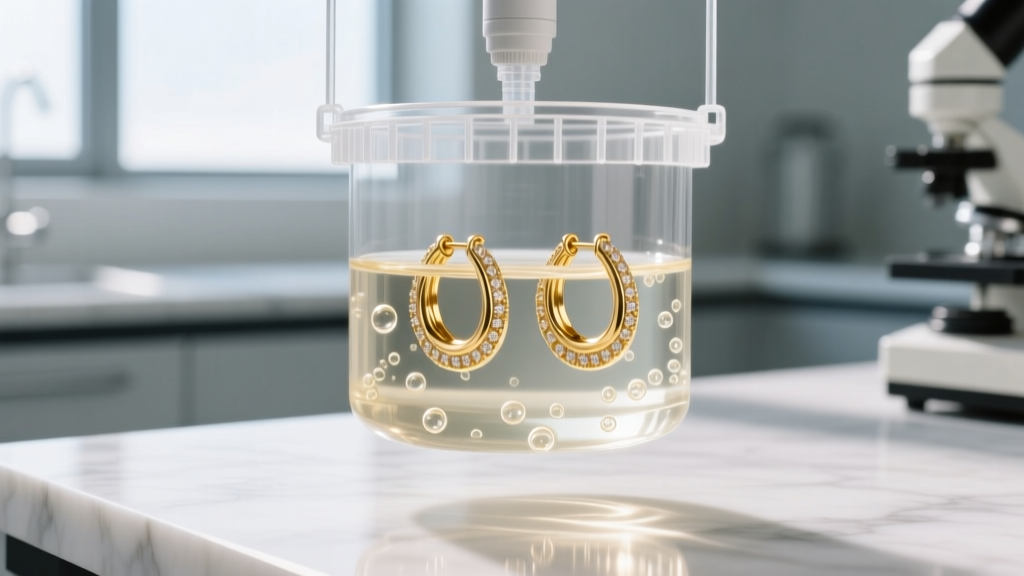
For durable metals and hard, non-porous stones (like diamonds and sapphires), an ultrasonic jewelry cleaner is the gold standard for removing impacted gunk from earring butterfly backs and intricate filigree. These devices operate typically at 40kHz to 45kHz frequencies.
The science behind this is acoustic cavitation. The high-frequency sound waves create millions of microscopic vacuum bubbles in the liquid. When these bubbles collapse against the surface of the earring, they generate localized micro-jets of liquid that blast the oxidized sebum and dead skin out of microscopic crevices. However, this same cavitation energy will shatter the internal structure of an opal or strip the cedarwood oil out of a fracture-filled emerald, leaving the stone cloudy and structurally compromised. Never place porous or organic gems in an ultrasonic bath.
Step-by-Step Mechanical Agitation Protocol
For everyday maintenance and materials that cannot withstand ultrasonic cavitation, follow this precise mechanical protocol to safely dissolve the biofilm matrix:
- The Emulsion Soak: Fill a small glass beaker with warm water (approx. 105°F / 40°C) and add two drops of a high-quality, neutral-pH dish detergent. Submerge the durable earrings for 10 to 15 minutes. The warmth lowers the viscosity of the sebum, while the surfactant molecules begin to encapsulate the lipid droplets.
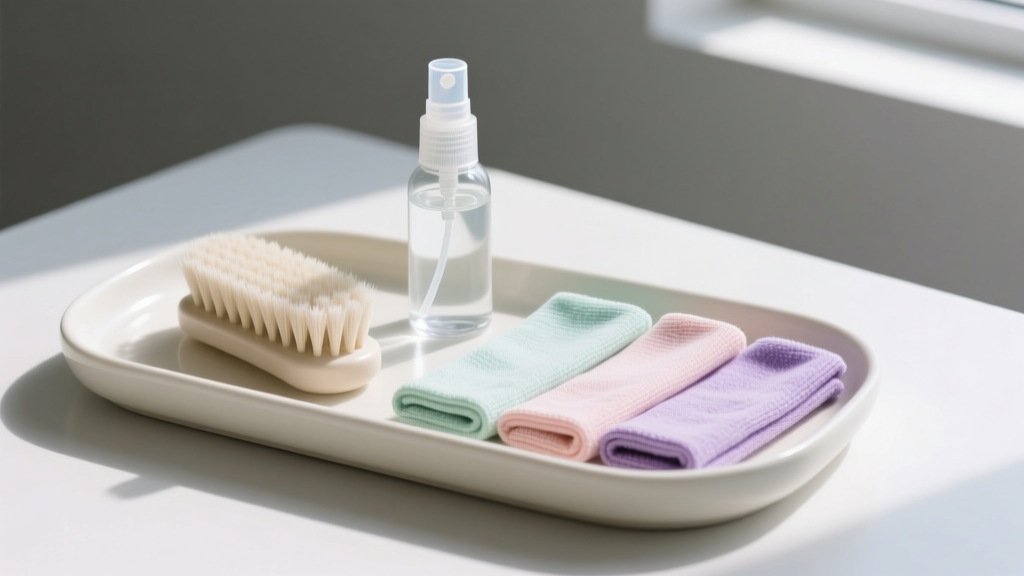
- Targeted Agitation: Using a dedicated, ultra-soft nylon detailing brush (0.1mm bristle diameter), gently sweep the bristles along the earring post, the clasp hinge, and the underside of the gemstone setting. Never use hard-bristled toothbrushes, as they can leave micro-scratches on 14k gold and polished silver.
- The Deionized Rinse: Rinse the earrings under a steady stream of distilled or deionized water. Tap water contains dissolved calcium and magnesium salts that will leave hard water spots on the metal as it dries.
- Capillary Drying: Do not air dry, as this promotes water spotting and potential oxidation on silver. Use a lint-free microfiber cloth to pat the jewelry dry. For intricate hinges, use a can of compressed air or a specialized jewelry drying blower to force moisture out of the mechanical joints.
Preventative Maintenance & Fistula Hygiene
Cleaning the jewelry is only half the battle; the environment of the piercing fistula (the healed tunnel of skin) dictates how quickly the gunk returns. The 'cheese' smell often associated with earring buildup is caused by anaerobic bacteria breaking down the trapped sebum and keratin in the low-oxygen environment of the piercing channel.
Expert Insight: Avoid using hydrogen peroxide or high-concentration isopropyl alcohol to clean your earlobes or the jewelry while it is in the ear. These agents are highly cytotoxic to fibroblasts (the cells responsible for maintaining the fistula lining) and will cause excessive cellular shedding, ironically creating more 'gunk' and increasing the risk of contact dermatitis or hypertrophic scarring.
Instead, remove your earrings weekly. Clean the jewelry using the protocols outlined above, and gently wipe the earlobe with a sterile saline wound wash (0.9% sodium chloride). This maintains the natural microbiome of the skin while preventing the anaerobic bacterial overgrowth that leads to odor and heavy biofilm accumulation. By matching your cleaning chemistry to the specific metallurgy and gemology of your earrings, you ensure they remain pristine, hygienic, and structurally sound for decades.