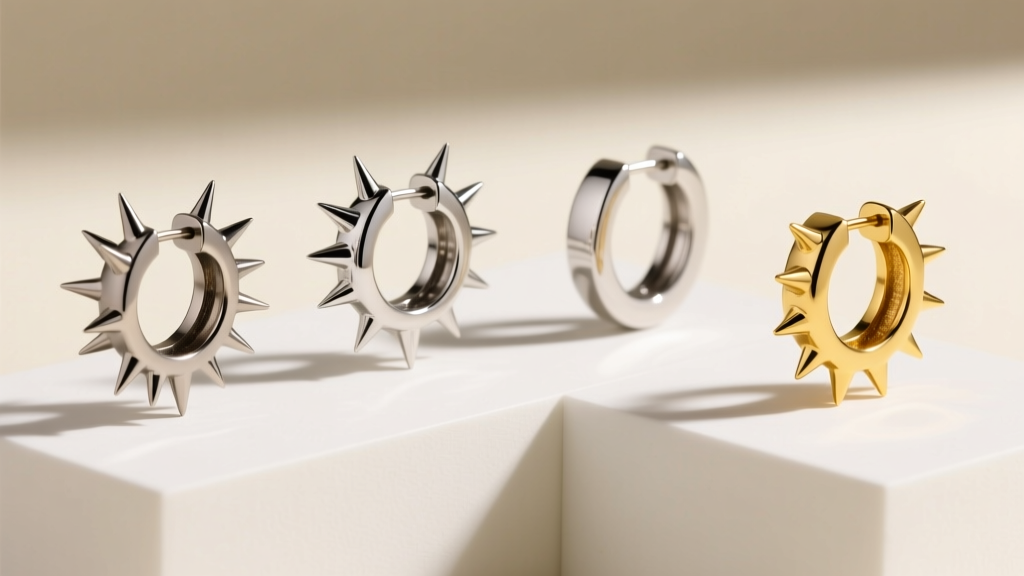
Why Did Pirates Wear Earrings? The Modern Nautical Buying Guide
Discover why did pirates wear earrings and how to buy authentic nautical-inspired hoops, ship wheels, and anchor studs with our expert guide.
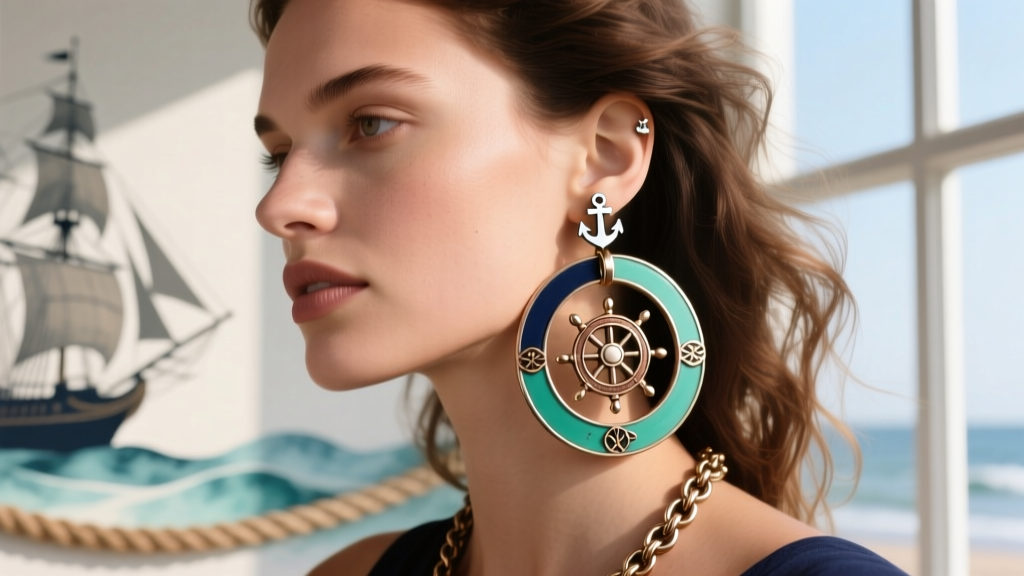
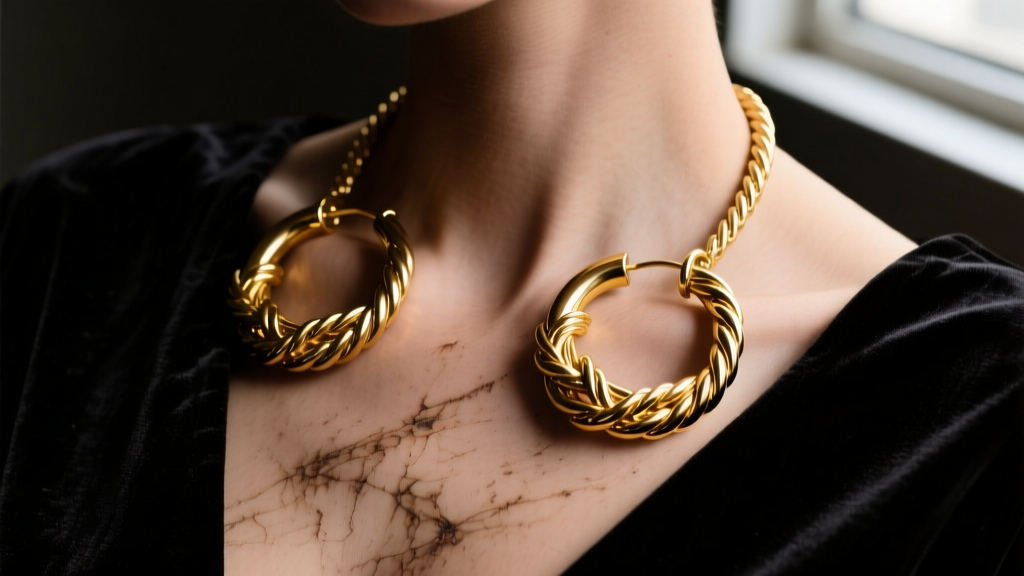
The imagery of the swashbuckling buccaneer is permanently etched into popular culture, complete with tricorn hats, cutlasses, and gleaming gold jewelry. But beyond the Hollywood caricatures, there is a rich, complex history tied to maritime adornment. When researching naval history, many enthusiasts and jewelry collectors ask: why did pirates wear earrings? The answers bridge the gap between practical survival, maritime superstition, and modern style. Today, nautical and pirate-inspired earrings—ranging from heavy gold hoops to intricate ship wheel cuffs—are a staple in alternative and vintage jewelry markets. This comprehensive buying guide will explore the historical lore before diving deep into the metallurgy, gauge sizing, and structural details you need to know when purchasing high-quality nautical ear jewelry in 2026.
The Legend and the Lore: Why Did Pirates Wear Earrings?
Before evaluating modern craftsmanship, it is essential to understand the historical motivations behind pirate ear piercings. According to maritime historians, the reasons were a blend of pragmatism and superstition. First, a gold or silver earring served as a form of portable wealth and funeral insurance. If a sailor washed ashore after a shipwreck or naval battle, the precious metal earring was intended to pay the finder for a proper Christian burial. Second, many sailors believed that piercing the earlobe stimulated an acupressure point that improved long-distance eyesight—a crucial skill for spotting land or enemy ships on the horizon. Finally, earning an earring was often a rite of passage, marking a sailor's first successful crossing of the equator or surviving a treacherous journey around Cape Horn. For a deeper dive into these maritime traditions, resources like History.com and Britannica's archives on piracy offer excellent historical context.
Translating Pirate Lore into Modern Ear Jewelry
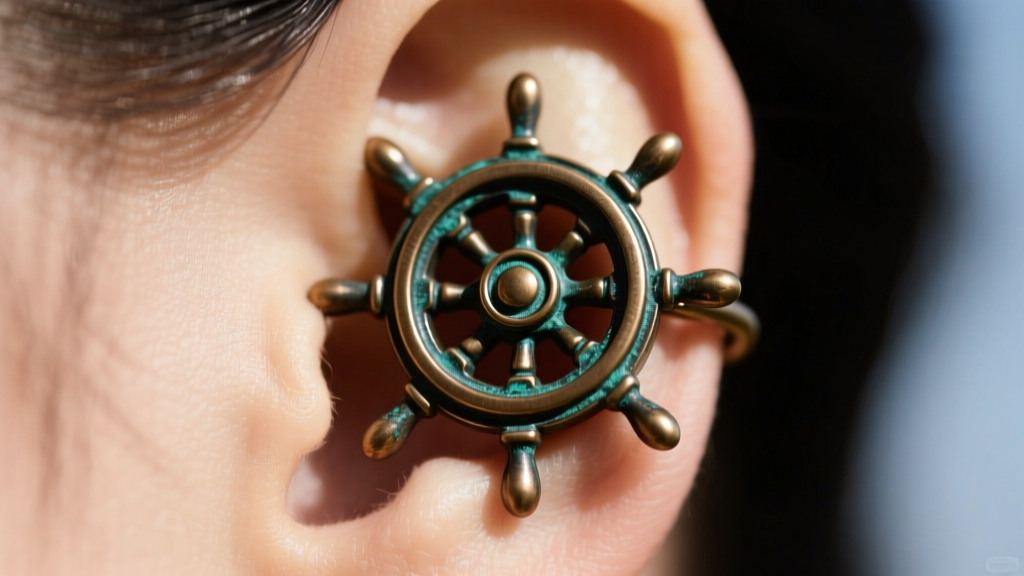
Modern nautical jewelry takes these historical touchstones and refines them for contemporary wear. When shopping for pirate-style earrings, you are generally looking at three main categories: the classic continuous hoop, the nautical motif stud (anchors, skulls, compasses), and the cartilage-hugging ship wheel or cuff. The key to buying authentic, long-lasting pieces lies in looking past the 'costume' aesthetic and evaluating the jewelry through the lens of marine-grade materials and structural integrity.
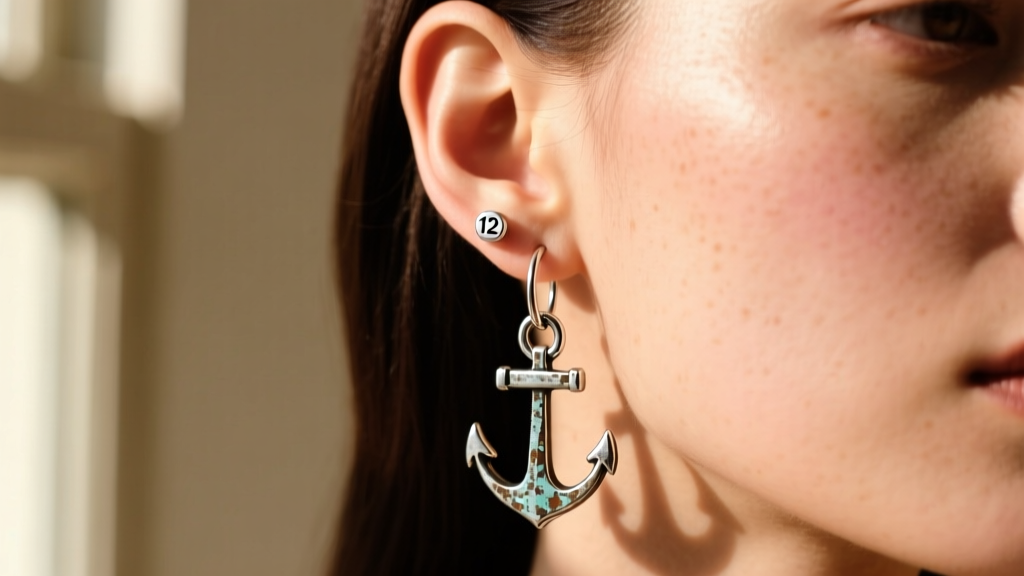
Material Grades: What to Look For in Nautical Earrings
The ocean is an unforgiving environment, and even if you are not actively sailing, sweat, humidity, and salt air can rapidly degrade inferior metals. When buying nautical earrings, the metal grade dictates both the longevity of the piece and your skin's reaction to it. Below is a breakdown of the most common materials used in pirate-inspired jewelry.
| Material | Grade/Standard | Pros | Cons & Failure Modes |
|---|---|---|---|
| Stainless Steel | 316L (Marine Grade) | Highly resistant to rust and tarnish; affordable; hypoallergenic. | Can be heavy; avoid 304 grade which pits in high-salt environments. |
| Yellow Gold | 14k or 18k Solid | Historically accurate; retains value; excellent biocompatibility. | High price point; 24k is too soft for heavy hoops and will warp. |
| Sterling Silver | 925 Sterling | Beautiful oxidized finishes for vintage looks; easy to polish. | Tarnishes quickly in humid/salty air; requires frequent maintenance. |
| Bronze/Brass | CuSn8 (Phosphor Bronze) | Authentic historical patina; excellent weight and drape. | Contains copper; reacts with sweat to create verdigris (green skin). |
Expert Buying Tip: If you love the historical look of bronze but want to avoid the green skin discoloration (verdigris), look for bronze earrings that feature a PVD (Physical Vapor Deposition) coating or an internal lining of surgical steel where the post or wire contacts the skin.
Sizing, Gauges, and Weight Distribution
One of the most common mistakes buyers make when purchasing heavy, pirate-style hoop earrings is ignoring the wire gauge. The 'pirate hoop' is traditionally thick, heavy, and large in diameter (often 40mm to 60mm). If a heavy solid brass or gold hoop is manufactured with a standard 20-gauge (0.8mm) wire, the sheer weight of the metal will slowly slice through the earlobe over time, a painful failure mode known as 'cheese-cutter syndrome.'
- Standard Lobes (18g - 20g): Only suitable for lightweight, hollow-tube hoops or small nautical studs (under 15mm).
- Heavy Hoops (14g - 12g): For solid metal hoops ranging from 30mm to 50mm, insist on a 14-gauge (1.6mm) or 12-gauge (2.0mm) wire. This distributes the weight safely across the lobe.
- Stretched Lobes (8g to 00g): Many modern enthusiasts embrace the buccaneer aesthetic by stretching their lobes to accommodate heavy, thick-gauge nautical plugs and heavy-gauge continuous rings.
Always check the product specifications for the exact post or wire thickness before purchasing heavy statement pieces.
Motif Guide: Anchors, Wheels, and Skulls
When selecting nautical charms and motifs, casting quality is paramount. Cheap, mass-market pirate earrings often use hollow-cast or thin-stamped metal for charms like ship wheels, anchors, and Jolly Rogers. These hollow pieces dent easily and trap moisture inside, leading to hidden corrosion. What to look for: Seek out 'solid cast' or 'lost-wax cast' charms. A solid cast anchor stud will have a satisfying weight, crisp edges on the flukes, and no visible seams where the mold was joined. For ship wheel ear cuffs, look for CNC-machined or hand-carved wax models that ensure the spokes are perfectly symmetrical and structurally sound enough to withstand the tension of being snapped onto the cartilage.
Pricing Tiers and Brand Expectations
Navigating the market for nautical and historical reproduction jewelry requires understanding what you should expect to pay in the current landscape.
- Budget / Costume ($15 - $40): Typically made from zinc alloys or brass with a thin gold or silver plating. Expect the plating to wear off within months of daily wear, exposing the base metal to oxidation.
- Mid-Tier / Artisan ($60 - $180): The sweet spot for durability. Look for independent jewelers working with solid 925 sterling silver, marine-grade 316L stainless steel, or solid bronze. Pieces in this range will feature secure soldering on hoop hinges and high-quality oxidation for vintage detailing.
- Fine / Heirloom ($300 - $1,500+): Solid 14k or 18k gold continuous hoops and custom-cast nautical motifs. These are investment pieces that will not tarnish, can be worn in the ocean without damage, and can be passed down as genuine family heirlooms.
Care and Maintenance for Maritime Metals
To keep your nautical earrings looking shipshape, proper maintenance is required, especially for silver and bronze. Sterling silver should be stored in anti-tarnish cloth pouches when not in use, and polished gently with a microfiber cloth rather than harsh chemical dips, which can strip away the intentional dark oxidation in the crevices of an anchor or skull motif. Bronze and brass pieces can be polished with a simple paste of lemon juice and baking soda if you prefer a bright, shiny finish, or left alone to develop a rich, dark, historical patina that mimics the artifacts pulled from actual shipwrecks. By understanding the history and the metallurgy behind these pieces, you can curate a collection that honors the golden age of sail while standing up to the rigors of modern daily wear.