How to Clean and Care for Your Jenny Bird Earrings
Discover expert care, cleaning, and storage tips for your Jenny Bird earrings. Protect gold plating, sterling silver, and sculptural shapes.

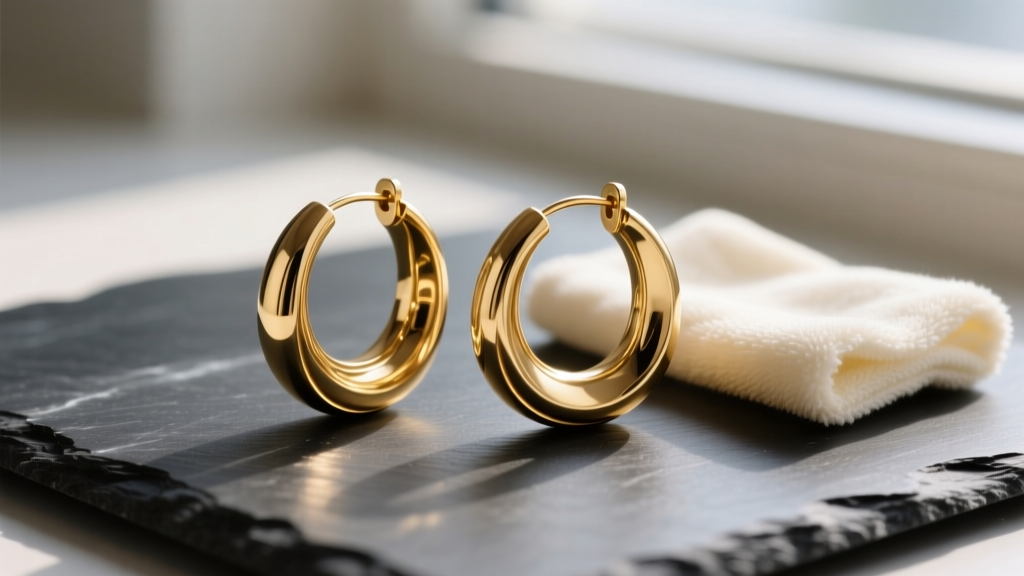
Jenny Bird has fundamentally shifted the landscape of contemporary jewelry, offering sculptural, architectural, and bold designs that feel both modern and timeless. Whether you are wearing the iconic Doune hoops, the minimalist Arc drops, or the textured Puff earrings, these pieces are investment staples in any curated wardrobe. However, the very materials and finishes that give Jenny Bird earrings their distinctive high-polish or brushed-metal aesthetics require specific, informed maintenance to preserve their luster over time.
Unlike solid 14k or 18k gold pieces, much of the brand's core collection utilizes high-quality plating over brass bases, alongside sterling silver and occasional freshwater pearl accents. This material composition means that generic jewelry cleaning hacks—like baking soda pastes or ultrasonic baths—can actually cause irreversible damage to your favorite pairs. In this comprehensive 2026 care guide, we break down the exact metallurgical realities of your earrings and provide a meticulous, step-by-step framework for cleaning, troubleshooting, and storing them.
The Material Reality: What Your Earrings Are Actually Made Of
To properly care for your jewelry, you must first understand its core anatomy. Jenny Bird primarily utilizes a few specific material categories across their earring lines, each with distinct vulnerabilities:
- Gold and Silver-Plated Brass: Brass is an alloy of copper and zinc, chosen for its excellent weight, durability, and ability to hold complex sculptural shapes (like the chunky Doune hoop). The brass core is then electroplated with a layer of gold or silver. While high-quality fashion jewelry uses a thicker micron layer than fast-fashion alternatives, the plating is still a surface treatment that can wear down if exposed to friction, acids, or harsh chemicals.
- Sterling Silver: Some pieces are crafted from solid 925 sterling silver. While more resilient than plated brass, sterling silver contains 7.5% copper, which naturally reacts with sulfur in the air and moisture to create tarnish (silver sulfide).
- Freshwater Pearls and Cubic Zirconia: Certain seasonal or signature drops incorporate organic gems or synthetic stones. Pearls are exceptionally porous and rank very low on the Mohs hardness scale, making them highly susceptible to chemical etching from perfumes and acids.
The Daily Wear Protocol: Prevention Over Cure
The most effective cleaning method is preventing the need for deep cleaning in the first place. The natural pH of your skin, combined with environmental factors, creates a microscopic layer of grime that accelerates tarnishing and degrades plating.
The 'Last On, First Off' Rule
Always put your Jenny Bird earrings on after applying skincare, makeup, perfume, and hairspray. Aerosolized chemicals and alcohol-based fragrances can instantly dull the high-polish finish of gold-plated brass and degrade the nacre of any pearl accents. Conversely, they should be the first thing you remove when you get home.
Environmental Hazards to Avoid
Never wear plated brass earrings in the shower, swimming pool, or ocean. Chlorine is highly reactive and will rapidly strip gold plating, while saltwater can cause pitting in the brass core if it reaches any microscopic fissures. Furthermore, the sulfur compounds present in hot springs will instantly turn sterling silver black.
Step-by-Step Cleaning Guide by Material Type
When your earrings lose their shine due to natural skin oils and environmental dust, it is time for a gentle intervention. Below is a comparative framework detailing the exact cleaning protocols based on your earring's material composition.
| Material Type | Safe Cleaning Agent | Recommended Tool | Strictly Avoid |
|---|---|---|---|
| Gold/Silver Plated Brass | Lukewarm water + 1 drop mild dish soap (e.g., Dawn) | Ultra-soft microfiber cloth, baby hairbrush for crevices | Ultrasonic cleaners, baking soda, toothpaste, silver dip |
| Solid Sterling Silver | Dedicated silver polish or mild soap | Impregnated silver polishing cloth (e.g., Sunshine cloth) | Bleach, ammonia, stiff-bristled brushes |
| Pearl Accents | Damp cloth only (no submersion) | Lint-free cotton pad | Any liquid soaps, ultrasonic, steamers, vinegar |
The Safe Wash Method for Plated Brass
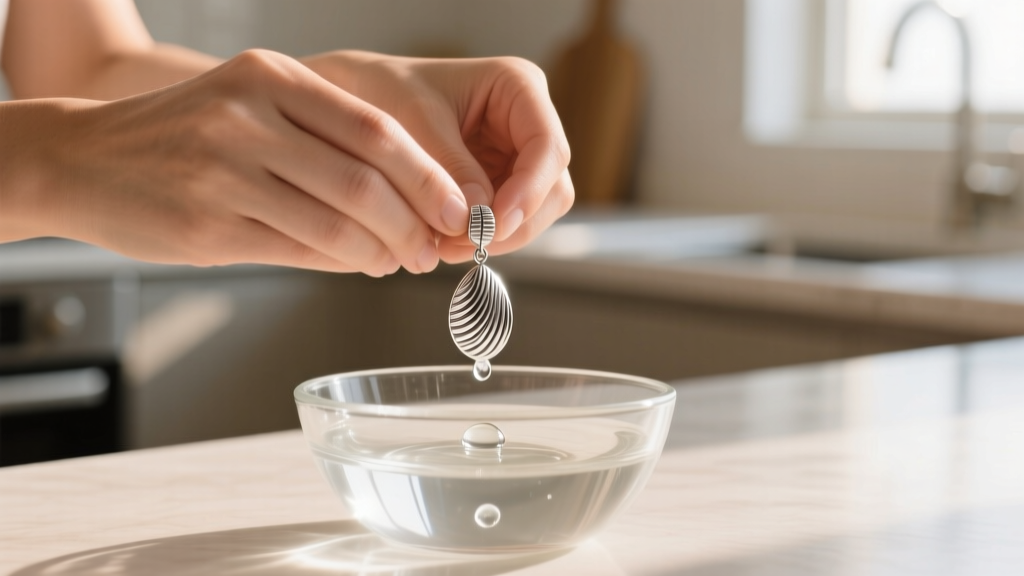
- Mix a few drops of mild, phosphate-free dish soap into a bowl of lukewarm (never hot) water.
- Dip a soft microfiber cloth into the solution, wringing it out until it is only slightly damp.
- Gently wipe the surface of the earring, following the grain if it is a brushed finish, or using circular motions for high-polish pieces.
- For intricate textures or hinges (like the clasp mechanism on a hoop), use a clean, dry baby hairbrush to gently dislodge trapped sebum and dust.
- Immediately dry the piece completely with a separate, dry microfiber cloth. Air-drying can leave water spots that etch into the plating over time.
Note: According to the Gemological Institute of America (GIA), organic gems like pearls require vastly different care. If your Jenny Bird earrings feature pearls, never submerge them. Simply wipe them with a damp cloth after wearing to remove body oils, as advised by the GIA's general gem care guidelines.
Troubleshooting Common Jenny Bird Earring Issues
Even with meticulous care, you may encounter specific issues related to the wearability and longevity of fashion and demi-fine jewelry. Here is how to address them using expert-level troubleshooting.
The 'Green Skin' Reaction
If you notice a green or black smudge on your earlobe after wearing brass-based earrings, do not panic—this is not an allergic reaction, nor does it mean the jewelry is 'fake.' It is a simple chemical reaction. The copper in the brass alloy reacts with the lactic acid and salts in your sweat to create copper chloride, which is green. The Fix: Wipe the earring posts and the backs of the hoops with rubbing alcohol after every wear to remove acidic buildup. If you have highly acidic skin, apply a micro-thin layer of clear nail polish to the earring posts and the parts of the hoop that touch your skin to create an invisible barrier.
Dullness and Micro-Scratches
Over time, high-polish gold plating may develop micro-scratches from being tossed into bags or resting against other metals. The Fix: Never use abrasive polishing compounds or jeweler's rouge on plated items; you will polish the gold right off the brass core. Instead, use a specialized, non-abrasive gold polishing cloth designed specifically for plated jewelry to restore shine without removing material.
Stiff Hinges and Clutches
Sculptural hoops like the Doune or Puff rely on precision hinges and tension closures. If a hinge becomes stiff, do not force it, as this can snap the solder joint. The Fix: Apply a microscopic drop of mineral oil (not WD-40, which contains harsh solvents) to the hinge pin using a toothpick. Open and close the earring gently to work the oil in, then wipe away any excess.
Long-Term Storage Solutions for Sculptural Shapes
Jenny Bird's designs are celebrated for their volume and architectural silhouettes. However, these same sculptural qualities make them prone to tangling, crushing, and scratching if stored improperly. Tossing a pair of chunky hoops into a communal jewelry box is a recipe for micro-abrasions that will dull the finish.
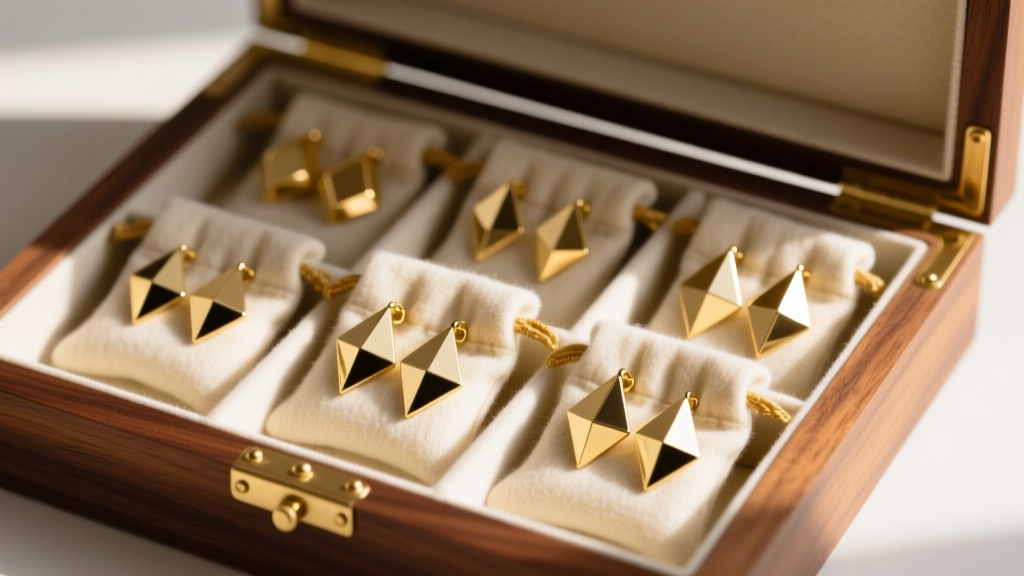
- Individual Pouches: Always store your earrings in the individual anti-tarnish flannel pouches they came in. These pouches are treated with compounds that absorb sulfur and moisture from the air, drastically slowing down the oxidation process.
- Compartmentalized Storage: If you use a jewelry box, ensure each pair has its own dedicated, fabric-lined compartment. Heavy sculptural pieces should lay flat rather than hanging, as the weight of the earring can slowly bend the post or stress the solder point where the post meets the decorative face.
- Silica Gel Packs: If you live in a high-humidity environment, place a small, jewelry-safe silica gel desiccant pack inside your storage drawers or boxes to control ambient moisture, which is the primary catalyst for sterling silver tarnish and brass oxidation.
Expert Takeaway: Caring for demi-fine and plated jewelry is about consistency, not intensity. A gentle wipe-down with a dry microfiber cloth at the end of every single day takes less than ten seconds and will extend the pristine lifespan of your Jenny Bird earrings by years, preserving their sculptural beauty for every outfit you pair them with.


