How to Wash Diamond Earrings: The Safe Beginner Guide
Learn how to wash diamond earrings safely at home. Our beginner-friendly guide covers cleaning solutions, tools, and setting protection for brilliant sparkle.

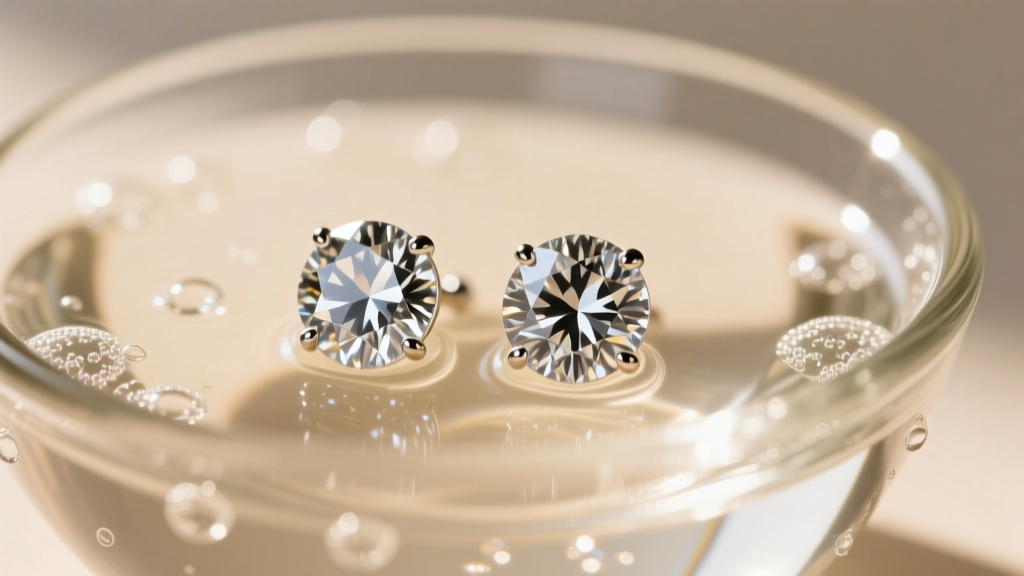
There is nothing quite like the unmistakable fire and brilliance of a freshly cleaned diamond. However, if you have been wearing your favorite diamond studs or drops daily, you have likely noticed them gradually losing their luster. Understanding how to wash diamond earrings properly is a fundamental skill for any jewelry owner. While diamonds are the hardest natural material on earth, the delicate metal settings and the optical physics of the stone require a specific, gentle approach to cleaning. In this beginner-friendly explainer, we will break down the science of diamond grime, the tools you need, and the exact step-by-step protocol to restore your earrings to their original showroom brilliance without risking damage to your precious metals or prongs.
The Science of Dull Diamonds: Why Sparkle Fades
Before diving into the cleaning process, it is crucial to understand why your earrings get dirty in the first place. Diamonds are naturally oleophilic (oil-attracting) and hydrophobic (water-repelling). This means that every time you touch your face, apply moisturizer, or simply go about your day, microscopic layers of sebum, lotion, and cosmetic residue cling directly to the surface of the diamond.
A diamond's brilliance relies on light entering through the crown (top), bouncing off the precisely angled pavilion facets (bottom), and reflecting back to your eye. When a film of oil or hard water soap scum coats the pavilion, it alters the refractive index at the surface boundary. Instead of reflecting light back, the diamond allows light to leak out of the bottom, resulting in a flat, dull, or 'cloudy' appearance. According to the Gemological Institute of America (GIA), regular removal of this oily film is the single most important factor in maintaining a diamond's optical performance.
The 'Never Use' List: Avoiding Catastrophic Damage
When learning how to wash diamond earrings, knowing what not to use is just as critical as knowing the right method. Many common household cleaners can cause irreversible damage to the precious metal settings or secondary gemstones.
- Chlorine and Bleach: Never use bleach or wear your earrings in a chlorinated pool. Chlorine chemically reacts with the alloy metals (like copper and zinc) used in 14k and 18k gold. Over time, this causes microscopic stress fractures, leading to prong failure and lost diamonds.
- Toothpaste and Baking Soda: While these are popular DIY internet hacks, they are highly abrasive. On the Mohs scale of hardness, toothpaste abrasives can easily scratch gold and platinum settings, leaving them dull and porous.
- Boiling Water: While a pure diamond can withstand high heat, thermal shock can shatter fracture-filled diamonds or severely damage secondary accent stones (like emeralds, opals, or treated sapphires) often found in drop earring designs.
- Hard Bristle Brushes: Stiff toothbrushes or wire brushes can bend delicate prongs and scratch the polished finish of your metal settings.
Step-by-Step: How to Wash Diamond Earrings Safely
To achieve a professional-level clean at home, you only need a few simple, inexpensive tools. Follow this exact protocol for safe, effective results.
Step 1: Secure the Environment
Before you begin, never wash earrings directly over an open sink drain. Place a rubber sink strainer over the drain, or better yet, use a small glass or ceramic bowl placed on a towel-lined countertop. This ensures that if a backing slips off or a stone becomes dislodged, it is safely contained.
Step 2: The Ideal Soaking Solution
Fill your bowl with lukewarm water and add a few drops of a mild, lotion-free dish soap. Dawn Ultra (the original blue formula) is widely recommended by jewelers because it contains strong degreasing agents without added moisturizers or harsh dyes. Submerge your diamond earrings and let them soak for 20 to 30 minutes. This crucial step emulsifies the hardened sebum and lotion trapped beneath the setting, loosening it for safe removal.
Step 3: The Gentle Agitation Phase
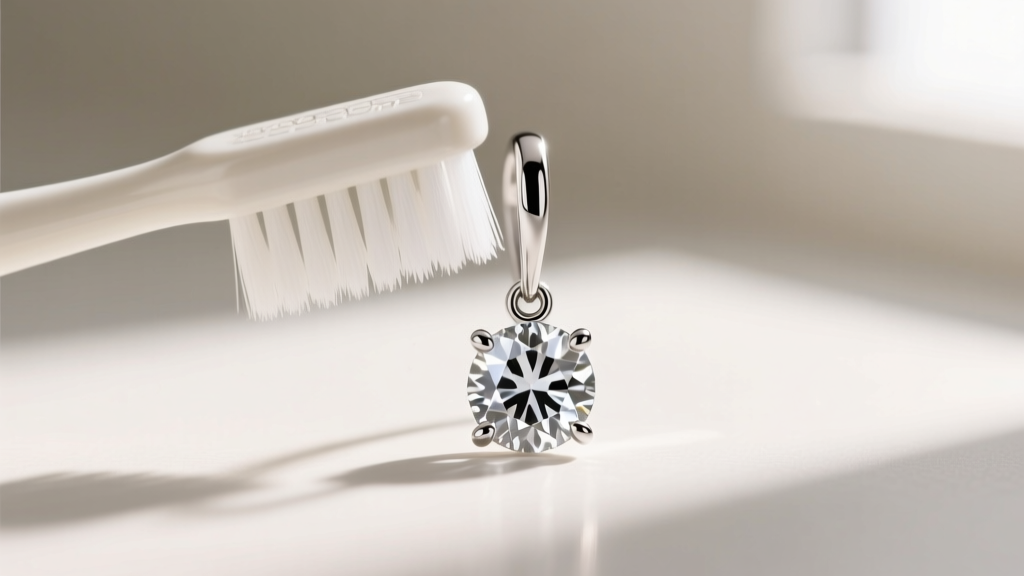
Remove the earrings from the soak. Using an extra-soft baby toothbrush or a dedicated jewelry brush with soft nylon bristles, gently brush the diamond. Pay special attention to the pavilion (the underside of the diamond) and the culet (the bottom point), as this is where the heaviest concentration of oil and dead skin cells accumulate. Brush in gentle, circular motions, moving from the center of the stone outward toward the prongs. Never use aggressive back-and-forth scrubbing, which can snag and bend the prongs.
Step 4: The Rinse and Dry Protocol
Rinse the earrings thoroughly under lukewarm running water. If you live in an area with hard water, consider doing a final rinse with distilled water to prevent microscopic calcium deposits from drying on the stone and creating a cloudy film. Finally, pat the earrings dry with a clean, lint-free microfiber cloth. Avoid paper towels or tissues, as the wood fibers can scratch soft metals and leave behind lint that clings to the prongs.
Cleaning Solutions Compared: DIY vs. Commercial
Not all cleaning methods are created equal. Here is a breakdown of the most common solutions used to wash diamond earrings, evaluated for safety and effectiveness.
| Cleaning Solution | Pros | Cons | Best Used For |
|---|---|---|---|
| Mild Dish Soap & Water | Safe for all metals and stones; highly effective degreaser. | Requires manual brushing; takes 20+ minutes. | Routine weekly cleaning of all diamond earrings. |
| Commercial Jewelry Dips | Fast acting; requires no scrubbing. | Harsh chemicals can strip rhodium plating; toxic fumes. | Occasional deep cleaning of sturdy platinum settings only. |
| Isopropyl Alcohol (90%+) | Evaporates quickly; excellent for removing hairspray. | Can dry out certain treated stones; flammable. | Quick sanitization and degreasing of diamond studs. |
| Ultrasonic Cleaners | Removes dirt from microscopic crevices effortlessly. | Vibrations can shake loose stones out of worn prongs. | Sturdy settings with high clarity (non-fractured) diamonds. |
Navigating Different Metals and Settings
When figuring out how to wash diamond earrings, you must account for the specific metal and setting style of your jewelry, as these dictate the level of care required.
White Gold and Rhodium Plating
Most white gold earrings are plated with a microscopic layer of rhodium to give them a bright, silvery-white finish. Frequent use of harsh commercial dips, ultrasonic cleaners, or abrasive polishing cloths will strip this plating prematurely, causing the earrings to look yellowish. Stick strictly to the mild soap and water method, and avoid rubbing the metal aggressively with cloths.
Platinum and Patina
Platinum is incredibly durable and hypoallergenic, making it an excellent choice for sensitive earlobes. However, platinum develops a natural 'patina' (a satin-like finish caused by microscopic scratches) over time. Washing your earrings will remove dirt and restore sparkle, but it will not remove the patina. Only a professional jeweler can re-polish platinum to a mirror finish.
Prong vs. Bezel Settings
Prong settings elevate the diamond, allowing maximum light entry but also creating small gaps where dirt hides. Bezel settings, where a rim of metal completely surrounds the diamond's girdle, are sleeker and trap less debris. However, the inner lip of a bezel can accumulate a stubborn ring of lotion. When washing bezel-set earrings, angle your soft brush vertically to sweep debris out from under the metal rim.
Troubleshooting: Why Are My Diamonds Still Cloudy?
If you have followed the washing protocol and your diamond earrings still appear cloudy, consider the following culprits:
- Hard Water Scale: If you rinsed with tap water, calcium carbonate may have dried on the stone. Soak the earrings in a 50/50 mix of distilled water and white vinegar for 10 minutes, then rinse with distilled water. (Note: Only do this if the setting is platinum or high-karat gold; avoid vinegar on porous accent stones like pearls).
- Internal Inclusions: If the diamond has a lower clarity grade (such as I1 or I2), the 'cloudiness' may actually be internal carbon inclusions or feather fractures that are naturally part of the stone's anatomy. No amount of surface washing will alter internal clarity.
- Loose Stones: If the diamond rattles or looks slightly tilted, dirt may be trapped under a lifted prong. Stop washing immediately and take the earrings to a professional.
Maintenance Schedule and Professional Care
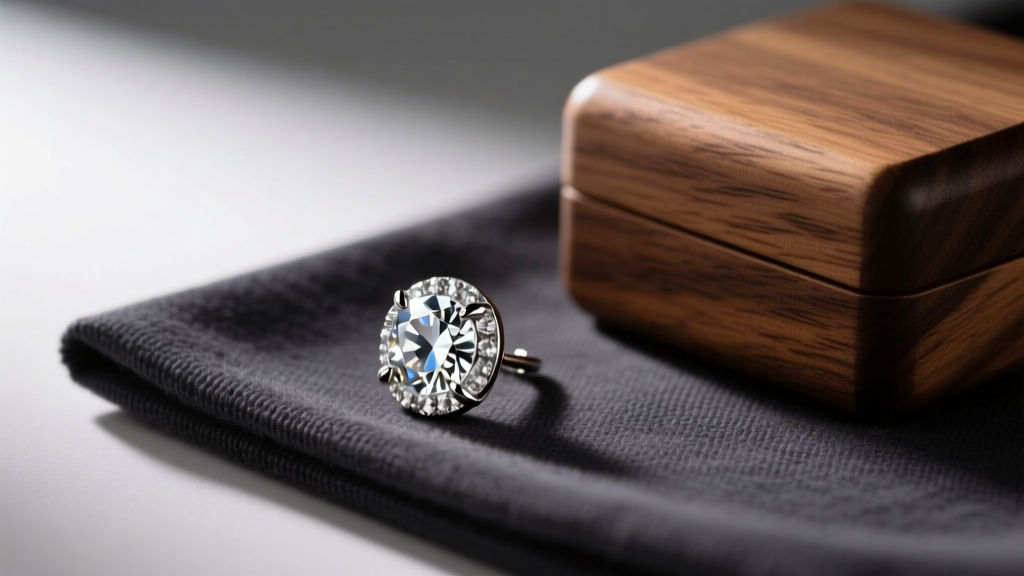
To keep your earrings sparkling year-round, establish a consistent maintenance routine. The American Gem Society (AGS) recommends a light cleaning at home once a week for daily-wear studs. For heavy drop earrings worn occasionally, a thorough wash before and after wearing is sufficient.
Finally, no home washing routine replaces professional care. Once a year, bring your diamond earrings to a certified jeweler. They will use professional steam cleaners to blast away microscopic debris and, more importantly, inspect the prongs under a jeweler's loupe to ensure the metal has not worn thin. Catching a worn prong early is the difference between a simple, inexpensive retipping service and the devastating loss of a precious diamond.


