How to Clean and Maintain Earrings for Graduation Day
Learn expert cleaning, prep, and maintenance tips for earrings for graduation day. Protect pearls, diamonds, and gold from hairspray and sweat.

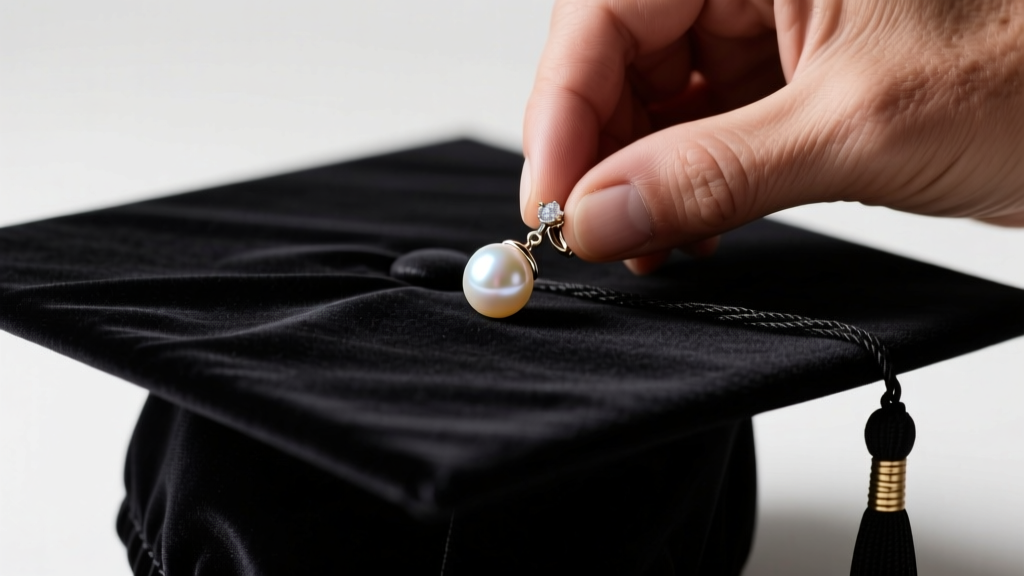
Graduation day is a milestone event, and the jewelry you wear often carries deep sentimental weight. Whether you are wearing heirloom diamond studs, newly gifted freshwater pearls, or modern lab-grown gemstone drops, knowing how to properly prep and protect your jewelry is essential. In 2026, the most popular earrings for graduation range from classic Akoya pearls to minimalist 14k gold huggies. However, the chaotic environment of graduation morning—filled with aerosol hairsprays, heavy polyester caps, and nervous sweat—can wreak havoc on delicate metals and porous gems.
This comprehensive care guide will walk you through the exact protocols for cleaning, wearing, and storing your graduation jewelry, ensuring they look brilliant in your professional portraits and remain pristine for decades to come.
The Pre-Graduation Polish: Timing Your Deep Clean
The biggest mistake graduates make is cleaning their jewelry the morning of the ceremony. A deep clean should be performed 48 to 72 hours before graduation day. This window allows you to thoroughly inspect the structural integrity of the earrings, ensure all settings are completely dry, and address any necessary repairs without the stress of a ticking clock.
The Prong and Post Inspection
Before applying any liquid cleaners, perform a tactile and visual inspection. Most graduation studs feature standard 20-gauge (0.81mm) or 18-gauge (1.02mm) posts. Gently run your fingernail over the prongs or bezels. If you feel a snag, a prong is lifted and requires professional burnishing. For friction-back earrings, ensure the metal notch on the post is deep enough to hold the backing securely; if the post is worn smooth, a jeweler can re-notch it in minutes. For heavy drop earrings, check the jump rings connecting the drop to the stud hook for any signs of metal fatigue or gaps.
Material-Specific Cleaning Protocols
Different materials require vastly different chemical environments. Using the wrong cleaner can permanently etch a gemstone or strip a vital plating layer.
Pearls and Organic Gems (The Classic Graduation Gift)
Pearls remain the undisputed champion of graduation jewelry. However, nacre is highly porous and exceptionally sensitive to acids and alcohols. Never use commercial jewelry dips, ultrasonic cleaners, or ammonia-based solutions on pearls.
- The Wipe-Down Method: Dampen a lint-free microfiber cloth with distilled water. Gently wipe each pearl to remove surface oils.
- Stubborn Grime: If the pearls are heavily soiled, use a single drop of pH-neutral baby shampoo in a cup of distilled water. Dip the cloth (not the pearls) into the solution, wring it out until barely damp, and wipe the nacre.
- Drying: Lay the pearls flat on a dry towel. Never hang a pearl necklace or heavy pearl drops to dry, as the moisture can stretch the silk thread or degrade the adhesive in the pearl cup.
For more detailed organic gem care, refer to the Gemological Institute of America (GIA) guidelines on nacre preservation.
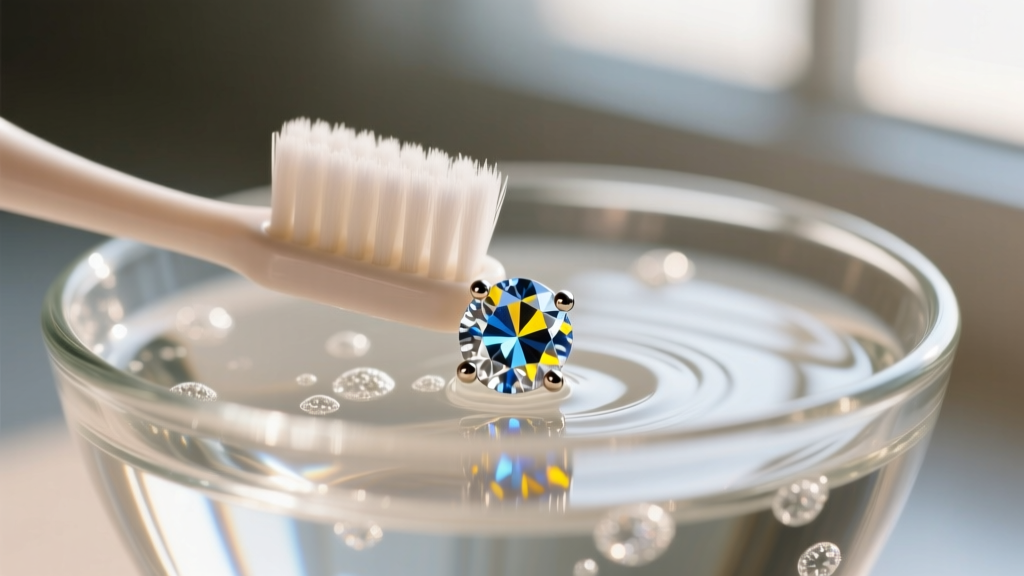
Diamonds, Moissanite, and Sapphire Studs
Diamonds are hydrophobic, meaning they naturally attract and hold onto grease, sebum, and lotions. A diamond that looks cloudy isn't dirty; it's coated in microscopic oils that disrupt light refraction.
- Fill a small glass bowl with warm distilled water and three drops of mild, ammonia-free dish soap (like original Dawn).
- Let the earrings soak for 15 minutes to loosen the lipid bonds.
- Using a brand-new, ultra-soft baby toothbrush, gently scrub the pavilion (the underside of the stone) where the majority of sebum accumulates.
- Rinse under a gentle stream of lukewarm distilled water, ensuring the drain is securely plugged.
- Dry with a blast of compressed air or a lint-free jeweler's cloth.
High-Karat Gold and Platinum Hoops
For solid 14k or 18k gold hoops, a simple polish with a treated jeweler's cloth is usually sufficient. However, if you are wearing gold vermeil (a thick layer of gold over sterling silver) or rhodium-plated white gold, avoid aggressive rubbing. Polishing cloths contain mild abrasives that can wear through thin plating layers over time. Instead, use a chemical soak designed specifically for plated jewelry, followed by a gentle rinse.
The Ultrasonic Debate: What Can Take the Vibration?
Ultrasonic cleaners use high-frequency sound waves (typically 40-45 kHz) to create microscopic cavitation bubbles in a liquid solution. When these bubbles collapse against the jewelry, they blast away microscopic debris. While miraculous for some metals, they are destructive to others.
| Material / Gemstone | Ultrasonic Safe? | Risk Factor & Failure Mode |
|---|---|---|
| Diamonds (Fracture-free) | Yes | Safe; ensures brilliant light return. |
| Sapphires & Rubies | Yes | Safe unless heavily included or fracture-filled. |
| Pearls & Coral | NO | Vibrations will shatter the nacre or detach the pearl from its post. |
| Emeralds | NO | Strips the cedar oil used to fill natural surface-reaching fissures. |
| Opals & Moonstones | NO | Causes internal crazing and structural cracking. |
Always consult the American Gem Society (AGS) if you are unsure about the structural integrity or treatment history of your specific gemstones before placing them in an ultrasonic bath.
Day-Of Wear: Navigating Hairspray and Sweat
The environment of a graduation ceremony is surprisingly hostile to fine jewelry. Understanding the chemistry of your prep routine will save your earrings from permanent dulling.
The Polymer Hazard of Setting Sprays
Modern hairsprays and makeup setting sprays rely on PVP/VA copolymers to lock styles in place. If you spray these products while wearing your earrings, the polymers will coat the facets of your diamonds or the surface of your pearls, creating a milky, irreversible film that requires professional steaming to remove. The Golden Rule: Earrings must be the absolute last thing you put on, and the first thing you take off.
Managing Sweat Under the Cap
Graduation gowns and mortarboard caps are typically made of unbreathable polyester. Human sweat has a pH ranging from 4.5 to 6.0. When trapped against the earlobe in a hot, crowded stadium, this mild acidity rapidly accelerates the oxidation of sterling silver and can cause skin discoloration or contact dermatitis. If you are prone to sweating, wipe your earlobes with a cool, damp cloth immediately after the ceremony and dry them thoroughly before re-inserting your earrings for the post-graduation dinner.
Troubleshooting Graduation Day Emergencies
Even with perfect preparation, the chaos of graduation day can lead to jewelry mishaps. Here is how to handle the most common emergencies:
- Lost Friction Backing: If you lose a push-back earring clutch, do not use a pencil eraser as a temporary stopper (the graphite and rubber will degrade and soil the post). Instead, use a small piece of medical tape folded over the post to secure the earring until you can purchase a replacement.
- Bent Post: If a 20-gauge post bends while adjusting a tight graduation cap, do not repeatedly bend it back and forth, as this will cause work-hardening and snap the metal. Apply steady, single-direction pressure using nylon-jaw pliers, or visit a local jeweler for a quick, often complimentary, straightening.
- Clasp Snagging on the Gown: Huggies and hoop earrings frequently catch on the synthetic mesh lining of graduation stoles. If a hinge snaps shut on the fabric, do not yank it. Carefully use a pair of tweezers to tease the fabric fibers out of the clasp mechanism.
Post-Ceremony Storage and Archiving
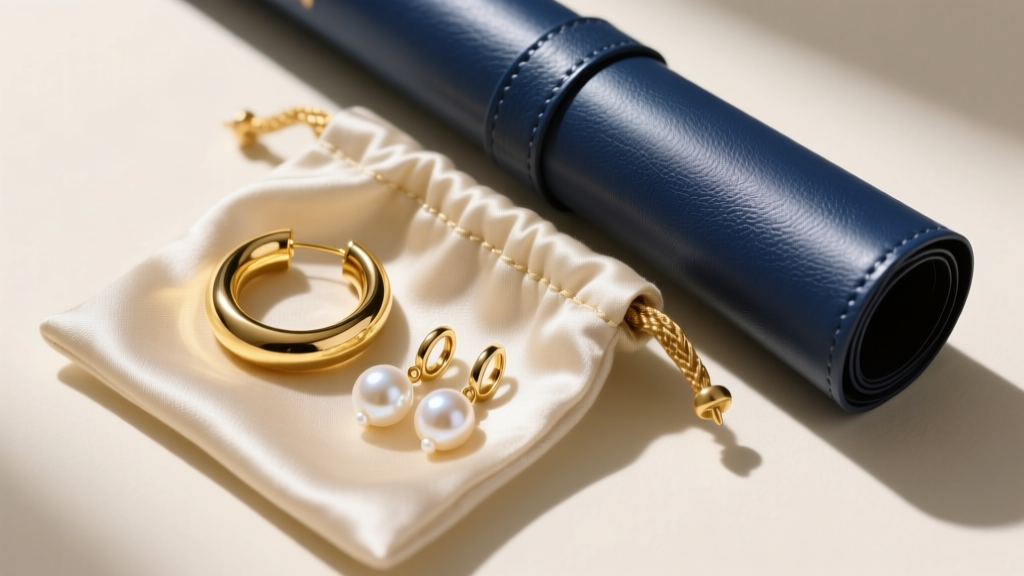
Once the celebrations have ended, your graduation earrings need to be transitioned from active wear to long-term storage. The cardboard boxes provided by most jewelry retailers are not archival; the glues and acids in the cardboard can off-gas and tarnish silver or degrade pearl luster over time.
Invest in individual anti-tarnish flannel pouches treated with silver nitrate or activated charcoal. For pearl earrings, store them in a soft silk pouch with a slightly damp (not wet) cotton ball to maintain ambient humidity, preventing the nacre from cracking in dry, climate-controlled environments. By following these meticulous care protocols, your graduation earrings will remain a flawless, brilliant reminder of your academic achievement for a lifetime.


