How to Clean, Maintain, and Style Silver Diamond Dangle Earrings
Learn how to properly clean, troubleshoot, and style silver diamond dangle earrings with our expert step-by-step maintenance and care guide.

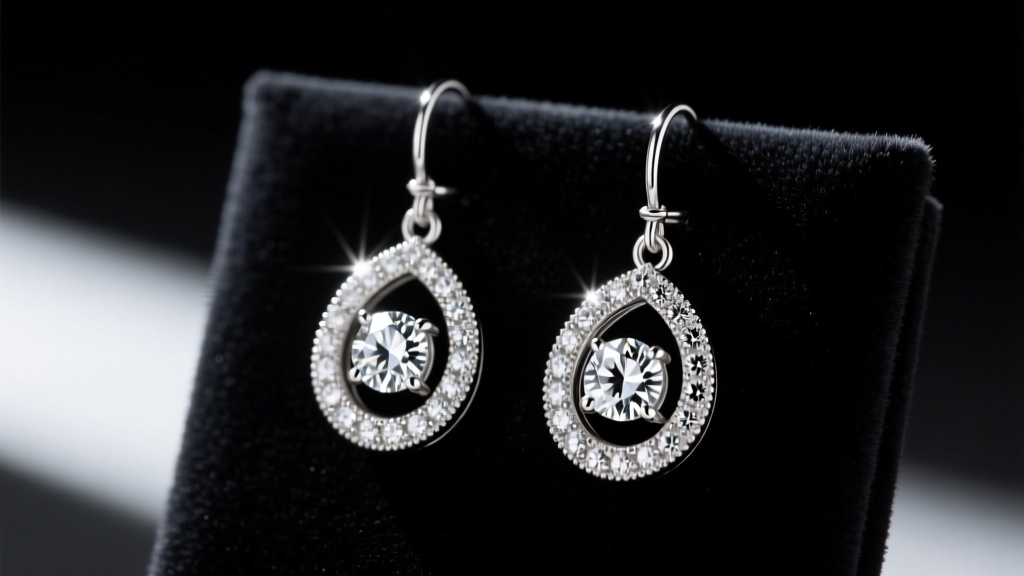
Silver diamond dangle earrings combine the kinetic elegance of movement with the timeless brilliance of diamonds and the cool luster of silver. However, their intricate mechanics and specific material properties demand specialized care. Unlike static studs, dangles experience constant friction at their pivot points, while the combination of sterling silver and diamonds creates a dual-maintenance challenge: managing silver sulfide tarnish while combating the oil-attracting nature of diamond facets. This comprehensive guide provides actionable, step-by-step instructions for maintaining, troubleshooting, and styling your silver diamond dangle earrings to ensure they remain brilliant and structurally sound.
The Anatomy and Material Science of Silver Dangles
Before cleaning, it is crucial to understand what you are working with. Most high-quality silver diamond dangle earrings are crafted from 925 sterling silver, an alloy containing 92.5% pure silver and 7.5% copper. It is this copper content that reacts with sulfur compounds in the air to create black silver sulfide (tarnish). Furthermore, many silver earrings feature a microscopic flash-plating of rhodium to delay tarnishing; aggressive polishing will strip this protective layer.
Mechanically, dangle earrings rely on a jump ring—a small, circular wire loop that connects the diamond drop to the ear wire (typically a 20-gauge or 22-gauge leverback or French wire). This jump ring is the primary failure point. Additionally, the diamonds in fashion-grade silver jewelry are often set in prong or bezel settings. According to the Gemological Institute of America (GIA), diamonds are lipophilic, meaning they naturally attract and hold onto skin oils, lotions, and hairspray, which quickly coat the pavilion (bottom facets) and kill the stone's brilliance.
Step-by-Step Guide to Deep Cleaning Diamonds and Silver
Never use toothpaste, baking soda pastes, or harsh silver dips on diamond jewelry. Abrasive silica scratches silver and dulls diamond girdles, while chemical dips can degrade the alloy over time. Furthermore, avoid ultrasonic cleaners if you suspect your diamonds are fracture-filled, as the high-frequency vibrations can shatter the filler or the stone itself.
Step 1: The Pre-Clean Inspection
Hold the earring by the ear wire and gently tap the dangle. If the diamond rattles, or if you see a prong lifted away from the stone's girdle, stop immediately. Cleaning a loose stone will likely result in losing it down the drain. Take it to a professional jeweler for re-tipping (typically costing $15 to $30 per prong).
Step 2: The Degreasing Soak
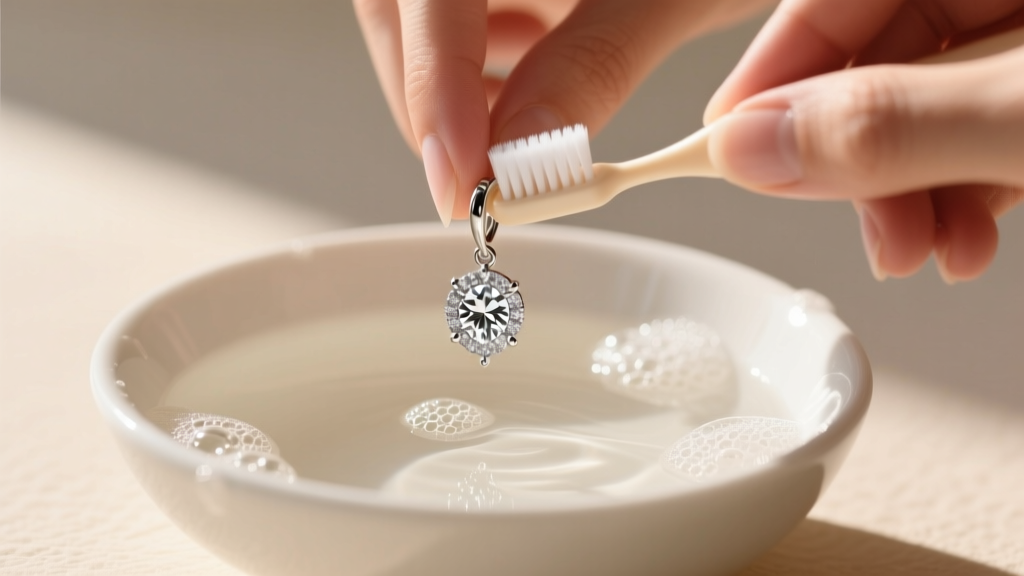
Fill a small ceramic bowl with warm (not hot) water and add three drops of a mild, degreasing dish soap (like Dawn). Submerge the silver diamond dangle earrings and let them soak for 15 to 20 minutes. This softens the sebum and cosmetic buildup trapped beneath the diamond setting and inside the jump ring pivot.
Step 3: The Pavilion Brush
Using an extra-soft baby toothbrush, gently brush the earring. Focus heavily on the underside of the diamond (the pavilion). Brush in small, circular motions to dislodge grease from the culet and lower facets. Gently brush the silver jump ring and ear wire to remove oxidized sweat and dead skin cells. Do not use stiff-bristled brushes, as they can bend delicate silver prongs.
Step 4: The Rinse and Dry
Rinse the earrings under a gentle stream of lukewarm water. Critical: Always plug the drain or use a strainer bowl. Pat the silver dry with a lint-free microfiber cloth. Avoid paper towels, as their wood-pulp fibers can cause micro-scratches on highly polished silver and snag on prongs.
Troubleshooting Common Dangle Earring Failures
Dangle earrings are subject to kinetic wear and tear. Below is a diagnostic table for common issues encountered with silver diamond dangles, complete with actionable fixes based on current jeweler standards.
| Problem | Root Cause | Actionable Fix |
|---|---|---|
| Dangle does not swing freely | Debris in jump ring or bent wire | Soak in soapy water, gently work the jump ring back and forth. If bent, use two pairs of flat-nose pliers to realign. |
| Silver turning black/green | Copper oxidation reacting to sulfur/sweat | Use a treated silver polishing cloth (e.g., Sunshine Cloth). Avoid rubbing the diamond, as the polishing compound will smear the stone. |
| Earring snags on hair/sweaters | Lifted or worn prong | Stop wearing immediately. Apply a small piece of painters tape over the setting to secure the stone until a jeweler can re-tip the prong. |
| Ear wire feels loose in piercing | Wire gauge stretched or bent | Gently squeeze the curve of the French wire with nylon-jaw pliers to restore its original tension and 20-gauge shape. |
How to Style Dangles for Different Face Shapes
The kinetic nature of dangle earrings makes them a powerful tool for balancing facial proportions. Because they draw the eye downward, the length and width of the silver diamond drop can dramatically alter the perception of your jawline and cheekbones.
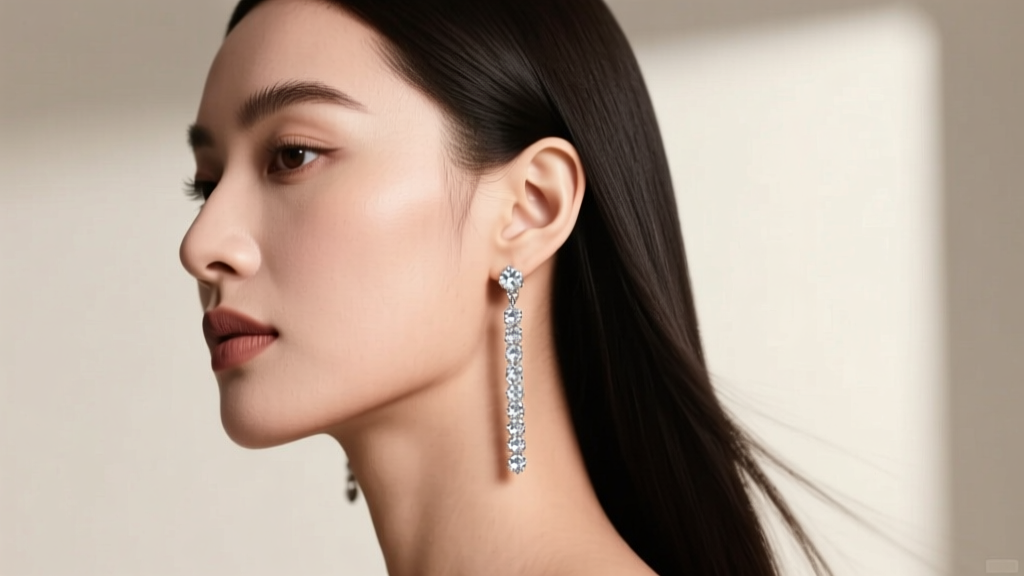
- Round Faces: Opt for long, linear silver diamond dangles (1.5 to 2.5 inches). The vertical drop creates an optical illusion that elongates the face. Avoid wide, circular chandelier styles, which will only emphasize the roundness of your cheeks.
- Square Faces: Choose dangles with curved, organic shapes, such as silver teardrops or oval diamond drops. The soft curves help to visually soften a strong, angular jawline. Hoop-style dangles are also highly effective here.
- Heart-Shaped Faces: Look for top-heavy dangles or chandelier styles that widen at the bottom. This adds visual weight to the lower half of the face, balancing a narrower chin and wider forehead.
- Oval Faces: This versatile face shape can carry almost any dangle style. To highlight your natural symmetry, try geometric Art Deco-inspired silver diamond drops or medium-length leverback dangles that sit just below the earlobe.
Proper Storage to Prevent Tarnish and Tangling
How you store your silver diamond dangle earrings is just as important as how you clean them. As of 2026, conservation experts and the Federal Trade Commission's Jewelry Guides emphasize the importance of controlling the micro-environment of your jewelry box to prevent accelerated degradation.
Never toss dangle earrings loosely into a jewelry box. The exposed prongs will snag on other pieces, potentially pulling diamonds from their settings or bending the silver ear wires. Instead, store them in individual, airtight silicone zip bags or soft flannel pouches. Place a 3M anti-tarnish strip inside your jewelry box or storage container; these strips absorb airborne sulfur compounds before they can react with the copper in your sterling silver. Finally, always store dangles hanging or laid perfectly flat to ensure the jump rings and ear wires do not warp under pressure.
When to Seek Professional Maintenance
While at-home cleaning keeps your diamonds sparkling and silver bright, certain maintenance tasks require a professional bench jeweler. If your silver diamond dangle earrings feature a heavy rhodium plating that has worn off to reveal yellowing or dull gray silver underneath, a jeweler can re-plate them for $25 to $50. Additionally, have the prongs inspected under a jeweler's loupe every 12 to 18 months. The constant swinging motion of dangle earrings puts unique lateral stress on prong settings that static studs do not experience, making proactive re-tipping essential for preserving your diamonds.


