The Ultimate Cleaning Guide for Gothic Raven Earrings
Learn how to safely clean and maintain gothic raven earrings. Expert tips for preserving oxidized silver, black onyx, and intricate bird motifs.

The Unique Challenge of Corvid Motif Jewelry
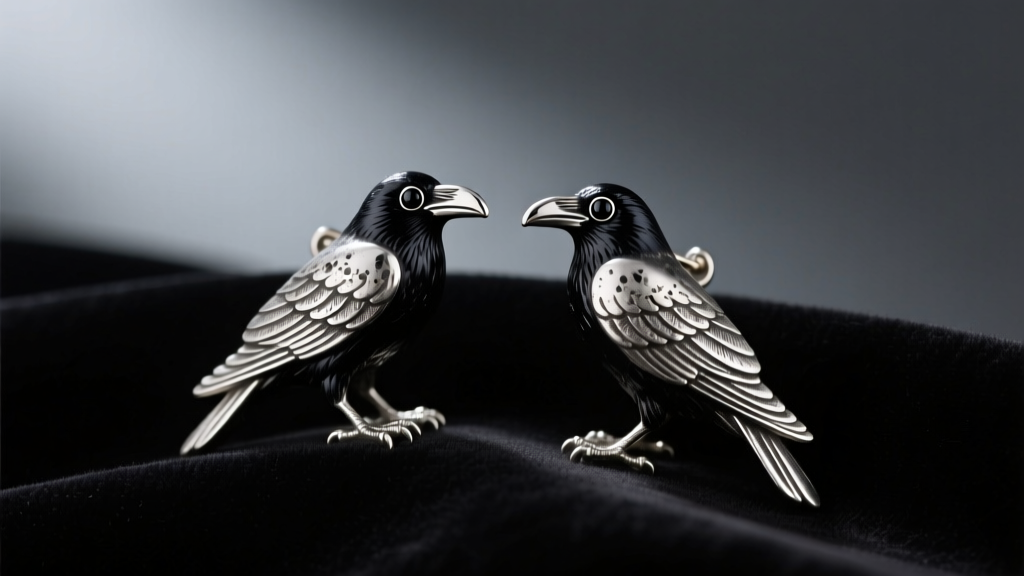
Raven earrings are a staple of gothic, dark academia, and nature-inspired jewelry collections. Whether they feature intricately carved corvid silhouettes, textured feather details, or inlaid dark gemstones, these pieces make a bold statement. However, their complex topography makes them notorious debris traps. The deep crevices of sculpted feathers collect skin oils, cosmetic powders, and environmental pollutants, while the dark gemstones—often black onyx, jet, or obsidian—readily show fingerprints and sebum buildup.
Cleaning these earrings requires a highly specialized approach. Standard jewelry cleaning methods that work for simple diamond studs or plain gold hoops can permanently ruin the intentional oxidation and fracture the porous stones commonly used in raven motifs. In this comprehensive guide, we break down the exact metallurgical and gemological protocols required to maintain your dark aesthetic jewelry in 2026 and beyond.
Understanding the Materials: Oxidation and Porosity
Before applying any cleaning solution, you must identify the exact materials of your raven earrings. The vast majority of high-quality gothic earrings are crafted from .925 sterling silver that has been intentionally oxidized, or blackened brass.
The Science of Intentional Oxidation
Jewelers use a chemical compound called liver of sulfur (potassium sulfide) to accelerate tarnishing, creating a dark, antique finish that highlights the raised details of the raven's feathers. This black patina sits in the recessed areas, while the high points are polished to a shine. If you use commercial silver dips or harsh polishing cloths, you will strip this intentional oxidation, leaving the earring looking flat, overly bright, and chemically damaged.
Dark Gemstone Vulnerabilities
Raven earrings frequently incorporate dark stones to represent the bird's eyes or plumage. According to the Gemological Institute of America (GIA), stones like black onyx (Mohs 7) are relatively hard but are often dyed and fracture-filled, making them sensitive to harsh chemicals. Conversely, authentic jet is fossilized wood with a Mohs hardness of just 2.5 to 4, making it incredibly soft, porous, and susceptible to permanent water damage and chemical etching.
The Dry Cleaning Protocol: Your First Line of Defense
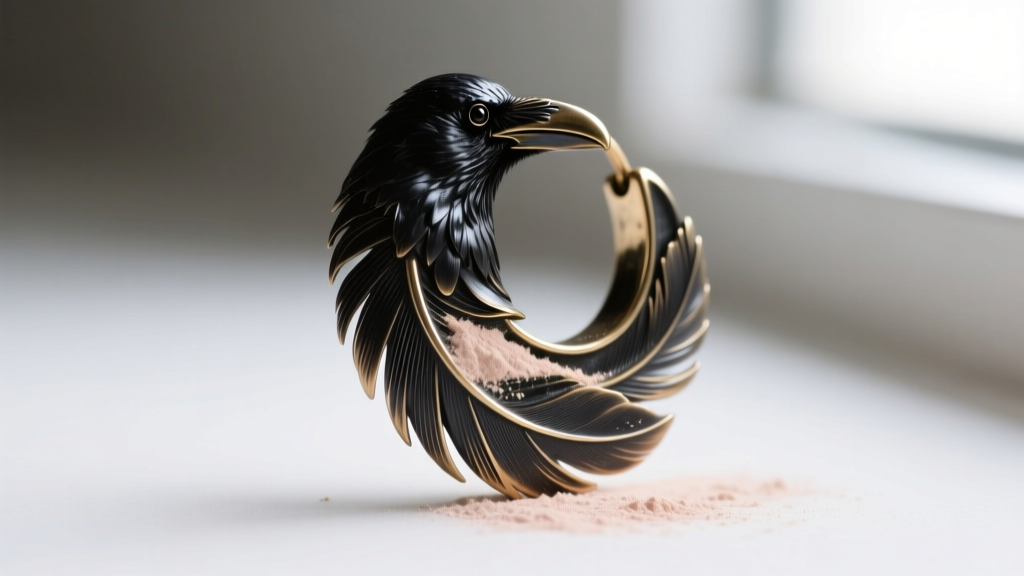
For oxidized metals and porous stones like jet or turquoise, moisture is the enemy. Dry cleaning should be your primary maintenance routine, performed every two weeks to prevent severe buildup.
Essential Tools for Dry Cleaning
- Soft-bristled makeup brush: A clean, unused eyeshadow blending brush is ideal for sweeping dust out of delicate feather engravings without scratching the silver.
- Wooden toothpicks: Metal tools will scratch both the silver and the gemstones. Use a wooden toothpick to gently dislodge compacted sebum from the solder joints where the earring post meets the raven motif.
- Microfiber polishing cloth: Use a dry, untreated microfiber cloth to gently buff only the raised, high-polish areas of the silver.
Pro-Tip: Never use a treated silver polishing cloth (which contains mild abrasives and chemical tarnish removers) on the recessed areas of your raven earrings. Restrict the treated cloth strictly to the raised, polished edges to maintain the contrast of the oxidation.
Wet Cleaning: When and How to Do It Safely
If your raven earrings feature sealed, non-porous stones like black spinel or dyed onyx, and the metal is heavily soiled with body oils, a careful wet cleaning is necessary. This method is strictly for the gemstone surfaces and the earring posts.
Step-by-Step Wet Cleaning Method
- Prepare the Solution: Mix three drops of mild, phosphate-free liquid castile soap into a small bowl of lukewarm distilled water. Avoid tap water, as the chlorine and dissolved minerals can leave microscopic water spots on dark stones.
- Target the Post: Dip a cotton swab into the solution and carefully clean the earring post (typically 20-gauge or 18-gauge for standard lobes, and 16-gauge for cartilage piercings). The post-to-motif solder joint is where sweat and dead skin cells accumulate, which can cause contact dermatitis or weaken the solder over time.
- Clean the Stone: Use a separate, damp cotton swab to gently wipe the surface of the onyx or spinel cabochons. Do not submerge the earrings.
- Dry Immediately: Pat the earrings dry with a lint-free microfiber cloth, then use a hairdryer on the 'cool' setting to blow moisture out of the deep feather crevices.
Material-Specific Care Matrix
Use the following reference table to determine the safest cleaning protocol based on your specific raven earring construction.
| Material Component | Porosity / Hardness | Oxidation Risk | Approved Cleaning Method |
|---|---|---|---|
| Oxidized .925 Silver | N/A (Metal) | High (Strips patina) | Dry brush, untreated microfiber |
| Blackened Brass | N/A (Metal) | High (Removes lacquer) | Mild soap on post only, dry brush |
| Black Onyx (Dyed) | Mohs 7 (Non-porous) | None | Damp microfiber, mild castile soap |
| Authentic Jet | Mohs 2.5-4 (Porous) | N/A | Strictly dry brushing, no liquids |
| Obsidian | Mohs 5-5.5 (Brittle) | N/A | Damp cloth, avoid thermal shock |
Storage and Prevention Strategies
Proper storage is just as critical as the cleaning process. Unintentional tarnish occurs when sterling silver reacts with sulfur compounds in the ambient air, creating a dull, yellowish-brown film of silver sulfide over your carefully preserved oxidation.
The 2026 Standard for Dark Jewelry Storage
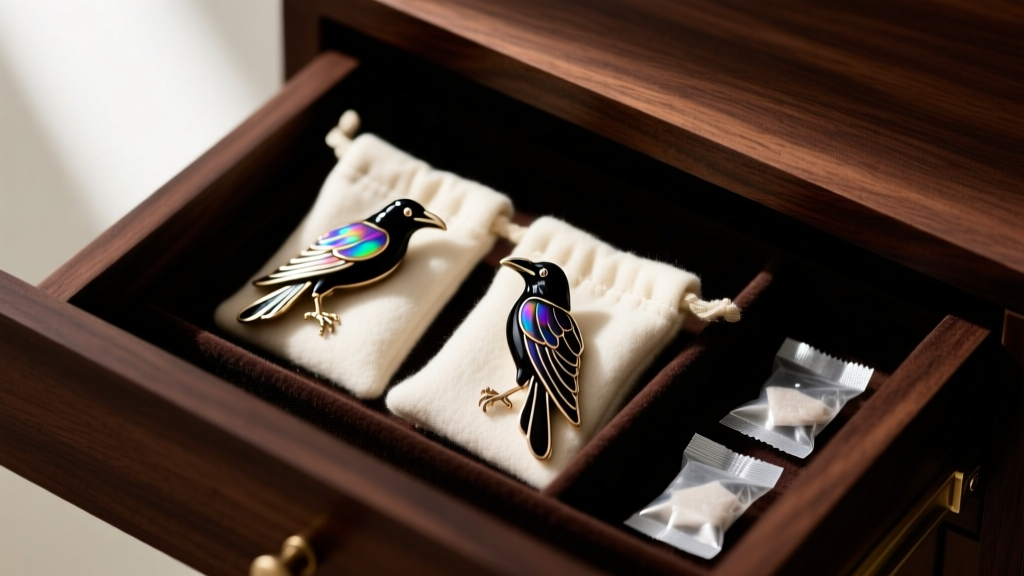
To protect your raven earrings, abandon the traditional open jewelry tree. Instead, utilize individual anti-tarnish flannel pouches treated with silver nitrate or zinc particles, which neutralize airborne sulfur. For an extra layer of protection, place a small silica gel desiccant packet inside your storage drawer to maintain a relative humidity below 40%. High humidity drastically accelerates the tarnishing process and can cause the adhesive holding gemstone cabochons to degrade.
Furthermore, always store your earrings separately. While black onyx is relatively hard, the silver setting is not. If a heavy onyx raven earring is tossed into a communal jewelry box, it can easily scratch softer silver pieces or suffer a conchoidal fracture if struck against a harder gemstone like sapphire.
Catastrophic Mistakes to Avoid
Many well-intentioned jewelry owners ruin their gothic pieces by relying on outdated cleaning myths. Avoid the following practices at all costs:
- Ultrasonic Cleaners: These machines use high-frequency sound waves to create microscopic vacuum bubbles that implode (cavitation). While great for diamonds, this violent process will shatter brittle stones like obsidian, fracture porous jet, and vibrate gemstone adhesives loose.
- Commercial Silver Dips: Liquid tarnish removers rely on strong acids and thiourea. As noted in GIA's gemological databases, these chemicals will instantly strip the liver-of-sulfur oxidation from your silver and can permanently etch the surface of polished gemstones.
- Toothpaste and Baking Soda: These household staples are highly abrasive. Baking soda ranks around 2.5 on the Mohs scale, which might not scratch onyx, but it will leave micro-scratches on the silver high-points, dulling the reflective shine that gives the raven motif its depth.
Final Thoughts on Maintenance
Caring for raven earrings is an exercise in restraint and precision. By understanding the delicate balance between intentional oxidation and unintentional tarnish, and by respecting the physical limits of dark gemstones, you can ensure your corvid jewelry remains as striking and mysterious as the day you acquired it. Stick to dry brushing, targeted wet cleaning for the posts, and climate-controlled storage, and your pieces will endure for decades.


