How to Clean and Care for Pink Sapphire Flower Earrings
Learn expert techniques to clean, maintain, and protect your pink sapphire flower earrings from daily buildup, prong wear, and metal tarnish.

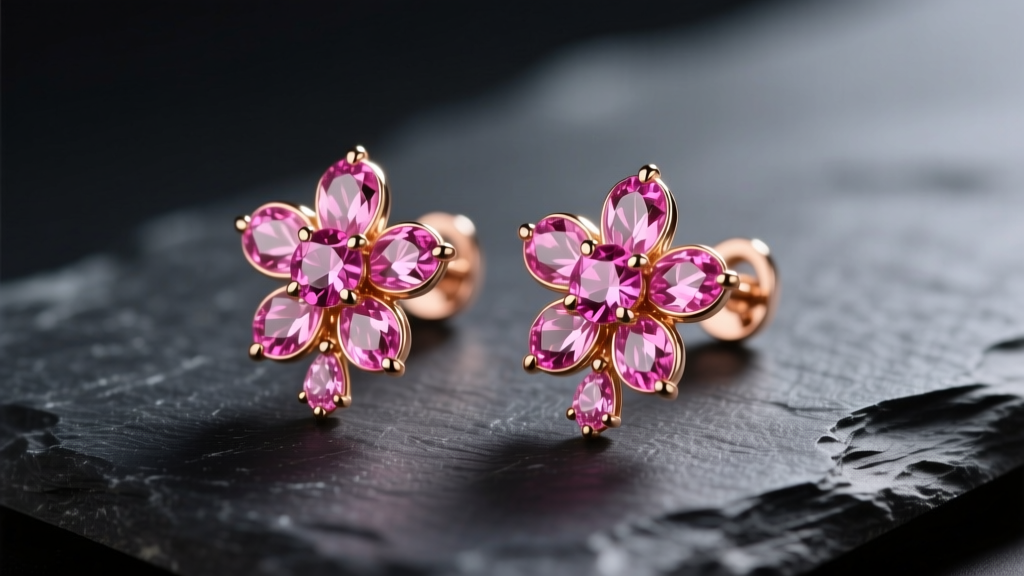
Pink sapphire flower earrings blend the exceptional durability of corundum (Mohs 9) with the intricate, high-surface-area geometry of floral metalwork. While the sapphires themselves are highly resistant to scratching, the complex petal structures, hidden galleries, and delicate prongs create micro-environments where sebum, cosmetics, and environmental dust accumulate. Proper maintenance requires more than a simple wipe-down; it demands an understanding of both gemological treatments and precious metal alloys. This comprehensive guide details the exact protocols required to keep your floral sapphire jewelry brilliant and structurally secure.
The Unique Vulnerabilities of Floral Sapphire Settings
Unlike simple solitaire studs, flower earrings feature overlapping metalwork designed to mimic botanical petals. This design creates a structural component known as the gallery or basket—the hollow space between the back of the gemstone and the skin. In floral designs, this gallery is often heavily sculpted, featuring milgrain edges and pavé-set accent stones. These crevices act as magnets for hand lotions, hairspray, and natural skin oils. Over time, this buildup forms a hardened film that not only dulls the refractive brilliance of the pink sapphire but also traps moisture against the metal, accelerating tarnish in silver or degrading the copper and zinc alloys present in 14k and 18k gold.
Furthermore, the perimeter of a floral setting often utilizes shared prongs or delicate bezel walls to secure the peripheral accent stones. These thin metal margins are highly susceptible to bending if snagged on textiles, making structural inspection just as critical as cosmetic cleaning.
Step-by-Step Cleaning Protocol for Creviced Floral Designs
To safely remove accumulated debris without damaging the metal finish or the gemstone, follow this targeted degreasing protocol. According to the Gemological Institute of America (GIA), warm soapy water is the safest and most effective method for cleaning untreated and heat-treated sapphires.
Required Materials
- Mild, phosphate-free degreasing dish soap (e.g., original Dawn)
- Lukewarm distilled water (tap water contains minerals that leave hard water spots)
- Extra-soft baby toothbrush or a dedicated jewelry brush with ultra-fine bristles
- Lint-free microfiber cloth
- Bulb syringe or can of compressed air
The Soak and Agitation Method
Begin by mixing three drops of dish soap into a small bowl of lukewarm distilled water. Submerge your pink sapphire flower earrings and allow them to soak for exactly 15 to 20 minutes. This dwell time is crucial; it softens the polymerized oils and cosmetic residues trapped beneath the floral petals and inside the gallery basket. Avoid using hot water, as extreme thermal shifts can potentially stress the metal settings or damage fracture-filled stones.
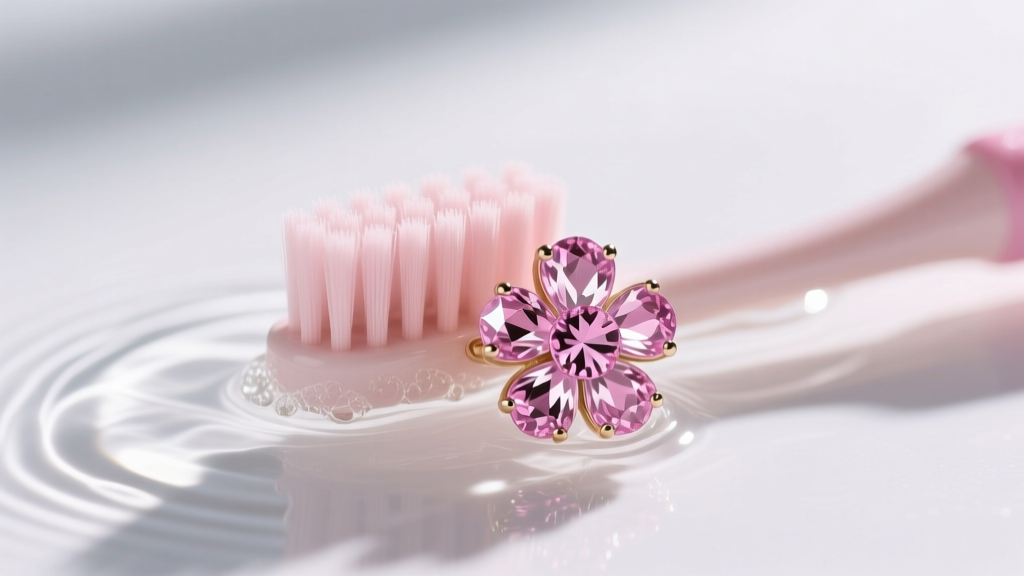
After soaking, take the extra-soft toothbrush and gently agitate the bristles in circular motions across the surface of the petals. Pay special attention to the underside of the earring. Angle the bristles upward into the gallery to dislodge debris from the culet (the bottom point) of the sapphire. Once the crevices are clear, rinse the earrings under a gentle stream of lukewarm distilled water. Finally, use a bulb syringe or compressed air to blow water out of the microscopic gaps between the prongs, then pat dry with a microfiber cloth.
Chemical Agents: What to Use and What to Avoid
The internet is rife with DIY jewelry cleaning hacks, many of which can cause irreversible damage to precious metal alloys and gemstone treatments. Below is a definitive guide to chemical agents and their effects on your floral earrings.
| Cleaning Agent | Effect on Pink Sapphire | Effect on Metal Setting | Verdict |
|---|---|---|---|
| Mild Dish Soap | Completely Safe | Safe; removes oils | Highly Recommended |
| Ultrasonic Cleaner | Risky (if fracture-filled) | Vibrations loosen worn prongs | Use with Extreme Caution |
| Steam Cleaner | Safe (for heat-treated only) | Safe | Professional Use Only |
| Toothpaste / Baking Soda | Safe | Causes micro-scratches on gold | Never Use |
| Chlorine / Bleach | Safe | Destroys gold alloys; causes pitting | Never Use |
As noted by Jewelers of America, abrasive pastes like toothpaste or baking soda should never be used on polished gold or platinum. While they will not scratch the Mohs 9 sapphire, they will leave a matte, scratched finish on the delicate floral metalwork, ruining the high-polish contrast that makes the design pop.
Inspecting Prongs, Posts, and Metal Integrity
Cleaning is only half the maintenance equation; structural inspection is vital for preventing gemstone loss. Floral designs often incorporate 20-gauge or 18-gauge earring posts paired with friction backs (butterfly clasps). The grooved texture of the earring post is notorious for trapping dead skin cells and bacteria, which can lead to contact dermatitis or localized ear infections. When cleaning, ensure you run the bristles of your brush along the entire length of the post and inside the clutch mechanism of the earring back.
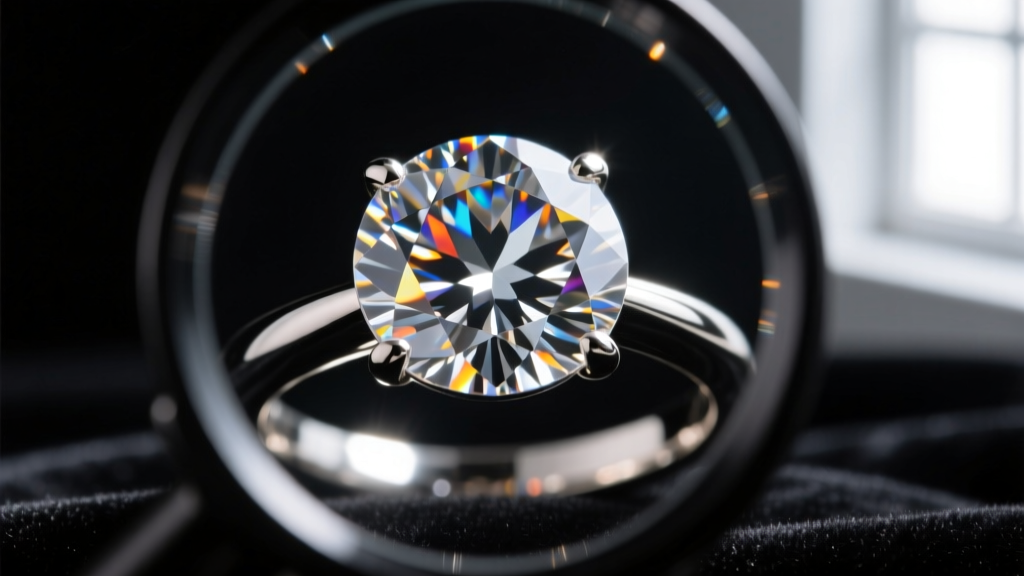
For the floral head itself, perform a tactile snag test. Run the earring lightly across a piece of sheer silk or fine cotton. If the prongs or petal edges catch on the fabric, the metal has lifted and requires professional burnishing. If your earrings are crafted in 18k white gold, inspect the metal for any yellowish tints. White gold is alloyed with yellow gold and plated with rhodium to achieve its bright white finish. Harsh chemicals and friction can wear this plating away, necessitating a professional re-rhodium dip every 12 to 18 months.
Identifying Treatments and Ultrasonic Risks
Not all pink sapphires are created equal. While traditional heat treatment is permanent and entirely safe for ultrasonic and steam cleaning, the modern market also features fracture-filled sapphires. These are lower-clarity stones that have been infused with lead glass or synthetic resins to improve transparency. If your pink sapphire flower earrings contain fracture-filled stones, exposing them to an ultrasonic cleaner or even mild acids (like lemon juice or vinegar) can dissolve the filler, leaving the stone cloudy, fractured, or completely destroyed. Unless you possess a gemological certificate explicitly stating that your sapphires are untreated or solely heat-treated, always default to the manual soak-and-brush method.
Safe Storage and Daily Wear Rules
Expert Tip: Never store floral earrings loose in a communal jewelry box. The Mohs 9 sapphires will easily scratch the gold or silver of neighboring pieces, and the delicate metal petals can be bent by heavier items.
To preserve the structural integrity of the floral metalwork, store each earring individually in a soft, anti-tarnish microfiber pouch. If you live in a high-humidity environment, place a small silica gel packet or a dedicated silver anti-tarnish strip inside your storage box to absorb ambient moisture and neutralize sulfur compounds that cause silver and low-karat gold to oxidize. Finally, adopt a strict 'last on, first off' rule: put your earrings on after applying makeup, hairspray, and perfume, and remove them immediately upon returning home to minimize chemical exposure and physical snagging during daily tasks.
When to Seek Professional Jeweler Maintenance
Even with meticulous at-home care, micro-debris will eventually become impacted in the deepest recesses of the gallery basket. Schedule an appointment with a certified bench jeweler once a year. They will use high-pressure steam to blast out calcified residues that a toothbrush cannot reach, and they will examine the prongs under a 10x triplet loupe to check for metal fatigue, thinning, or microscopic stress fractures in the floral shank. This proactive maintenance ensures your pink sapphire flower earrings remain both visually stunning and structurally sound for decades.


