How to Style and Stack Diamond Bar Earrings: Step-by-Step
Learn how to style, stack, and care for diamond bar earrings with our step-by-step curation guide, covering sizing, metal grades, and ear anatomy.


Introduction to Linear Diamond Curation
Diamond bar earrings have transcended their status as a fleeting minimalist trend to become a foundational element of fine jewelry curation. Whether you are building a meticulously curated ear stack or seeking a sleek, standalone statement piece, linear diamond earrings offer unparalleled versatility and modern elegance. However, styling them flawlessly requires a deep understanding of proportion, metal integrity, post gauges, and melee diamond grading. This comprehensive, step-by-step guide will walk you through selecting, stacking, and maintaining diamond bar earrings to achieve a high-end, bespoke look.
Step 1: Decoding Melee Diamond Quality and Metal Purity
The diamonds used in linear bar settings are known as "melee" diamonds—typically weighing under 0.15 carats each. In a continuous bar, color consistency is vastly more critical than flawless clarity. According to the Gemological Institute of America (GIA), melee diamonds are often graded in parcels rather than individually. When shopping for diamond bar earrings, insist on G-H color grades. Lower grades (I-J) will look noticeably yellow or muddy when set in a continuous line, especially against white gold or platinum.
Clarity, on the other hand, can be safely downgraded to SI1-SI2. The shared prong or micro-bezel settings used in linear bars naturally obscure most inclusions, allowing you to allocate your budget toward higher total carat weight and superior cut quality, which dictates the actual sparkle of the bar.
Metal Matrix: Choosing the Right Foundation
| Metal Type | Durability | Best For | Est. Price Range (per 10mm) |
|---|---|---|---|
| 14k Solid Gold | High | Everyday wear, active lifestyles, budget-conscious buyers | $350 - $600 |
| 18k Solid Gold | Medium | Special occasions, rich yellow gold color contrast | $550 - $950 |
| Platinum (950) | Very High | Heirloom pieces, sensitive skin, secure micro-prong settings | $800 - $1,500+ |
Step 2: Mapping Your Ear Anatomy and Post Gauges
One of the most common mistakes in ear curation is ignoring post thickness. The Association of Professional Piercers (APP) strictly warns against wearing improper gauge jewelry in healed fistulas. Standard lobe piercings are typically 20G (0.81mm) or 18G (1.02mm). Cartilage piercings, such as the helix or forward helix, are usually pierced at 16G (1.2mm) or 14G (1.6mm).
If you attempt to wear a delicate 20G diamond bar earring in a 16G cartilage hole, the thin post acts like a wire cheese cutter. Over time, this causes tissue migration, irritation bumps, and eventual tearing. Always verify the post gauge before purchasing diamond bar earrings for upper-ear placements. Many fine jewelers now offer custom 16G posts for their linear collections specifically to accommodate cartilage stacking safely.
Step 3: The Step-by-Step Stacking Strategy
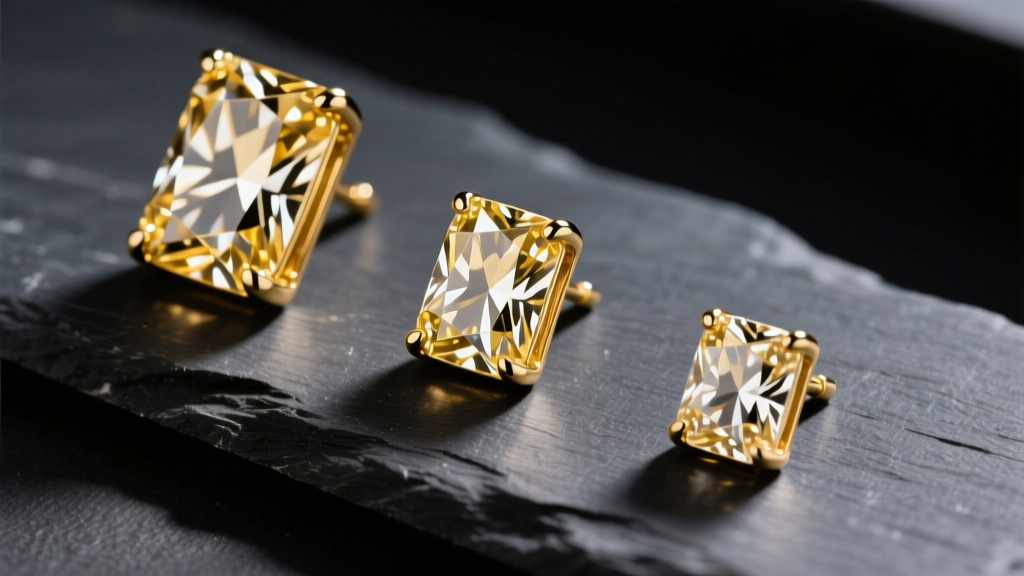
Curating an ear stack with linear pieces requires balancing visual weight. If every earring is a long bar, the ear looks cluttered and heavy. Follow the "Rule of Three" to create a dynamic, asymmetrical flow that draws the eye upward.
- The Anchor (Standard Lobe): Start with a substantial 20mm to 30mm diamond bar earring in your primary lobe piercing. This grounds the stack and provides the main focal point.
- The Bridge (Mid-Helix or Flat): Place a medium 12mm to 15mm bar in a secondary piercing. Angling this bar slightly off-axis from the lobe bar creates visual tension and movement.
- The Accent (Forward Helix or Upper Lobe): Finish with a petite 5mm to 8mm bar. This subtle sparkle at the top of the ear elongates the silhouette without overwhelming the cartilage.
When mixing metals, ensure the diamond color grades match across all bars. A G-H color diamond in a white gold lobe bar will clash noticeably with an I-J color diamond in a white gold helix bar, even if the metals are identical.
Step 4: Solving the "Droop" with the Right Earring Backs
Linear earrings suffer from a unique physics problem: gravity. Because the center of mass in a 25mm diamond bar is far from the earlobe, the earring will naturally droop forward, hiding the diamonds from view. Standard friction backs (butterfly backs) are entirely insufficient for diamond bar earrings over 10mm in length.
Upgrading Your Backing Hardware
To keep your bars perfectly vertical, you must upgrade your backing hardware. Look for La Pousette backs (locking push-backs with a mechanical click) or screw-backs. These mechanisms grip the post securely and provide a wider, flatter surface area against the back of the earlobe, acting as a counterweight to prevent the bar from tilting forward. For an immediate, budget-friendly fix on existing earrings, slide a small silicone o-ring onto the post before applying the friction back to add structural support and lift.
Step 5: Long-Term Maintenance and Prong Tightening
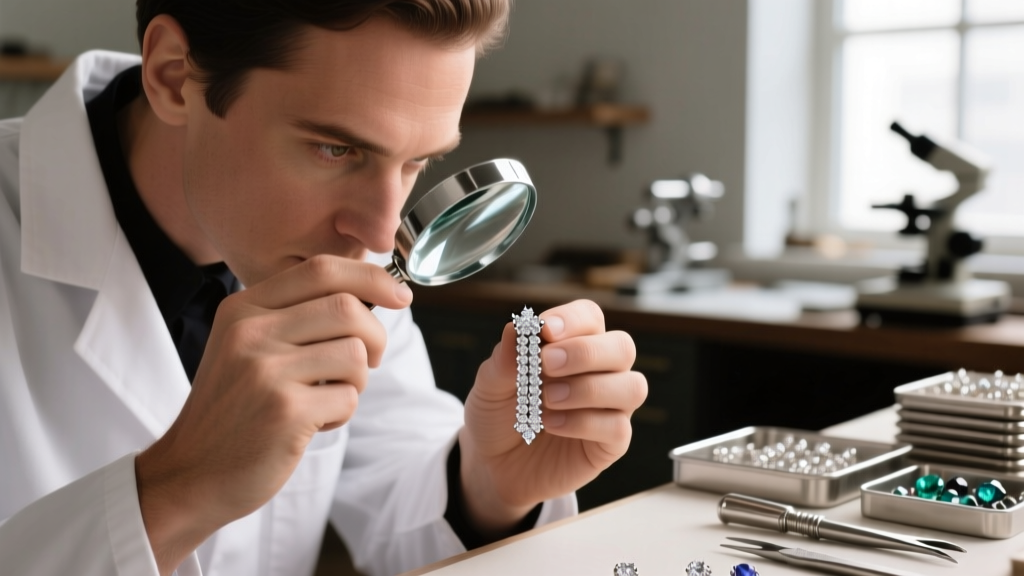
Shared prong settings—where a single micro-prong holds two adjacent diamonds—are the industry standard for diamond bar earrings because they maximize sparkle and minimize metal visibility. However, this structural choice makes the settings highly susceptible to snagging on knitwear, towels, and hair.
"Linear diamond settings require 30% more frequent prong inspections than solitaire studs due to the increased surface area exposed to daily snagging hazards and lateral stress."
Your Weekly Cleaning Routine
Dirt and body oils accumulate rapidly in the narrow channels between melee diamonds, dulling the bar's brilliance. Avoid ultrasonic cleaners if your diamond bar earrings feature fracture-filled diamonds or delicate tension settings, as the high-frequency vibrations can shatter the stones. Instead, use a soft-bristled baby toothbrush dipped in a solution of warm water and mild, ammonia-free dish soap. Gently brush the underside of the bar (the pavilion of the diamonds) where grease accumulates, rinse with distilled water, and pat dry with a lint-free microfiber cloth.
Troubleshooting Common Diamond Bar Issues
Even with perfect curation, you may encounter functional issues. Here is how to troubleshoot the most common complaints associated with linear diamond jewelry:
- Snagging on Hair: If your bar constantly catches in your hair, the prongs are likely worn flat or lifted. Take the piece to a jeweler for a "prong re-tipping" or ask them to polish the prongs down to a lower profile.
- Post Bending: If a solid gold bar post bends easily, it is likely too thin (20G or 22G) for the weight of the diamonds. Have a bench jeweler solder a thicker 18G or 16G post onto the existing bar setting.
- Skin Irritation Behind the Lobe: This is usually caused by the sharp metal edges of a standard butterfly back digging into the skin due to the forward weight of the bar. Switching to a smooth, rounded La Pousette back or a flat silicone disc will instantly resolve the pressure point.
By treating your diamond bar earrings not just as accessories, but as precision-engineered pieces of body art, you ensure they remain secure, brilliant, and perfectly proportioned for years to come. Take the time to verify your gauges, invest in proper locking backs, and maintain a strict cleaning regimen to maximize the lifespan of your curated ear stack.


