How to Clean, Maintain, and Store Enamel Tomato Earrings
Learn expert care, cleaning, and storage tips for enamel, resin, and clay tomato earrings to prevent yellowing, chipping, and tarnish.

The Material Science of Tomato Earrings
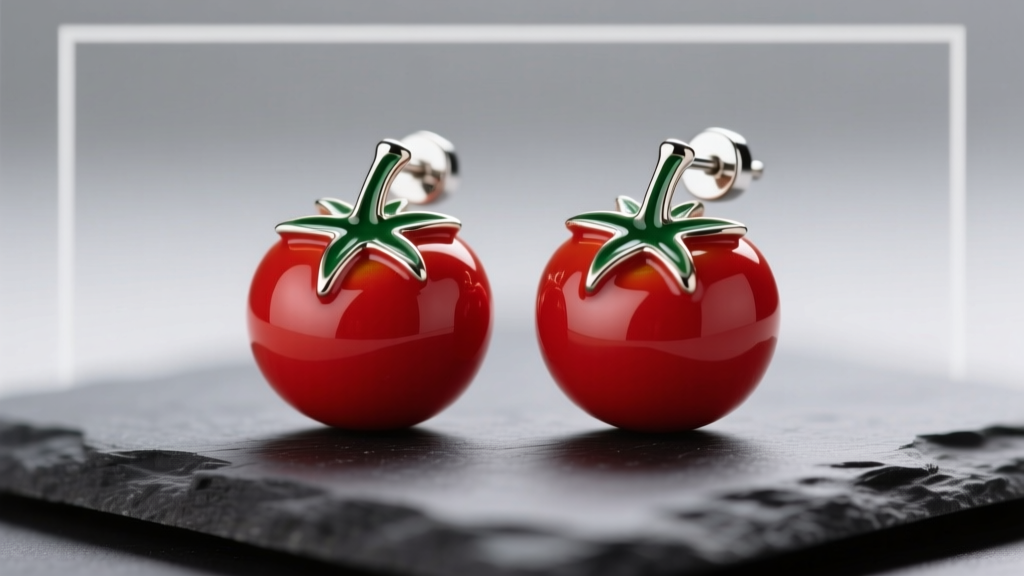
As the dopamine dressing trend matures in 2026, novelty food jewelry—specifically tomato earrings—has transitioned from a quirky niche to a staple of everyday maximalist styling. However, the charm of these pieces often masks a complex vulnerability. Unlike traditional gemstone studs, tomato earrings are typically crafted from a hybrid of materials: vitreous enamel, cold epoxy resin, polymer clay, or acrylic, all set on metal bases ranging from brass to surgical steel. Understanding the exact material composition of your earrings is the first critical step in preventing irreversible damage.
According to the Jewelers of America, treating all novelty jewelry with a single cleaning method is the leading cause of material degradation. A cleaning agent that safely restores sterling silver can instantly cloud acrylic or strip the sealant off polymer clay. Below is a breakdown of the most common tomato earring materials and their specific vulnerabilities.
Material Vulnerability Matrix
| Material Type | Common Failure Mode | Safe Cleaning Agent | Strictly Avoid |
|---|---|---|---|
| Vitreous Enamel (Fired Glass) | Impact shattering, metal base tarnish | Mild dish soap, distilled water | Ultrasonic cleaners, hard drops |
| Cold Enamel (Epoxy Resin) | UV yellowing, micro-scratching | Damp microfiber cloth only | Alcohol, acetone, prolonged sun |
| Polymer Clay (Fimo/Sculpey) | Sebum staining, snapping at the post | Soft brush, water, mild soap | Soaking, oil-based removers |
| Acetate / Acrylic | Chemical melting, clouding | Lukewarm water, microfiber | Windex, ammonia, alcohol |
The Universal Wet-Cleaning Protocol
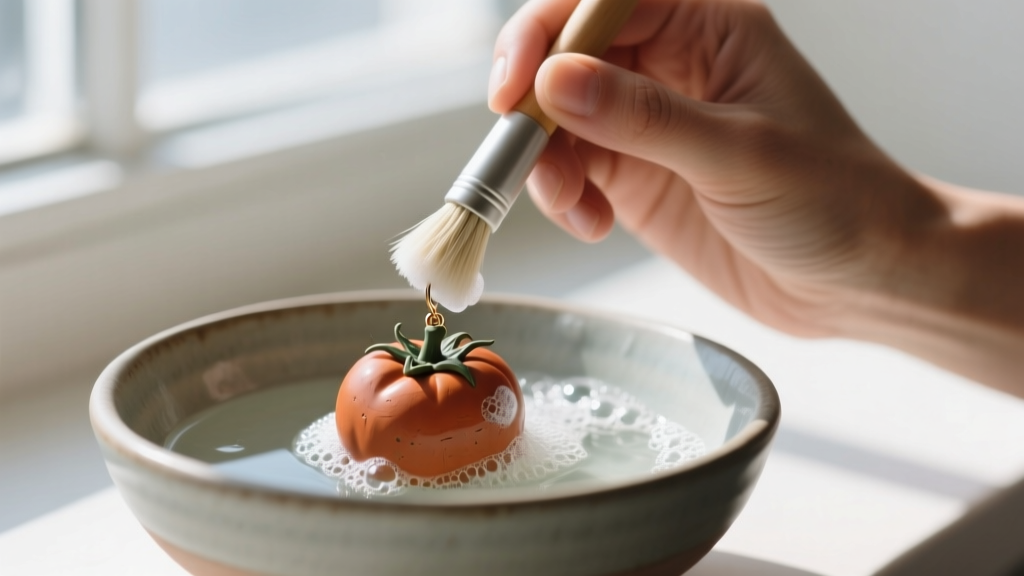
For routine maintenance of metal-based tomato earrings (particularly those with vitreous enamel or sealed clay), a standardized wet-cleaning protocol is highly effective. This method removes accumulated sebum, makeup residue, and environmental dust without compromising the integrity of the materials or the metal posts.
- Prepare the Solution: Mix one cup of distilled water (tap water contains chlorine and hard minerals that can spot metal and degrade resin) with two drops of pH-neutral, dye-free dish soap (such as Dawn Free & Clear).
- The Agitation Phase: Dip a soft-bristled infant toothbrush or a dedicated jewelry brush into the solution. Gently agitate the crevices of the tomato shape, particularly around the stem and leaf detailing where cosmetic powders tend to accumulate.
- The Rinse: Quickly rinse the earrings under a gentle stream of lukewarm distilled water. Never use hot water, as rapid temperature changes can cause vitreous enamel to crack away from the metal base (a phenomenon known as crazing).
- Drying: Do not air-dry. Immediately pat the earrings dry with a lint-free microfiber cloth. For hard-to-reach crevices, use a can of compressed air or a hair dryer on the 'cool' setting to prevent water spots.
Advanced Troubleshooting & Failure Modes
Even with meticulous care, tomato earrings are subject to specific environmental stressors. Here is how to troubleshoot and mitigate the most common issues reported by jewelry collectors and everyday wearers.
Combating Resin Yellowing
If your tomato earrings are made from cold enamel (epoxy resin), you may notice the vibrant red fading into a muddy orange or yellow over time. This is not a surface stain; it is a photochemical degradation of the polymer chains caused by UV exposure. Once resin yellows, it cannot be reversed. However, you can halt the process. Store resin earrings in opaque, UV-blocking containers. If you frequently wear them outdoors, consider applying a micro-thin coat of a UV-resistant clear acrylic spray (like Krylon UV-Resistant Clear) to the surface, ensuring you mask off the metal posts first.
Dealing with Polymer Clay Staining
Polymer clay is inherently micro-porous. If your tomato earrings are unsealed clay, they will absorb foundation, self-tanner, and natural skin oils, leading to permanent dark spots. If staining occurs, you can attempt to draw out the oils by creating a poultice of baking soda and distilled water. Apply it to the stained area, let it dry completely, and gently brush it off. To prevent future staining, ensure your clay earrings are sealed with a flexible polyurethane coating before their first wear.
Enamel Chipping and Impact Damage
Vitreous enamel is essentially glass fused to metal at temperatures exceeding 1400°F. While it is highly resistant to chemicals and scratching, it has very low tensile strength and will shatter upon impact with hard surfaces like bathroom tiles. If your enamel tomato earring chips, do not attempt to fill it with cyanoacrylate (Superglue), which will cloud and yellow. Instead, use a two-part optical epoxy like Loctite Hysol, and carefully tint it with a microscopic drop of glass paint to match the red hue.
Hardware Maintenance: Posts, Clutches, and Alloys
The decorative tomato element is only half the equation; the hardware that secures it to your ear requires equal attention. The intersection where the post meets the earring backing is a primary trap for dead skin cells and bacteria, which can lead to contact dermatitis or localized infections.
- Sterling Silver (925): Prone to sulfide tarnishing, turning black over time. Clean the posts with a dedicated silver polishing cloth. Never use liquid silver dips on earrings with porous clay or resin attachments, as the chemical wicking will ruin the decorative element.
- Brass / Gold-Plated Brass: The most common base metal for affordable novelty earrings. Once the thin gold plating wears off from friction against the earlobe, the exposed brass will react with skin acidity, turning your earlobes green. Retire or re-plate these pieces once the base metal is visible.
- Implant-Grade Titanium (ASTM F136): The gold standard for sensitive ears and fresh piercings. Titanium is highly biocompatible and will not tarnish. However, it is softer than steel; inspect the posts regularly for bending, and never attempt to bend them back into shape, as repeated flexing will cause metal fatigue and snapping.
For a deeper understanding of how different metal alloys interact with skin chemistry and environmental factors, the Gemological Institute of America (GIA) provides extensive resources on jewelry metallurgy and care.
Archival Storage for Novelty Jewelry
How you store your tomato earrings when they are not being worn is just as critical as how you clean them. Tossing them into a communal jewelry box guarantees micro-scratches on resin, bent posts, and accelerated tarnishing due to trapped ambient humidity.
Pro-Tip from the Bench: Never store novelty earrings in the bathroom. The extreme fluctuations in heat and humidity from daily showers create a micro-climate that accelerates metal oxidation and causes polymer clay to become brittle over time.
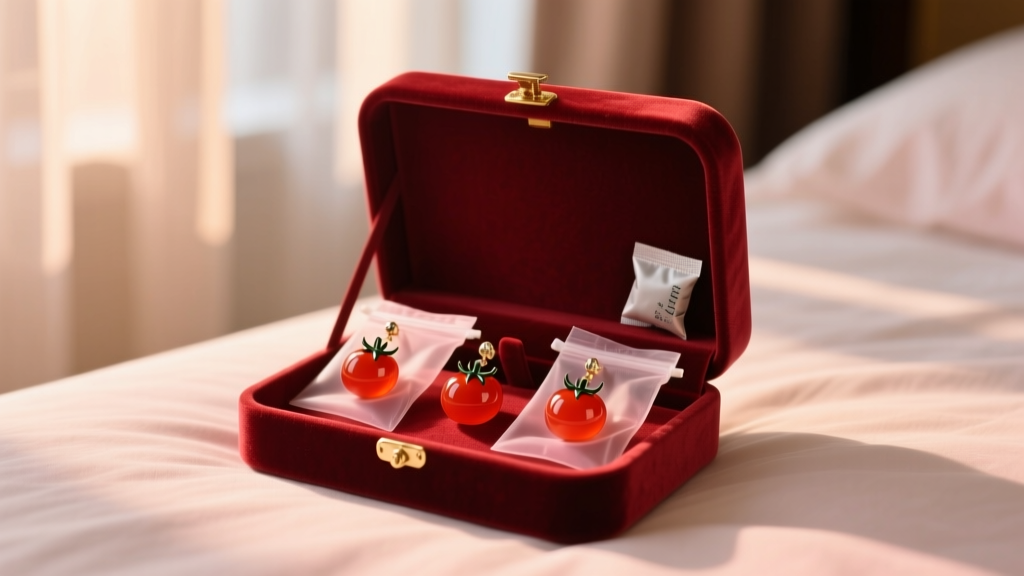
Adopt a modular storage system. Each pair of tomato earrings should be housed in an individual, sealable polyethylene bag equipped with a 3M anti-tarnish strip and a small silica gel desiccant packet. This creates a controlled micro-environment that neutralizes sulfur gases and absorbs moisture. For the metal posts, insert them into a small piece of craft foam or a dedicated silicone earring holder to prevent the sharp ends from piercing the storage bag or scratching the delicate enamel surface of the tomato.
Final Thoughts on Longevity
Caring for tomato earrings requires a departure from traditional jewelry maintenance. By respecting the specific chemical and physical properties of vitreous enamel, cold resin, and polymer clay, you can ensure your pieces remain vibrant and structurally sound. For further guidance on maintaining complex jewelry assemblies and sourcing safe cleaning compounds, consult the educational materials provided by Rio Grande, a premier supplier of jewelry-making tools and metallurgical resources. With the right protocol, your favorite novelty earrings will continue to add a pop of joy to your wardrobe for years to come.


