Earring Making Buying Guide: Tools, Wire & Findings
Master earring making with our buying guide. Discover the best hypoallergenic wires, precise gauge sizes, and essential pliers for flawless jewelry.

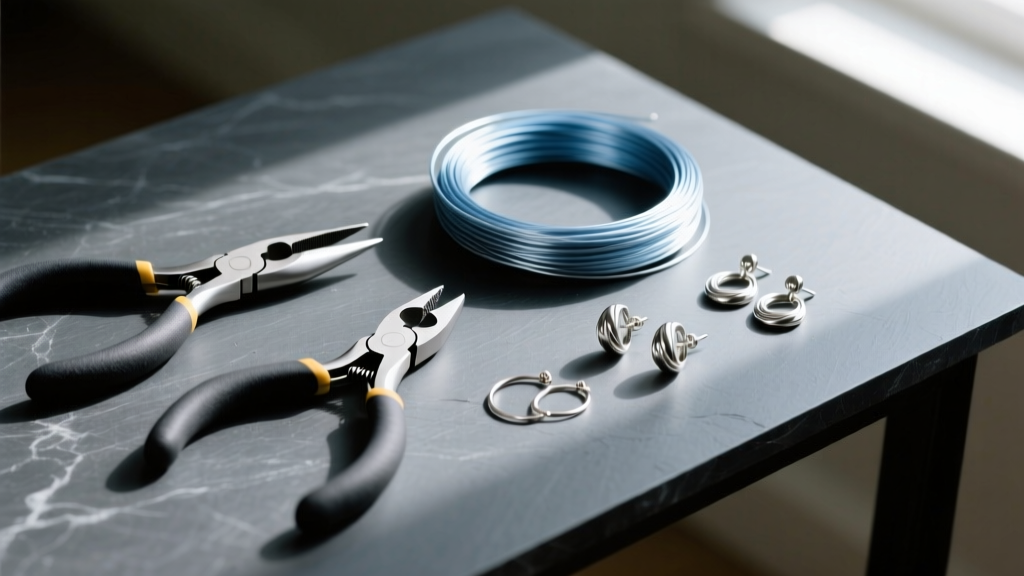
The 2026 Standard for Earring Making Supplies
The landscape of bespoke jewelry has evolved significantly. As we navigate 2026, the barrier to entry for earring making is lower than ever, yet the demand for professional-grade, hypoallergenic, and structurally sound pieces is at an all-time high. Consumers are highly educated about metal allergies and structural integrity, meaning hobbyists and emerging designers must elevate their supply sourcing. This comprehensive buying guide cuts through the noise, providing exact specifications, material grades, and tool recommendations to ensure your earring making process yields retail-ready, comfortable, and durable jewelry.
Decoding Metals: Hypoallergenic Requirements & Allergy Data
The most critical decision in earring making is selecting the metal that passes through the ear wire or post. A common and dangerous beginner mistake is purchasing "surgical steel" (typically 316L stainless steel) under the assumption that it is hypoallergenic. In reality, 316L steel contains 8-10% nickel. When exposed to the saline environment of a fresh or sensitive piercing, it can leach nickel ions, triggering contact dermatitis. According to the Halstead Bead metal allergy guide, compliant jewelry must adhere to strict nickel-release limits, such as the EU Nickel Directive (maximum 0.2 µg/cm²/week).
Metal Grade Comparison Matrix
| Material | Nickel Content | Tarnish Resistance | Approx. Cost (2026) | Best Application |
|---|---|---|---|---|
| ASTM F136 Titanium (Ti-6Al-4V ELI) | 0% (Trace only) | Exceptional | $18 - $25 / oz | Posts, cartilage hoops, sensitive lobes |
| Niobium (Anodized) | 0% | Exceptional | $12 - $18 / oz | Colorful ear wires, lightweight dangles |
| Argentium Silver (935/960) | 0% | High (Contains Germanium) | $35 - $45 / oz | Premium ear wires, wire-wrapped drops |
| 14k Gold-Filled (1/20 14k GF) | 0% (Brass core) | Moderate | $40 - $60 / oz | Classic hoops, everyday studs |
| 316L Surgical Steel | 8% - 10% | High | $4 - $8 / oz | Body jewelry (non-piercing), display only |
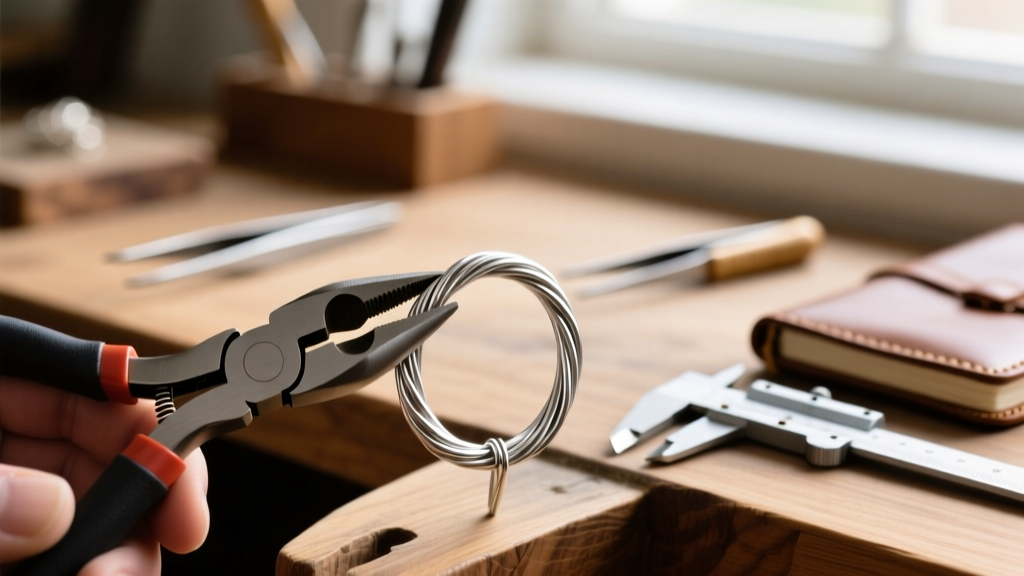
Wire Gauges & Temper: The Backbone of Earring Making
Wire gauge dictates both the structural integrity of your earring and its compatibility with the human ear. In the American Wire Gauge (AWG) system, the higher the number, the thinner the wire. For earring making, you will primarily operate within the 18-gauge to 24-gauge spectrum. Sourcing from reputable suppliers like Rio Grande ensures precise milling and consistent tensile strength.
The Earring Maker's Gauge Cheat Sheet
- 18-Gauge (1.02mm): The heavy-duty workhorse. Ideal for crafting French hooks that will support heavy gemstone drops, or for creating rigid, small-diameter cartilage hoops. It requires significant hand strength to bend without specialized tools.
- 20-Gauge (0.81mm): The undisputed industry standard for ear wires. It is thick enough to hold its shape during daily wear but thin enough to slide comfortably through standard lobe piercings (which typically heal at 20g or 18g).
- 22-Gauge (0.64mm): Best for lightweight dangles, pearl posts, and wire-wrapping small briolettes. It is too soft to be used as a standalone French hook unless heavily work-hardened, as it will easily pull open under the weight of a heavy earring.
- 24-Gauge (0.51mm): Strictly for delicate wire wrapping, securing beads to a structural frame, or threading through micro-drilled gemstones. Never use 24g for structural earring findings.
Understanding Wire Temper (Hardness)
Beyond thickness, the "temper" of the wire dictates its malleability. Dead Soft wire is highly pliable and perfect for intricate wire-wrapping and weaving, but it will not hold the shape of an ear wire. Half-Hard wire has been work-hardened or heat-treated to provide a balance of malleability and memory. For earring making, always purchase Half-Hard wire for French hooks and ear wires. It will bend cleanly around your pliers and spring back slightly to maintain a secure, closed loop when worn.
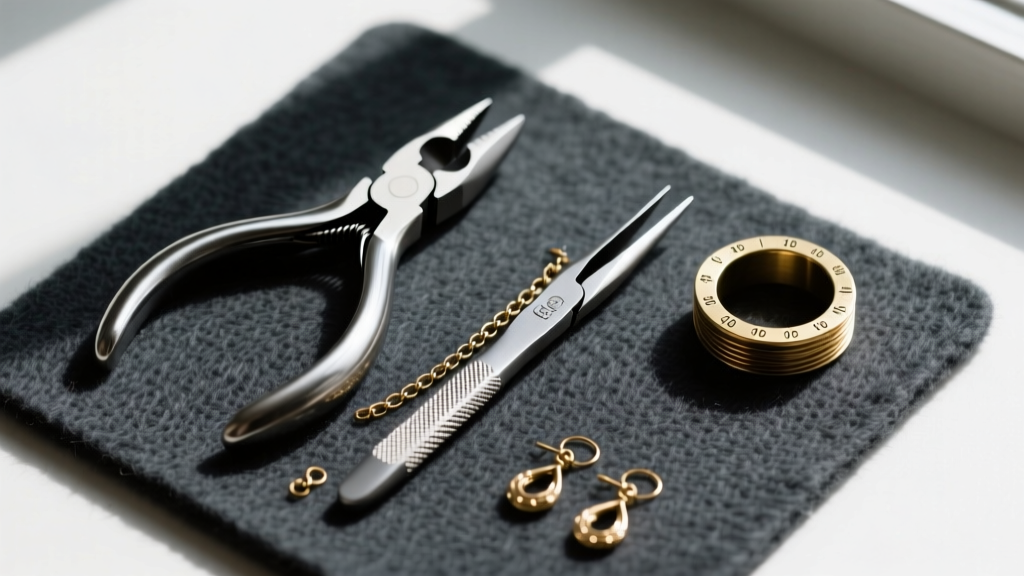
Essential Pliers & Cutters for Precision Work
Cheap hardware store pliers will ruin your wire, leave deep gouges, and cause hand fatigue. Professional earring making requires precision-jawed tools designed specifically for jewelry. While the initial investment is higher, the reduction in wasted metal and the improvement in finish quality pay for themselves within the first few production runs.
The Core Tool Buying Checklist
- Flush Cutters (The Foundation): You need a cutter that leaves one side of the wire completely flat, not pinched. The Lindstrom 8141 or Tronex 5014 are industry standards. A flush cut ensures your ear wires glide into the ear without scratching the piercing channel.
- Round Nose Pliers: Used exclusively for forming loops and curves. Look for brands like Wubbers or Beadsmith that feature smooth, untextured jaws to prevent marring soft metals like gold-filled or fine silver.
- Chain Nose Pliers: The jewelry maker's extension of their fingers. These feature flat, smooth inner jaws that taper to a fine point. They are essential for gripping jump rings, closing loops, and making sharp 90-degree bends.
- Nylon Jaw Pliers: A non-negotiable tool for finishing. After bending your ear wires, nylon jaw pliers allow you to grip and straighten the wire, work-harden it slightly, and remove any microscopic finger oils or tool marks without scratching the metal surface.
Sourcing Findings: Backings, Clutches, and Nuts
An earring is only as secure as its backing. When sourcing findings from suppliers like Fire Mountain Gems, avoid cheap, stamped butterfly clutches made from mystery alloys. Instead, invest in secure, comfortable backings that match the quality of your earring design.
- Silicone Disc Clutches: The modern standard for stud earrings. They provide a wide surface area that distributes the weight of the earring evenly across the back of the earlobe, preventing the "drooping" effect common with heavy gemstone studs.
- La Pousette (Push-Pull) Backs: A premium, mechanical locking mechanism that clicks securely onto a grooved post. Ideal for high-value diamond or gemstone studs where loss is not an option.
- Screw Backs: Essential for children's jewelry or high-security needs. Ensure the threading on your posts matches the clutch exactly (typically 0.8mm or 0.9mm thread pitch).
Final Verdict & Budget Allocation
Successful earring making in 2026 requires a strategic allocation of your budget. Do not skimp on wire quality or cutters. A beginner should allocate roughly 40% of their startup budget to precision hand tools, 40% to hypoallergenic half-hard wire (focusing on 20g Argentium or Niobium), and 20% to high-quality silicone and mechanical findings. By prioritizing biocompatible materials and precision engineering over sheer volume, your bespoke earrings will command higher retail prices and cultivate a loyal, repeat customer base.


