How to Clean Princess of Wales Emerald Earrings Safely
Discover expert care and cleaning tips for Princess of Wales emerald earrings. Learn safe washing methods, oil treatments, and diamond halo maintenance.

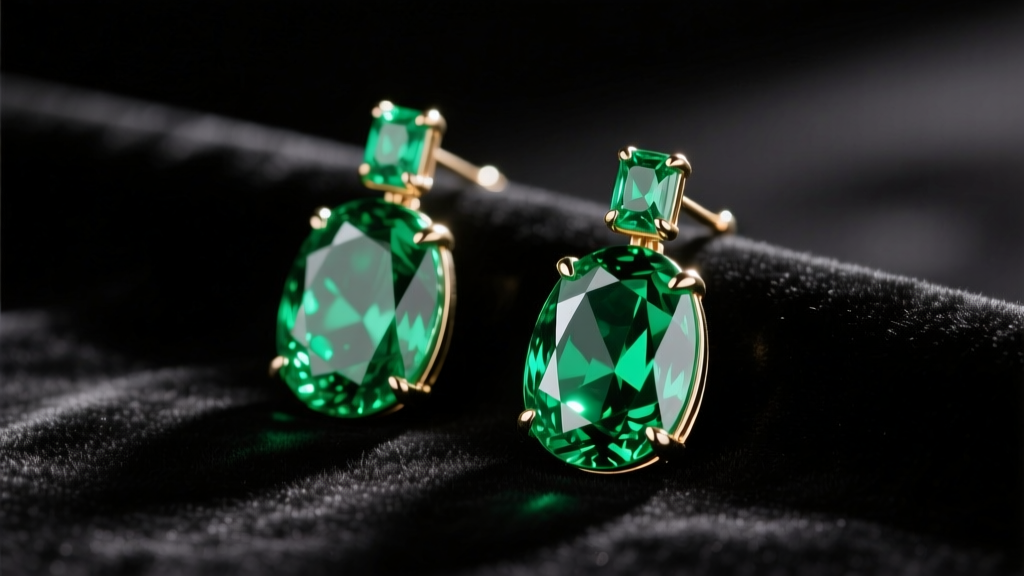
The iconic princess of wales emerald earrings, famously worn by Kate Middleton, represent the pinnacle of royal jewelry elegance. Typically featuring a lush, pear-shaped or emerald-cut Colombian emerald surrounded by a brilliant diamond halo and suspended from a delicate diamond drop motif, these earrings are a masterclass in high jewelry design. Whether you are lucky enough to own authentic royal heirlooms, vintage estate pieces, or high-quality bespoke replicas of the princess of wales emerald earrings, the maintenance protocol remains exactly the same. Emeralds are notoriously high-maintenance gemstones, and improper cleaning can lead to catastrophic, irreversible damage.
In this comprehensive guide, we will explore the exact science behind emerald care, detailing what you must avoid, how to safely clean your earrings at home, and how to maintain the sparkling diamond accents without compromising the fragile green centerpieces.
The Unique Vulnerability of Royal-Style Emeralds
To understand how to clean these earrings, you must first understand the gemological nature of emeralds. On the Mohs scale of hardness, emeralds rank between 7.5 and 8, which theoretically makes them resistant to scratching. However, hardness is not the same as toughness. Emeralds possess poor toughness due to their natural internal fractures and inclusions, affectionately known in the gem trade as jardin (French for garden).
Because nearly all natural emeralds are heavily included, they are routinely treated to improve their clarity and stability. According to the Gemological Institute of America (GIA), the vast majority of emeralds are fracture-filled with oils (traditionally cedarwood oil) or synthetic resins (like Opticon). These fillers mask the fissures and deepen the green color. When you clean the princess of wales emerald earrings, your primary goal is not just to remove surface dirt, but to protect these delicate internal fillers from being dissolved, melted, or vibrated out of the stone.
The Deadly Sins of Emerald Cleaning
Before we discuss what you should do, it is critical to outline what you must absolutely never do. Many standard jewelry cleaning methods that work perfectly for diamonds or sapphires will destroy an emerald.
- Ultrasonic Cleaners: The high-frequency vibrations of an ultrasonic bath can easily shatter an included emerald. Furthermore, the heat generated by the machine will melt or dislodge the cedar oil or resin fillers, leaving your stone looking cloudy, white, and heavily fractured.
- Steam Cleaners: Steam introduces sudden thermal shock and extreme heat. This will instantly boil out the oils inside the emerald's fissures and can cause the stone to crack along its natural cleavage planes.
- Harsh Chemicals and Solvents: Alcohol, acetone, ammonia, and commercial jewelry dips are solvents. They will strip the oil treatments out of the emerald, severely degrading its appearance and structural integrity.
- Boiling Water: Never use hot water. Heat is the enemy of fracture-filled gemstones.
Expert Warning: Never wear your emerald earrings in swimming pools or hot tubs. Chlorine and bromine are highly reactive and can permanently etch the surface of the emerald while destroying the metal alloys in the earring settings.
Step-by-Step: Washing Your Emerald Earrings Safely
Properly cleaning the princess of wales emerald earrings requires a gentle, methodical approach. You will need distilled water, a pH-neutral dish soap (such as original Dawn), an extra-soft baby toothbrush, and a lint-free microfiber cloth.
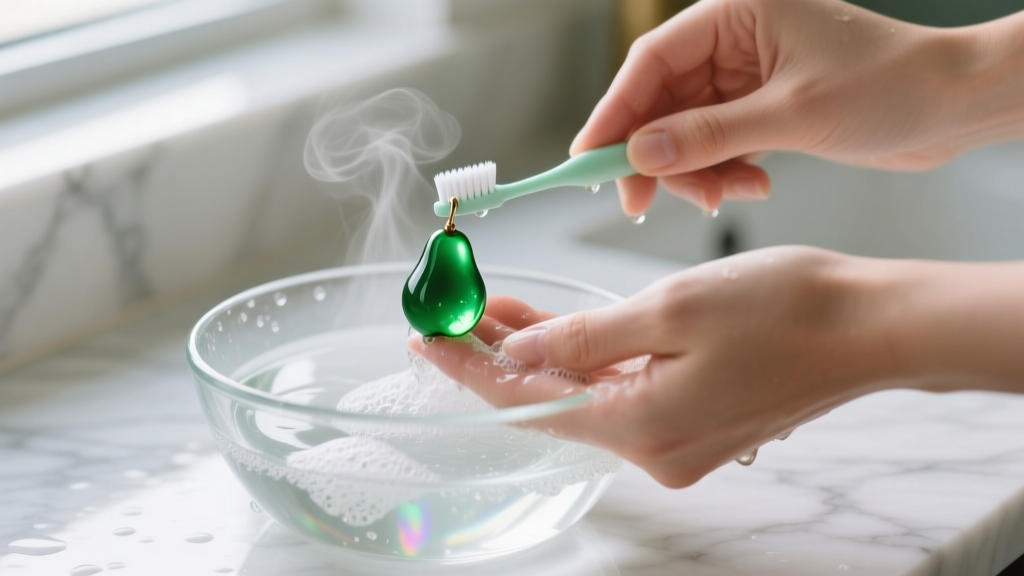
- Prepare the Solution: Fill a small glass bowl with lukewarm distilled water (around 85°F to 95°F). Tap water contains minerals and chlorine that can leave spots or react with the metal settings. Add a single drop of pH-neutral soap and swirl gently to create mild suds.
- Pre-Inspection: Before the earrings touch the water, examine them under a bright light. Ensure no prongs are bent and the emerald is not loose in its setting. Submerging a loose stone can result in losing it down the drain.
- Gentle Agitation: Dip the earrings into the soapy water and let them soak for no more than 60 seconds. Prolonged soaking can allow water to seep into microscopic fissures.
- Soft Brushing: Using the extra-soft baby toothbrush, gently sweep the bristles across the surface of the emerald and the diamond halo. Do not scrub aggressively. Use light, circular motions to dislodge skin oils, lotion, and dust from behind the gemstone and along the gallery wire.
- Rinsing: Rinse the earrings briefly under a slow trickle of lukewarm distilled water. Ensure the drain is securely plugged.
- Drying: Immediately pat the earrings dry with a clean, lint-free microfiber cloth. Use a wooden toothpick or a blast of compressed air (held at least six inches away) to gently remove any trapped water droplets from the intricate diamond pave settings.
Managing the Diamond Halos and Accents
The princess of wales emerald earrings are defined by the striking contrast between the deep green emerald and the icy white diamond halos. Diamonds are highly lipophilic, meaning they attract and hold onto grease and skin oils, which quickly dulls their brilliance. While diamonds can withstand harsh cleaning, the emerald center cannot.
Comparison: Emerald vs. Diamond Cleaning Needs
| Feature | Emerald Centerpiece | Diamond Halo & Accents |
|---|---|---|
| Hardness (Mohs) | 7.5 - 8 (but brittle) | 10 (extremely durable) |
| Reaction to Heat | Poor (fractures, melts fillers) | Excellent |
| Ultrasonic Safe? | NEVER | Yes (if isolated from emerald) |
| Primary Cleaning Agent | Lukewarm distilled water, mild soap | Warm water, ammonia-free degreaser |
To clean the back of the diamond settings (where the most grease accumulates) without soaking the emerald, use a specialized technique. Dip a cotton swab into a tiny amount of isopropyl alcohol and carefully swab only the metal pavilions and the back of the diamond settings. Keep the swab away from the emerald. The alcohol will instantly evaporate, taking the grease with it and restoring the diamonds' fiery scintillation without risking the emerald's oil treatment.
Long-Term Maintenance: Re-Oiling and Prong Checks
Home cleaning only addresses surface dirt. Long-term maintenance of high-value emerald earrings requires professional intervention. Over time, the cedar oil or synthetic resin inside the emerald will naturally dry out or degrade, causing the stone to look lighter and more included.
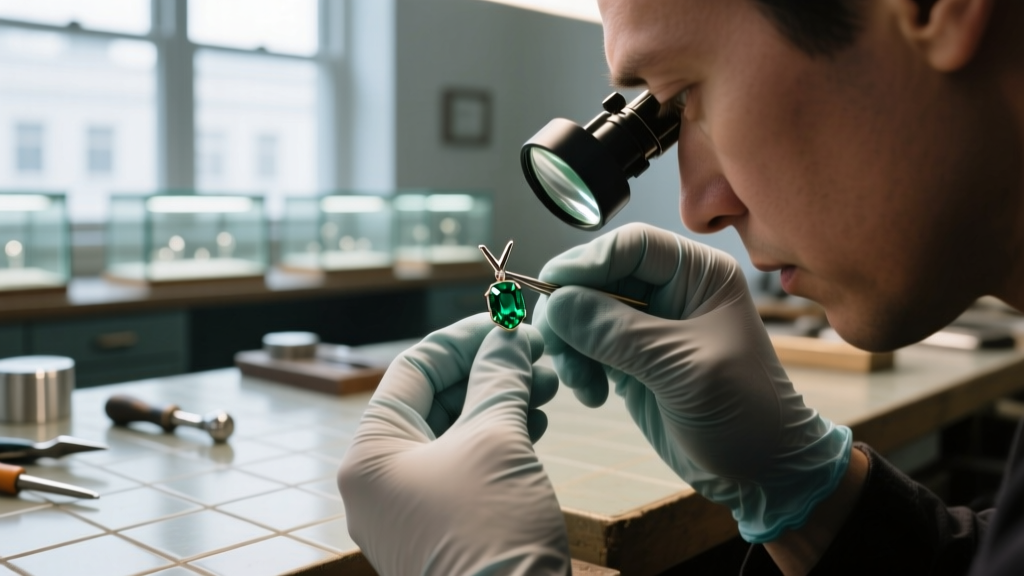
Every 2 to 5 years, depending on how often you wear the earrings and the climate you live in, you should take them to a master lapidary or a high-end jeweler for a professional re-oiling. The lapidary will gently clean the stone and place it in a vacuum chamber with warm cedar oil, forcing the oil deep into the fissures to restore the emerald's rich, velvety green hue. The GIA's official emerald care guidelines strongly recommend relying on professionals for any deep-cleaning or re-treatment processes.
Additionally, the specific cuts used in royal-style earrings—often emerald cuts or pear shapes—feature sharp corners that are highly susceptible to chipping. These corners must be protected by V-prongs. Have your jeweler inspect the prongs every six months. Even a microscopic lift in a V-prong can allow the earring to catch on a silk blouse or a strand of hair, potentially snapping the corner off the emerald.
Proper Storage for High-Value Drops
How you store the princess of wales emerald earrings when they are not being worn is just as important as how you clean them. Emeralds should never be stored in environments with extreme temperature fluctuations or excessively dry air, as this accelerates the drying out of their internal oil fillers.
Store the earrings in a climate-controlled room, away from direct sunlight and heating vents. Place them in a soft, anti-tarnish flannel pouch or a jewelry box lined with untreated, acid-free silk. Avoid storing them in cedarwood boxes; while cedar smells pleasant, the wood can off-gas natural oils and resins that may interact with the metal settings over decades. Finally, always store emerald earrings completely separate from diamond jewelry. While a diamond cannot scratch an emerald's surface easily, the sharp girdle of a loose diamond earring resting against an emerald can cause severe surface abrasions or chip the emerald's delicate girdle edge during transit.


