Magenta Colour Earrings: Comparing Materials for Durability
Discover the best materials for magenta colour earrings. We compare anodized titanium, enamel, and gemstones for durability, pricing, and skin safety.

The Science of Magenta in Jewelry: Why Material Matters
Magenta is a fascinating anomaly in the visual spectrum. Unlike red or blue, magenta does not have its own specific wavelength of light; it is an extra-spectral color that our brains construct when red and blue light receptors are stimulated simultaneously. In the realm of fine jewelry and body modification, achieving a stable, vibrant magenta hue requires highly specific chemical, structural, or optical properties. As we evaluate jewelry trends in 2026, the demand for magenta colour earrings has surged, driven by a desire for bold, non-traditional aesthetics. However, not all magenta jewelry is created equal. The longevity, biocompatibility, and colorfastness of your earrings depend entirely on the base material and the color application method.
Choosing the wrong material can result in rapid fading, allergic contact dermatitis, or structural failure in cartilage piercings. This guide provides a deep-dive metallurgical and gemological comparison of the four primary materials used to create magenta earrings, equipping you with the technical knowledge to make an informed purchase.
Material Breakdown: How Magenta is Achieved
1. Anodized Implant-Grade Titanium (ASTM F136)
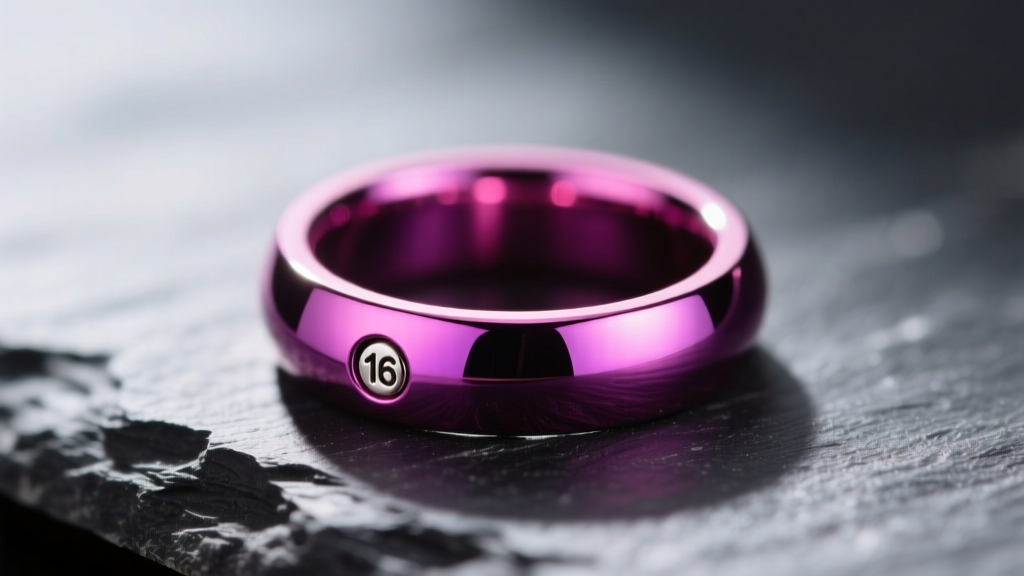
Titanium is the gold standard for body jewelry, but bare titanium is naturally silver-grey. To achieve a magenta finish, jewelers use an electrochemical process called anodizing. By submerging the titanium in an electrolyte bath and applying a specific voltage, the naturally occurring oxide layer on the metal's surface is thickened. This altered oxide layer refracts light, producing structural color without the use of dyes or paints.
- The Voltage Factor: Achieving a true, vibrant magenta requires a highly controlled voltage between 75V and 90V. If the voltage drops below 75V, the piece will turn purple or brown; if it spikes above 90V, it shifts into blue and teal.
- Durability: The color is permanent and will not wash off, but the oxide layer can be scratched by harder metals, revealing the silver titanium beneath.
- Biocompatibility: According to the Association of Professional Piercers (APP), Ti-6Al-4V ELI (ASTM F136) is entirely nickel-free and the safest material for fresh piercings.
2. Vitreous Enamel over 14k or 18k Gold
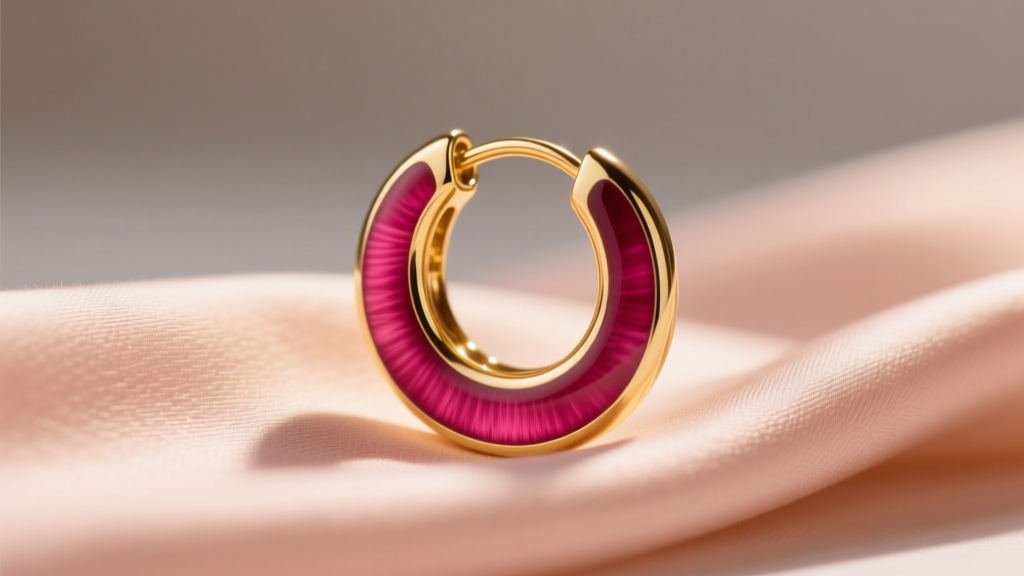
Vitreous enamel is essentially finely ground silica glass that is fused to a metal substrate at extreme temperatures. For magenta colour earrings, master jewelers use metallic oxides (often manganese or gold-based compounds) mixed into the glass frit to produce deep, opaque, or translucent magenta shades.
- The Firing Process: True vitreous enamel requires kiln firing at approximately 1400°F (760°C). This creates a chemical bond with the gold base, resulting in a finish that is completely UV-resistant and colorfast.
- Vulnerabilities: While enamel is highly scratch-resistant (Mohs 5.5-6.5), it lacks tensile strength. Dropping an enamel huggie hoop on a tile floor can cause the glass to chip or craze.
- Avoid 'Cold Enamel': Many mass-market brands use 'cold enamel,' which is actually just tinted epoxy resin. Epoxy will yellow, scratch, and degrade within 12 to 18 months of daily wear.
3. Lab-Created Magenta Sapphires and Natural Spinels
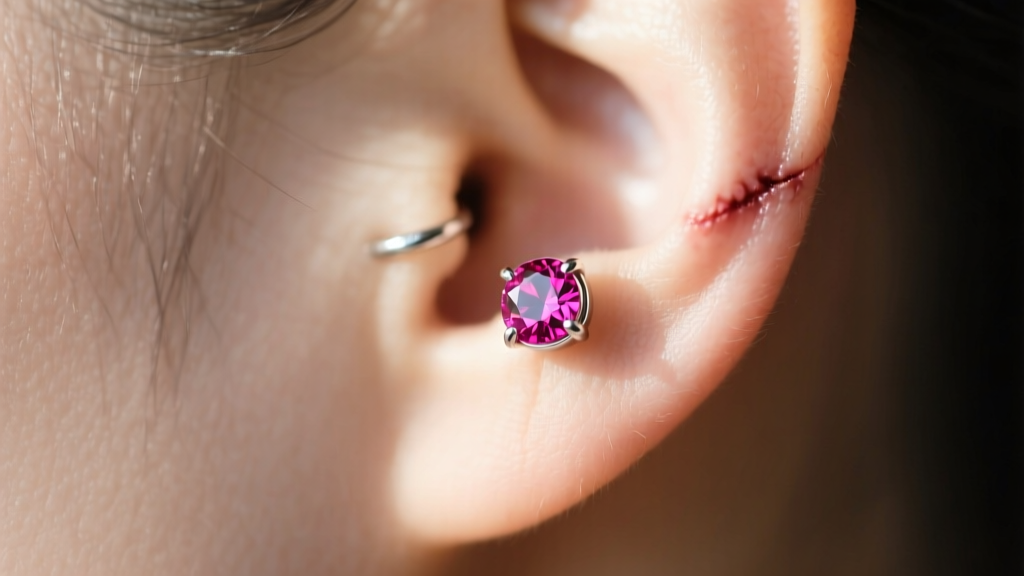
For those seeking brilliance and faceting, gemstones are the premier choice. Natural magenta spinel and lab-created magenta sapphires offer exceptional optical properties. The Gemological Institute of America (GIA) notes that natural spinel is often found in vivid magenta hues due to trace amounts of chromium and iron, offering a single-refractive brilliance that rivals ruby.
- Hardness & Toughness: Sapphire ranks a 9 on the Mohs scale, making it virtually impervious to daily scratching. Spinel ranks an 8, which is still excellent for earring applications. Both possess high toughness, meaning they resist chipping better than heavily included stones like rubellite tourmaline.
- Setting Requirements: Because these stones are valuable, they are typically set in 14k gold bezels or prongs. Prong settings can snag on hair or clothing, making bezel settings the superior choice for active lifestyles or cartilage placements.
4. Acrylic and PMMA Resin Polymers
Acrylic (Poly(methyl methacrylate)) is a lightweight, inexpensive plastic that can be dyed any shade of magenta. While popular in fast fashion, it has severe limitations in fine jewelry and body piercing.
Expert Warning: Acrylic is inherently porous at a microscopic level. It harbors bacteria and can leach plasticizers into the skin when exposed to body heat and sebum. It should never be worn in unhealed piercings or left in the skin for prolonged periods.
Comparative Data: Longevity, Safety, and Cost
To help you weigh your options, we have compiled a technical comparison matrix based on 2026 market data and material science standards.
| Material | Color Mechanism | Mohs / Hardness | Biocompatibility | Avg. Price Range (Studs/Huggies) |
|---|---|---|---|---|
| Implant-Grade Titanium | Anodic Oxide Layer (75-90V) | N/A (Metal) | Excellent (ASTM F136) | $25 - $85 |
| Vitreous Enamel on Gold | Fused Silica Glass | 5.5 - 6.5 | High (14k+ Gold base) | $120 - $350 |
| Lab-Created Spinel/Sapphire | Crystal Lattice Doping | 8.0 - 9.0 | Excellent (Inert Stone) | $90 - $400+ |
| Acrylic / PMMA Resin | Synthetic Chemical Dyes | 2.0 - 3.0 | Poor (Porous/Degrades) | $10 - $30 |
Piercing Placement & Gauge Considerations
The anatomy of your piercing dictates which magenta material is structurally appropriate. Using the wrong gauge or material profile can lead to migration, rejection, or irritation bumps.
Standard Earlobe (20G - 18G / 0.8mm - 1.0mm)
Lobes are forgiving and can support the weight of 14k gold enamel huggies or heavier magenta sapphire drop earrings. Because standard lobe jewelry is often thinner (20G or 18G), ensure that gemstone settings have smooth, rounded posts to prevent tearing the fistula during insertion.
Cartilage, Helix, and Conch (16G - 14G / 1.2mm - 1.6mm)
Cartilage piercings are prone to prolonged swelling and irritation. For these placements, anodized magenta titanium is the undisputed champion. A 16G or 14G titanium flat-back labret or seamless hoop provides the necessary rigidity and biocompatibility. Avoid heavy gemstone clusters in fresh cartilage piercings, as the excess weight can alter the piercing angle during the 6-to-12-month healing phase.
Care Protocols to Prevent Fading and Damage
Maintaining the vividness of your magenta colour earrings requires material-specific care routines. What works for a gemstone will ruin an anodized finish.
- Anodized Titanium: Clean with warm water and a mild, fragrance-free liquid soap. Never use ultrasonic jewelry cleaners or harsh polishing cloths on anodized titanium, as the high-frequency vibrations and mild abrasives can wear down the delicate oxide layer, causing the magenta to fade back to silver.
- Vitreous Enamel: Avoid thermal shock. Do not wear enamel earrings in saunas or hot tubs, as the rapid expansion and contraction of the gold base can cause the glass enamel to crack (craze). Store them in a padded box to prevent metal-on-glass impact.
- Magenta Gemstones: Sapphires and spinels can be safely cleaned in ultrasonic machines. However, if your magenta stone is a coated tourmaline or a fracture-filled ruby, ultrasonic waves will shatter or strip the stone. Always verify the gemstone treatment report before using automated cleaners.
Final Verdict: Which Magenta Material Wins?
There is no single 'best' material; the ideal choice depends entirely on your lifestyle and piercing status. If you are outfitting a fresh cartilage piercing, implant-grade anodized titanium is your only safe option, offering a brilliant magenta hue with zero risk of allergic reaction. For healed lobes and fine jewelry collectors, vitreous enamel over 14k gold provides a rich, opaque magenta that feels luxurious and stands the test of time. Finally, for those seeking maximum brilliance and heirloom durability, a bezel-set lab-created magenta sapphire or natural spinel offers an extra-spectral sparkle that acrylic and resin simply cannot replicate. By matching the material properties to your specific anatomical and aesthetic needs, your magenta earrings will remain vibrant and safe for years to come.


