Pressure Earring for Keloid Scars: A Beginner's Healing Guide
Discover how a pressure earring for keloid scars works. Learn about materials, wear times, and magnetic vs. screw-back options for effective healing.

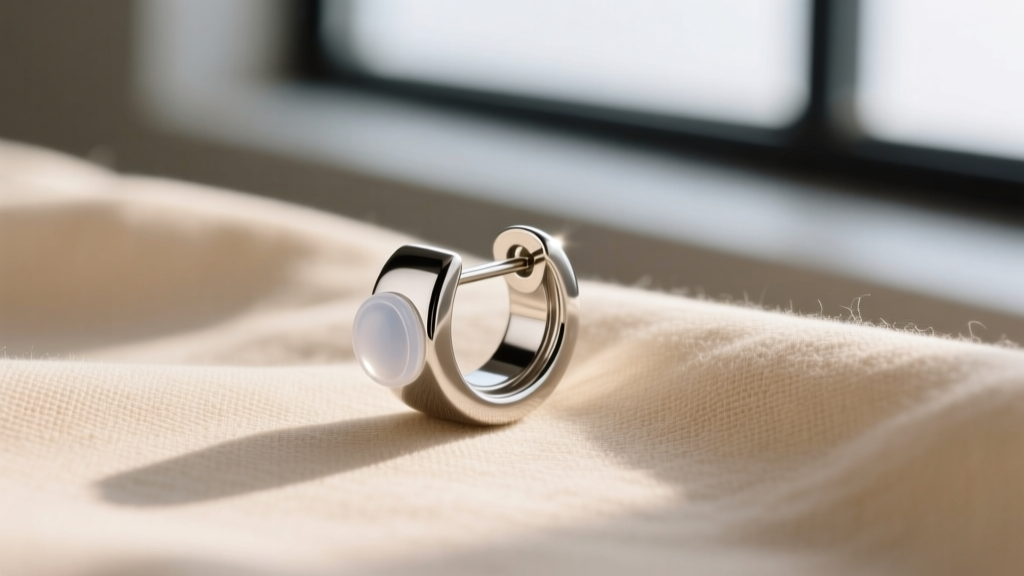
Understanding the Science: What Is a Pressure Earring for Keloid Management?
If you are prone to abnormal scarring, a simple ear piercing can quickly become a source of frustration. Keloids are benign, overgrown tumors of scar tissue that extend beyond the original boundaries of a wound. They occur when the body's collagen production goes into overdrive during the healing process. For those dealing with these stubborn growths on the earlobes or cartilage, a pressure earring for keloid management is often the first line of non-invasive defense.
But how does compression actually stop a scar from growing? The biological mechanism is known as mechanotransduction. When continuous, localized pressure is applied to a healing wound, it induces mild tissue hypoxia (ischemia). According to research published by the National Center for Biotechnology Information, this reduction in oxygen and blood flow downregulates fibroblast activity. In simpler terms, the pressure starves the overactive scar cells of the nutrients they need to produce excess collagen, while simultaneously increasing collagenase activity, which helps break down existing dense scar tissue.
Unlike standard jewelry, a true compression earring is engineered to deliver a specific, continuous force—usually between 15 to 40 mmHg—directly to the piercing site. This makes them an essential tool for both preventing keloids immediately after a piercing and flattening existing scars post-surgery.
Magnetic vs. Screw-Back: Choosing Your Compression Mechanism
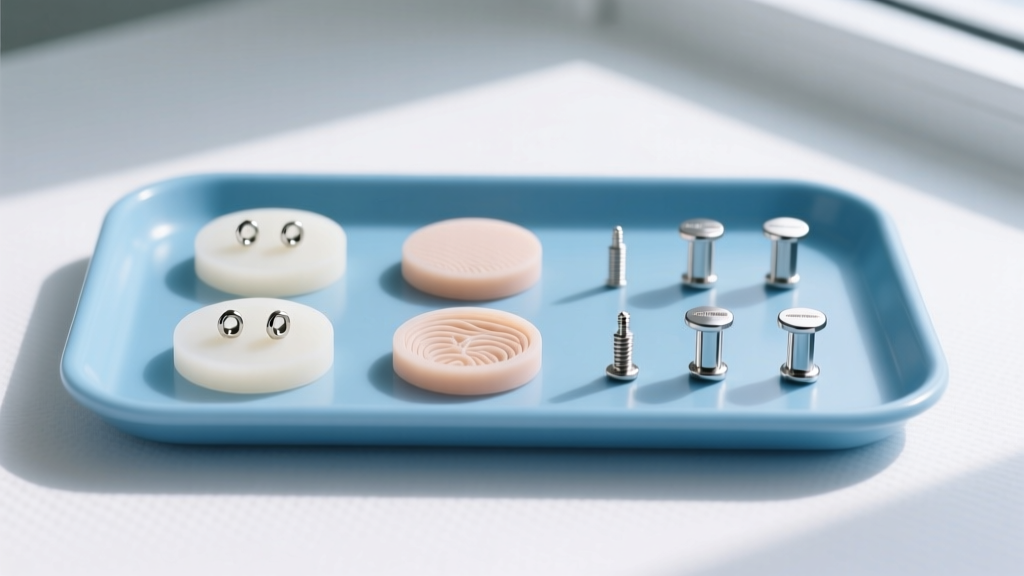
When shopping for a pressure earring for keloid treatment, you will primarily encounter two mechanical designs: magnetic clasps and screw-back tension posts. Each has distinct advantages depending on your dexterity, lifestyle, and the location of the scar.
| Feature | Magnetic Compression Earrings | Screw-Back Tension Earrings |
|---|---|---|
| Mechanism | Neodymium magnets encased in metal or silicone | Threaded post with a tension-adjustable backing |
| Pressure Control | Fixed (determined by magnet strength and pad thickness) | Highly adjustable (user controls the tightness) |
| Ease of Use | Very easy to snap on and off | Requires manual dexterity to thread and adjust |
| Risk of Loss | Moderate (magnets can detach during sleep) | Low (securely threaded in place) |
| Average Price Range | $30 – $85 per set | $90 – $250+ (often custom-machined) |
For beginners, magnetic options are highly recommended due to their ease of application. However, if you are treating a thick, established keloid that requires aggressive, adjustable compression, a custom screw-back piece fabricated by a professional piercer or medical jeweler is the superior choice.
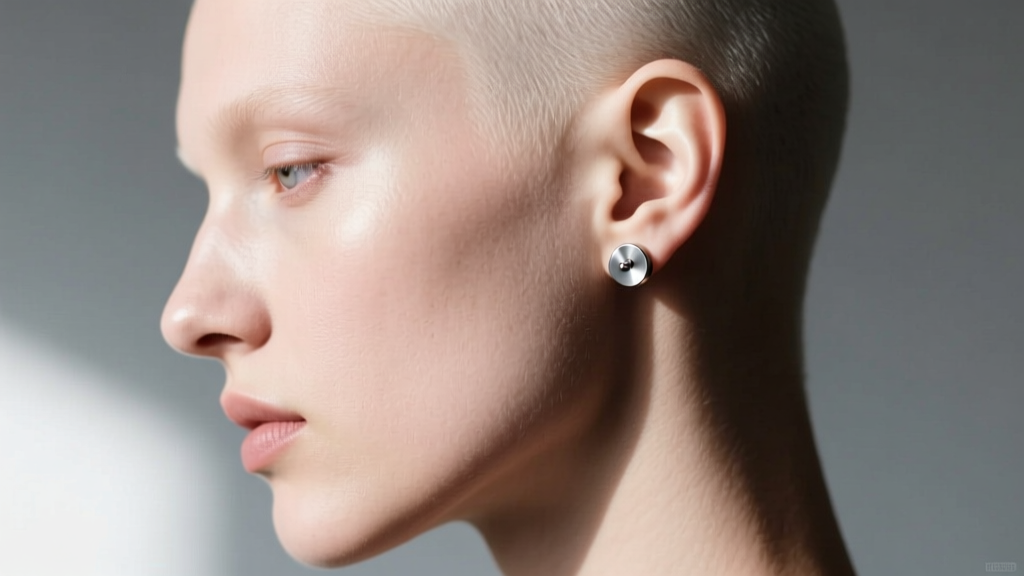
Material Matters: Why Implant-Grade Titanium is Non-Negotiable
The most critical mistake beginners make when buying compression jewelry is prioritizing aesthetics over metallurgy. When dealing with compromised, hyper-reactive scar tissue, the metal touching your skin must be entirely biocompatible.
The Danger of 'Surgical Steel'
Many budget-friendly pressure earrings are marketed as 'surgical steel' or '316L stainless steel.' While 316L is acceptable for fully healed, standard piercings, it contains up to 14% nickel. Keloid-prone skin is highly susceptible to contact dermatitis. Even microscopic amounts of nickel leaching into the tissue can trigger an inflammatory response. Inflammation is the exact catalyst that signals your body to produce more collagen, effectively defeating the purpose of the pressure therapy and potentially worsening the keloid.
The Gold Standard: ASTM F136 Titanium
You must look for jewelry explicitly labeled as ASTM F136 implant-grade titanium. This specific alloy is entirely nickel-free and is the exact same material used in orthopedic joint replacements and cardiac pacemakers. It will not react with your bodily fluids or trigger allergic inflammation. Additionally, the pads that sit against the skin should be made of medical-grade silicone. Silicone not only distributes the pressure evenly across the curved surface of the earlobe but also provides a micro-hydrating environment that further aids in scar flattening.
The Beginner’s Protocol: How to Wear Your Compression Jewelry
Buying the right pressure earring for keloid care is only half the battle; adherence to a strict wearing schedule is what actually yields results. The American Academy of Dermatology notes that pressure therapy requires immense consistency to remodel scar tissue effectively.
- The 23-Hour Rule: You must wear the compression earring for a minimum of 12 to 24 hours a day. Most dermatologists recommend 23 hours, removing it only for cleaning. Intermittent wear allows the tissue to rebound and swell, resetting your progress.
- Duration of Treatment: Be prepared for the long haul. Preventative compression after a fresh piercing should last 3 to 6 months. Flattening an existing, excised keloid requires 6 to 12 months of continuous wear.
- Hygiene Routine: Clean the titanium posts and silicone pads daily with a sterile saline solution (0.9% sodium chloride). Avoid harsh chemicals like rubbing alcohol or hydrogen peroxide, which can dry out the skin and cause micro-fissures.
Troubleshooting Common Pressure Earring Issues
Because pressure therapy relies on restricting blood flow to a localized area, skin breakdown is a genuine risk if the jewelry is improperly fitted or if hygiene is neglected.
Issue 1: Skin Ulceration and Breakdown
If you notice the skin beneath the silicone pad turning white, blistering, or weeping fluid, the pressure is too high, or the area is trapping moisture. Solution: Remove the earring immediately to allow the skin to heal for 24-48 hours. Switch to a thicker medical-grade silicone pad to distribute the force over a wider surface area, reducing the pounds-per-square-inch (PSI) exerted on any single point of the epidermis.
Issue 2: Magnet Detachment During Sleep
Waking up to find your magnetic pressure earring missing is incredibly frustrating and interrupts your therapy schedule. Solution: Invest in a magnetic set that features a secondary silicone O-ring or a friction-sleeve that slides over the magnets to hold them together mechanically while you toss and turn at night.
Integrating Pressure Therapy with Dermatological Treatments
For severe or recurrent keloids, a pressure earring for keloid management is rarely used as a standalone cure. It is most effective when paired with clinical interventions. Dermatologists frequently use intralesional corticosteroid injections (like Kenalog) to chemically break down the collagen bonds within the keloid. However, injections alone have a high recurrence rate.
'The synergy between corticosteroid injections and mechanical compression is well-documented. The steroids reduce the active inflammation and bulk, while the pressure earring physically prevents the fibroblasts from migrating back into the wound bed and rebuilding the tumor.' — Board-Certified Dermatological Guidelines on Scar Revision.
If you are undergoing cryotherapy (freezing the keloid) or receiving steroid injections, your dermatologist will likely instruct you to begin wearing your custom-fitted titanium pressure earring within 48 hours of the procedure to lock in the flattened results.
Final Thoughts on Starting Your Healing Journey
Treating abnormal ear scarring requires patience, precision, and the right tools. By avoiding cheap, nickel-laden metals and committing to a rigorous daily wearing schedule with an ASTM F136 titanium pressure earring, you can successfully remodel your scar tissue. Always consult with a board-certified dermatologist or an APP-certified professional piercer to ensure your compression jewelry is calibrated perfectly to your unique anatomy, setting you on the path to a smooth, healthy healing journey.


