How to Clean and Maintain Your Red Cardinal Earrings
Learn expert cleaning and maintenance tips for red cardinal earrings. Discover material-specific care for enamel, resin, and gemstone bird jewelry.

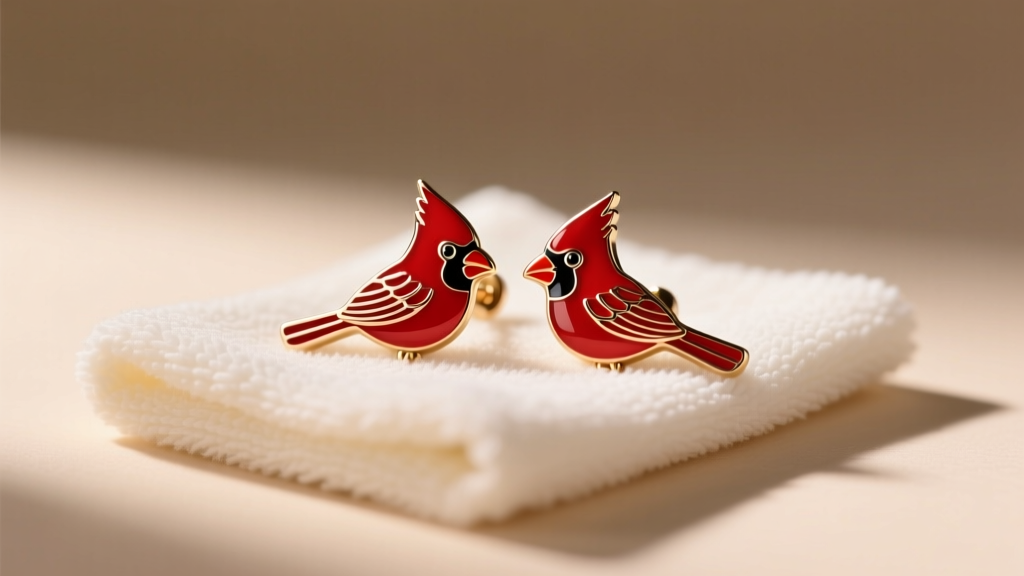
Red cardinal earrings are more than just a seasonal accessory; they are intricate pieces of mixed-media jewelry that often carry deep sentimental value, symbolizing winter beauty, resilience, or a connection to a lost loved one. However, the very details that make avian motif earrings so captivating—vivid crimson enamel, delicate resin feathers, and micro-paved gemstone accents—also make them highly susceptible to environmental damage and improper cleaning. In 2026, as jewelers increasingly blend vintage cloisonné techniques with modern UV-cured resins, understanding the material science behind your jewelry is critical for long-term preservation.
Material Identification: The First Step in Care
Before applying any cleaning solution, you must identify the primary medium of your cardinal earrings. The red pigment and structural base dictate the chemical tolerances of the piece.
Enamel (Cloisonné and Champlevé)
High-end cardinal earrings often use vitreous enamel, which is essentially crushed glass fused to a metal base at extreme temperatures. While the glass itself is hard (Mohs 5.5 to 7), it is highly brittle. The red color is typically derived from copper or selenium compounds, which can oxidize or dull if exposed to harsh acids or prolonged moisture.
Poured Resin and Acrylics
Fashion and mid-tier jewelry frequently utilize cast resin to achieve the deep, translucent red of a cardinal's plumage. Resin is significantly softer (Mohs 2 to 3) and porous. Modern 2026 resin formulations often include UV inhibitors, but older pieces or lower-grade acrylics will yellow and craze (develop micro-cracks) when exposed to alcohol-based cleaners or direct sunlight.
Natural Gemstones (Garnet, Coral, and Ruby)
Some luxury cardinal earrings use faceted garnets or carved red coral for the bird's body. According to the Gemological Institute of America (GIA), garnets are relatively durable but can suffer from thermal shock. Red coral, however, is an organic gemstone with a Mohs hardness of just 3.5 to 4, making it incredibly sensitive to acids, including the natural lactic acid in human sweat.
Common Failure Modes in Avian Motif Jewelry
Bird-shaped jewelry presents unique structural vulnerabilities that standard geometric earrings do not. Recognizing these failure modes will help you adjust your maintenance routine.
- Enamel Micro-Chipping: The beak and wingtips of cardinal studs are high-stress protrusion points. Bumping these against hard surfaces causes microscopic chips that eventually lead to large enamel flaking.
- Verdigris Buildup in Crevices: Cast metal feathers create deep grooves where sebum, dead skin cells, and cosmetic powders accumulate. If the base metal is brass or copper, this organic buildup traps moisture, accelerating the creation of verdigris (a toxic green corrosion).
- Resin Yellowing and Clouding: Using commercial jewelry dips containing ammonia or thiourea will instantly cloud the surface of red resin, permanently ruining the optical clarity of the cardinal's feathers.
Material-Specific Cleaning Protocols
To safely restore the brilliance of your earrings without compromising their structural integrity, follow this material-specific matrix. Never use ultrasonic cleaners on mixed-media bird jewelry; the cavitation bubbles can shatter enamel and fracture internal gemstone inclusions.
| Material | Safe Cleaning Agent | Strictly Avoid | Recommended Tool |
|---|---|---|---|
| Vitreous Enamel | pH-neutral dish soap & distilled water | Ultrasonics, Ammonia, Vinegar | Lint-free microfiber cloth |
| Cast Resin / Acrylic | Mild glycerin-based soap | Alcohol, Acetone, Commercial Dips | Extra-soft baby toothbrush |
| Red Coral (Organic) | Damp cloth only (no soaking) | ALL liquids, Acids, Ultrasonics | Untreated cotton swab |
| Garnet / Ruby | Warm soapy water | Steam cleaners, Hydrofluoric acid | Soft nylon detailing brush |
The Step-by-Step Wash for Enamel and Resin
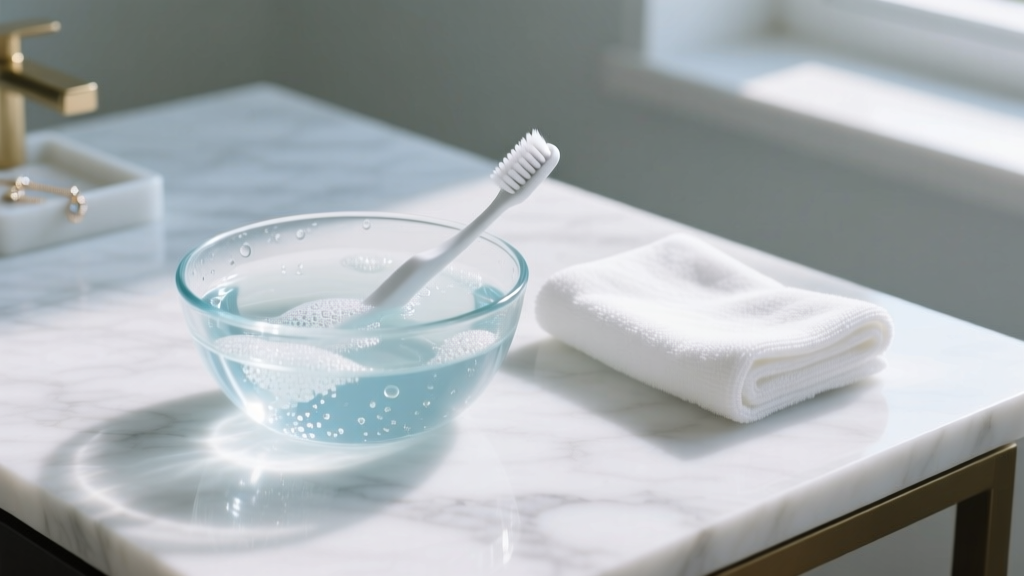
- Prepare the Solution: Mix three drops of pH-neutral, dye-free dish soap into a glass bowl of lukewarm (never hot) distilled water. Tap water contains chlorine and minerals that can leave microscopic water spots on glossy enamel.
- Targeted Agitation: Dip an extra-soft baby toothbrush into the solution. Gently flick the bristles along the grooves of the cardinal's feathers. Do not scrub in circles, as this can grind trapped dirt into the softer metal or resin base.
- The Rinse: Briefly hold the earrings under a slow stream of lukewarm distilled water to remove soap residue.
- Drying: Immediately pat dry with a microfiber cloth. Use a wooden toothpick wrapped in a tissue to wick away trapped moisture from the earring post and friction back crevices.
Deep Cleaning Hardware: Posts, Hinges, and Clasps
The hardware of your cardinal earrings—usually the post, butterfly back, or French wire hook—requires a different approach than the decorative face. Most fashion jewelry uses gold-plated or rhodium-plated brass, while fine jewelry utilizes 14k/18k gold or sterling silver.
If your earring posts are sticking or causing irritation, the issue is likely a buildup of oxidized sebum and nickel salts. For standard 20-gauge or 18-gauge lobe posts, use a cotton swab dipped in 70% isopropyl alcohol to sanitize and degrease the metal. Warning: You must meticulously avoid letting the alcohol touch the red enamel or resin body of the cardinal, as it will strip the protective topcoat and dull the crimson finish. If your earrings feature sterling silver hardware that has blackened (tarnished), use a treated silver polishing cloth. Never use liquid silver dips, as the harsh chemicals will permanently stain porous red coral or unsealed resin.
Restoring Faded Paint and Resin Yellowing
If your vintage resin cardinal earrings have begun to yellow or the hand-painted details are flaking, standard cleaning will not reverse the damage. Yellowing in resin is a photochemical reaction caused by UV exposure breaking down the polymer chains. While you cannot reverse deep yellowing, you can restore surface clarity using a specialized plastic polish, such as Novus No. 2 Fine Scratch Remover. Apply a micro-drop to a cotton pad and buff the resin gently. For flaking paint on antique pieces, consult a professional jewelry conservator; attempting to seal it with clear nail polish will trap moisture and accelerate the degradation of the underlying metal armature.
Proper Storage to Preserve the Crimson Finish
How you store your red cardinal earrings between wears is just as important as how you clean them. Environmental factors in your bedroom or bathroom can silently destroy delicate jewelry.
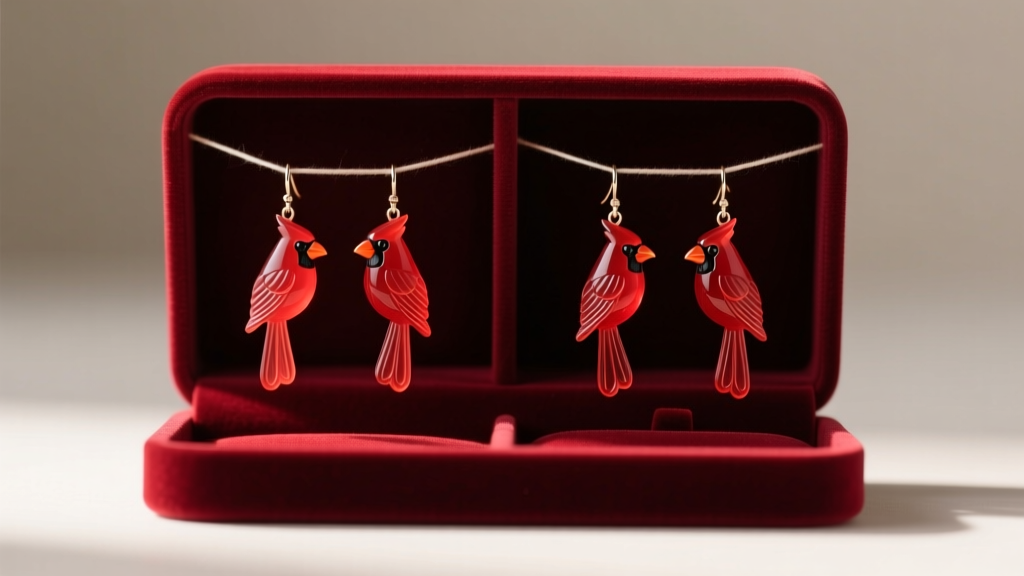
- UV Protection: Store your earrings in a closed, opaque jewelry box. Prolonged exposure to ambient sunlight will fade the red dyes in resin and degrade the structural integrity of organic gems like coral.
- Humidity Control: Bathrooms are the worst place to store jewelry. The fluctuating humidity from showers accelerates the tarnishing of silver and brass hardware. Keep your earrings in a climate-controlled room with a silica gel desiccant packet in the jewelry box to maintain a dry micro-environment.
- Physical Separation: Because enamel is essentially glass and resin is easily scratched, cardinal earrings must be stored in individual soft pouches or divided velvet compartments. Allowing a diamond-accented ring or a harder gemstone to rest against your enamel cardinal will result in permanent, unfixable scratches.
Expert Takeaway: The longevity of your red cardinal earrings relies on a 'less is more' approach to chemicals. When in doubt about a material's composition, rely on mechanical cleaning (a dry microfiber cloth) rather than risking a chemical reaction that could strip the vibrant crimson finish or cloud the resin.
By adhering to these material-specific protocols, you ensure that your cardinal earrings remain a vivid, structurally sound symbol of beauty for decades to come. For more information on organic gemstone care, refer to the GIA's Coral Care Guide to understand the unique vulnerabilities of oceanic materials used in luxury avian jewelry.


