How to Clean and Restore Vintage 90s Earrings Safely
Learn expert techniques to clean, restore, and maintain authentic 90s earrings. Discover safe methods for flash-plated metals, lucite, and rhinestones.

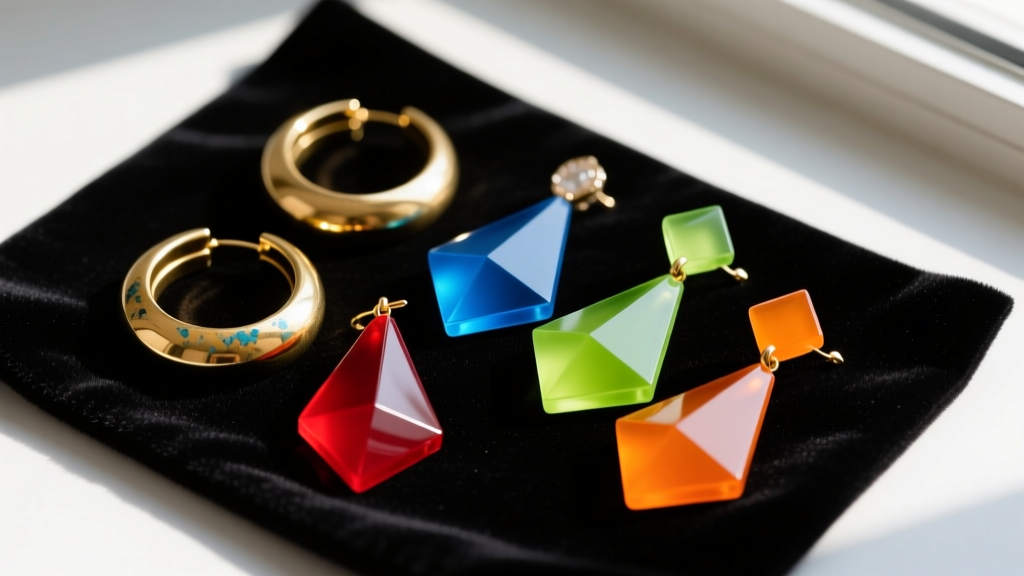
The Unique Material Profile of 1990s Jewelry
The resurgence of late-20th-century fashion has made authentic 90s earrings highly collectible. From chunky acrylic hoops and minimalist gold-tone geometric studs to delicate rhinestone chandeliers, these pieces represent a unique era of costume jewelry manufacturing. However, maintaining them requires a deep understanding of the specific limitations of 1990s mass-production techniques. Unlike solid precious metals, vintage costume jewelry relies on complex composite materials that degrade predictably if subjected to modern, aggressive cleaning methods.
The most critical factor in restoring these pieces is recognizing the prevalence of 'flash plating.' According to conservation guidelines from the Victoria and Albert Museum, costume jewelry from this era often features a gold or silver layer that is less than 0.5 microns thick, electroplated over brass, copper, or nickel-silver alloys. Standard silver dips or ultrasonic cleaners will strip this microscopic layer in seconds, exposing the base metal to rapid oxidation. Furthermore, the widespread use of early injection-molded plastics, lucite, and foil-backed glass stones demands highly specialized, non-aqueous cleaning protocols.
Essential Tools and Chemical Agents
Before attempting to clean any vintage piece, you must assemble the correct toolkit. The Gemological Institute of America (GIA) emphasizes that improper chemical agents are the leading cause of irreversible damage to costume jewelry. Below is a decision matrix for matching cleaning agents to common 1990s earring materials.
| Material Type | Safe Cleaning Agents | Strictly Avoid |
|---|---|---|
| Flash-Plated Base Metals | Distilled water, mild pH-neutral surfactant (e.g., Dawn), microfiber cloth | Silver dip, ultrasonic cleaners, baking soda paste, toothpaste |
| Lucite and Acrylic Plastics | Novus Plastic Polish System, mild soap, soft cotton flannel | Alcohol, acetone, ammonia, glass cleaner, paper towels |
| Foil-Backed Rhinestones | Dry microfiber, soft makeup brush, compressed air | Any liquid, steam cleaners, ultrasonic baths |
| Faux Pearls (Coated Glass) | Damp microfiber cloth, distilled water only | Vinegar, lemon juice, ultrasonic, abrasive polishing cloths |
| Enamel Inlay | Soft dry brush, mild soapy water (avoid soaking) | Acetone, alcohol, hard-bristled brushes |
Step-by-Step Cleaning Protocols by Material
Gold-Tone and Silver-Tone Base Metals
To clean flash-plated 90s earrings, prepare a solution of lukewarm distilled water and a single drop of pH-neutral dish soap. Distilled water is crucial; tap water contains chlorine and dissolved minerals that can cause microscopic pitting on exposed brass or copper alloys. Dip a soft-bristled baby toothbrush into the solution and gently agitate the surface of the earring, paying special attention to the crevices of the earring post and the butterfly clutch. Rinse quickly under a low stream of distilled water and immediately pat dry with a lint-free microfiber cloth. If tarnish persists on the base metal, use a treated polishing cloth (like a Sunshine cloth) with extreme, feather-light pressure. Rubbing too hard will generate friction heat and physically erase the flash plating.
Lucite, Acrylic, and Resin Hoops
Chunky translucent plastics were a staple of 90s ear fashion, but they are highly susceptible to micro-scratching and chemical clouding. Never use alcohol or ammonia-based cleaners on acrylic, as these solvents cause 'crazing'—a network of fine internal cracks that permanently ruins the material's clarity.
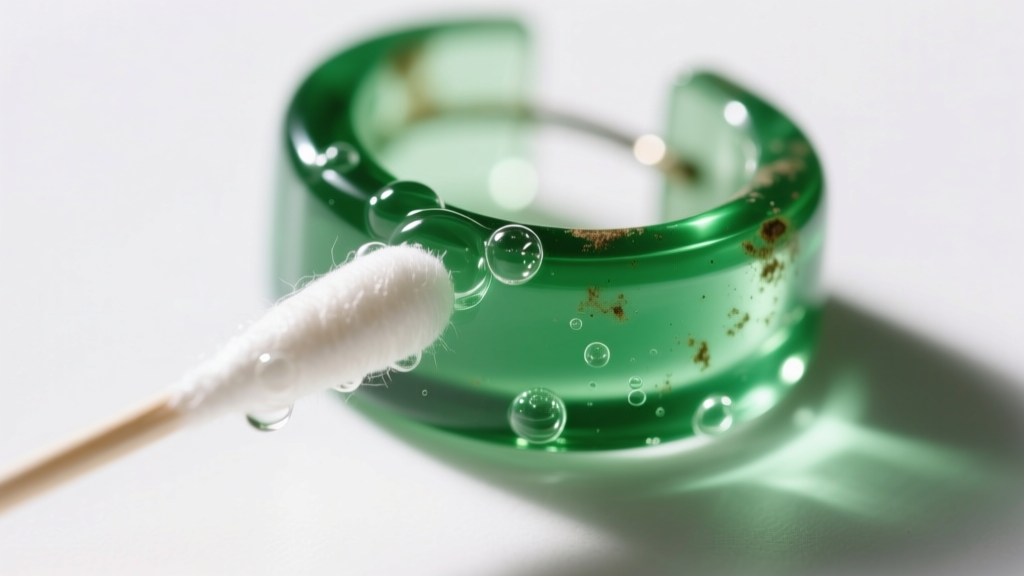
For routine dusting, use a clean, dry microfiber cloth. If the lucite has developed surface scratches or a cloudy haze from years of contact with skin oils and cosmetics, you must use a specialized plastic polish. The Novus Plastic Polish System is the industry standard. Apply Novus No. 2 (Fine Scratch Remover) with a soft cotton flannel cloth, buffing in small circular motions. Follow up with Novus No. 1 (Clean and Shine) to restore the optical clarity of the acrylic. This process safely removes the damaged top layer of the plastic without compromising the structural integrity of the earring.
Rhinestone and Faux-Pearl Drops
In the 1990s, the majority of mass-market rhinestone earrings utilized glass stones with a delicate metallic foil backing to create sparkle. These stones were typically glued into stamped metal settings rather than prong-set. Submerging these earrings in water will cause the adhesive to dissolve and the foil backing to oxidize and turn black, effectively killing the stone's brilliance.
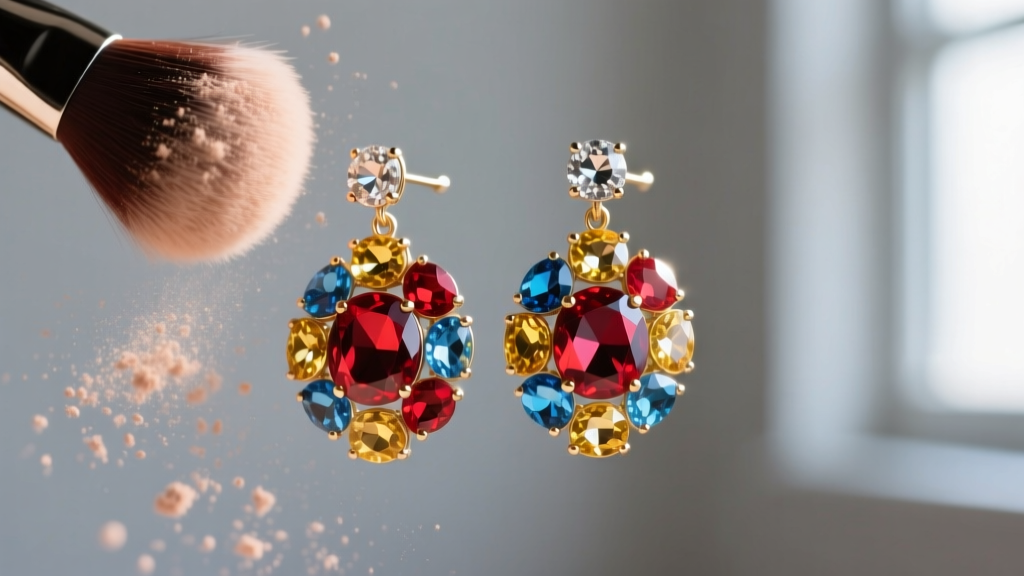
Cleaning must be entirely mechanical. Use a soft, clean makeup brush or a specialized jewelry dusting brush to dislodge dirt from the settings. For stubborn grime around the prongs, lightly dampen a cotton swab with distilled water—ensure it is barely damp, not wet—and carefully trace the metal borders, avoiding the glass entirely. Faux pearls from this era are usually glass beads coated with a pearlescent fish-scale or mica suspension. Acidic cleaners like vinegar will strip this coating instantly. Wipe them gently with a barely damp cloth and dry immediately.
Troubleshooting Common 90s Earring Failures
The 'Green Ear' Oxidation Problem
A frequent complaint with vintage 90s base-metal earrings is the green or black discoloration left on the earlobe. This is not an allergic reaction, but a chemical reaction between the copper content in the brass alloy and the salts and acids in human sweat, resulting in copper chloride. To prevent this without damaging the earring, apply a micro-thin layer of clear nail polish or a specialized jewelry barrier cream to the earring post and the back of the clutch. Allow it to cure completely before wearing. Reapply every few weeks as the barrier wears away from friction.
Fixing Loose Omega Clip-Backs and Hinges
Clip-on earrings were immensely popular in the early 90s, often utilizing omega-style backs or simple paddle clips. Over decades, the metal fatigues, and the hinge tension loosens, causing the earring to slide off the earlobe. To restore the tension, you must use nylon-jaw pliers. Standard steel jewelry pliers will mar the soft base metal and strip the plating. Gently squeeze the hinge area or the paddle clip with the nylon-jaw pliers, applying incremental pressure. Test the tension frequently. If a solder joint on the hinge has failed, do not attempt to solder it yourself; the high heat required for silver or brass solder will melt the surrounding plastic components and scorch the flash plating. Take it to a professional bench jeweler who specializes in costume jewelry laser welding.
Re-Setting Loose Rhinestones Safely
When the original factory adhesive dries out and a rhinestone falls out, never use cyanoacrylate (Super Glue). As cyanoacrylate cures, it releases fumes that cause 'frosting'—a permanent, cloudy white haze that will ruin the surrounding glass stones. Instead, use a flexible, archival-quality jewelry adhesive. For tiny pave stones, GS Hypo Cement offers a precision needle applicator that prevents glue from oozing over the facets. For larger cabochons or heavy acrylic elements, E6000 provides a stronger, flexible bond that can withstand the thermal expansion and contraction of the metal settings.
Archival Storage for Vintage Plastics and Plating
Proper storage is the final, critical step in maintaining 90s earrings. Base metals are highly reactive to sulfur and humidity. Store these pieces in airtight, PVC-free ziplock bags with 3M anti-tarnish strips, which absorb airborne sulfur compounds. Keep the relative humidity in your storage area below 45% to prevent microscopic pitting and 'bronze disease' on copper-heavy alloys.
Lucite and acrylic earrings must be stored away from direct UV light, which causes photo-degradation, leading to yellowing and brittleness. Wrap acrylic pieces individually in sulfur-free, acid-free tissue paper to prevent them from scratching against one another. Never store different types of plastics touching each other; early 90s PVC-based plastics can off-gas plasticizers that will chemically melt the surface of adjacent acrylic or resin pieces. By adhering to these rigorous conservation standards, you can preserve the structural integrity and aesthetic brilliance of your 90s earring collection for decades to come.


