White Buffalo Turquoise Earrings: 2026 Value & Pricing Guide
Discover the true value of white buffalo turquoise earrings in 2026. Learn pricing tiers, spot fakes, and assess budget vs. quality for your next buy.

The Gemological Reality: What Are You Actually Buying?
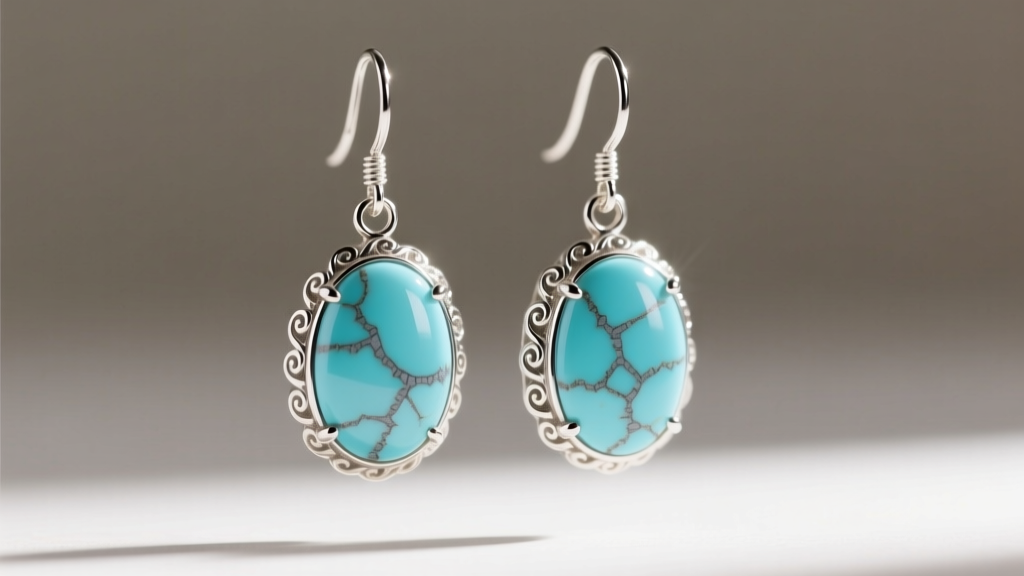
Before assessing the budget and value of white buffalo turquoise earrings in 2026, we must address a fundamental gemological truth: true turquoise is a copper and aluminum phosphate, which inherently gives it a blue or green hue. Geologically speaking, "white turquoise" does not exist. So, what exactly is the jewelry market selling under the highly sought-after "White Buffalo" moniker?
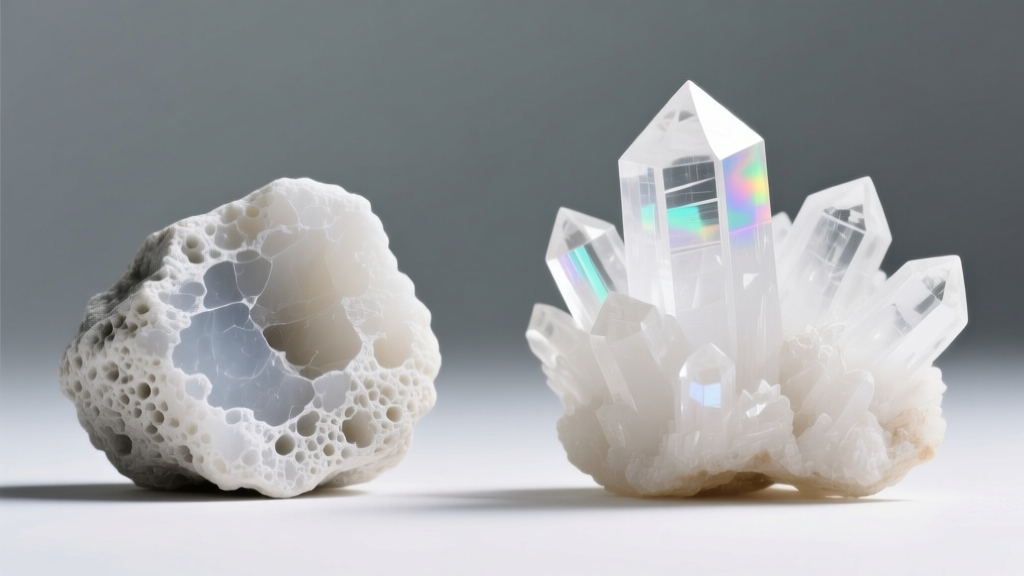
The original White Buffalo stone was mined from the Dry Creek mine in Nevada. According to the Gemological Institute of America (GIA), this material is not actually turquoise, but rather a white calcite or quartz matrix featuring a striking black chert or flint webbing. Because the Dry Creek mine is largely depleted, authentic pieces are exceptionally rare. Today, the market is heavily saturated with white magnesite and howlite that are either left natural or dyed to mimic the look of the original stone. The Mindat.org Mineral Database classifies magnesite and howlite as distinct carbonate minerals with vastly different Mohs hardness ratings (3.5 to 4.5) compared to true turquoise (5 to 6).
Understanding this distinction is the cornerstone of evaluating value. When you shop for white buffalo turquoise earrings, you are primarily paying for the lapidary craftsmanship, the metal setting, and the rarity of the specific stone variant, rather than the copper-based turquoise premium.
2026 Pricing Tiers for White Buffalo Turquoise Earrings
To help you navigate the market, we have categorized white buffalo earrings into three distinct pricing tiers based on material authenticity, metal quality, and structural integrity. This framework will help you determine if a piece is fairly priced or grossly inflated.
| Value Tier | Stone Material | Metal Setting | 2026 Price Range | Investment Rating |
|---|---|---|---|---|
| Budget / Fashion | Dyed Howlite / Resin | Silver-plated Brass | $25 - $65 | Low (Costume) |
| Mid-Range Artisan | Natural White Magnesite | 925 Sterling Silver | $85 - $220 | Medium (Daily Wear) |
| High-End Authentic | Dry Creek Calcite/Quartz | Argentium Silver / 14k Gold | $350 - $850+ | High (Collector) |
Budget Tier: The Dyed Howlite Trap ($25 - $65)
At the lower end of the spectrum, you will find earrings utilizing howlite—a highly porous, chalky white mineral that absorbs dye easily. Manufacturers dye howlite black and grey to replicate the matrix of genuine White Buffalo. While visually similar from a distance, dyed howlite lacks the crystalline luster of true calcite. Furthermore, budget earrings often use brass plated with a microscopic layer of silver. The value here is strictly aesthetic; expect the plating to wear off within a year of daily use, and the dye to potentially fade or rub off with exposure to cosmetics and sweat.
Mid-Range Artisan Tier: Natural Magnesite ($85 - $220)
This is the sweet spot for most buyers seeking high-quality fashion jewelry. Natural, undyed white magnesite offers a beautiful porcelain-like finish with natural grey inclusions. When set in solid 925 sterling silver with secure bezel settings, these earrings offer excellent durability and style. The value proposition here is strong, provided the lapidary work is clean (no excessive epoxy bleeding over the stone edges) and the silver is stamped and polished.
High-End Authentic Tier: True Dry Creek Origin ($350 - $850+)
For collectors and purists, earrings featuring certified Dry Creek mine material command a premium. Because the stone is naturally brittle, high-end lapidaries often use the Zachery stabilization process or back the cabochons with Devcon epoxy to ensure they survive the pressure of bezel setting. When paired with tarnish-resistant Argentium silver or 14k yellow gold (which provides a stunning contrast to the stark white stone), these earrings are heirloom-quality investments that retain their value over time.
Structural Value: Metals, Gauges, and Weight Management
A common mistake buyers make is focusing solely on the stone while ignoring the earring's structural engineering. White buffalo cabochons—especially the thicker, high-dome cuts favored by Native American and Southwestern artisans—are surprisingly heavy. This weight directly impacts the comfort and longevity of the earring.
Gauge Sizing and Earlobe Health
For drop and dangle styles, the gauge (thickness) of the ear wire is critical. A standard 22-gauge (0.64mm) wire is too thin to support a heavy magnesite or calcite cabochon. Over time, the weight will pull on the piercing, causing discomfort and potentially tearing the earlobe. When assessing value, look for dangles crafted with 18-gauge (1.0mm) or 16-gauge (1.2mm) ear wires. These thicker wires distribute the weight more evenly and maintain their shape without bending.
Backing Mechanisms for Studs
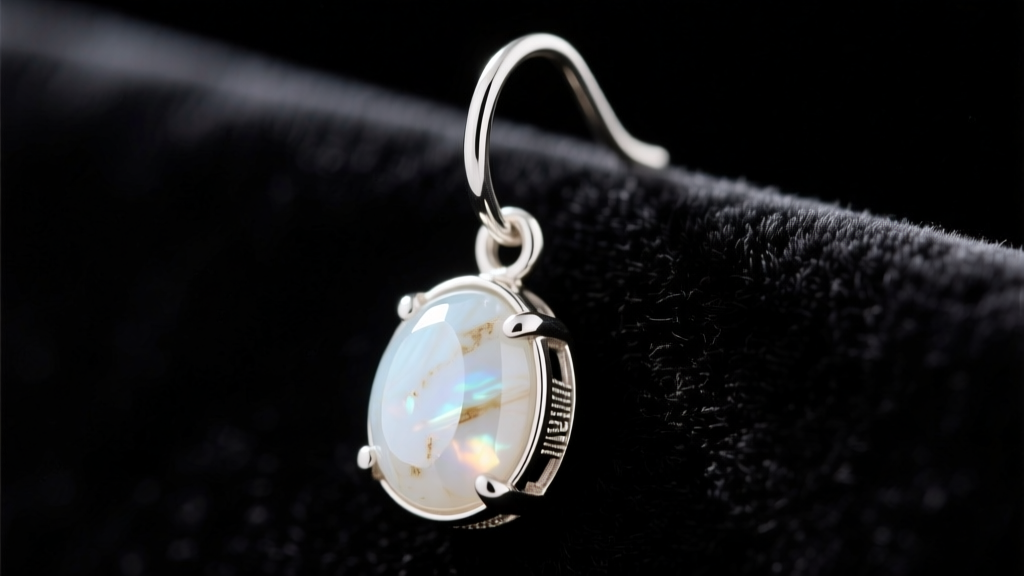
If you prefer studs, the backing mechanism is your primary value indicator. Standard friction backs (butterfly clasps) are inadequate for heavy white buffalo stones; they easily slip off, risking the loss of your investment. High-value white buffalo studs will feature screw-backs or locking clutch backs (such as La Pousette mechanisms). If a seller is charging over $150 for a pair of heavy stone studs with cheap friction backs, the structural value is compromised.
How to Authenticate and Avoid Overpaying
Armed with knowledge, you can confidently evaluate white buffalo turquoise earrings using this practical checklist before making a purchase:
- The Visual Matrix Test: Genuine Dry Creek calcite features sharp, distinct, and somewhat angular black webbing (chert). Dyed howlite often exhibits soft, blurred, or "spidery" black veins where the dye has bled into the porous stone.
- The Acetone Swab Test: If you already own a pair and suspect they are dyed howlite, gently rub a cotton swab dipped in 100% acetone (nail polish remover) on an inconspicuous part of the black matrix. If the swab turns black or grey, the stone is dyed and belongs in the budget tier.
- Request Lapidary Disclosure: According to the Federal Trade Commission (FTC) Jewelry Guides, sellers must disclose any treatments, including dyeing and stabilization. Ask the seller directly: "Is this stone dyed, stabilized, or natural?" A reputable dealer will provide transparent answers.
- Check the Temperature: True calcite and quartz (genuine White Buffalo) feel noticeably cold to the touch and take longer to warm up in your hand compared to howlite or resin composites, which feel closer to room temperature.
Final Verdict: Where Should You Invest Your Budget?
If your goal is everyday wear and trend-focused styling, the Mid-Range Artisan Tier ($85 - $220) offers the best overall value. Natural white magnesite set in solid sterling silver provides the authentic Southwestern aesthetic without the exorbitant collector's premium. Ensure the earrings feature 18-gauge wires for dangles or locking backs for studs to guarantee structural longevity.
However, if you are building a fine jewelry collection and demand geological rarity, allocate a budget of $400+ and seek out independent lapidaries who can provide provenance for Dry Creek mine material. By understanding the gemological realities and structural requirements of white buffalo turquoise earrings, you can navigate the 2026 market with confidence, ensuring every dollar spent translates into lasting beauty and quality.


