How to Clean, Restore, and Style Vintage RLM Earrings
Learn how to safely clean, restore, and style vintage RLM earrings. Expert steps for preserving patina on Robert Lee Morris sculptural designs.

The Legacy of RLM (Robert Lee Morris) Earrings
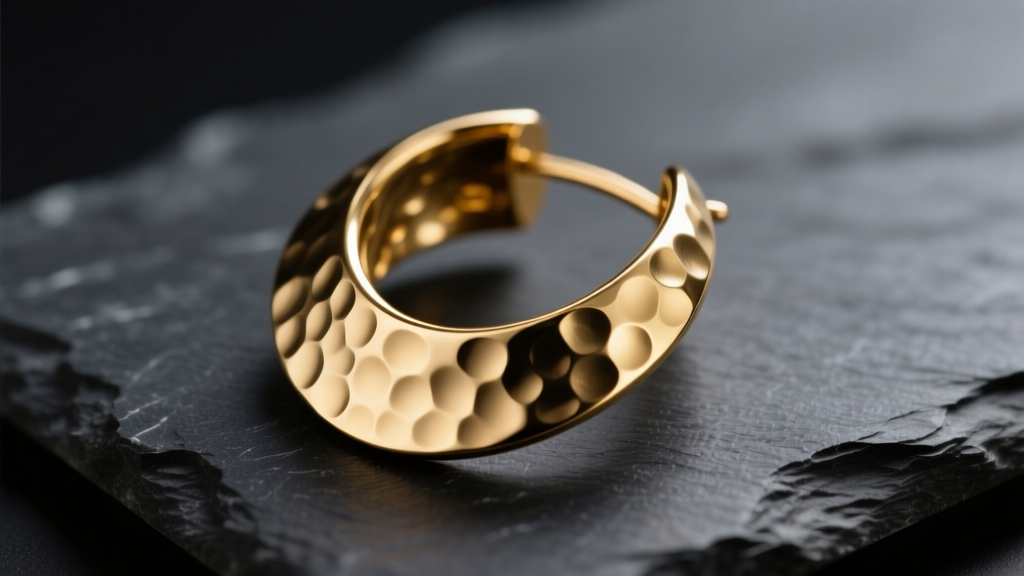
When collectors and stylists refer to RLM earrings, they are talking about the iconic, sculptural fashion jewelry created by legendary designer Robert Lee Morris. Emerging in the 1970s and defining the bold, architectural aesthetics of the 1980s and 1990s, Morris’s pieces were famously championed by designers like Donna Karan and Calvin Klein. Today, vintage RLM earrings are highly sought after for their organic shapes, heavy hammered textures, and distinctive matte gold or oxidized silver finishes.
However, because RLM pieces are primarily crafted from base metals (such as brass or pewter) with thick electroplated finishes, they require a highly specific approach to cleaning and restoration. Using standard jewelry dips or ultrasonic cleaners will instantly strip the plating and ruin the collectible value of the piece. This comprehensive guide will walk you through the exact steps to clean, restore, and style your vintage RLM earrings while preserving their historical integrity and signature patina.
Step 1: Identifying the Metal and Finish
Before applying any moisture or cleaning agents, you must identify the specific metal composition of your RLM earrings. Robert Lee Morris rarely used solid precious metals for his mainline fashion collections; instead, he relied on high-quality cast base metals with specialized plating techniques to achieve his signature matte, artisanal look.
| Base Material | Plating / Finish | Primary Vulnerabilities | Identifying Marks |
|---|---|---|---|
| Cast Brass | 22k Matte Gold Electroplate | Ammonia, sweat, acidic skin pH, friction | Heavy weight, warm undertone, 'RLM' stamp |
| Cast Pewter | Antiqued Silver Plate | Sulfur, high humidity, harsh polishing cloths | Lighter weight, cool grey undertone, dark crevices |
| Resin / Lucite Accents | N/A (Often paired with metal) | Alcohol, acetone, extreme heat | Translucent or opaque colored inlays |
According to the Gemological Institute of America (GIA), electroplated fashion jewelry requires pH-neutral cleaning agents. The matte finish on vintage RLM gold pieces is actually a result of a specific brushing technique applied to the plating; aggressive polishing will turn this beautiful matte surface into an unnatural, high-gloss shine, severely diminishing its vintage appeal.
Step 2: The Safe Cleaning Process
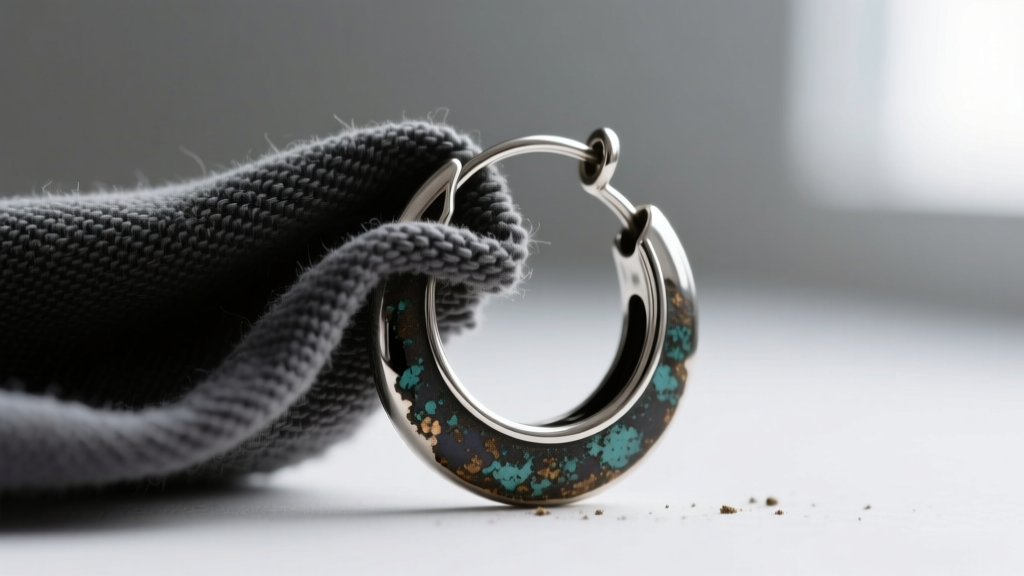
The goal of cleaning vintage RLM earrings is to remove decades of accumulated sebum, hairspray, and environmental dust without disturbing the oxidized antiquing in the crevices or the delicate matte plating on the surface.
Materials Required
- Distilled water (tap water contains minerals that can cause spotting on base metals)
- pH-neutral liquid dish soap (e.g., original blue Dawn, free of lotions or citrus additives)
- Ultra-soft baby toothbrush or a clean, soft-bristled makeup blending brush
- Lint-free microfiber cloths
- Wooden toothpicks (for precise crevice cleaning)
Step-by-Step Washing Technique
- Create the Solution: Mix two drops of pH-neutral dish soap into a small bowl of lukewarm distilled water. Avoid hot water, as extreme temperature shifts can cause the base metal and the gold plating to expand at different rates, leading to micro-cracking in the finish.
- Surface Dusting: Before introducing moisture, gently brush the earrings with the dry makeup brush to dislodge any loose particulate matter. This prevents scratching the plating during the wet wash.
- Gentle Agitation: Dip the soft baby toothbrush into the soapy solution and gently tap it against the side of the bowl to remove excess water. You want the brush damp, not dripping. Gently sweep the bristles over the textured surfaces of the RLM earrings.
- Crevice Detailing: For deep hammered grooves where green corrosion or black oxidation hides, use a wooden toothpick. Never use metal needles or safety pins, as they will permanently scratch the soft brass or pewter beneath the plating.
- Rinsing and Drying: Quickly rinse the earrings under a gentle stream of distilled water. Immediately pat them completely dry with a microfiber cloth. Follow up by using a hairdryer on the 'cool' setting to ensure no moisture remains trapped in the ear wire coils or hinge mechanisms.
Expert Warning: Never use commercial silver dips, ammonia-based glass cleaners, or ultrasonic jewelry machines on RLM earrings. As noted by Lang Antiques University, chemical dips strip the intentional antiquing (patina) from vintage pieces, leaving them looking flat, overly bright, and distinctly modern.
Step 3: Restoring Hardware and Ear Wires
One of the most common issues with vintage RLM earrings from the 1980s and 1990s is the degradation of the ear wires. Because the original wires were often made from base metals or lower-karat gold alloys, they are prone to snapping, losing their tension, or causing contact dermatitis for modern wearers with sensitive ears.
Removing Verdigris (Green Corrosion)
If you spot a waxy, bright green substance around the base of the ear wire or the jump rings, this is verdigris—a copper carbonate corrosion that occurs when brass reacts with moisture and skin acids. To remove it safely, dip a cotton swab in a tiny amount of mineral oil and gently rub the affected area. The oil softens the verdigris without attacking the surrounding gold plating. Wipe away the residue with a dry cotton swab.
Upgrading to Hypoallergenic Wires
If the original ear wires are hopelessly bent or causing irritation, replacing them is a necessary restoration step. Pro-Tip: Purchase 20-gauge or 22-gauge niobium or implant-grade titanium French wires. Niobium is highly biocompatible and can be purchased in a 'champagne' anodized color that closely mimics the warm, matte 22k gold tone of vintage RLM pieces. Using chain-nose pliers with nylon jaw covers, gently open the jump ring on the RLM earring, swap the wire, and close the ring securely to prevent loss.

Step 4: Styling Sculptural RLM Earrings in 2026
Robert Lee Morris designed his earrings to be wearable art. In 2026, the fashion landscape heavily favors 'Quiet Luxury' and architectural minimalism, making the bold, organic textures of vintage RLM earrings the perfect focal point for an otherwise restrained outfit. Here is how to style them without looking costumey.
Balancing Proportions and Necklines
Because RLM earrings are notoriously large and heavy—often featuring oversized hammered discs, sculptural coils, or elongated geometric drops—they require the right canvas.
- The High Neckline Rule: Pair oversized RLM drop earrings with high-neck garments like silk turtlenecks, mock-neck ribbed knits, or structured mandarin collars. This eliminates the need for a necklace, allowing the earrings to frame the face unimpeded.
- The Asymmetrical Approach: For a modern, editorial look, wear a single, heavy RLM sculptural earring on one side, leaving the opposite ear bare or adorned with a barely-there micro-stud. This highlights the artistic shape of the vintage piece.
- Hair Placement: Always wear your hair swept up or tucked behind the ears when wearing RLM statement pieces. The intricate hammered textures and matte finishes need to catch the light; hiding them behind loose hair defeats their architectural purpose.
Mixing Metals with Intention
Do not be afraid to mix the matte gold of vintage RLM earrings with modern silver hardware on your clothing or accessories. The current styling paradigm embraces mixed metals, provided there is a clear contrast in texture. The heavily textured, antique-looking gold of an RLM piece contrasts beautifully with the sleek, high-polish silver of a modern zipper or a contemporary stainless steel handbag clasp.
Conclusion
Owning a pair of vintage RLM earrings is akin to owning a piece of American fashion history. By understanding the specific vulnerabilities of their electroplated brass and pewter constructions, you can safely clean and restore these wearable sculptures for decades to come. Avoid harsh chemicals, respect the original matte patina, and upgrade the hardware for modern comfort. When styled with intentional minimalism, Robert Lee Morris’s bold designs remain just as breathtaking and relevant today as they were on the runways of 1980s New York.


