A Beginner's Guide to Earrings Small Gold Essentials
Discover how to choose the perfect earrings small gold pieces for daily wear. Learn about 14k vs 18k purity, gauge sizes, and sensitive ear tips.


Building a curated, everyday jewelry collection inevitably leads to one foundational search: earrings small gold styles. Whether you are looking for a pair of minimalist studs for the office, tiny huggies for a stacked lobe look, or a delicate cartilage piece, small gold earrings are the undisputed workhorses of modern accessorizing. However, the market is saturated with misleading terminology, confusing karat stamps, and questionable backing mechanisms that can irritate sensitive skin.
For beginners, navigating the difference between gold-filled, vermeil, and solid gold is crucial for both the longevity of the jewelry and the health of your piercings. In this comprehensive guide, we break down the exact metallurgical specs, gauge measurements, and structural details you need to know before purchasing your next pair of small gold essentials.
Decoding Gold Purity: Why 24k is a Trap for Earrings
A common beginner mistake is assuming that higher karat gold is always better. While 24-karat gold is 99.9% pure and holds immense monetary value, it is entirely unsuitable for everyday earrings. Pure gold is exceptionally malleable; a 24k earring post will bend under the slight pressure of sleeping, and the tension required to hold a backing in place will quickly fail. According to the Gemological Institute of America (GIA), alloying gold with metals like copper, zinc, and silver is necessary to create durable jewelry.
| Karat | Gold Content | Durability | Best Use Case | Hypoallergenic? |
|---|---|---|---|---|
| 24k | 99.9% | Very Poor | Investment pieces, not for piercings | Yes |
| 18k | 75.0% | Good | High-end studs, sensitive earlobes | Mostly Yes |
| 14k | 58.3% | Excellent | Everyday hoops, huggies, cartilage | Yes (if nickel-free) |
| 10k | 41.7% | Very High | Budget fashion jewelry | No (high alloy risk) |
For earrings small gold styles, 14k and 18k solid gold are the industry standards. 14k offers the perfect balance of rich color and structural rigidity, making it ideal for huggies and clickers that require a secure snapping mechanism. 18k provides a deeper, warmer yellow hue and is generally safer for highly reactive skin, provided the alloy mixture is nickel-free.
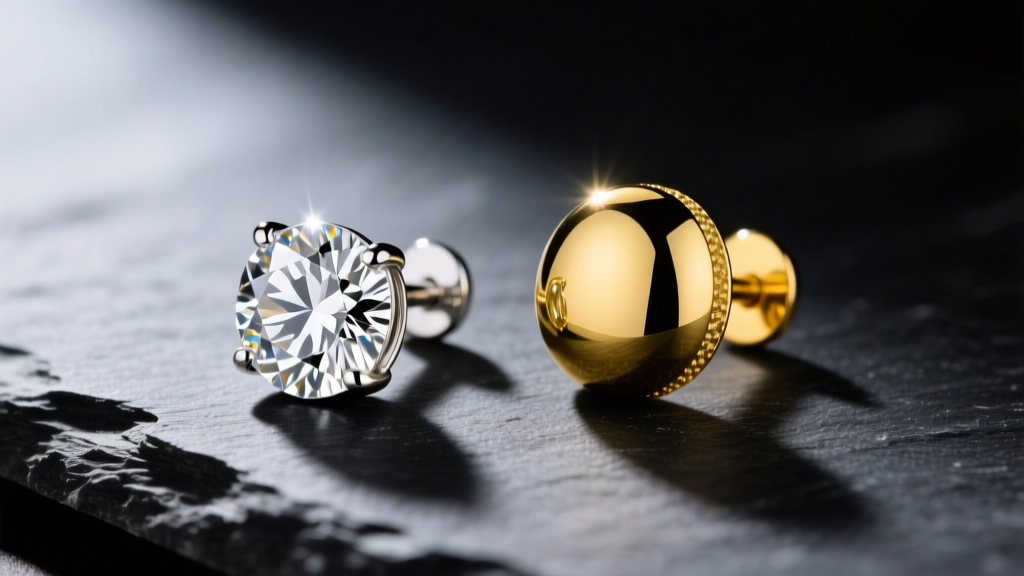
Post Thickness: Understanding Gauge Sizes
The thickness of the earring post—measured in gauges—dictates how the jewelry interacts with your piercing fistula (the healed tube of skin). The gauge system is inverse: the higher the number, the thinner the wire.
- 20 Gauge (0.81mm): The standard for mall-kiosk ear piercings. It is very thin and best suited for lightweight, small gold studs.
- 18 Gauge (1.02mm): A versatile middle-ground commonly used by traditional jewelers for standard lobe earrings.
- 16 Gauge (1.29mm): The gold standard recommended by the Association of Professional Piercers (APP) for cartilage, helix, and tragus piercings due to its structural stability.
The "Cheese-Cutter" Effect
Why does gauge matter for small earrings? If you wear a heavy gold hoop or a solid gold huggie on a 22g or 20g wire, the excessive weight concentrated on a tiny surface area can cause the "cheese-cutter effect." Over months and years, the thin wire slowly migrates downward, slicing through the earlobe tissue. Upgrading to an 18g or 16g post distributes the weight safely and preserves the integrity of your piercing.
Backing Mechanisms: Hygiene and Security
The back of your earring is just as critical as the front, especially for pieces you intend to wear 24/7. Here is how the most common mechanisms compare for small gold earrings:
- Friction / Butterfly Backs: The most common and cheapest option. However, the butterfly clutch features deep grooves that trap dead skin cells, sebum, and hair products, creating a breeding ground for bacteria. They also easily fall off, risking the loss of expensive gold pieces.
- Screw-Backs: These feature a threaded post and a backing that screws into place. They are highly secure and excellent for valuable 14k or 18k diamond or gemstone studs, though threading can be frustrating for those with limited dexterity.
- Flat-Backs (Labrets): Utilizing either internal threading or a threadless (press-fit) system, flat-backs sit flush against the ear. They are the absolute best choice for cartilage piercings and for anyone who sleeps with their earrings in, as they eliminate the sharp post ends that poke the side of your head.
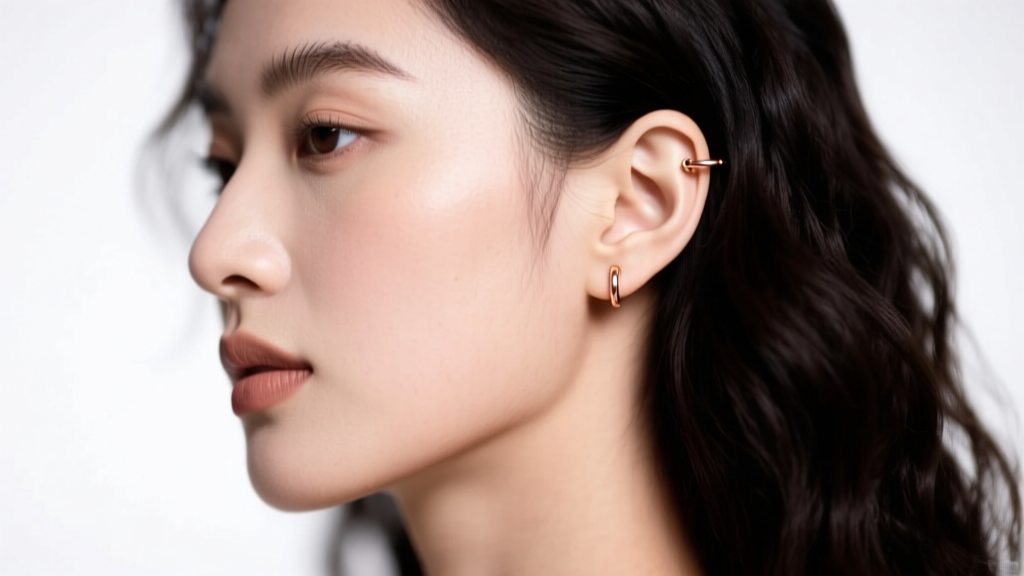
Budgeting: What Should Small Gold Earrings Cost?
When shopping for solid gold, pricing is dictated by the current spot price of gold, the weight of the piece, and the manufacturing complexity. As a beginner, it is vital to recognize the difference between solid gold and plated alternatives. Gold vermeil (a thick layer of gold over sterling silver) and gold-filled jewelry are excellent for temporary trends, but they will eventually wear down, exposing the base metal and potentially triggering contact dermatitis—a common issue highlighted by the American Academy of Dermatology.
2026 Pricing Benchmark for Solid Gold Essentials:
• 3mm - 5mm 14k Solid Gold Studs: $50 - $120 per pair.
• 8mm - 12mm 14k Seamless Huggies: $110 - $250 per pair.
• 16g 14k Threadless Cartilage Ends: $45 - $90 per single end (post sold separately).
If a vendor is selling "small gold hoop earrings" for $18, they are not solid gold. Always look for the "14k" or "585" stamp, and buy from reputable jewelers who provide a certificate of authenticity or clear metallurgical breakdowns.
Daily Care and Maintenance
Small gold earrings require minimal but specific maintenance to retain their luster. Because they sit close to the skin, they are constantly exposed to natural oils and hair products.
- The Weekly Clean: Soak your small gold studs or huggies in a bowl of warm water with a few drops of mild, phosphate-free dish soap for 10 minutes. Gently brush the crevices with a soft-bristled baby toothbrush.
- Avoid Chlorine: Never wear 14k or 18k gold in swimming pools or hot tubs. Chlorine reacts with the copper and zinc alloys in the gold, causing permanent discoloration and microscopic structural weakening.
- Storage: Store small pieces in a dedicated, soft-lined jewelry box. Tossing them loosely into a bag can result in bent posts or scratched surfaces.
Investing in high-quality earrings small gold designs is an investment in your personal style and piercing health. By prioritizing 14k or 18k solid gold, selecting the correct gauge for your specific anatomy, and opting for secure, hygienic backings, you will build a collection of timeless essentials that you can wear comfortably for decades.


