Ultimate Care Guide for Turquoise & Silver Longhorn Earrings
Learn expert cleaning and storage techniques for sterling silver and turquoise longhorn earrings to prevent tarnish, stone damage, and bending.

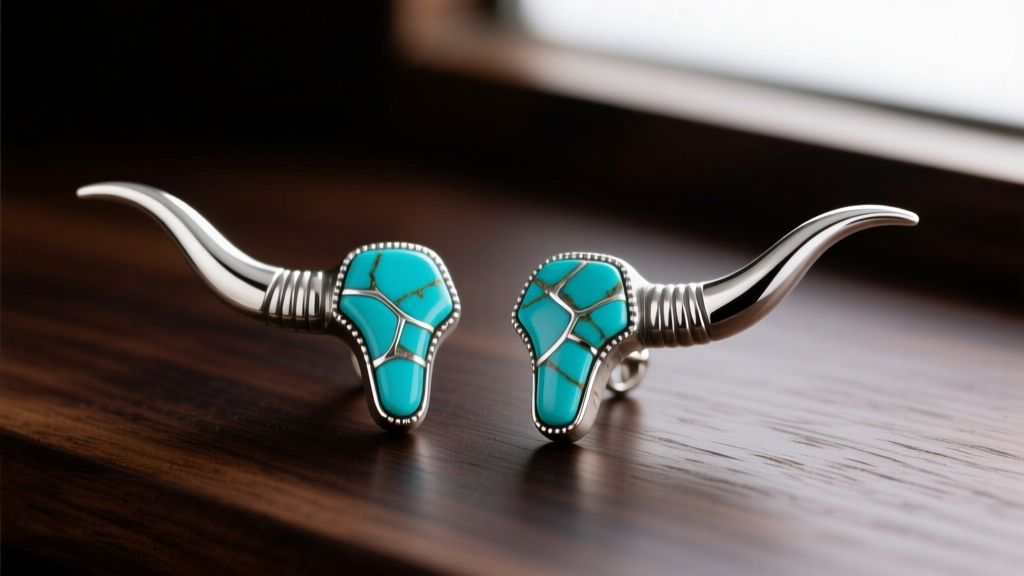
Longhorn earrings are a cornerstone of Western and Southwestern jewelry, celebrated for their bold lateral spans, intricate metalwork, and vibrant gemstone inlays. However, their unique geometry and the specific materials used in their crafting demand a highly specialized approach to maintenance. Unlike simple studs or smooth hoops, longhorn dangles and ear cuffs feature extended prongs, delicate solder joints, and frequently incorporate porous stones like genuine turquoise or natural coral. Treating these statement pieces with generic jewelry cleaning methods can lead to irreversible stone damage, loss of intentional metal oxidation, or structural warping.
This comprehensive guide provides actionable, expert-level protocols for cleaning, maintaining, and storing your longhorn earrings, ensuring they remain pristine for decades.
The Structural Anatomy: Managing Snag Risks and Gauge Sizes
Before applying any cleaning solutions, it is vital to understand the physical vulnerabilities of longhorn earrings. The defining feature—the wide, sweeping horns—acts as a lateral lever. Most longhorn dangles are suspended from 20-gauge or 22-gauge French wire hooks or leverbacks. If the tip of a horn catches on a sweater, hair, or towel, the torque transfers directly to the hook or the base solder joint where the horn meets the central skull motif.
- The Dressing Sequence: Always put longhorn earrings in after styling your hair, applying makeup, and pulling clothing over your head. The wide wingspan makes them notorious for catching on silk blouses and knitwear.
- Post-Catch Inspection: If an earring snags, do not pull it free blindly. Unhook the clasp first to release tension, then untangle the horn. Inspect the solder joint at the base of the horn under a magnifying loupe for micro-fractures.
- Wire Hardening: If your 20-gauge French wires become misshapen, gently reshape them using nylon-jaw pliers. Never use steel jewelry pliers directly on the wire, as they will leave permanent gouges that weaken the metal and irritate the ear lobe.
Metallurgy and Finish: Preserving Intentional Oxidation
A critical mistake many owners make is aggressively polishing their Western silver jewelry until it shines uniformly. Authentic longhorn earrings often feature intentional oxidation—a process where the jeweler applies liver of sulfur to darken the recessed areas of the engraving, creating high contrast against the polished high points of the horns and skull.
Using liquid silver dips or aggressive rotary polishing tools will strip this dark patina, leaving the earring looking flat and washing out the intricate detailing. Instead, rely on a high-quality, treated microfiber polishing cloth (such as a Sunshine Cloth). Gently buff only the raised, high-polish areas of the longhorn's horns and face, deliberately avoiding the darkened crevices.
The Turquoise Dilemma: Porosity and Chemical Sensitivity
Genuine turquoise is a hydrous phosphate of copper and aluminum, ranking between 5 and 6 on the Mohs hardness scale. More importantly, it is highly porous. According to the Gemological Institute of America (GIA), turquoise can absorb oils, lotions, and harsh chemicals, which can alter its color and degrade its structural integrity over time.
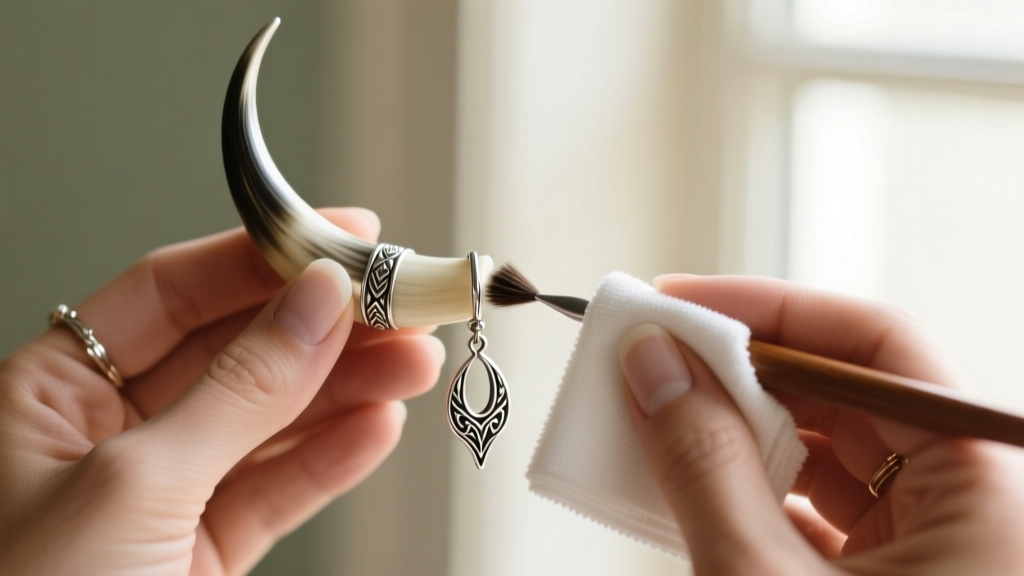
Safe Cleaning Protocol for Turquoise Inlays
Never submerge turquoise longhorn earrings in water or chemical baths. If your turquoise inlays have accumulated skin oils or environmental dust, follow this strict protocol:
- Mix a single drop of pH-neutral baby soap into a bowl of distilled water (tap water contains chlorine and minerals that can react with the copper in the stone).
- Dampen a soft-bristled baby toothbrush in the solution—do not soak it.
- Gently brush the surface of the turquoise for no more than 10 to 15 seconds.
- Immediately wipe the stone dry with a lint-free microfiber cloth.
- Allow the earring to air dry completely in a low-humidity room before storing.
The Aluminum Foil Bath Warning
A popular internet hack for cleaning tarnished silver involves submerging the jewelry in a bath of hot water, baking soda, and aluminum foil. While this electrochemical reaction effectively reverses silver sulfide (tarnish) on plain silver, it will destroy turquoise. The alkaline nature of the baking soda and the heat of the water will cause the porous turquoise to absorb the solution, leading to severe discoloration, cracking, and the breakdown of any stabilizing resins used by the lapidary.
Leather and Rawhide Accents: Conditioning and Protection
Some artisan longhorn earrings incorporate leather or rawhide wraps around the horn bases or utilize leather backing plates to reduce weight. Leather is highly susceptible to desiccation (drying out) and water damage.
- Cleaning: Wipe leather components with a slightly damp cloth to remove dust. Never use soap, which strips natural tanning oils.
- Conditioning: Every six months, apply a minuscule amount of pure mink oil or a dedicated leather conditioner (like Bickmore Bick 4) using a cotton swab. Avoid getting the conditioner on the adjacent silver or turquoise, as it will cause the silver to tarnish faster and clog the pores of the stone.
- Water Exposure: Remove leather-accented longhorns before entering humid environments like saunas or swimming pools. Moisture will cause the rawhide to warp and the leather dyes to bleed onto your skin.
Material Compatibility Matrix
To prevent accidental damage, consult this compatibility chart before applying any cleaning agent to your Western jewelry.
| Material Component | Safe Cleaning Agent | Strictly Avoid | Recommended Tool |
|---|---|---|---|
| Sterling Silver (.925) High-Polish | Mild dish soap, Silver polish | Bleach, Ammonia | Treated polishing cloth |
| Oxidized Silver Engravings | Dry dusting only | Liquid silver dips, Baking soda | Soft makeup brush |
| Natural Turquoise | Distilled water, pH-neutral soap | Ultrasonic cleaners, Steam, Acids | Soft baby toothbrush |
| Leather / Rawhide Wraps | Dry cloth, Leather conditioner | Water immersion, Alcohol, Soap | Cotton swab |
| Gold-Plated Brass Horns | Warm water, Mild soap | Abrasive pastes, Polishing cloths | Microfiber cloth |
Ultrasonic and Steam Cleaners: A Categorical Warning
According to Jewelers of America, while ultrasonic cleaners are excellent for diamonds and hard metals, they are catastrophic for Western jewelry. The high-frequency vibrations can easily fracture turquoise, coral, and lapis lazuli. Furthermore, the vibrations can shake loose the bezel settings or epoxy adhesives commonly used to secure stones in complex longhorn designs. Steam cleaners pose a similar threat, as the sudden thermal shock can cause natural stones to crack along their internal matrix lines.
Strategic Storage: Preventing Warping and Tarnish
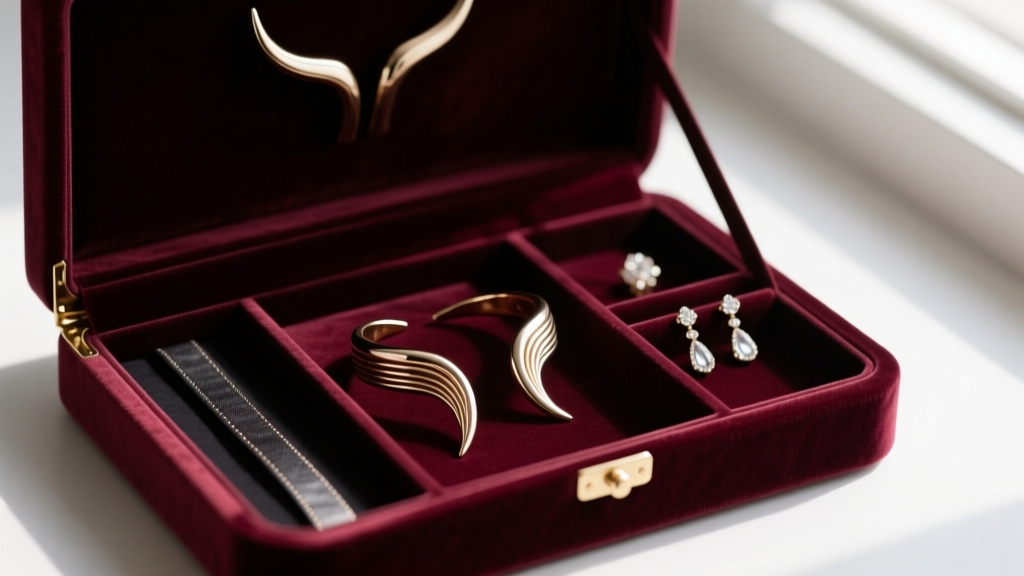
How you store your longhorn earrings is just as critical as how you clean them. The wide wingspan of the horns makes them highly susceptible to crushing if tossed into a communal jewelry box or a soft drawstring pouch.
Rigid Compartmentalization
Always store longhorn earrings in a rigid, lined jewelry box with individual compartments. The compartment must be wide enough to accommodate the full lateral span of the horns without forcing them against the walls. If the horns are pressed against a hard surface over time, the constant pressure can cause micro-bending at the base joints.
Tarnish Mitigation
Sterling silver tarnishes when it reacts with hydrogen sulfide in the air. To drastically slow this process:
- Place 3M anti-tarnish strips inside each storage compartment. These strips absorb airborne sulfides before they can reach the silver.
- Store the jewelry box in a room with stable humidity (ideally between 40% and 50% relative humidity). High humidity accelerates the tarnishing process exponentially.
- Keep the box away from direct sunlight and heat sources, which can dry out leather components and fade dyed stones.
Routine Maintenance Schedule
To keep your longhorn earrings in pristine condition without over-handling them, adopt this simple maintenance schedule:
- After Every Wear: Wipe the silver and stones gently with a dry, clean microfiber cloth to remove skin oils and sweat before putting them away.
- Monthly: Inspect the earring hooks and solder joints for signs of bending or stress fractures. Re-shape hooks with nylon pliers if necessary.
- Bi-Annually: Perform a targeted polish on the high-polish silver areas using a treated cloth, and apply a microscopic amount of conditioner to any leather accents.
- Annually: Replace the anti-tarnish strips in your storage box, as their chemical absorption capacity depletes over 6 to 12 months.
By respecting the unique geometry and material science of longhorn earrings, you protect not just a piece of metal and stone, but a wearable piece of Western heritage. Proper care ensures that the striking silhouette of the longhorn remains as sharp and vibrant as the day it was crafted.


