How to Clean and Style Your James Avery Rose Earrings
Learn how to properly clean, style, and maintain your James Avery rose earrings. Expert tips on preserving antiqued silver and post care.

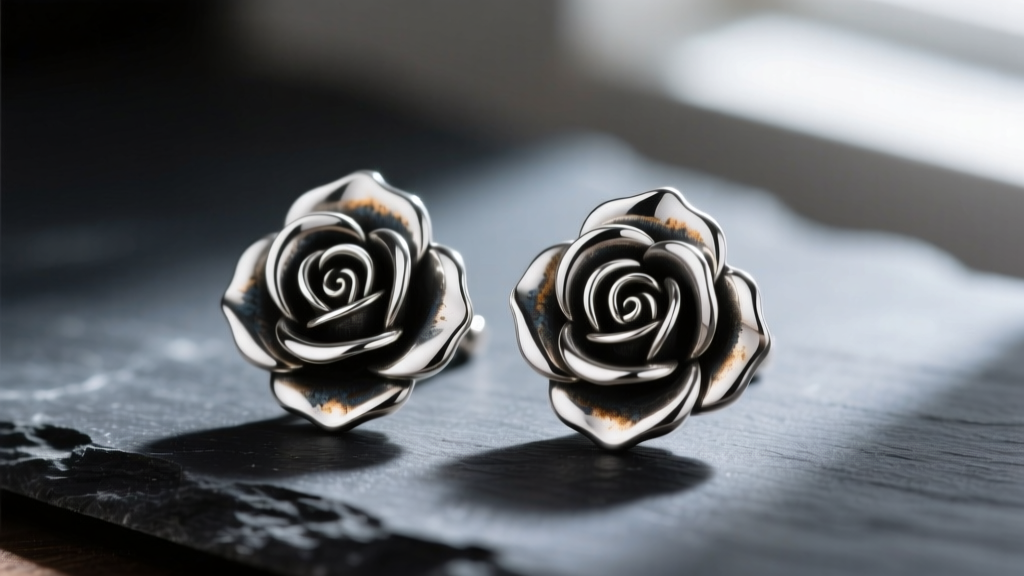
The Timeless Appeal of James Avery Rose Earrings
Since the brand's inception in the Texas Hill Country, James Avery has become synonymous with meaningful, nature-inspired jewelry. Among their most coveted designs are the rose earrings, which range from delicate 10k gold studs to intricate, oversized sterling silver dangles. The rose motif represents grace, balance, and enduring beauty, making these pieces a staple in both everyday wardrobes and heirloom collections. However, the unique finishing techniques used on these earrings require specific, knowledgeable care to maintain their dimensional beauty. In this comprehensive guide, we will walk you through the exact steps to clean, style, and repair your James Avery rose earrings, ensuring they remain pristine for decades.
Understanding the Craftsmanship and Antiquing Process
Before reaching for a polishing cloth, it is vital to understand how your earrings are constructed. Most sterling silver James Avery rose earrings are cast using the lost-wax method, which allows for deep, intricate petal textures. After casting, the silver is treated with a chemical compound—typically liver of sulfur—to create an oxidized, or "antiqued," finish. This process darkens the recessed areas of the rose petals and leaves, creating a striking contrast against the high-polished raised edges.
According to the Gemological Institute of America (GIA), oxidized silver is not actually tarnish; it is an intentional surface treatment that provides depth and shadow. If you treat antiqued silver like standard bright silver, you risk stripping away the very details that make the rose design pop. Furthermore, the earring posts are typically crafted from standard 20-gauge (0.81mm) or 18-gauge (1.02mm) sterling silver, which is inherently softer than gold or platinum and requires gentle handling to prevent bending.
Step-by-Step Guide to Cleaning Antiqued Silver Rose Earrings
The most common mistake jewelry owners make is using liquid silver dips or ultrasonic cleaners on antiqued pieces. Liquid dips (like Tarn-X) will instantly strip the dark oxidation from the crevices, leaving your rose earrings looking flat, stark white, and artificially bright. Ultrasonic cleaners can also vibrate loose any delicate solder joints on dangle styles. Instead, follow this expert-approved manual cleaning method.
Step 1: The Gentle Wash
Mix three drops of phosphate-free dish soap (such as Dawn) into eight ounces of lukewarm distilled water. Submerge your earrings for no more than three minutes to loosen oils, lotions, and environmental debris. Using an extra-soft baby toothbrush, gently brush the surface of the rose petals. Always brush in the direction of the metal grain, and avoid aggressively scrubbing the deep crevices where the oxidation is most concentrated.
Step 2: Targeted Polishing
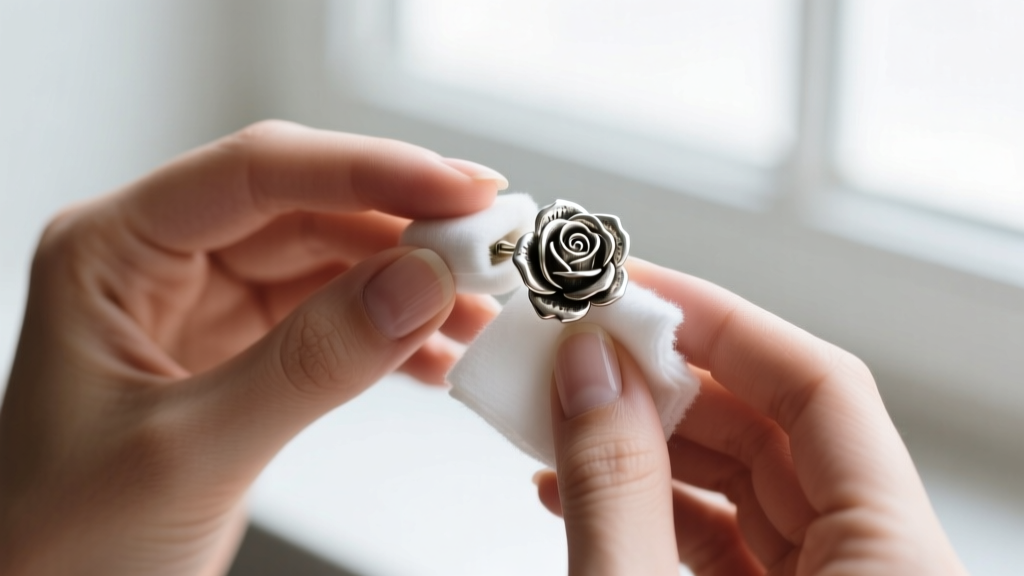
Rinse the earrings under a gentle stream of distilled water to prevent hard water spots. Pat them dry with a clean, lint-free microfiber cloth. Once completely dry, take a 100% cotton treated silver polishing cloth (such as a Sunshine cloth) and lightly buff only the raised, high-polished edges of the rose petals and the outer rim. Do not press hard, and never push the cloth deep into the grooves. The goal is to remove surface tarnish from the bright areas while leaving the dark, oxidized shadows completely intact.
Step 3: Final Inspection and Drying
Use a wooden toothpick or a dry, soft-bristled makeup brush to dust out any remaining moisture or polishing compound trapped in the deepest parts of the rose design. Ensure the earring post and the butterfly clutch are completely dry before reattaching, as trapped moisture against the skin can cause irritation.
How to Style James Avery Rose Earrings for Your Face Shape
James Avery offers the rose motif in several silhouettes, including studs, drop earrings, and medium-sized hoops. Styling these pieces effectively requires considering both your face shape and the visual weight of the metal. Below is a strategic framework for pairing your rose earrings with the right hairstyles and occasions.
| Face Shape | Ideal Rose Earring Style | Recommended Hairstyle | Best Occasion |
|---|---|---|---|
| Round | Elongated Rose Drop Earrings | High updo or sleek ponytail | Evening events, date nights |
| Square | Curved Rose Hoops or Huggies | Soft, loose beach waves | Brunch, casual office wear |
| Heart | Small to Medium Rose Studs | Half-up, half-down with volume | Everyday wear, weddings |
| Oval | Oversized Statement Rose Dangles | Tucked behind one ear | Gallery openings, galas |
For a modern 2026 aesthetic, consider mixing metals. If you have the sterling silver rose studs, pair them with a delicate 14k gold chain necklace or a mixed-metal ear cuff on the opposite ear. The contrast between the cool, oxidized silver and warm gold creates a curated, layered look that feels intentional rather than mismatched.
Troubleshooting Common Wear and Tear Issues
Because sterling silver is a relatively soft alloy (92.5% silver, 7.5% copper), everyday wear can lead to minor mechanical issues. Here is how to address the most common problems without damaging your jewelry.
Straightening a Bent Earring Post
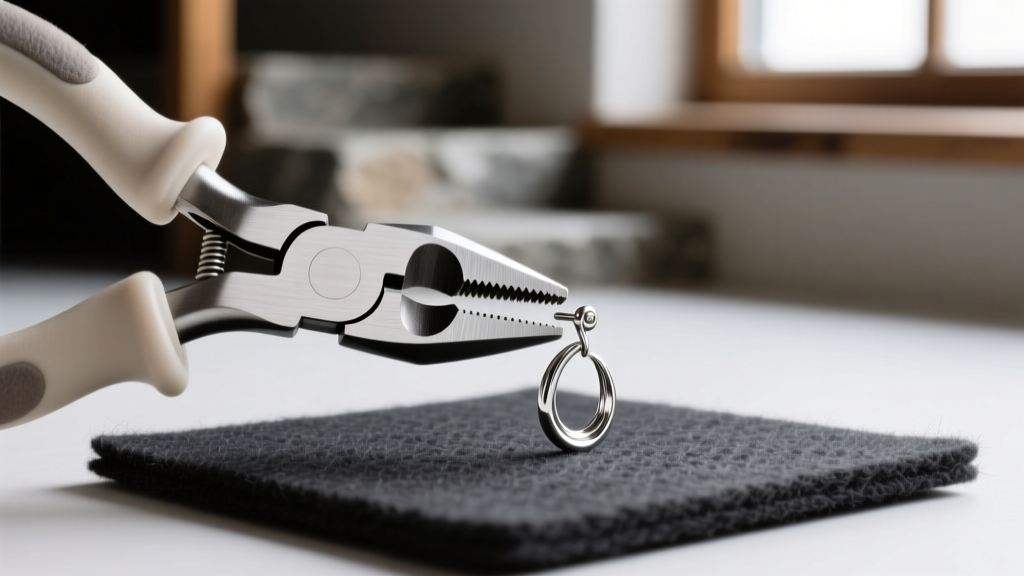
If you sleep in your studs or accidentally snag a heavy rose dangle, the 20-gauge post may bend. Do not bend it back and forth with your bare fingers. Sterling silver is susceptible to metal fatigue; repeatedly bending it in the same spot will cause it to snap cleanly off the base. Instead, place the earring on a felt jeweler's bench block. Use nylon-jaw pliers—never steel metal pliers, which will mar and scratch the silver—to gently apply pressure and guide the post back to a 90-degree angle. If the bend is severe or located directly at the solder joint, take it to an authorized James Avery retailer. As noted in the James Avery Jewelry Care guidelines, many authorized stores offer complimentary or low-cost post replacements for their signature pieces.
Tightening Loose Butterfly Clutches
Over time, the scroll of a push-back earring clutch can loosen, increasing the risk of losing your earring. To tighten it, lay the clutch flat on a table. Insert the tip of a small flat-head jeweler's screwdriver into the center hole and gently twist to compress the internal metal tabs inward. Alternatively, you can upgrade to silicone earring backs or locking friction backs, which provide a much more secure grip on smooth sterling silver posts.
Proper Storage to Prevent Tarnish and Scratching
The copper alloyed into sterling silver reacts with sulfur and moisture in the air, leading to yellow, brown, and eventually black tarnish. While you want to preserve the intentional antiquing, you do not want the high-polished edges to turn black. Proper storage is your first line of defense.
- Use Anti-Tarnish Strips: Place a 3M anti-tarnish strip inside your jewelry box or ziplock bag. These strips absorb airborne sulfur compounds and remain effective for up to six months.
- Pacific Silvercloth: For long-term storage, wrap your rose earrings in Pacific Silvercloth. This specialized fabric is embedded with microscopic silver particles that tarnish instead of your jewelry, keeping your earrings bright for years without the need for polishing.
- Avoid Humid Environments: Never store your earrings in the bathroom. The fluctuating humidity and sulfur from personal care products will accelerate tarnishing exponentially.
- Individual Pouches: Always store your rose earrings separately from harder gemstones (like diamonds or sapphires) and other metal jewelry to prevent micro-scratches on the polished silver surfaces.
By understanding the metallurgy behind your James Avery rose earrings and adopting a meticulous, preservation-focused cleaning routine, you ensure that the intricate shadows and brilliant highlights of the rose design remain as captivating as the day you first opened the box.


