Fixing Diamond Dangling Earrings: Tangling, Bending & Dullness
Learn how to troubleshoot diamond dangling earrings. Expert fixes for tangled chains, bent posts, loose settings, and cloudy stones to restore sparkle.

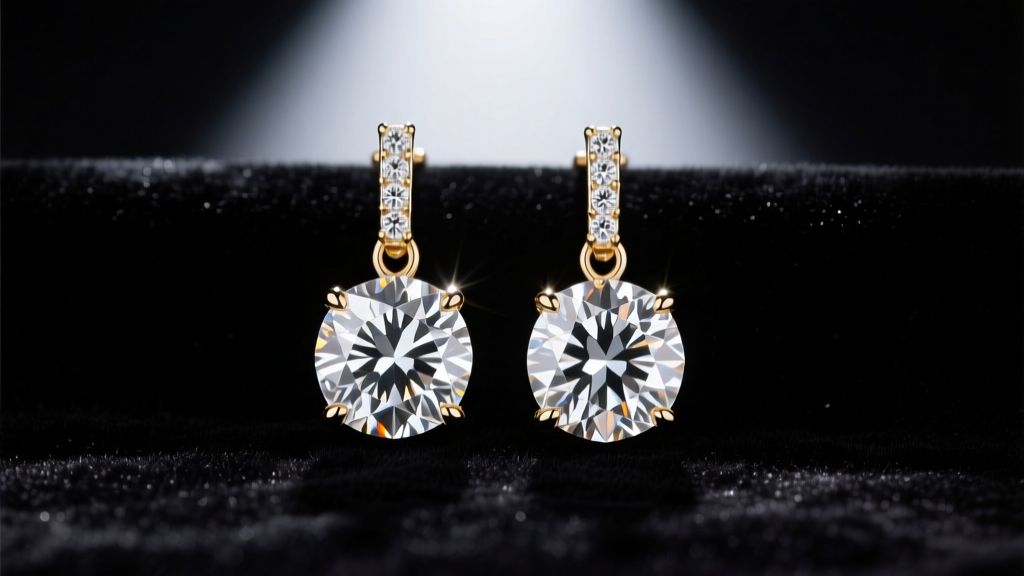
The Anatomy of Dangle Earring Failures
Diamond dangling earrings are a staple of fine jewelry, offering kinetic elegance that static studs simply cannot match. However, their articulated designs introduce unique structural vulnerabilities. Unlike rigid hoops or solid posts, dangles rely on jump rings, articulated links, and extended leverbacks. This mobility makes them highly susceptible to tangling, metal fatigue, and accelerated grime buildup. If you are struggling with your favorite pair, you are not alone. In this comprehensive troubleshooting guide, we break down the exact failure modes of diamond dangles and provide professional, actionable solutions to restore their functionality and brilliance.
Troubleshooting Tangled Chains and Jump Rings
The most common complaint with diamond dangling earrings is tangling, particularly when chains wrap around the primary post or articulate links knot together. This occurs due to the shifting center of gravity and microscopic friction inside the jump rings.
The Mineral Oil and Tweezer Method
Never pull a tangled dangle earring with your fingers; the natural oils from your skin will increase friction, and blunt force can warp delicate gold links. Instead, use this jeweler-approved technique:
- Lubricate: Place the earring on a non-porous ceramic tile. Apply a single drop of mineral oil or baby oil directly to the knot. Avoid olive or coconut oil, as they leave sticky residues that attract dust.
- Isolate: Using two pairs of fine-tipped, non-magnetic titanium tweezers, gently tease the outermost loop of the chain.
- Agitate: Instead of pulling, use a gentle vibrating motion to allow the oil to penetrate the microscopic gaps between the metal links.
- Cleanse: Once untangled, wash the earring in a solution of warm water and a few drops of mild dish soap to remove the oil.
Prevent future tangling by storing dangles individually in soft flannel pouches, ensuring the butterfly back or clasp is securely fastened to the post before storage to anchor the chain.
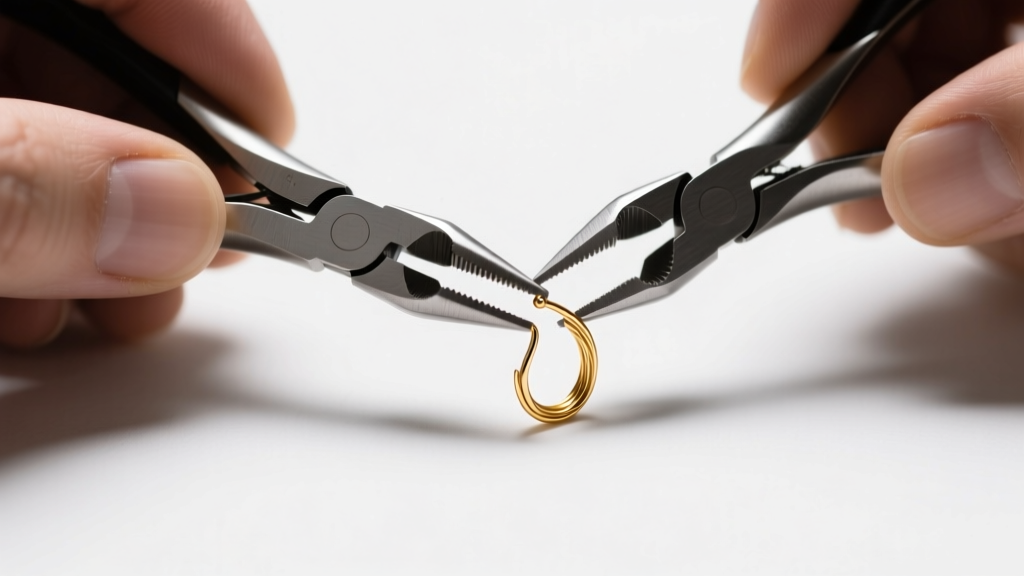
Fixing Bent Posts and Metal Fatigue
Because diamond dangling earrings carry more weight and momentum than studs, their posts endure significant lateral stress. A standard 20-gauge (0.81mm) post is frequently used to keep the overall gram weight down, but this thin profile makes it highly prone to bending when caught on clothing or hair.
Post Thickness and Metal Grade Comparison
Not all gold is created equal when it comes to structural integrity. The alloy composition drastically affects the Vickers hardness (HV) of the post. Here is how common precious metals perform as earring posts for heavy dangles:
| Metal Grade | Vickers Hardness (HV) | Durability for Dangles | Troubleshooting Note |
|---|---|---|---|
| 14k Yellow/White Gold | ~130-150 HV | Excellent | High alloy content makes it rigid; best for standard 20G posts. |
| 18k Yellow/White Gold | ~110-125 HV | Good | Softer and more prone to bending; requires 18G (1.02mm) thickness. |
| 950 Platinum | ~110-130 HV | Fair (Malleable) | Dense and heavy; bends rather than snaps. Requires frequent straightening. |
| Titanium (Grade 23) | ~310 HV | Superior | Hypoallergenic and incredibly rigid, but difficult to resize or solder. |
The Fix: If your 14k or 18k gold post is bent, do not use standard metal pliers, which will mar the finish. Use nylon-jaw pliers to gently roll the post back into alignment. If the post has developed a visible crease or 'white line' at the bend, the metal has fatigued and is at risk of snapping. As of 2026, micro-laser welding is widely available at local jewelers ($45–$85) to reinforce weak points without damaging adjacent heat-sensitive diamonds.
Solving the 'Cloudy Diamond' Problem
Diamonds are lipophilic, meaning they naturally attract and hold onto oils. Because dangling earrings swing against the neck and jawline, they are constantly exposed to sebum, lotions, and perfumes. This creates a microscopic film over the pavilion (the bottom facets), severely reducing light return and making the stones look cloudy or gray.
According to the Gemological Institute of America (GIA), regular exposure to cosmetics and skin oils can drastically diminish a diamond's brilliance, requiring specific degreasing protocols to restore optical clarity.
The Professional Degreasing Protocol
Avoid commercial 'dip' cleaners, which often contain harsh chemicals that can degrade the rhodium plating on white gold settings. Instead, use this targeted approach:
- Mix one cup of distilled water (warm, not hot) with three drops of a high-quality grease-cutting dish soap, such as Dawn.
- Submerge the diamond dangling earrings for exactly 15 minutes to loosen the lipid bonds.
- Use an extra-soft baby toothbrush to gently scrub the underside of the diamond, where the pavilion meets the setting. This is where 90% of light-blocking grime accumulates.
- Rinse under a gentle stream of lukewarm water, ensuring the drain is securely plugged.
- Dry with a lint-free microfiber cloth, avoiding cotton swabs which can leave fibers caught in the prongs.
Warning: Never use an ultrasonic cleaner on diamond dangles if the stones are fracture-filled, or if you hear a faint 'rattle' when shaking the earring. Ultrasonic vibrations can shake loose stones right out of worn prongs.
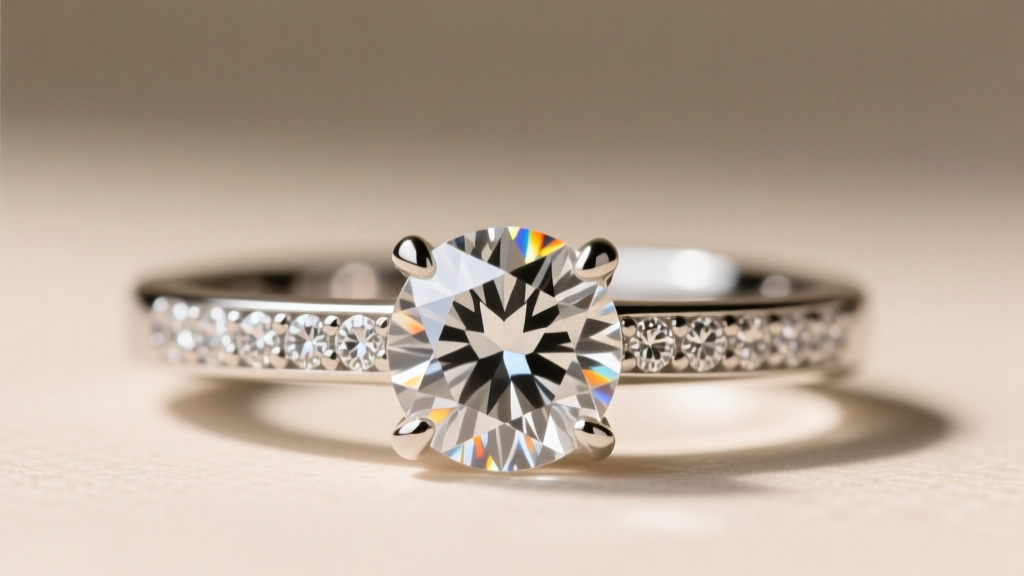
Upgrading Failing Earring Backings
Heavy diamond dangles often droop forward, causing the diamond to face the floor rather than catching the light. This is rarely a flaw in the earring itself, but rather a failure of the backing to support the kinetic weight.
Standard friction 'butterfly' backs rely on tension, which degrades over time. For dangles weighing more than 3.5 grams per ear, you must upgrade your backings:
- La Pousette Backs: These mechanical backs feature a tiny trigger mechanism that locks securely onto a grooved post. They offer the highest security for expensive diamond drops and prevent the earring from drooping by gripping the post at a rigid 90-degree angle.
- Silicone Discs: For a budget-friendly fix ($10–$15 for a pack), wide silicone friction discs distribute the weight of the dangle across a broader surface area of the earlobe, preventing the 'torn lobe' look and keeping the diamond facing forward.
- Jumbo Friction Backs: If you prefer metal, ensure the backing has a wide, flat base (at least 8mm in diameter) to provide adequate counterbalance to the swinging diamond.
Preventative Maintenance Checklist
To ensure your diamond dangling earrings remain in pristine condition, adopt this maintenance schedule recommended by the Jewelers of America:
- Weekly: Wipe the posts with a soft cloth soaked in rubbing alcohol to remove bacteria and sebum, preventing earlobe irritation and post corrosion.
- Monthly: Perform the 'shake test'. Hold the earring near your ear and gently shake it. If you hear a clicking sound, a diamond is loose in its setting. Stop wearing it immediately and take it to a jeweler for prong tightening.
- Annually: Have a professional jeweler inspect the jump rings and articulated hinges. These high-friction areas wear down over time and may need to be re-soldered or replaced before a catastrophic failure drops your diamond.
By understanding the mechanical and chemical vulnerabilities of your jewelry, you can transform problematic pieces into reliable, sparkling staples. Proper troubleshooting not only saves you costly replacement fees but ensures your diamonds perform exactly as they were cut to do.


