Hook Earrings Care: Cleaning, Shaping & Preventing Loss
Master hook earrings care with expert cleaning routines, wire-shaping techniques, and security hacks to prevent loss and keep piercings healthy.

The Unique Vulnerabilities of Hook Earrings
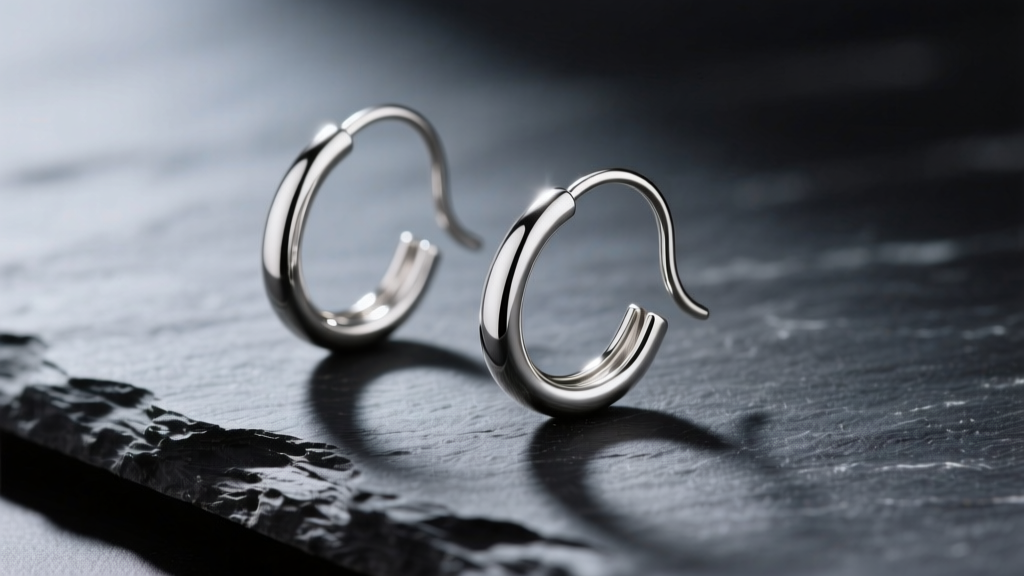
Hook earrings—commonly referred to as French wires, fishhooks, or shepherd hooks—are a staple in fine jewelry and everyday wear. Their elegant, minimalist profile allows the decorative elements to dangle freely, catching the light with every movement. However, from a structural and maintenance perspective, hook earrings present a unique set of challenges that standard stud or post earrings do not. Because they rely on a continuous, unsecured wire passing through the fistula (the piercing channel), they are highly susceptible to metal fatigue, snagging, accidental loss, and localized tarnish buildup.
Standard French hooks are typically crafted in 20-gauge (0.81mm) or 22-gauge (0.64mm) wire. While 20-gauge provides excellent durability for heavier drops, 22-gauge is favored for delicate, lightweight designs to minimize earlobe drag. Unfortunately, the thinner the wire, the more prone it is to bending out of its essential tension curve. Mastering the care, maintenance, and cleaning of hook earrings requires an understanding of metallurgy, mechanical stress, and piercing hygiene.
Step-by-Step Cleaning Protocols by Material
The wire of a hook earring passes directly through the skin, meaning it accumulates sebum, dead skin cells, cosmetics, and environmental pollutants. Furthermore, because the wire is often attached to various gemstones or pearls, you cannot use a one-size-fits-all cleaning approach. According to the Gemological Institute of America (GIA), improper cleaning solutions can permanently etch porous stones or dissolve the adhesives used in drop earring settings.
Material-Specific Cleaning Matrix
| Material | Recommended Solution | Soak Time | Critical Warnings |
|---|---|---|---|
| Sterling Silver (925) | Mild dish soap & warm distilled water | 3-5 Minutes | Avoid commercial silver dips if the hook holds oxidized details or soft stones like turquoise. |
| 14k / 18k Solid Gold | Ammonia-free jewelry cleaner or mild soap | 5-10 Minutes | Ultrasonic cleaners are safe for bare gold but can shatter included diamonds or fracture emeralds. |
| Gold Vermeil / Plated | Lukewarm water & microfiber cloth only | No Soaking | Never use brushes or ultrasonic machines; the friction will strip the micron-layer of gold plating. |
| Implant-Grade Titanium | Saline solution or mild antibacterial soap | 2-3 Minutes | Highly resistant to chemicals, but avoid harsh abrasives that can micro-scratch the polished finish. |
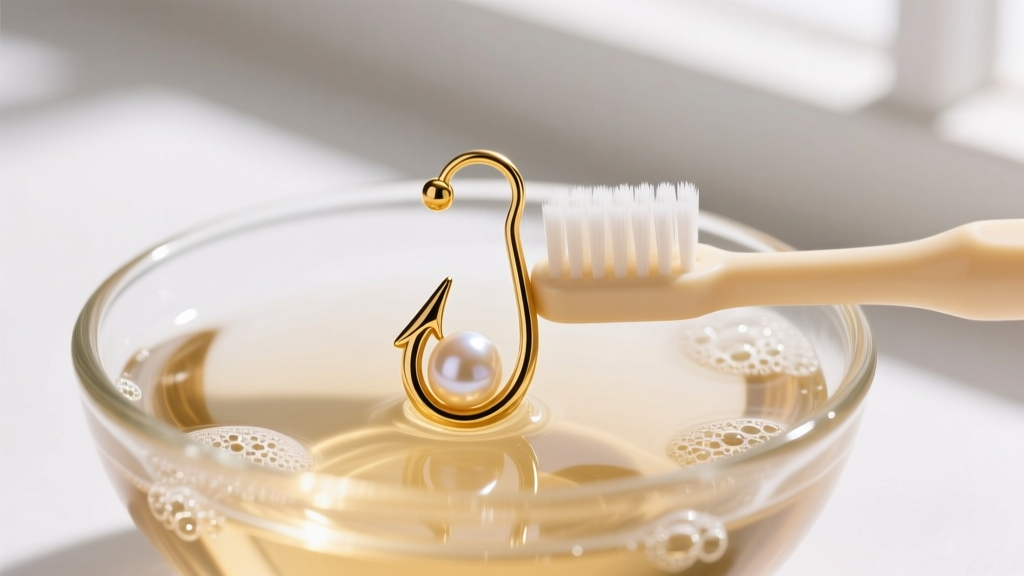
The Cleaning Process: Always use a brand-new, ultra-soft baby toothbrush. Gently agitate the bristles around the 'duckbill' bend of the hook and the jump ring connecting the wire to the charm. Rinse thoroughly under lukewarm running water and dry immediately with a lint-free microfiber cloth to prevent water spots.
Reshaping and Tension Maintenance
The most common reason hook earrings fall out is the loss of wire tension. A properly formed French hook features a subtle curve at the bottom and a slight upward sweep at the front (often called the 'duckbill' or tension bend). This sweep creates gentle friction against the earlobe, preventing the earring from sliding backward and falling out.
How to Fix a Bent Hook Earring
Over time, pulling hair back, removing sweaters, or sleeping in your earrings will pull the wire straight. When this happens, the earring will slip out of your lobe with the slightest nudge. To restore the tension curve:
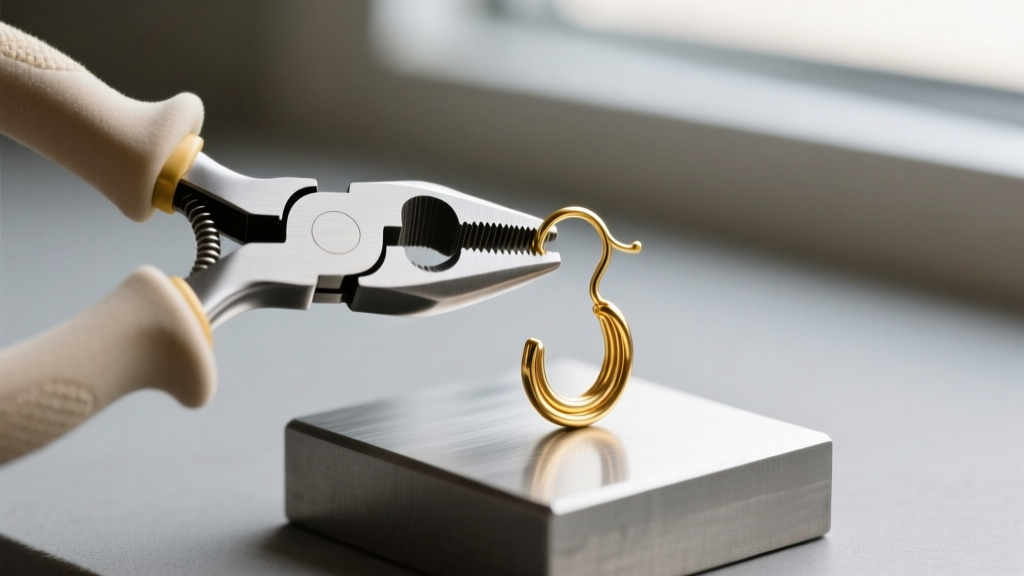
- Use the Right Tools: Never use standard steel hardware pliers. They will bite into the metal, leaving deep tool marks that compromise the structural integrity and create snag points. Invest in a pair of nylon-jaw pliers (brands like Eurotool or PepeTools offer excellent options for under $15).
- Identify the Stress Point: Locate the original bend just below the earlobe drop.
- Apply Gentle Pressure: Grip the wire with the nylon-jaw pliers and use your thumb to gently push the tip of the hook upward and slightly inward. You are aiming for a 15-to-20-degree upward angle.
- Beware of Work Hardening: Metals like sterling silver and gold become brittle when repeatedly bent (a process known as work hardening). If you bend the wire back and forth too many times, it will snap. Make your adjustments slowly and deliberately.
Security Hacks: Keeping Your Hook Earrings In
Even with perfect tension, hook earrings lack a physical backing, making them a liability during high-movement activities or sleep. Rather than abandoning your favorite hooks, employ these professional security methods:
- Clear Silicone Stoppers: Small, bell-shaped silicone clutches slide onto the tip of the hook once it passes through the earlobe. They are virtually invisible, hypoallergenic, and provide a physical barrier against loss. Replace them every 3-6 months as silicone degrades and stretches with exposure to skin oils.
- French Wire Guards: For a more elegant solution, 14k gold or sterling silver 'C-shaped' wire guards hook onto the end of the earring wire and rest flush against the back of the earlobe. They are more secure than silicone and do not degrade over time.
- The 'Sweep' Test: Train yourself to do a quick tactile sweep behind your earlobes whenever you transition environments (e.g., leaving a restaurant, getting out of a car). Checking for the physical presence of the wire tip takes one second and saves thousands of dollars in lost jewelry.
Expert Insight: If you frequently lose hook earrings due to active lifestyles or thick hair, consider having a bench jeweler swap the French hooks for locking leverbacks or endless hoops. This preserves the original drop design while fundamentally solving the security issue.
Piercing Channel Hygiene & Tarnish Transfer
Because hook earrings move freely back and forth through the piercing channel, they act like a piston, dragging surface tarnish, oxidized metals, and trapped bacteria directly into the fistula. This often results in a dark gray or black line on the earlobe, or a foul odor emanating from the piercing itself (colloquially known as 'ear cheese').
The Association of Professional Piercers (APP) emphasizes that the jewelry and the piercing channel must be treated as a single hygienic ecosystem. If you are wearing sterling silver hooks, the sulfur in your sweat reacts with the copper alloy in the silver to create silver sulfide (tarnish). When this tarnish is dragged into the warm, moist environment of the piercing channel, it can cause localized irritation or contact dermatitis.
Preventing the 'Gray Lobe' Effect
- Pre-Wear Polish: Before inserting sterling silver hooks, wipe the wire portion with a treated silver polishing cloth to remove microscopic tarnish layers.
- Barrier Coatings: For those with sensitive skin or metal reactivity, applying a microscopic layer of clear, jewelry-safe nail polish or a specialized nano-ceramic coating to the wire can prevent direct skin contact and halt tarnish transfer.
- Fistula Flushing: Once a week, use a sterile saline wound wash to flush the piercing channel, even if the piercing is fully healed. This removes the sebum and dead skin buildup that the hook wire agitates.
Troubleshooting Common Hook Earring Failures
Beyond bending and loss, hook earrings suffer from specific mechanical failures at their connection points. Understanding these failure modes allows you to perform preventative maintenance before the jewelry is lost forever.
1. The Jump Ring Gap
The tiny jump ring connecting the hook wire to the decorative charm is the weakest link. Over time, the weight of the charm pulling downward can cause the jump ring to gap open. The Fix: Never pull the ends of a jump ring apart laterally, as this distorts the circle. Use two pairs of flat-nose pliers to gently twist the cut ends of the ring in opposite directions (one toward you, one away) until the gap is tightly closed and flush.
2. Adhesive Failure on Drop Stones
Many hook earrings feature gemstones glued into bezel cups. Submerging these earrings in hot water or ultrasonic cleaners will soften the jeweler's epoxy, causing the stone to fall out. The Fix: Always clean glued drop earrings with a damp cloth and a cotton swab dipped in isopropyl alcohol, avoiding the base of the stone setting entirely.
3. Wire Snapping at the Loop
The loop at the bottom of the hook where the wire is bent into a coil is a high-stress area. If the wire was not properly annealed during manufacturing, it will snap here after months of wear. The Fix: Inspect this coil monthly under a jeweler's loupe or macro lens. If you see micro-fractures or a sharp kink in the metal, retire the hook immediately and have a jeweler forge a replacement wire before the earring breaks and falls out.
Conclusion
Hook earrings offer an unmatched blend of elegance and comfort, but their open-wire design demands a proactive approach to maintenance. By utilizing nylon-jaw tools for tension adjustments, adhering to material-specific cleaning matrices, and employing physical security stoppers, you can ensure your favorite drops remain safe, hygienic, and beautifully shaped for decades. Treat the wire not just as a hanger for your jewelry, but as a precision mechanical component that requires regular, expert care.


