The Complete Material Guide to Gold and Turquoise Earrings
Discover the material properties of gold and turquoise earrings. Compare karats, stabilization methods, and care tips for lasting wear.

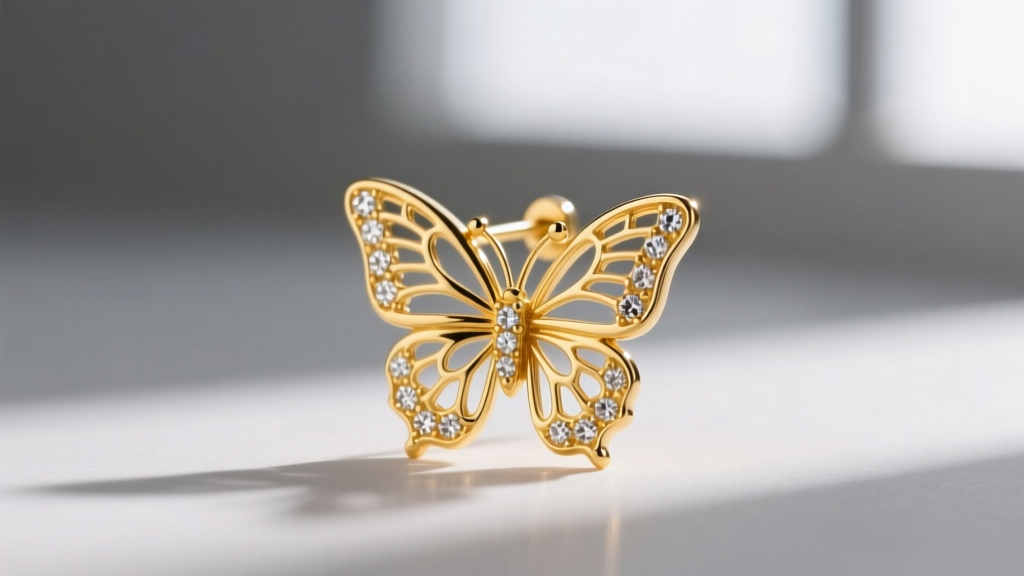
The Allure of Earth and Metal: An Introduction
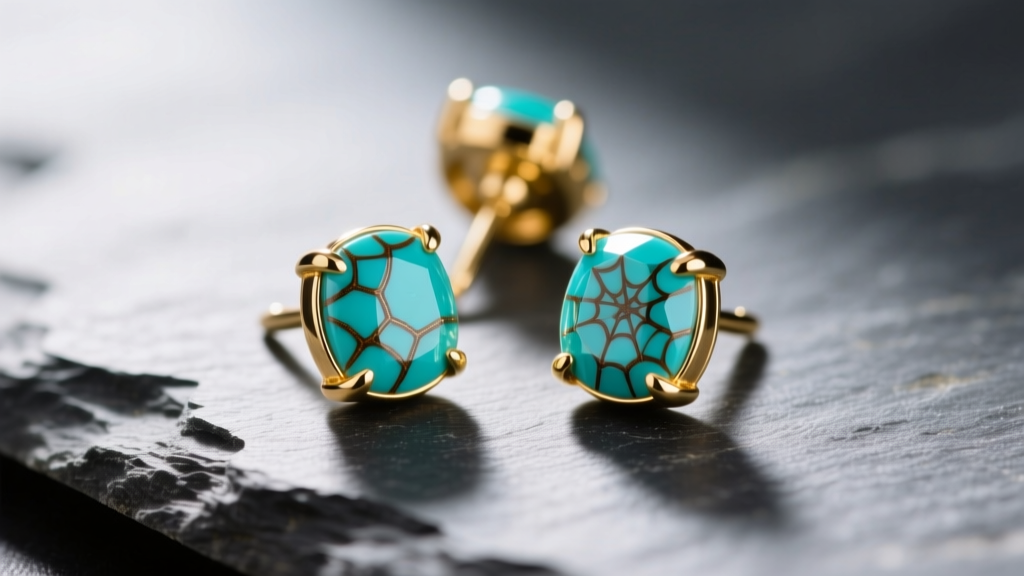
The combination of gold and turquoise earrings represents one of the most enduring pairings in jewelry history. The warm, reflective luster of precious metal perfectly offsets the opaque, earthy depth of turquoise. However, from a gemological and metallurgical standpoint, this pairing requires a nuanced understanding of material properties. Turquoise is a relatively soft, porous phosphate mineral, while gold is a malleable noble metal. When shopping for or designing these pieces in 2026, understanding the specific karat weights, alloy compositions, and gemstone treatments is critical for ensuring both longevity and aesthetic integrity.
Decoding the Metal: Gold Karats and Alloys
Pure gold (24K) is far too soft for functional jewelry, particularly for earring posts and clasps that endure daily mechanical stress. Therefore, gold is alloyed with other metals to increase its tensile strength and alter its color. According to the Gemological Institute of America (GIA), the most common karatages for fine jewelry are 14K and 18K.
14K vs. 18K Gold: Durability Meets Luxury
14K Gold (58.3% Pure Gold): This is the industry standard for earring posts, wires, and structural components. The remaining 41.7% consists of alloy metals like copper, silver, and zinc. This higher alloy content provides superior rigidity, ensuring that a 14K gold post will not easily bend when inserted into the earlobe. For individuals with sensitive skin, it is vital to verify that the 14K white gold alloy uses palladium rather than nickel, which is a common contact allergen.
18K Gold (75% Pure Gold): With a richer, more saturated yellow hue, 18K gold is highly prized for luxury settings. However, its higher purity makes it softer. While it is excellent for bezel settings that hold the turquoise securely, it is less ideal for thin, load-bearing components like ear wires.
Understanding Turquoise: Hardness, Porosity, and Matrix
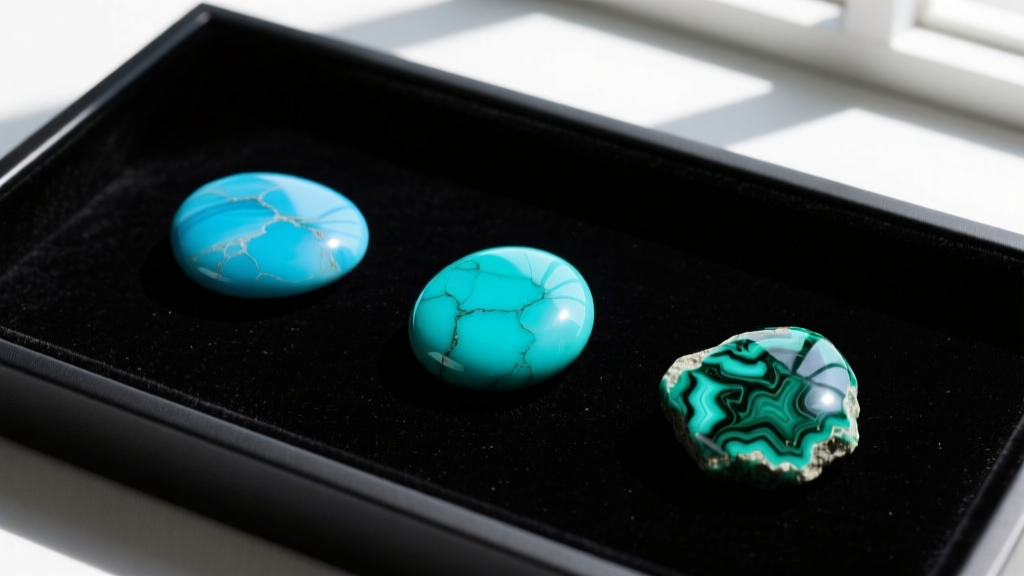
Turquoise is a hydrous phosphate of copper and aluminum. Its position on the Mohs scale of mineral hardness ranges from 5 to 6, making it significantly softer than quartz (7) or diamond (10). This relative softness means that everyday dust—which often contains microscopic quartz particles—can scratch the surface of natural turquoise over time if not properly cared for.
Beyond hardness, turquoise is inherently porous. In its natural state, it can absorb skin oils, cosmetics, and environmental chemicals, which can alter its color from a vibrant sky blue to a dull, muddy green. Furthermore, the "matrix"—the host rock or webbing visible within the stone—varies wildly depending on the mine. The famed Sleeping Beauty mine in Arizona is known for its clear, matrix-free robin's egg blue, while the Kingman mine produces stones with striking black or brown spiderweb matrices.
Natural vs. Stabilized vs. Reconstituted
Because high-grade, naturally hard turquoise is exceptionally rare and expensive, the vast majority of turquoise on the market undergoes some form of enhancement. The GIA's treatment guidelines outline several methods used to make this beautiful stone viable for daily wear in earrings.
| Treatment Type | Process Description | Durability & Value | Best Use in Earrings |
|---|---|---|---|
| Natural (Untreated) | Mined, cut, and polished with no chemical alterations. | Low durability; High value. Prone to color shifting. | Occasional wear studs; collector pieces. |
| Stabilized | Infused with clear epoxy or acrylic resin under pressure to fill pores. | High durability; Moderate value. Locks in color permanently. | Everyday hoops, dangles, and drop earrings. |
| Zachery Treated | Soaked in a proprietary potassium-based solution without polymers. | High durability; High value. Enhances hardness without plastic feel. | Premium bezel-set studs and statement pieces. |
| Reconstituted | Turquoise dust/chalk mixed with dye and resin, then molded. | Variable durability; Low value. Lacks natural matrix patterns. | Fashion jewelry; budget-friendly studs. |
The Intersection: Setting Turquoise in Gold
When combining these two materials, the setting technique is just as important as the materials themselves. Because turquoise has a Mohs hardness of 5-6 and lacks cleavage planes (meaning it can chip or fracture upon hard impact), the edges of the cabochon must be protected.
Why Bezel Settings are Mandatory
A bezel setting—where a continuous rim of gold wraps entirely around the perimeter of the turquoise cabochon—is the gold standard for this gemstone. This metal wall protects the vulnerable girdle (edge) of the stone from chipping if the earring is dropped or bumped. Prong settings, while allowing more light to enter faceted gems, are highly discouraged for turquoise. Prongs leave the edges exposed and require pressure that can easily crack the porous stone during the setting process.
Care and Maintenance: Preserving the Matrix and the Metal
Maintaining gold and turquoise earrings requires a departure from standard jewelry cleaning routines. The porosity of the stone dictates a gentle, chemical-free approach.
- Avoid Ultrasonic Cleaners: The high-frequency vibrations can fracture internal faults within the turquoise, and the heat can melt or cloud the resins used in stabilized stones.
- No Steam Cleaning: Sudden thermal shock can cause the stone to crack, and steam can force moisture deep into the matrix.
- Gentle Wiping: Use a soft, lint-free microfiber cloth dampened with warm water to gently wipe the gold and the stone after wear to remove skin oils and lotions.
- Chemical Exposure: Always apply perfumes, hairsprays, and lotions before putting on your earrings. Alcohol and harsh cosmetics can degrade the polish of the turquoise and dry out the stone.
- Storage: Store turquoise earrings in a soft pouch separate from diamonds or sapphires to prevent the harder gems from scratching the turquoise surface.
Pricing Tiers: What to Expect in the Current Market
The price of gold and turquoise earrings fluctuates based on the spot price of gold and the rarity of the turquoise mine. As of 2026, buyers can expect the following pricing tiers for quality pieces:
Entry-Level ($150 - $350): Typically features 14K yellow or white gold paired with stabilized turquoise. The stones will have a uniform color but may lack intricate, natural-looking matrix patterns. Often found in simple bezel-set studs or small huggies.
Mid-Range ($400 - $900): Features 14K or 18K gold with high-quality stabilized or Zachery-treated turquoise. Expect distinct spiderweb matrices, custom-cut cabochons, and more intricate metalwork, such as twisted wire bezels or milgrain detailing on drop earrings.
Investment Grade ($1,200 - $3,000+): Reserved for 18K or 22K gold settings featuring rare, untreated natural turquoise from closed or highly sought-after mines (such as Lander Blue or Bisbee). These pieces are often hand-fabricated by artisan jewelers and serve as wearable investments.
Conclusion
Selecting the perfect pair of gold and turquoise earrings goes far beyond matching colors. By understanding the structural necessity of 14K gold for earring posts, the protective benefits of bezel settings, and the vital role of stabilization in preserving the stone's vibrant hue, you can make an informed purchase that will last a lifetime. Whether you prefer the clean, matrix-free look of Sleeping Beauty turquoise or the rugged, webbed appeal of Kingman stones, respecting the material properties ensures your jewelry remains as striking as the day you bought it. For further reading on gemstone durability and treatments, always refer to the GIA's comprehensive turquoise encyclopedia.


