Care & Cleaning Guide for Sublimation Earring Blanks
Learn how to properly clean, maintain, and store sublimation earring blanks to prevent peeling, fading, and hardware tarnish.

The Chemistry of Sublimation Earring Blanks
Sublimation earrings have taken the custom jewelry market by storm, offering vibrant, full-color designs that traditional metal stamping or enameling simply cannot match. However, caring for sublimation earring blanks requires a fundamentally different approach than caring for solid gold or sterling silver. To understand proper maintenance, you must first understand the anatomy of the blank.
Most sublimation earring blanks are constructed from either 1/8-inch (3mm) Medium Density Fiberboard (MDF) or 0.04-inch poly-coated aluminum. The magic of sublimation relies on a specialized polyester polymer coating applied to the surface. When exposed to high heat (typically 380°F to 400°F), sublimation ink turns into a gas and permanently bonds with this polyester matrix. While the ink itself is permanent, the polymer coating and the core material beneath it are highly susceptible to moisture, friction, and harsh chemicals. According to manufacturing guidelines from Johnson Plastics Plus, treating these blanks like traditional jewelry will quickly lead to delamination, clouding, and edge fraying.
The Golden Rules of Cleaning Poly-Coated Blanks
Because the sublimation coating is essentially a thin layer of plastic resin, it requires gentle, non-abrasive cleaning methods. Oils from the skin, hairspray, and environmental dust will inevitably accumulate on the surface, dulling the vibrant print.
Step-by-Step Cleaning Protocol
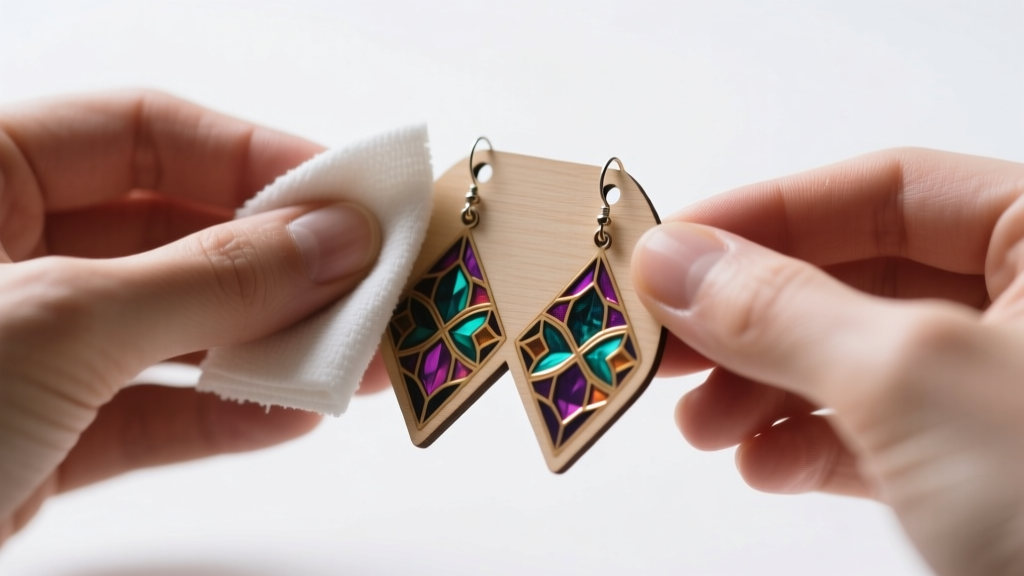
- Dry Dusting: Always begin by gently wiping the earring with a clean, dry, ultra-fine microfiber cloth. This removes loose particulate matter that could act as an abrasive during the wet cleaning stage.
- The Distilled Water Solution: Mix one cup of distilled water with a single drop of pH-neutral dish soap (such as Dawn). Never use tap water. Tap water contains dissolved minerals like calcium and magnesium that can leave microscopic hard water spots on the glossy poly-coating, creating a permanently cloudy appearance.
- Damp Wiping: Lightly dampen a microfiber swab or lint-free cloth with the solution. Wring it out until it is barely damp. Gently wipe the surface of the sublimation blank in circular motions. Avoid the edges where the MDF core is exposed.
- Immediate Drying: Use a dry portion of the microfiber cloth to immediately buff the blank dry. Allowing moisture to sit on the surface, even for a few seconds, can begin to degrade the polymer bond over time.
Critical Mistakes: What to Absolutely Avoid
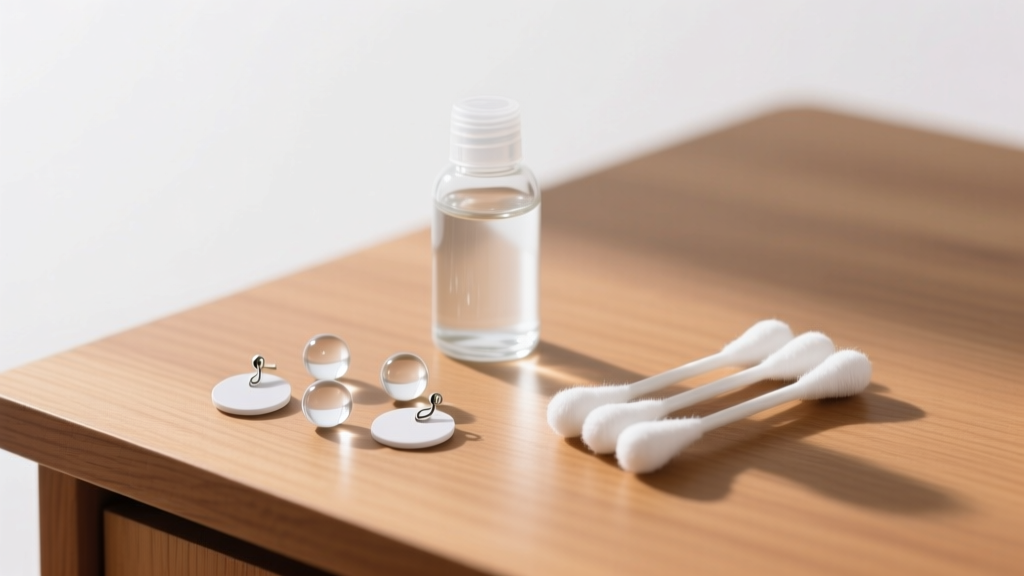
The most common cause of ruined sublimation earrings is the use of standard jewelry cleaning chemicals. You must strictly avoid the following:
- Isopropyl Alcohol & Hand Sanitizers: Alcohol is a solvent that breaks down polyester resins. Wiping a sublimation blank with alcohol will dissolve the top layer of the coating, causing the sublimation dye to bleed, smear, or turn entirely white and cloudy.
- Ultrasonic Cleaners: The high-frequency cavitation bubbles generated by ultrasonic jewelry cleaners will literally shake the polymer coating off the MDF or aluminum core, resulting in catastrophic peeling.
- Ammonia & Acetone: Found in many commercial glass and jewelry cleaners, these chemicals will instantly melt the poly-coating and warp MDF cores.
- Submersion in Water: Never soak sublimation blanks. If water penetrates the unsealed edges of an MDF blank, the wood fibers will absorb the moisture, swell, and cause the printed surface to crack and flake off.
Hardware Maintenance: Hooks, Jump Rings, and Backings
While the sublimation blank requires chemical gentleness, the metal hardware requires traditional jewelry care. Most custom earring makers utilize 20-gauge or 22-gauge ear wires. For sensitive ears, niobium or 316L surgical steel is recommended. Standard sterling silver or silver-plated hooks will tarnish when exposed to the sulfur in the air and the acids in human skin.
According to metallurgical guides from Rio Grande, tarnish can be safely removed from metal ear wires using a dry polishing cloth impregnated with anti-tarnish compounds. However, you must remove the sublimation blank from the jump ring before polishing the hardware. The friction and chemical compounds in polishing cloths can easily scratch the glossy surface of the earring blank. Always use two pairs of flat-nose pliers to gently open the 5mm, 22-gauge stainless steel jump ring, slide off the blank, polish the ear wire, and reassemble.
Troubleshooting Common Sublimation Earring Failures
Even with careful maintenance, sublimation earrings can experience wear. Use this diagnostic table to identify and address common issues.
| Issue | Primary Cause | Prevention & Actionable Fix |
|---|---|---|
| Cloudy or White Spots | Exposure to alcohol, hand sanitizer, or harsh solvents. | Irreversible. Educate customers to remove earrings before using sanitizers. Seal blanks with a UV-resistant clear coat during manufacturing. |
| Edge Fraying / Swelling | Moisture absorption into the unsealed MDF core. | Seal the edges of MDF blanks with a thin layer of Mod Podge or clear nail polish before attaching hardware. Never wear in the shower. |
| Ink Fading | Prolonged exposure to UV radiation (direct sunlight). | Sublimation dyes are not inherently UV-stable. Apply 2 light coats of Krylon UV-Resistant Clear Acrylic Coating to finished blanks. |
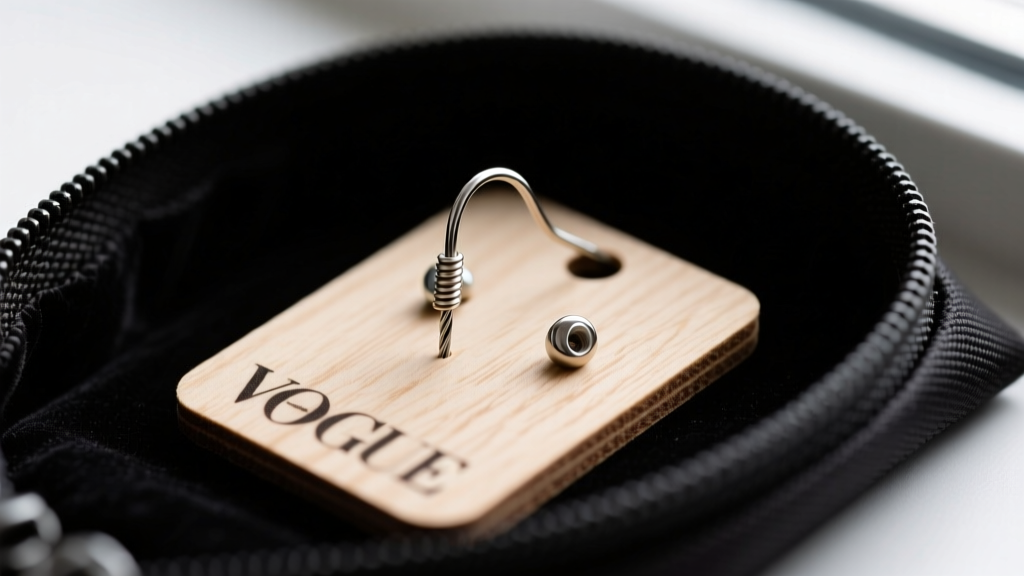
| Surface Scratching | Friction against hard surfaces or improper storage. | Store individually in soft flannel pouches. Never toss sublimation earrings loosely into a jewelry box with metal pieces. |
Long-Term Storage and UV Protection Strategies
For jewelry makers and consumers alike, proper storage is the final pillar of sublimation earring care. Because sublimation dyes are prone to photodegradation, leaving these earrings on a sunlit vanity will cause the vibrant colors to wash out within a matter of months.
For makers, applying a specialized UV-blocking sealant during the production phase is highly recommended. A light, even misting of a non-yellowing UV-resistant acrylic spray, applied from at least 12 inches away, will create a sacrificial barrier that protects both the ink and the poly-coating from environmental damage. For the end consumer, storing the earrings in a dark, dry environment—preferably inside an airtight, anti-tarnish ziplock bag with a small silica gel desiccant packet—will ensure the MDF core remains completely dry and the metal hardware stays bright for years to come.


