The Ultimate Guide to Kuromi Earrings: Materials, Piercings & Styling
Discover everything about Kuromi earrings, from safe hypoallergenic metals and gauge sizes to styling Sanrio's punk-goth icon in 2026.

Embracing the Punk-Goth Aesthetic: An Introduction to Kuromi Jewelry
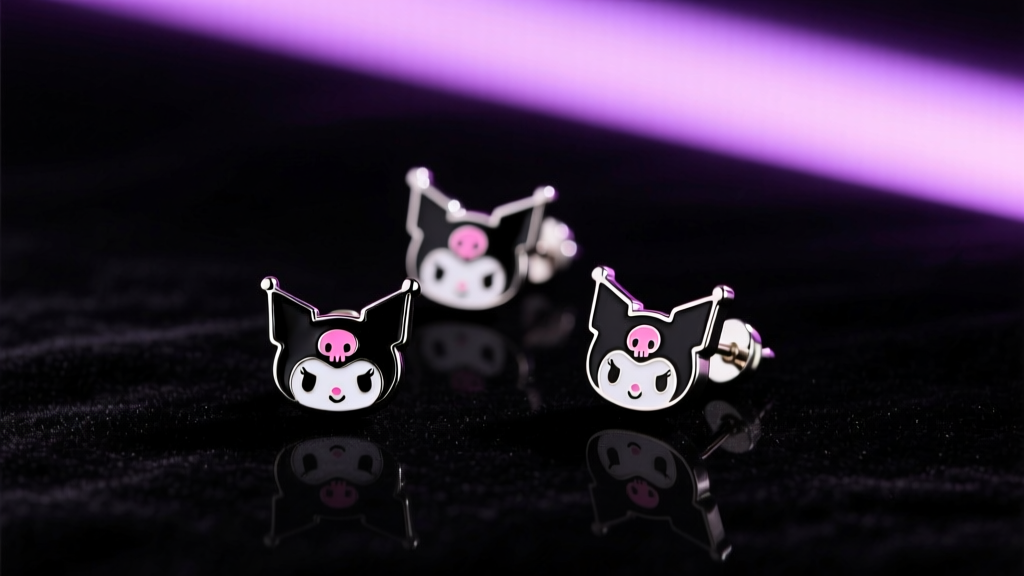
Kuromi, the iconic punk-goth rival to My Melody, has transcended her early 2000s origins to become a staple in alternative and Y2K-inspired fashion. As we navigate the style landscape of 2026, Kuromi earrings have evolved from novelty costume jewelry into highly sought-after collector's items and everyday statement pieces. Her signature black jester hat, pink skull motif, and edgy-yet-cute demeanor offer a unique aesthetic that bridges the gap between kawaii culture and alternative streetwear.
However, the explosion in popularity has also flooded the market with low-quality knockoffs that can wreak havoc on sensitive piercings. Whether you are a seasoned Sanrio collector or a beginner looking to add some edgy charm to your jewelry box, understanding the anatomy, materials, and proper placement of Kuromi earrings is essential for both style and physical safety. This guide will break down exactly what you need to know before making your next purchase.
Decoding Charm Materials: Acrylic vs. Enamel vs. Resin
When shopping for character jewelry, the charm material dictates the weight, durability, and overall aesthetic of the piece. Kuromi's bold color palette is typically rendered in one of three primary materials, each with distinct pros and cons for daily wear.
| Material | Weight | Durability & Failure Modes | Best Application |
|---|---|---|---|
| Acrylic | Ultra-Light | Moderate. Prone to surface scratching and snapping if dropped on hard tile. | Fresh piercings, oversized dangle earrings, cartilage cuffs. |
| Enamel | Medium-Heavy | High. Metal base is durable, but the colored enamel can chip upon impact. | Everyday studs, huggies, premium collaborative pieces. |
| Resin | Light | Moderate-High. Excellent for 3D depth, but cheap resin may yellow with UV exposure. | Sculpted 3D pieces, intricate diorama-style drop earrings. |
For beginners, enamel is generally the safest bet for a premium feel and long-lasting color, provided you are buying from a licensed manufacturer. Acrylic is fantastic for lightweight comfort, especially if you have stretched lobes or sensitive cartilage that cannot support heavy metals.
The Critical E-E-A-T Factor: Post and Wire Materials
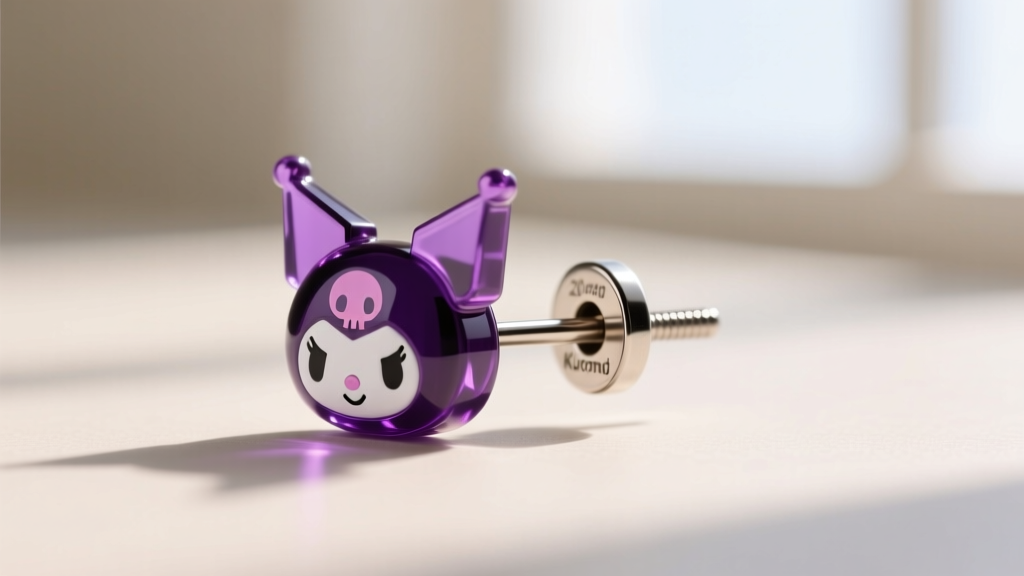
While the charm catches the eye, the post is what actually interacts with your body. This is where many beginners make a critical mistake. A cheap, unbranded Kuromi earring might feature a cute acrylic charm, but if the post is made of mystery "alloy" or nickel-plated brass, it will likely cause contact dermatitis, weeping, and infection.
Always check the product description for the metal grade of the post. Look for 316L Surgical Stainless Steel as a baseline. If you have known nickel allergies or are healing a new piercing, you must upgrade to ASTM F-136 Implant-Grade Titanium. According to the Association of Professional Piercers (APP), implant-grade titanium is the gold standard for biocompatibility and will not react with your body's chemistry, ensuring your piercing remains healthy while you show off your favorite Sanrio character.
Piercing Placements and Gauge Sizes for Kuromi Charms
Kuromi earrings are not limited to standard lobe piercings. In 2026, styling character jewelry across multiple ear curations is a major trend. However, you must match the earring's gauge (thickness) and weight to your specific piercing placement to avoid migration or stretching.
- Standard Earlobe (20G - 18G / 0.8mm - 1.0mm): Most commercial Kuromi studs and lightweight dangles are manufactured at 20G or 18G. This is perfect for healed lobes. Avoid heavy enamel dangles in fresh lobe piercings, as the pendulum effect can stretch the fistula.
- Cartilage / Helix (16G - 18G / 1.2mm - 1.0mm): If you are buying Kuromi huggies or flat-back labrets for your helix, ensure the post is at least 18G, preferably 16G. Cartilage is dense and requires a thicker post to prevent the "cheese-cutter effect," where thin wire slowly migrates through the tissue.
- Tragus (16G / 1.2mm): Small, flush-fitting Kuromi enamel studs or 3mm titanium bezel-set gems are ideal here. Avoid dangles or large acrylic shapes, as the tragus is highly active and catches easily on headphones and hair.
Licensed vs. Fan-Made: How to Spot Authentic Kuromi Jewelry
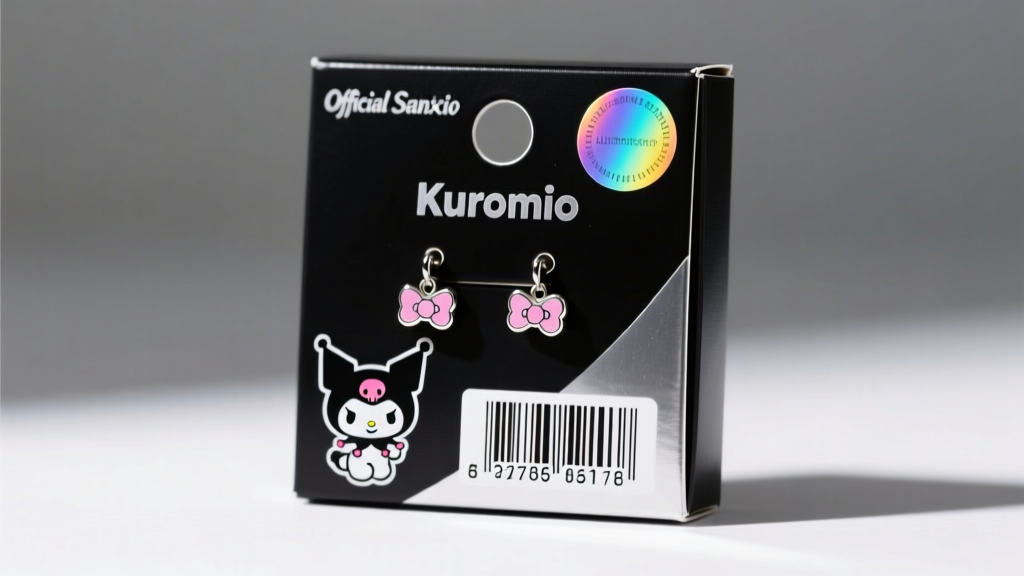
The secondary market and online boutiques are saturated with unlicensed, fan-made Kuromi earrings. While supporting independent artists on platforms like Etsy is wonderful, you should know exactly what you are paying for. Officially licensed Sanrio jewelry undergoes strict quality control regarding material safety and paint toxicity.
Pro-Tip: Authentic, officially licensed Sanrio jewelry will almost always feature a holographic authenticity sticker on the backing card, alongside a crisp "© Sanrio" copyright stamp either on the packaging or subtly engraved on the metal post itself.
Fan-made earrings often use 3D-printed resin or hand-painted acrylic. These can be beautiful and highly customizable, but the metal findings (posts and jump rings) used by independent crafters are frequently sourced in bulk and may contain nickel. If buying fan-made, message the seller to confirm the post material before purchasing.
Care and Maintenance for Painted Character Jewelry
Character jewelry requires specific care to maintain its vibrant colors and structural integrity. The failure modes of Kuromi earrings usually involve chipped paint, clouded acrylic, or tarnished metal backings.
What to Avoid
Never use ultrasonic jewelry cleaners on enamel or acrylic Kuromi earrings. The high-frequency vibrations can shatter acrylic and cause microscopic fractures in enamel, leading to peeling. Furthermore, never clean acrylic charms with rubbing alcohol or harsh chemical sanitizers; alcohol dries out the plastic, causing it to turn cloudy, brittle, and eventually crack.
The Proper Cleaning Routine
To clean your earrings, mix a few drops of mild, fragrance-free dish soap with warm water. Use a soft-bristled baby toothbrush to gently scrub the crevices of Kuromi's jester hat and skull motif. Rinse thoroughly with distilled water to prevent hard water spots, and pat completely dry with a microfiber cloth before storing them in a velvet-lined jewelry box away from direct UV sunlight to prevent color fading.
Styling Framework: Balancing Edgy and Cute
Integrating Kuromi earrings into a mature wardrobe is all about contrast. Because Kuromi's design is inherently busy and colorful, let the earrings be the focal point of your ear curation. Pair a bold, black-enamel Kuromi dangle in your primary lobe piercing with minimalist, unadorned titanium or silver hoops in your secondary and tertiary piercings. This "anchor and orbit" styling technique grounds the playful character jewelry with sleek, modern metals, creating a balanced, fashion-forward aesthetic that works seamlessly in both casual and alternative streetwear environments.