Care Guide for Trend Earrings 2025: Keep Them Pristine
Discover expert cleaning and maintenance tips for trend earrings 2025 styles, including sculptural gold, mixed metals, and pavé huggies.


The Evolution of Your Jewelry Box: Maintaining 2025's Biggest Hits
As we navigate through 2026, the pieces that defined our jewelry wardrobes last year remain staple conversation starters. The trend earrings 2025 brought into the mainstream were characterized by bold architectural shapes, mixed-metal contrasts, and intricate micro-pavé settings. From molten gold hoops to asymmetrical ear cuffs, these styles pushed the boundaries of traditional design. However, their complex geometries and mixed material compositions require highly specific care protocols. Standard jewelry dips and generic polishing cloths are no longer sufficient—and in some cases, they can cause irreversible damage to these modern masterpieces.
This comprehensive guide dives deep into the metallurgy and gemology required to maintain your favorite pieces, ensuring they remain as striking today as the moment you first unboxed them.
The Chemistry of Buildup: Why Modern Styles Need Specific Care
Before applying any cleaning agent, it is crucial to understand what is actually dulling your jewelry. The primary culprit is a combination of sebum (skin oils with a pH ranging from 4.5 to 7.0), dead keratinocytes, and cosmetic residues. Modern primers and sunscreens often contain zinc oxide and titanium dioxide, which leave a stubborn, chalky white film that lodges deep into the crevices of sculptural jewelry.
Furthermore, environmental sulfur reacts with the copper alloys in sterling silver and lower-karat golds to form silver sulfide (Ag2S), manifesting as a dark, tarnished layer. When dealing with the trend earrings 2025 popularized, the increased surface area of textured metals provides more microscopic anchor points for these compounds to bind to, making superficial wiping entirely ineffective.
Sculptural Hollow Gold Hoops
The oversized, molten gold hoops that dominated last year are often created using an electroforming process to keep them lightweight. This means they are hollow. Never place hollow gold jewelry in an ultrasonic cleaner. The high-frequency cavitation can force water through microscopic seams, trapping moisture inside. Over time, this leads to internal corrosion and a permanent, unfixable increase in weight that can stretch your earlobe piercings.
- The Fix: Create a lukewarm bath of distilled water and a few drops of pH-neutral dish soap (like Dawn).
- The Tool: Use an extra-soft baby toothbrush with nylon bristles to gently agitate the crevices.
- Drying: Pat dry with a lint-free microfiber cloth and use a hairdryer on the 'cool' setting to ensure no moisture remains in hidden gaps.
Mixed-Metal Ear Cuffs and Cartilage Climbers
Mixed metals were a massive trend, often featuring 18-gauge sterling silver wire fused or plated with 14k gold vermeil. When two dissimilar metals are exposed to an electrolyte (like saltwater or acidic sweat), galvanic corrosion can occur, rapidly degrading the base metal.
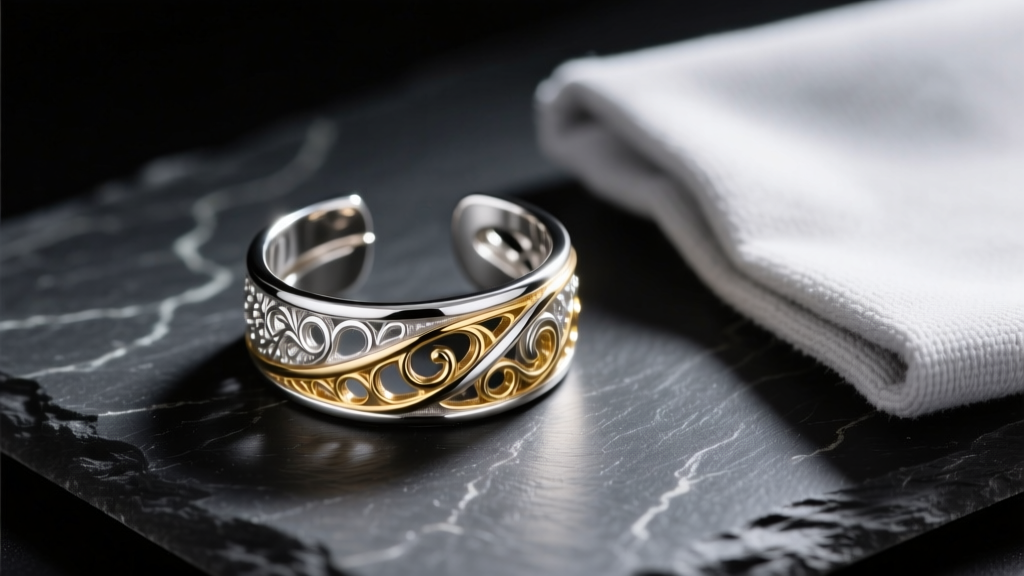
To maintain the crisp contrast between the silver and gold, avoid liquid silver dips at all costs. The harsh thiourea chemicals in commercial dip cleaners will strip the gold vermeil (which is typically only 2.5 microns thick) right off the sterling silver base. Instead, use a dry, untreated silver polishing cloth for the silver sections, and a separate, clean microfiber cloth for the gold vermeil sections to prevent cross-contamination of polishing compounds.
Material-Specific Cleaning Protocols
To streamline your maintenance routine, refer to this decision matrix based on the specific materials dominating recent trend cycles.
| Material / Trend Style | Recommended Cleaning Agent | Best Tool | Critical Warning |
|---|---|---|---|
| 14k/18k Solid Sculptural Gold | Mild dish soap + distilled water | Extra-soft baby toothbrush | Avoid harsh bristles that cause micro-scratches |
| Sterling Silver & Gold Vermeil | Dry polishing only | Untreated microfiber cloth | Never use liquid dips; they strip vermeil |
| Diamond Pavé Huggies | Isopropyl alcohol (90%+) | Wooden toothpick & soft brush | Alcohol dissolves oils but can dry out porous gems |
| Electroformed Hollow Hoops | Damp microfiber cloth | Compressed air (low PSI) | Never submerge; never use ultrasonic cleaners |
Step-by-Step Deep Clean for Pavé Huggies
Gemstone-encrusted huggies were a definitive staple of the trend earrings 2025 collections. The bead-set micro-prongs used in pavé work are incredibly small and prone to snagging on hair and textiles, which can bend the prongs and loosen the stones. Furthermore, hand lotions and oils accumulate directly beneath the girdle of the diamonds, blocking light return and making the stones look cloudy and dead.
Expert Insight: According to the Gemological Institute of America (GIA), diamonds are highly lipophilic, meaning they naturally attract and hold onto grease and oils. This is why a simple water rinse will never restore the brilliance of a pavé setting.
The Protocol:
- Inspect: Use a jeweler's loupe (10x magnification) to check for any loose stones. If a stone rattles or a prong is lifted, stop immediately and take it to a professional.
- Dislodge: Take a wooden toothpick (wood is softer than gold and will not scratch the metal or bend the prongs) and gently scrape the buildup from the underside of the setting.
- Degrease: Dip a soft brush into 90% isopropyl alcohol and gently brush the top of the stones. The alcohol will break down the lipid bonds of the sebum and cosmetics.
- Rinse & Dry: Rinse briefly under a gentle stream of distilled water and dry with compressed air to prevent water spots.
Storage and Maintenance to Prevent Failure
How you store your earrings when they aren't being worn is just as critical as how you clean them. The cardinal sin of jewelry storage is tossing multiple pieces into a single communal box. This leads to 'diamond paper'—where the diamond from one huggie scratches the high-polish finish of a gold hoop. Diamonds are a 10 on the Mohs hardness scale and will effortlessly carve into 14k gold (which sits around a 3 to 3.5).
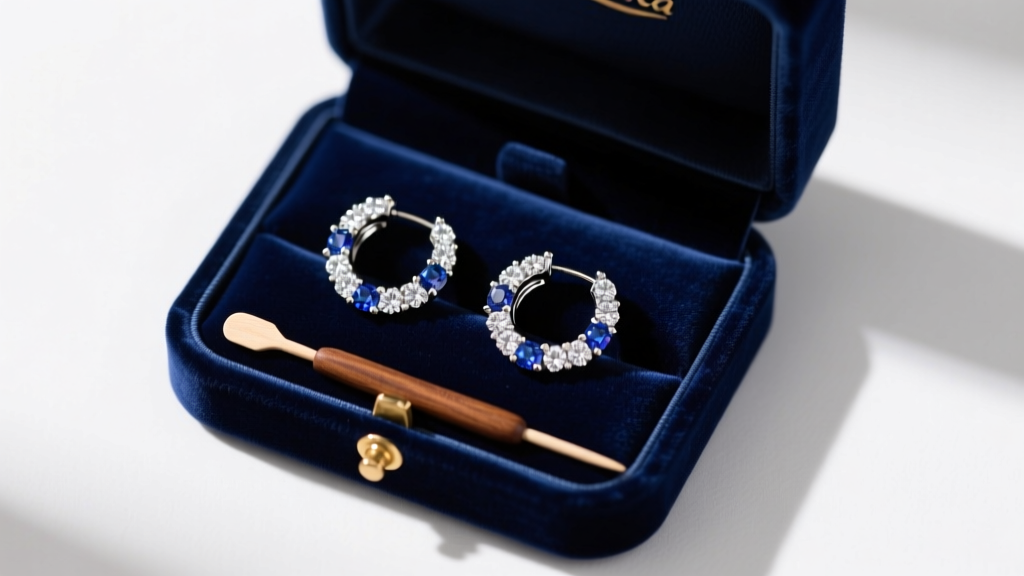
Optimal Storage Conditions:
- Individual Polybags: Store each pair in its own small, sealable polyethylene bag. Avoid PVC plastics, as they can emit sulfur gases over time, accelerating tarnish on silver components.
- Anti-Tarnish Strips: Place a 3M anti-tarnish strip or a piece of Pacific Silvercloth inside your main jewelry box. These materials absorb airborne sulfur and hydrogen sulfide before they can react with your metals.
- Climate Control: Keep your jewelry out of the bathroom. The constant fluctuations in humidity and temperature from showers create an ideal environment for rapid oxidation and tarnishing.
When to See a Professional Jeweler
While diligent at-home care will maintain the brilliance of your jewelry, structural maintenance requires professional intervention. The Jewelers of America recommends having frequently worn pieces inspected every six to twelve months.
If you wear your pavé huggies or cartilage climbers daily, the friction against your skin and hair will eventually wear down the rhodium plating on white gold components and weaken the tension of the clasps. A professional jeweler can re-tighten micro-prongs, re-plate rhodium, and perform a gentle ultrasonic clean on solid, non-hollow pieces using specialized cavitation frequencies that are safe for intricate settings. By combining these professional check-ups with the meticulous at-home protocols outlined above, your favorite pieces will continue to turn heads well beyond their initial trend cycle.


