Ultimate Care Guide for Van Cleef Earrings in 2026
Learn how to safely clean and maintain your Van Cleef earrings. Expert tips for 18k gold, diamonds, and delicate hardstones like malachite and onyx.

The Investment of High Jewelry: Understanding Your Pieces
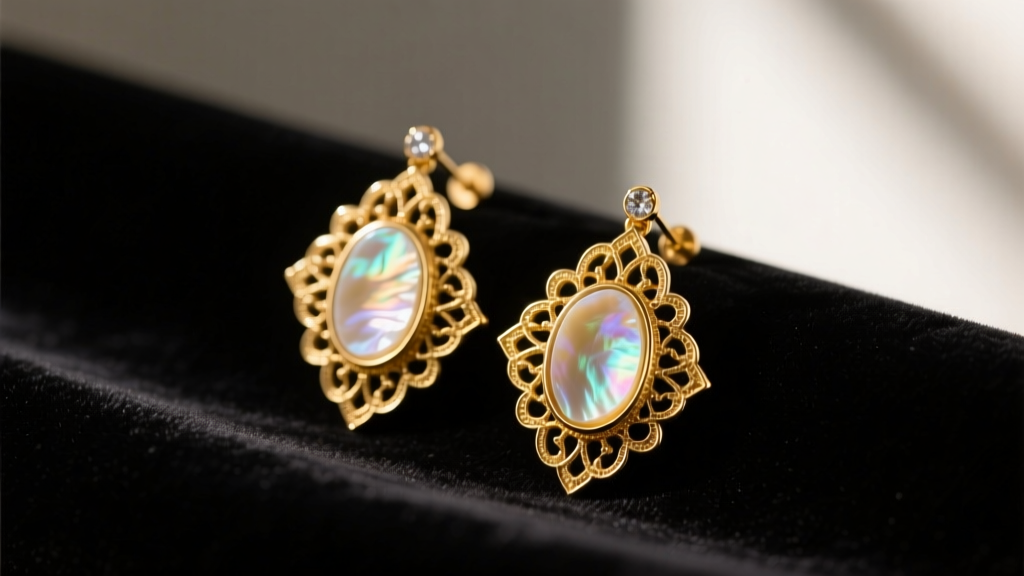
Owning a pair of Van Cleef & Arpels earrings is not merely a fashion statement; it is an investment in haute joaillerie heritage. Whether you possess the iconic Vintage Alhambra studs, the diamond-paved Perlée hoops, or the asymmetrical Frivole drops, these pieces demand meticulous care. Unlike standard commercial jewelry, high-end earrings utilize specific 750/1000 (18k) gold alloys and meticulously sourced hardstones that react poorly to standard commercial cleaning methods. Many collectors searching for vancleef earrings care tips often overlook the microscopic vulnerabilities of the brand's signature stone settings, leading to irreversible damage. This comprehensive 2026 guide provides actionable, expert-level maintenance protocols to preserve the structural integrity and luminous finish of your luxury earrings.
The Unique Anatomy and Material Science
To properly care for these earrings, one must understand their construction. Van Cleef & Arpels primarily utilizes 18k yellow, white, and rose gold. While 18k gold is highly resistant to tarnish, it is softer than 14k gold, making it susceptible to micro-scratches from abrasive polishing cloths. Furthermore, the brand's signature 'golden beads' (seen in the Perlée and Alhambra collections) are individually soldered or cast with extreme precision. Aggressive brushing can trap bristles between these beads or dull their high-polish finish.
The true challenge in maintenance lies in the hardstones. The Gemological Institute of America (GIA) emphasizes that organic and porous gemstones require entirely different care regimens than crystalline stones. Van Cleef frequently employs materials that are chemically sensitive, meaning a single drop of standard jewelry cleaner can strip a stone's natural luster or dissolve the adhesive securing it within the bezel.
Hardstone Vulnerabilities: What You Must Avoid
Before applying any moisture or cloth to your earrings, identify the stone. The Mohs scale of mineral hardness and chemical porosity dictate your cleaning boundaries. Below is a critical reference chart for the most common materials found in these luxury pieces.
| Material | Mohs Hardness | Primary Vulnerabilities | Strict Prohibitions |
|---|---|---|---|
| Mother-of-Pearl | 2.5 - 4.5 | Acids, sweat, cosmetics, heat | Ultrasonic cleaners, ammonia, soaking |
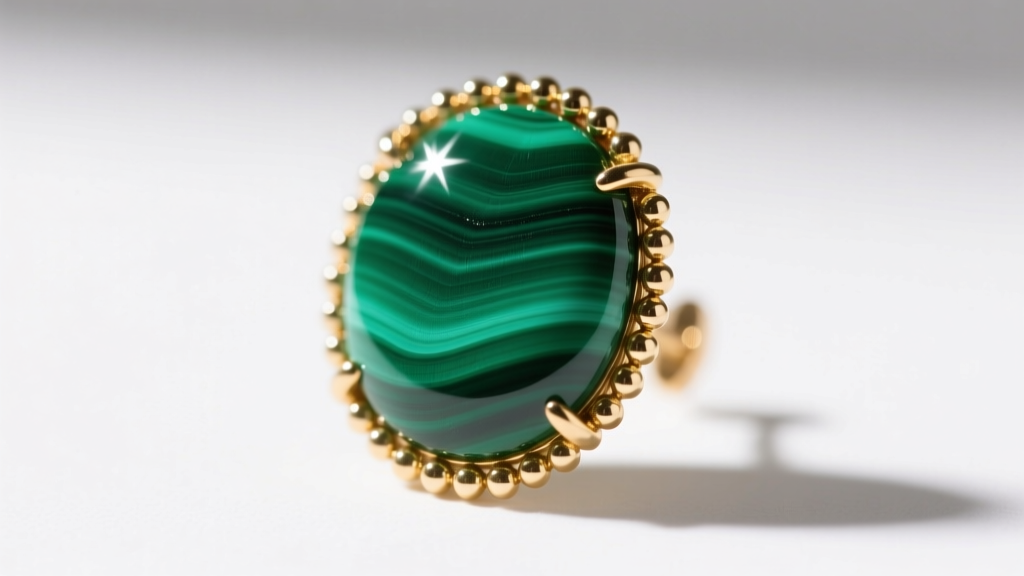
| Malachite | 3.5 - 4.0 | Acids, hot water, hard impacts | Any chemical dips, steam cleaning |
| Turquoise | 5.0 - 6.0 | Porous; absorbs oils and chemicals | Soaps, lotions, ultrasonic cavitation |
| Onyx / Carnelian | 6.5 - 7.0 | Hard impacts, prolonged UV fading | Harsh abrasives, extreme temperature shifts |
| Diamond (Pavé) | 10.0 | Grease attraction, loosening of micro-prongs | Hard brushing near the gold beaded bezels |
Step-by-Step Cleaning Protocols by Material
The golden rule of high jewelry maintenance is segmentation. You must clean the metal and diamond components differently from the hardstone elements. Never submerge a hardstone earring in water.
1. Cleaning 18K Gold and Diamond Components
For all-gold pieces (like the Perlée gold beads) or diamond-paved sections, prepare a solution of lukewarm distilled water and a single drop of pH-neutral, ammonia-free dish soap. Distilled water is critical, as tap water contains chlorine and hard minerals that can leave microscopic calcified deposits on the gold. Using an extra-soft, baby-hair brush, gently sweep the bristles over the gold surfaces and behind the diamond pavé to dislodge sebum and lotion buildup. Rinse briefly under a slow stream of distilled water, ensuring the drain is securely plugged. Pat dry immediately with a lint-free microfiber cloth.
2. Caring for Organic and Porous Hardstones
Mother-of-pearl, malachite, and turquoise are strictly 'wipe-only' materials. Mother-of-pearl is composed of calcium carbonate, which actively dissolves when exposed to acidic environments—including the natural acids in human sweat or the alcohol in perfumes. To clean these stones, use a completely dry, ultra-soft jeweler's cloth to gently buff the surface. If there is stubborn debris near the bezel edge, slightly dampen the very tip of a cotton swab with distilled water, carefully trace the gold rim, and immediately dry it. Never let moisture pool on the stone.
3. Maintaining Dense Hardstones (Onyx and Carnelian)
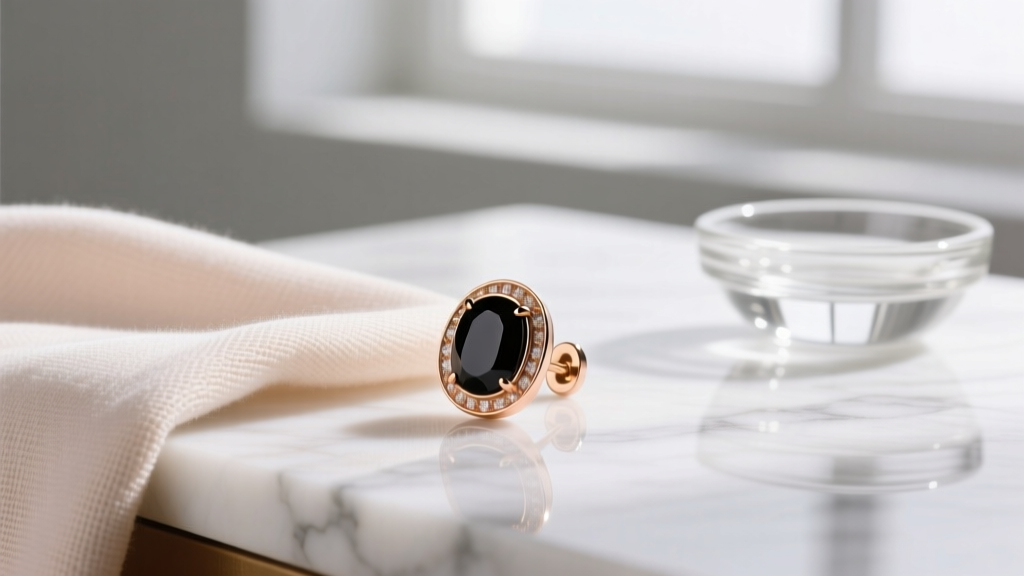
While onyx and carnelian are harder and less porous, they are often treated or dyed to achieve their deep, uniform blacks and vibrant reds. Harsh chemicals can strip these treatments, resulting in a patchy, faded appearance. Use a dry microfiber cloth to polish the surface. If the stone appears cloudy, it is likely coated in microscopic skin oils; a gentle buffing with a clean, dry chamois leather cloth will restore the mirror-like finish without risking chemical exposure.
Structural Maintenance: Posts, Clasps, and Bezels
Beyond aesthetic cleaning, the mechanical integrity of your earrings requires bi-annual inspections. According to Van Cleef & Arpels Official Care Guidelines, the settings holding the hardstones are masterfully crafted but delicate. The brand often uses a combination of precision bezels and specialized adhesives to secure stones like malachite. Ultrasonic cleaners create cavitation bubbles that implode with intense localized force; this will shatter a malachite stone or liquefy the adhesive holding an onyx cabochon in place.
Pay close attention to the earring backs. For heavier drop styles, the brand utilizes 'alpha' friction backs, which feature a silicone or polymer insert inside the metal clutch to grip the post securely. Over time, these inserts degrade, harden, and lose their grip, posing a severe risk of losing the earring. Inspect the clutch tension regularly. If the earring slides onto the post too easily, the insert has failed and must be replaced by a professional jeweler. Furthermore, ensure the earring posts remain perfectly straight; bending them back and forth to fit a tight clutch will eventually cause metal fatigue and snap the 18k gold post.
Proper Storage and Daily Wear Rules
How you store your earrings is just as vital as how you clean them. Diamonds are a 10 on the Mohs scale and will effortlessly scratch the surface of onyx, carnelian, or mother-of-pearl if they come into contact in a shared jewelry box. Always store your earrings in their original, fabric-lined presentation boxes, keeping pairs separated from other jewelry. If you must use a travel case, ensure each piece is housed in an individual soft pouch.
Adopt the 'last on, first off' rule for daily wear. Your earrings should be the final items you put on after applying makeup, hairspray, and perfume, and the very first items you remove when returning home. This prevents aerosolized chemicals from settling onto the porous hardstones and dulling the diamond pavé. Additionally, remove your earrings before showering, swimming, or exercising. Chlorine in pools and hot tubs is particularly destructive, as it can chemically react with the copper and silver alloys present in 18k gold, leading to structural weakening and discoloration.
When to Seek Professional Boutique Services
While meticulous home care preserves the daily beauty of your jewelry, it cannot replace professional servicing. Jewelers of America recommends having high-end jewelry professionally inspected every 12 to 18 months. A certified Van Cleef & Arpels artisan can perform ultrasonic cleaning on all-gold and diamond-only pieces safely, check the structural integrity of the bezel settings under high magnification, and replace worn alpha backs or bent posts.
Be cautious regarding polishing. Every time a piece of gold jewelry is polished, a microscopic layer of the metal is removed to erase scratches. Over-polishing will soften the crisp edges of the Perlée golden beads and alter the precise geometry of the Alhambra motifs. Request polishing only when absolutely necessary, and always rely on the manufacturer's authorized service centers to maintain the historical and monetary value of your investment.


