Unique Handmade Silver Earrings: A Value & Budget Guide
Discover how to evaluate unique handmade silver earrings. Learn pricing tiers, silver grades, and how to spot true artisan value versus mass-produced markup.

The True Cost of Artisan Silver: Beyond the Spot Price
When shopping for unique handmade silver earrings, the most common mistake consumers make is tying the perceived value strictly to the current spot price of silver. As we navigate the precious metals market in 2026, silver hovers at a premium, but the raw material cost is only a fraction of an artisan piece's final retail price. To truly assess budget and value, you must understand the economics of handcrafted jewelry.
Consider a standard pair of hand-fabricated silver hoop earrings weighing 10 grams. With silver prices tracked by markets like Kitco, the raw melt value of that silver is roughly $8 to $10. If you see a pair of "handmade" hoops selling for $12, they are undoubtedly mass-produced overseas and merely hand-assembled. True artisan labor involves designing, sawing, filing, soldering, polishing, and patinating. A skilled silversmith charges for their hourly bench time, overhead, and creative intellectual property. Therefore, a fair budget for genuine, unique handmade silver earrings starts around $45 for simple studs and can easily scale past $300 for complex, stone-set dangles.
Silver Grades and Durability: 925 vs. 999 vs. Argentium
Not all silver is created equal, and the alloy composition directly impacts both the price and the longevity of your earrings. According to the Gemological Institute of America (GIA), pure silver is too soft for functional jewelry hardware. Understanding the grades will help you determine if an artisan is using the right material for the job.
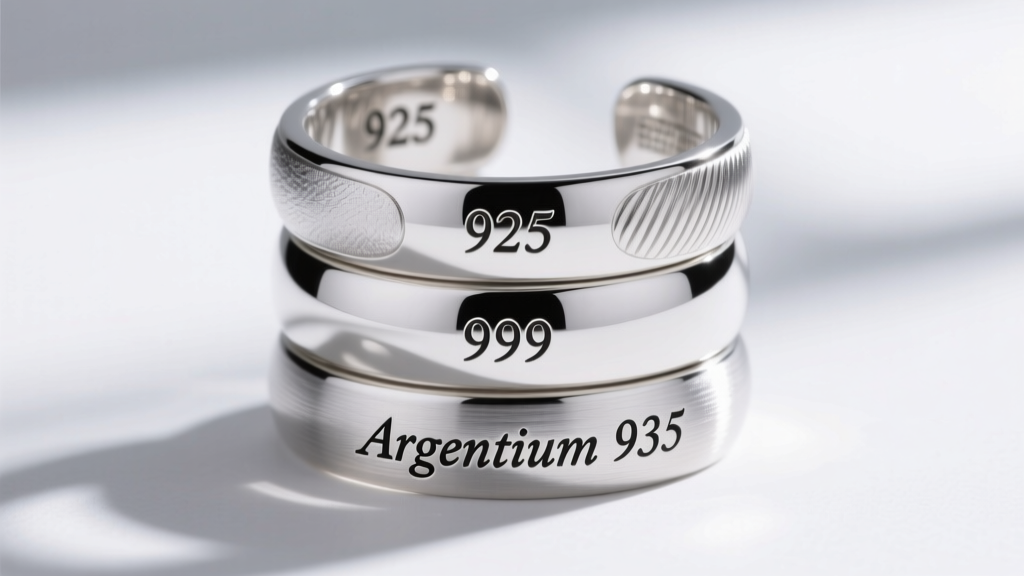
- 925 Sterling Silver: The industry standard, comprising 92.5% silver and 7.5% copper. It offers excellent tensile strength for ear wires and clasps but is prone to tarnishing due to the copper content. It is the most budget-friendly option for handmade pieces.
- 999 Fine Silver: 99.9% pure silver. It is highly tarnish-resistant and hypoallergenic, but extremely soft. A reputable jeweler will only use fine silver for bezel settings around gemstones or for intricate metal clay designs, never for ear wires or structural posts, as it will bend and snap under stress.
- Argentium Silver (935 or 960): A modern, premium alloy where some copper is replaced with germanium. It is highly tarnish-resistant, hypoallergenic, and can be fusion-welded without fire scale. Handmade earrings crafted from Argentium typically command a 20% to 35% price premium over standard sterling due to material costs and the specialized techniques required to work it.
Pricing Tiers: What Should You Actually Pay?
To build a budget-smart collection, it helps to categorize unique handmade silver earrings by their structural complexity. The following table outlines realistic 2026 pricing tiers for authentic, small-batch artisan work versus factory-made "hand-assembled" imitations.
| Earring Style | Factory / Hand-Assembled | True Handmade (Fabricated) | True Handmade (Cast & Finished) |
|---|---|---|---|
| Simple Studs (e.g., Geometric, Textured) | $15 - $25 | $40 - $75 | $30 - $55 |
| Huggies & Small Hoops | $20 - $40 | $85 - $140 | $60 - $95 |
| Intricate Dangles / Drops | $35 - $60 | $120 - $250+ | $80 - $150 |
| Ear Cuffs (No Piercing Required) | $10 - $20 | $50 - $90 | $35 - $65 |
When evaluating a piece against this chart, look for the artisan's process notes. If a highly intricate, multi-layered dangle earring is priced at $45, it is almost certainly cast in a large batch from a 3D-printed wax mold, rather than being individually hand-fabricated at the bench.
Spotting "Handmade" vs. "Hand-Assembled" or Casted
The Federal Trade Commission (FTC) provides strict guidelines for the jewelry industry regarding the use of the word "handmade." For a piece to be legally marketed as handmade, the entire shaping, forming, and finishing process must be done by hand or with hand-guided tools.
Many budget brands buy pre-cast silver components (like blank bezel cups or generic leaf motifs) from large suppliers, solder them together, and market the result as handmade. This is properly termed "hand-assembled." While hand-assembled earrings can still be beautiful and durable, they should not command the premium pricing of hand-fabricated pieces.
To spot true hand-fabrication, examine the textures and edges. Hand-sawn silver often features microscopic, organic variations in symmetry. Filigree work that is truly hand-twisted will have slight, beautiful imperfections compared to the sterile, uniform perfection of CAD-designed and cast jewelry. If every single pair in an artisan's online shop looks mathematically identical, you are likely looking at cast production pieces.
Hardware and Failure Modes: Where Cheap Artisans Cut Corners
When assessing the value of unique handmade silver earrings, the hardware is where you discover the true mark of a master jeweler versus an amateur. Earrings endure significant mechanical stress, and poor hardware engineering leads to lost jewelry.
Gauge Sizes and Tensile Strength
Standard ear piercings are usually done at 20-gauge (0.81mm) or 18-gauge (1.0mm). A quality silversmith will use 18-gauge or 19-gauge wire for French hooks and leverbacks to ensure the wire does not bend out of shape when inserted. If an artisan uses 22-gauge (0.64mm) wire for a heavy drop earring to save on silver weight, the ear wire will inevitably warp, creating a gap where the earring can slip out and be lost.
Soldered vs. Unsoldered Jump Rings
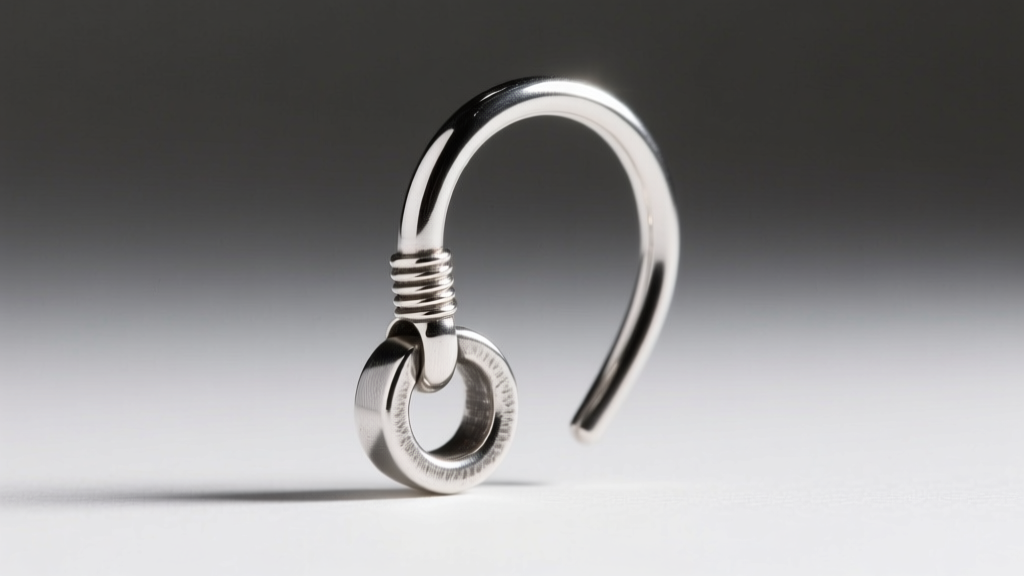
A jump ring is the small circular wire loop that connects the earring design to the ear wire. In budget handmade jewelry, these rings are simply snipped and closed with pliers, leaving a microscopic seam. Over time, the weight of the earring pulls this seam open. High-value artisan earrings feature soldered jump rings, where the seam is fused shut with silver solder, creating an unbreakable continuous loop. Always inspect the connection points; a soldered jump ring is a hallmark of heirloom-quality craftsmanship and justifies a higher price point.
Final Verdict: Building a Curated, Budget-Smart Collection
Investing in unique handmade silver earrings is about purchasing wearable art that supports independent crafters while acquiring pieces with distinct character. To maximize your budget, prioritize artisans who are transparent about their materials (such as using Argentium for low-maintenance wear) and their construction methods (like soldering all structural jump rings).
Avoid the trap of haggling over the spot price of silver. Instead, evaluate the hours of bench time, the structural integrity of the ear wires, and the originality of the design. By understanding the nuances of silver grades, casting versus fabrication, and hardware engineering, you can confidently build a curated earring collection that offers exceptional long-term value, enduring style, and genuine artisan soul.


