How to Clean and Restore Vintage 80s Mens Earrings
Learn expert cleaning, restoration, and maintenance tips for vintage 80s mens earrings, from removing verdigris to fixing stretched lobes.

The Metallurgy of 80s Mens Earrings: What You Are Actually Cleaning
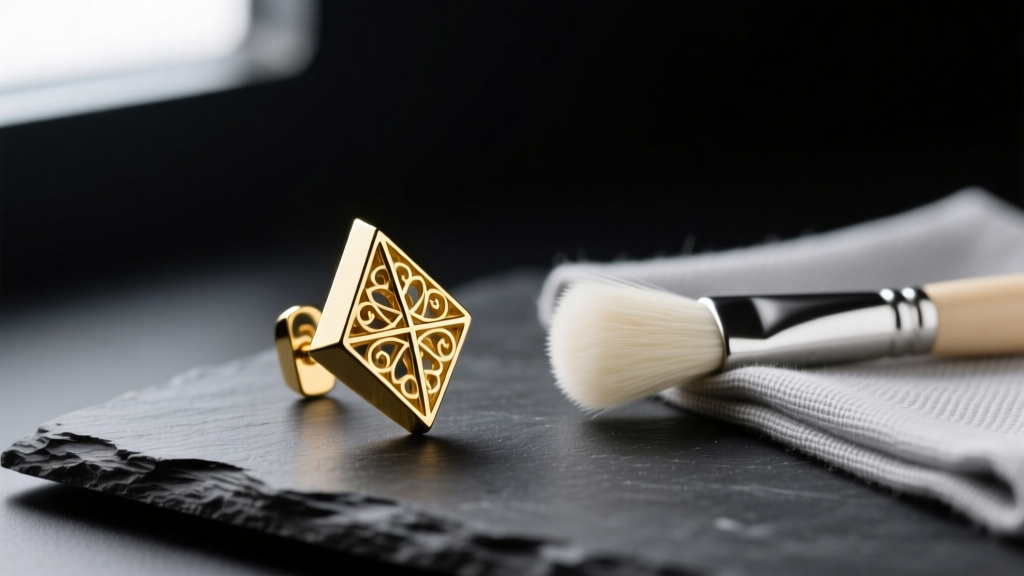
The resurgence of vintage streetwear has brought 80s mens earrings back into the spotlight. From heavy geometric brass shapes to Southwestern turquoise inlays and thick rope hoops, these pieces carry a distinct, bold aesthetic. However, caring for them requires a deep understanding of 1980s jewelry manufacturing. Unlike modern solid gold or implant-grade titanium pieces, many 80s mens earrings were crafted using heavy gold electroplate (HGE) over brass bases, early iterations of 316L surgical steel, or sterling silver with high copper content.
Before applying any cleaning solution, you must identify the base metal. Look for stamps like "1/20 14K GF" (gold-filled), "HGE" (heavy gold electroplate), or "925" (sterling silver). If the piece is unmarked and has a slightly yellowish hue beneath worn areas, it is likely a brass or copper alloy. Applying standard silver dip or harsh chemical polishes to these plated or alloy pieces will strip the finish entirely, exposing the reactive base metal underneath and causing rapid skin discoloration.
Step-by-Step Restoration: Removing 40 Years of Tarnish and Verdigris
Decades of storage often leave vintage earrings coated in tarnish, skin oils, and occasionally verdigris—the toxic green crust that forms on copper and brass alloys when exposed to moisture and oxygen. Here is how to safely restore them based on their material composition.
Solid 14k Gold and Gold-Filled Pieces
For solid gold or high-quality gold-filled 80s studs and hoops, avoid commercial jewelry dips. Instead, create a warm bath of distilled water and a few drops of ammonia-free dish soap (like Dawn). Submerge the earrings for 15 minutes to soften sebum and dead skin cells trapped in the crevices. Use a soft-bristled baby toothbrush to gently agitate the detailing. Rinse with distilled water to prevent hard water spots and dry immediately with a lint-free microfiber cloth.
Sterling Silver and Tribal Designs
Many 80s mens earrings featured oxidized sterling silver tribal or Navajo-inspired designs. Commercial silver polishes will strip the intentional oxidation from the recesses, ruining the contrast. Instead, use an electrochemical reaction: line a glass bowl with aluminum foil (shiny side up), add a tablespoon of baking soda, and pour in boiling water. Submerge the silver earrings for 60 seconds. The sulfur tarnish will transfer from the silver to the aluminum foil without abrading the metal or removing recessed oxidation. According to the Jewelers of America, this method is the safest for intricate vintage silverwork.
Brass Alloys and Verdigris Removal
If your gold-plated brass earrings have developed green verdigris near the post or clasp, do not scrape it with metal tools. Dip a cotton swab in pure white vinegar and apply it strictly to the green crust. The mild acetic acid will dissolve the copper carbonate. Wipe clean immediately with a damp cloth to neutralize the acid, ensuring it does not eat through the remaining gold plating.
The Ultrasonic Trap: When NOT to Use Soundwaves
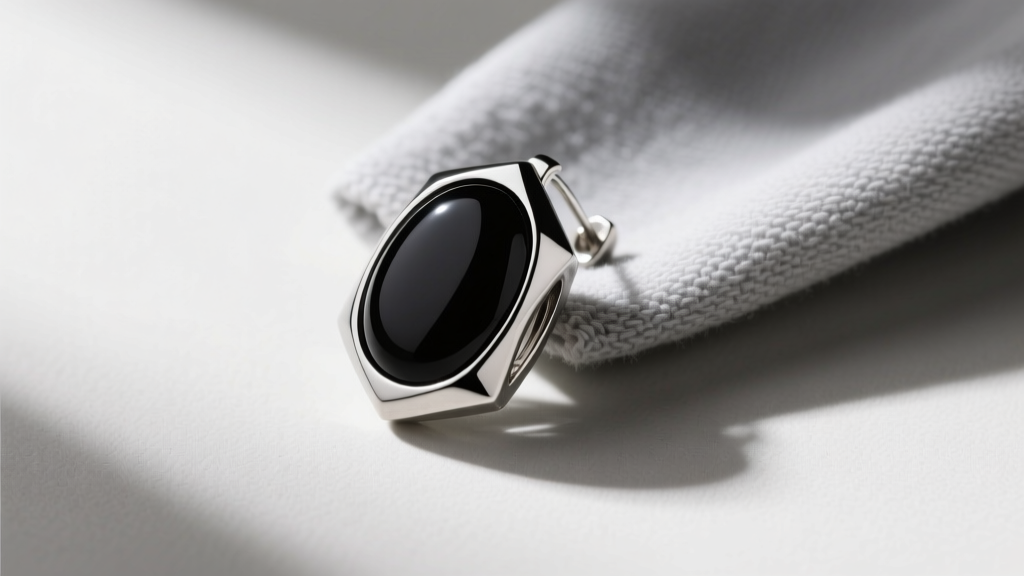
In 2026, consumer-grade ultrasonic cleaners are highly accessible and often marketed as a catch-all solution for jewelry maintenance. However, using high-frequency soundwaves on vintage 80s mens earrings can be catastrophic. Many iconic 80s designs featured inlaid stones like black onyx, lapis lazuli, turquoise, or malachite, held in place by aging adhesives or soft bezels.
The Gemological Institute of America (GIA) explicitly warns against using ultrasonic cleaners on porous or fractured gemstones. The vibrations can easily shatter lapis lazuli, strip the dye from stabilized turquoise (which was incredibly common in 80s Southwestern jewelry), and dissolve the epoxy used to secure onyx inlays. For any 80s earring featuring non-diamond, non-sapphire gemstones, stick to manual cleaning with a barely damp cloth and a soft brush.
Structural Triage: Fixing Common 80s Earring Failures
Beyond surface cleaning, vintage 80s mens earrings often suffer from structural degradation. The manufacturing techniques of the 1980s relied heavily on traditional soldering rather than modern laser welding, leading to specific failure points over time.
| Failure Mode | Common Cause in 80s Pieces | 2026 Restoration Solution |
|---|---|---|
| Sheared Solder Posts | Lead/tin solder used on heavy brass backs becomes brittle over decades. | Have a jeweler re-attach the post using precision laser welding for a permanent bond. |
| Bent Wire Hoops | Soft 14k gold or silver wire warps when stored in crowded jewelry boxes. | Roll the hoop on a flat glass surface to find the bend; use nylon-jaw pliers to gently reshape. |
| Stripped Butterfly Backs | Early friction backs wore out their internal tension grooves. | Replace with modern silicone friction backs or upgrade to secure locking ear nuts. |
| Lobe Tearing (Cheese-Cutter) | Heavy 80s geometric hoops pull on standard 18g/20g piercing gun holes. | Upsize the earring wire to 14g or 12g to distribute weight, or use silicone support patches. |
One of the most critical issues with 80s mens earrings is the "cheese-cutter" effect. In the 1980s, mall kiosks predominantly used piercing guns, which force blunt studs through the tissue, often resulting in 18g or 20g holes. When men wear heavy, oversized 80s hoops on these thin-gauge holes, the wire slowly slices through the earlobe. The Association of Professional Piercers (APP) recommends upsizing heavy jewelry to at least 14g (1.6mm) to distribute the weight safely. If the lobe is already stretched or thinning, a professional piercer can perform a minor lobe repair, or you can use discreet silicone o-ring supports behind the ear to bear the weight of the earring.
Safe Storage and Preventative Maintenance
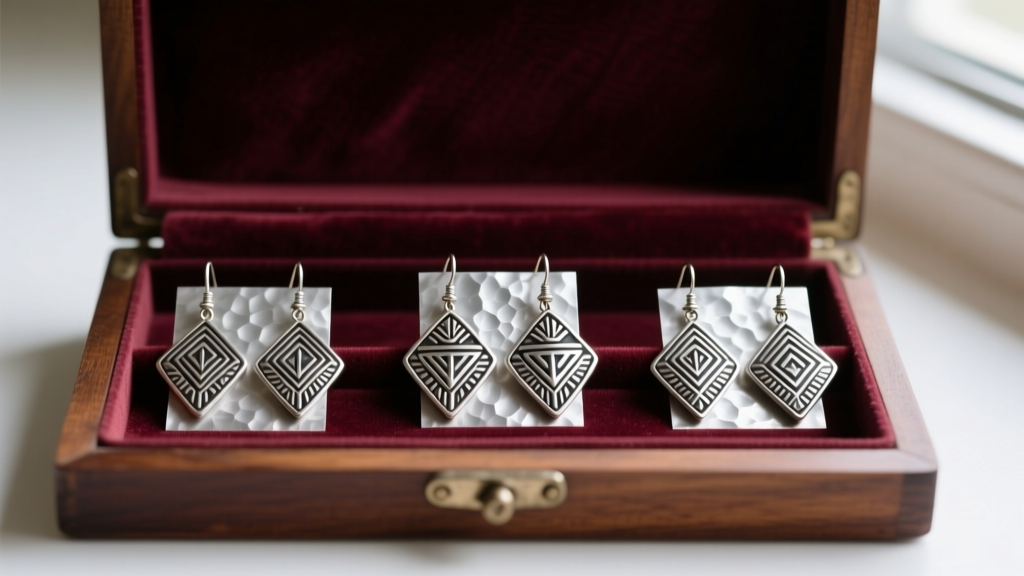
Once your vintage 80s mens earrings are cleaned and structurally sound, proper storage is essential to prevent the rapid return of tarnish and verdigris. The enemy of vintage alloys is humidity and sulfur-rich air.
- Avoid PVC Plastics: Never store vintage silver or plated earrings in soft PVC plastic bags. PVC off-gasses chemicals that accelerate tarnishing and can permanently fuse to delicate gold plating.
- Use Polyethylene Bags: Store each pair individually in small, zip-seal polyethylene (PE) bags, which are chemically inert.
- Anti-Tarnish Strips: Drop a 3M anti-tarnish strip into each bag or your jewelry valet box. These strips absorb airborne sulfides and can protect sterling silver for up to 12 months.
- Silica Gel Packets: Include a small silica gel desiccant packet in your storage box to control ambient humidity, which is the primary catalyst for brass oxidation and verdigris formation.
By understanding the specific metallurgy and structural vulnerabilities of 80s mens earrings, you can safely restore these bold vintage pieces to their original glory. Whether you are maintaining a pair of heavy gold-plated geometric studs or a set of intricate Southwestern turquoise hoops, tailored care ensures they remain a staple of your wardrobe for decades to come.


