Cleaning Earrings: Knot Gold Styles Maintenance Guide
Learn how to safely clean and maintain your favorite earrings. Knot gold styles require specific techniques to remove trapped debris and prevent tarnish.

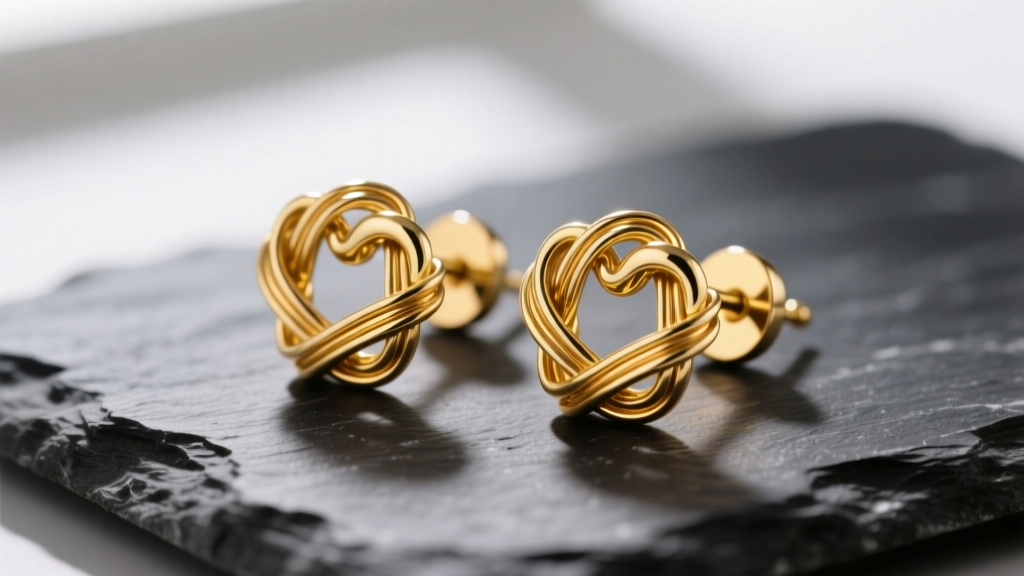
Knot earrings—ranging from classic love knots and sailor knots to intricate Celtic and infinity designs—are a staple in fine jewelry. Their interwoven lines symbolize eternity and connection, making them deeply sentimental pieces. However, from a maintenance perspective, the very anatomy that makes these designs beautiful also makes them notorious dirt magnets. The overlapping wires, deep cast undercuts, and tight solder joints create microscopic crevices where sebum, dead skin cells, cosmetics, and environmental pollutants accumulate. If you are searching for the best methods to care for your earrings knot gold pieces, this comprehensive guide provides the metallurgical context and step-by-step protocols you need to keep them pristine without causing structural damage.
Understanding Gold Alloys and Knot Anatomy
Before applying any cleaning solution, it is critical to understand the specific gold alloy of your knot earrings and how they were constructed. According to the Gemological Institute of America (GIA), pure 24k gold is too soft for intricate jewelry, meaning your pieces are alloyed with metals like copper, silver, or zinc to increase durability.
- 14k Gold (58.5% Gold): Harder and more durable. Ideal for wire-wrapped knot earrings where the structural integrity of thin 22-gauge or 24-gauge wires relies on the alloy's stiffness.
- 18k Gold (75% Gold): Softer, richer in color, but more prone to micro-scratches. Cast 18k knot earrings require gentler handling to avoid blurring the sharp edges of the overlapping lines.
Furthermore, knot designs are often constructed using multiple solder joints where wires intersect. These solder points are the structural weak spots. Exposure to harsh chemicals, particularly chlorine, can cause stress corrosion cracking at these exact joints, leading to sudden breakage. Never wear your gold knot earrings in swimming pools or clean them with bleach-based solutions.
The Ultrasonic Cleaner Debate: Solid vs. Hollow Knots
Many jewelry owners turn to ultrasonic cleaners for deep cleaning. While high-frequency sound waves are excellent for dislodging debris from complex geometries, they are not universally safe for all knot earrings.
When to Use Ultrasonic Cleaning
If your knot earrings are solid cast or made from thick, solid wire (18-gauge or heavier) without any gemstone accents, an ultrasonic cleaner using a mild, ammonia-free jewelry solution is highly effective. The vibrations will easily penetrate the deep undercuts of a Celtic knot that a brush cannot reach.
When to Avoid Ultrasonic Cleaning
You must avoid ultrasonic cleaners if your knot earrings are hollow-cast or electroformed. Many large, lightweight knot hoops are hollow to prevent earlobe stretching. Ultrasonic vibrations can cause the thin gold shells to dent, shatter, or trap water inside the hollow chamber, leading to internal corrosion. Additionally, if your knot design features tension-set diamonds or delicate gemstones integrated into the loops, the vibrations can loosen the settings.
The Manual Cleaning Protocol for Intricate Knots
For the safest, most effective clean that accommodates all gold purities and knot constructions, follow this manual protocol recommended by experts at Jewelers of America.
Step 1: The Distilled Water Soak
Mix three drops of mild, phosphate-free dish soap (such as original Dawn) into one cup of distilled water. Avoid tap water, as the dissolved minerals and calcium can leave stubborn white spots deep within the knot's crevices once the water evaporates. Let the earrings soak for 15 to 20 minutes. This softens the hardened sebum and cosmetic buildup without requiring aggressive scrubbing.
Step 2: Targeted Bristle Agitation
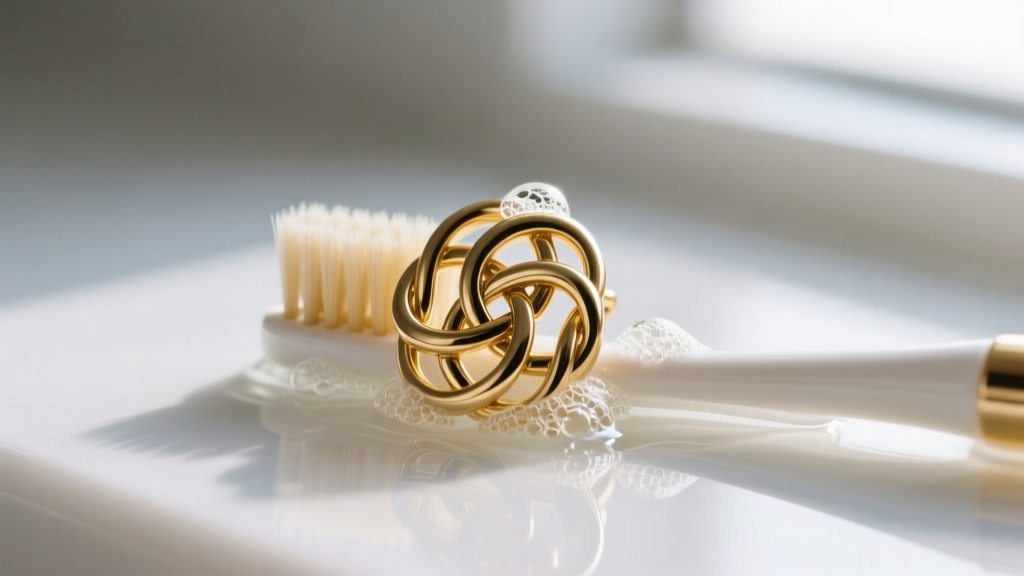
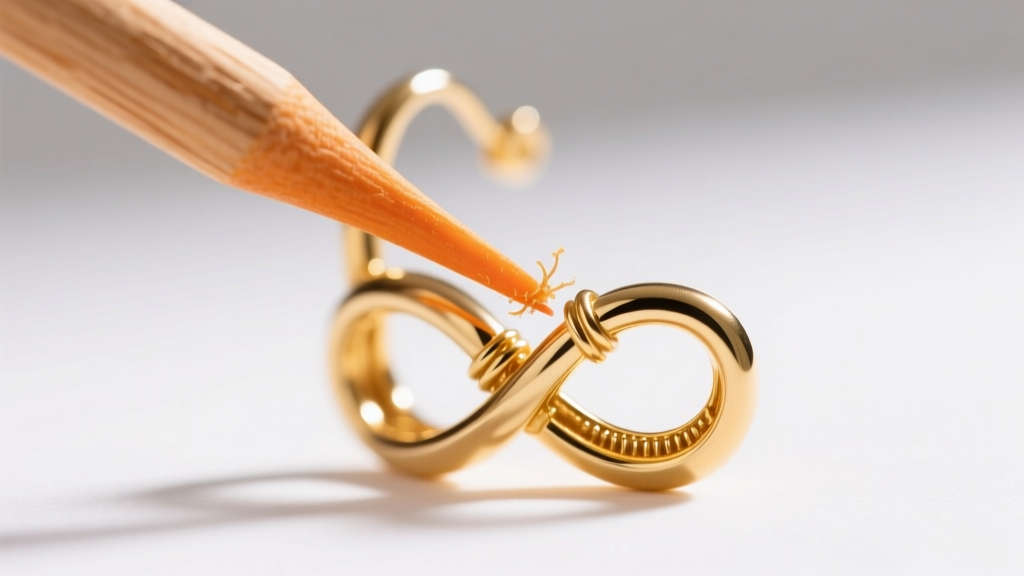
Use an extra-soft baby toothbrush (look for bristles around 0.12mm in diameter) or a dedicated, ultra-soft jewelry brush. Gently agitate the brush over the overlapping wires. Do not press hard; let the tips of the bristles sweep into the grooves. For tight solder joints where the brush cannot reach, use a wooden orange stick or a wooden toothpick. Wood is softer than gold and will dislodge compacted debris without scratching the metal, unlike metal needles or pins which will leave permanent gouges.
Step 3: The Distilled Rinse
Rinse the earrings thoroughly under a gentle stream of lukewarm distilled water. Ensure the drain is securely plugged or use a small mesh strainer to prevent losing a piece down the sink.
Drying and Polishing Crevices Without Scratching
Drying knot earrings is often more challenging than washing them. If moisture is left in the deep undercuts, it can lead to skin irritation when worn and accelerate the oxidation of the alloy metals (like copper) present in the gold mix.
- Compressed Air: Use a can of compressed air (held upright to avoid propellant spray) or a hair dryer on the cool setting to blow water out of the tightest knot intersections.
- Microfiber Cloths: Pat the surface dry with a lint-free microfiber cloth. Avoid cotton balls or tissues, as the fibers will snag on the wire overlaps and leave behind lint that is difficult to remove.
- Polishing Limitations: Treated polishing cloths (like Sunshine cloths) are excellent for flat surfaces but fail in knot crevices. The treated micro-abrasives cannot reach the undercuts. If the deep grooves appear dark or tarnished, this is often intentional 'antiquing' or oxidation applied by the jeweler to highlight the knot's 3D geometry. Aggressive polishing will strip this contrast and flatten the visual depth of the design.
Maintenance Schedule and Storage Framework
To minimize the need for deep cleaning, adopt a proactive maintenance schedule based on your wear habits. Consistent care prevents the calcification of skin oils, which becomes significantly harder to remove over time.
| Wear Frequency | Maintenance Action | Storage Protocol |
|---|---|---|
| Daily Wear | Wipe with dry microfiber cloth nightly; full soak and brush weekly. | Store in an airtight anti-tarnish pouch with a silica gel packet. |
| Occasional Wear | Quick soak and brush before wearing to remove dust; wipe after use. | Keep in a fabric-lined jewelry box, isolated from harder gemstones. |
| Heirloom / Rare | Professional jeweler steam clean and inspection once per year. | Wrap in acid-free tissue paper inside a sealed archival plastic bag. |
Troubleshooting Common Knot Earring Issues
Because of their complex geometry, knot earrings present unique mechanical challenges during daily wear and cleaning.
Snagged Friction Backs
If your knot earrings feature a wire post that integrates into the knot design, friction backs (butterfly clutches) can easily get wedged against the wire loops. Never use pliers to pull a stuck back off, as you will bend the post or distort the knot. Instead, apply a tiny drop of mineral oil where the post meets the clutch, wait five minutes, and gently twist the clutch while pulling straight back.Bent Wire Loops
Wire-wrapped knot earrings, particularly those made in 18k or 22k gold, can lose their shape if crushed in a jewelry box. If a loop becomes compressed, do not attempt to bend it back into place with your fingers, as this introduces work-hardening and can snap the wire. Take the piece to a professional jeweler who can use nylon-jaw pliers to reshape the knot without marring the gold surface.
Conclusion
Maintaining the intricate beauty of knot gold earrings requires a shift from generic jewelry cleaning to a targeted, anatomy-aware approach. By understanding your gold alloy, avoiding destructive chemicals at the solder joints, and utilizing soft tools like wooden sticks and extra-soft bristles, you can safely remove trapped debris. Consistent, gentle care ensures that the symbolic loops and intersections of your knot earrings remain as brilliant and unbroken as the day they were crafted.


