The Science of Cleaning Earrings: A Material Comparison
Discover the science of cleaning earrings based on metal properties. Learn safe methods for titanium, gold, silver, and surgical steel to prevent damage.

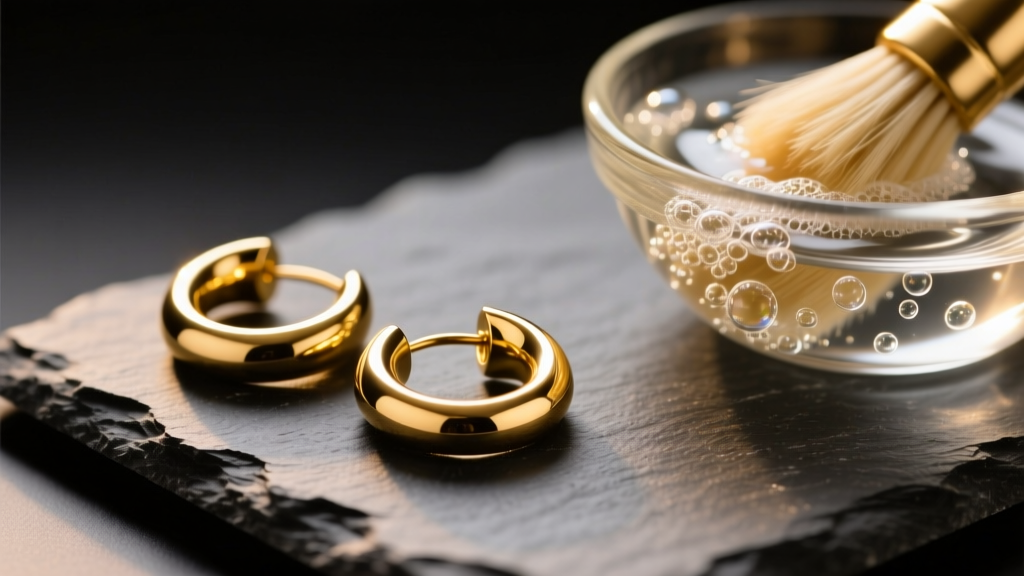
As jewelry collectors and piercing enthusiasts navigate the evolving landscape of body adornment in 2026, the focus has shifted heavily toward hypoallergenic, sustainable, and high-grade metals. However, the longevity and brilliance of these pieces depend entirely on proper maintenance. The act of cleaning earrings is not a one-size-fits-all process; it is a chemical interaction that must be tailored to the specific metallurgical properties of your jewelry. Using the wrong solvent or mechanical action can strip anodized finishes, induce stress corrosion cracking, or permanently cloud porous gemstones.
This comprehensive guide breaks down the material science behind your favorite earrings, providing exact, actionable protocols for cleaning and preserving titanium, gold, silver, and stainless steel.
The Chemistry of Tarnish and Corrosion in Ear Jewelry
Before applying any cleaning agent, it is crucial to understand why earrings degrade. Tarnish and corrosion are not merely 'dirt'; they are chemical reactions between the metal alloy and environmental elements like oxygen, sulfur, and chlorine.
- Silver Sulfide Formation: Sterling silver does not rust; it tarnishes. Hydrogen sulfide in the air reacts with the copper alloyed in 925 silver, creating a black layer of silver sulfide.
- Copper Oxidation in Gold: Pure 24k gold is virtually inert. However, 14k and 18k gold are alloyed with copper and silver for durability. These base metals oxidize when exposed to sweat, cosmetics, and pool chlorine.
- Passivation of Titanium: Implant-grade titanium naturally forms a microscopic, invisible oxide layer when exposed to air. This passive layer is what makes it entirely biocompatible and rust-proof.
Material-by-Material Breakdown for Cleaning Earrings
Implant-Grade Titanium (ASTM F-136)
Titanium is the gold standard for fresh piercings and sensitive ears. According to the Association of Professional Piercers (APP), ASTM F-136 implant-grade titanium is highly resistant to corrosion and can withstand rigorous sterilization. However, many titanium earrings are anodized—a process that uses voltage to thicken the oxide layer, creating vibrant colors without dyes or plating.
The Protocol: Clean anodized titanium using warm water, a mild fragrance-free antibacterial soap, and a soft microfiber cloth. For sterilization, 91% isopropyl alcohol (IPA) is perfectly safe. Never use abrasive polishing pastes, baking soda, or ultrasonic cleaners on anodized titanium, as mechanical friction will physically strip the oxide layer, reverting the jewelry to its dull, natural gray.
Sterling Silver (925) and Argentium
Standard 925 sterling silver contains 7.5% copper, making it highly susceptible to sulfur-induced tarnish. Argentium silver, a modern alloy that replaces some copper with germanium, offers vastly superior tarnish resistance but still requires careful maintenance.
The Protocol: For heavy tarnish on solid silver pieces without porous gems, utilize an electrochemical reduction bath. Line a glass bowl with aluminum foil (shiny side up), add 1 tablespoon of baking soda and 1 tablespoon of non-iodized salt, and pour in boiling water. Submerge the silver earrings so they touch the foil. The sulfur transfers from the silver to the aluminum via an electrolytic reaction, lifting the tarnish without removing any base metal. Rinse thoroughly and buff dry. For light maintenance, a treated silver polishing cloth is your best defense.
Solid Gold vs. Gold Vermeil
When cleaning earrings made of 14k or 18k solid gold, your primary enemy is chlorine. The Gemological Institute of America (GIA) warns that repeated exposure to chlorine (from swimming pools or harsh household cleaners) causes 'stress corrosion cracking' in gold alloys, which can cause prongs to snap and stones to fall out.
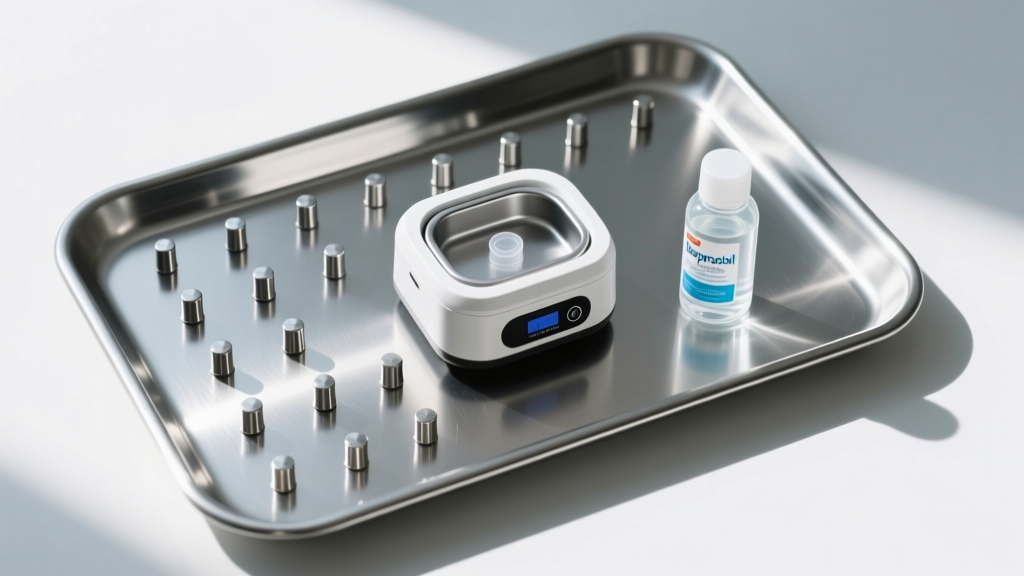
The Protocol (Solid Gold): Soak solid gold earrings in a solution of warm water and a few drops of mild, phosphate-free dish soap (like Dawn) for 15 minutes. Gently agitate with a soft-bristled baby toothbrush to remove sebum and dead skin cells from behind the setting. Rinse with distilled water to prevent hard water spots.
The Protocol (Gold Vermeil): Vermeil consists of a thick layer of gold (minimum 2.5 microns) bonded to a sterling silver base. Never use ultrasonic cleaners, silver dip, or polishing cloths on vermeil, as these will strip the gold layer and expose the silver beneath. Stick strictly to a damp microfiber cloth and mild soapy water, drying immediately.
The Master Comparison Chart: Cleaning Agents by Metal
Use this quick-reference table to ensure you are matching the correct cleaning agent to your earring's specific metallurgy.
| Metal Type | Tarnish Profile | Recommended Cleaning Agents | Strictly Avoid |
|---|---|---|---|
| Implant Titanium (F-136) | None (Oxide layer is protective) | Mild soap, 91% IPA, Distilled water | Abrasives, Polishing pastes, Bleach |
| Sterling Silver (925) | High (Silver Sulfide) | Aluminum foil bath, Silver polish cloth | Bleach, Toothpaste, Chlorine |
| 14k / 18k Solid Gold | Low to Moderate (Alloy oxidation) | Mild dish soap, Soft bristle brush | Chlorine, Hard bristles, Mercury |
| Gold Vermeil | Low (Until gold layer wears off) | Damp microfiber, Mild soapy water | Ultrasonic cleaners, Silver dip |
| Surgical Steel (316L) | Low (Can rust if passive layer fails) | Warm soapy water, Rubbing alcohol | Prolonged salt water soaking, Bleach |
Gemstone Considerations: When Metal Cleaning Fails
You cannot clean a diamond earring the same way you clean an opal earring. The Mohs Hardness Scale and the stone's porosity dictate the cleaning method. If your earrings feature gemstones, the metal cleaning protocol must be secondary to the stone's survival.
Porous and Fracture-Filled Stones
Organic gems like pearls, coral, and amber, as well as porous stones like turquoise and opal, will absorb chemicals, soap, and even water, leading to irreversible discoloration or cracking. Emeralds are almost universally treated with cedar oil to mask natural fractures; ultrasonic cleaners will vibrate the oil out, leaving the stone looking heavily fractured and cloudy. Rule of thumb: Wipe these earrings gently with a barely damp cloth and dry immediately. Never submerge them.
Hard, Non-Porous Stones
Diamonds (Mohs 10), sapphires (Mohs 9), and rubies (Mohs 9) are incredibly durable. They attract grease and sebum, which dulls their refractive index. These stones can safely endure ultrasonic cleaning, steam cleaning, and mild ammonia-based jewelry solutions to restore their optical brilliance.
Step-by-Step Ultrasonic vs. Manual Cleaning Protocols
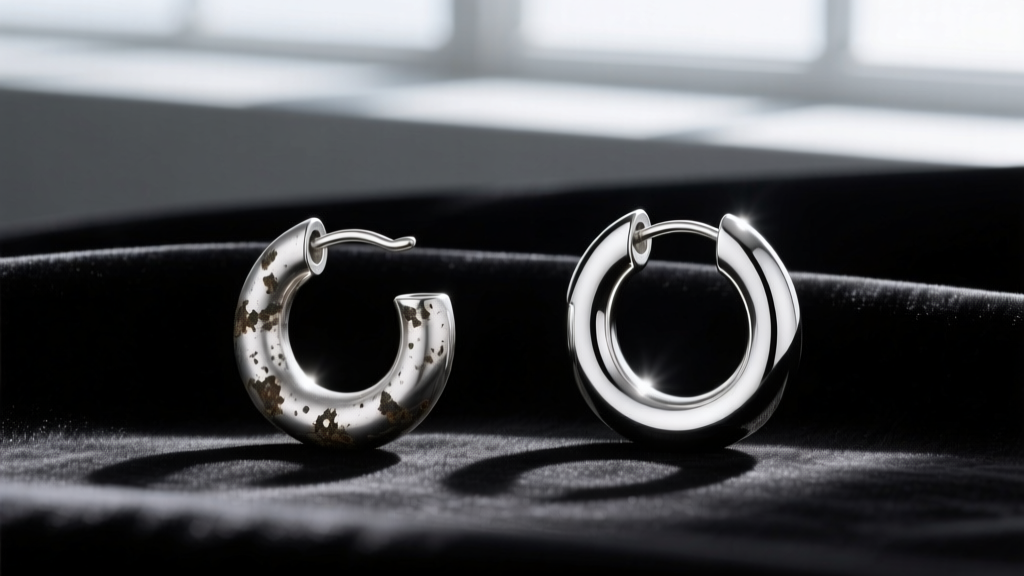
Ultrasonic cleaners use high-frequency sound waves (typically 40kHz to 45kHz) to create microscopic cavitation bubbles in a liquid solution. When these bubbles collapse against the surface of the earring, they generate localized shockwaves that blast away microscopic debris from prongs and crevices.
Expert Warning: While ultrasonic cleaners are miraculous for diamond and solid gold stud earrings, they will shatter tanzanite, crack opals, and violently strip gold plating or rhodium plating off white gold. Always verify your gemstone and metal plating status before utilizing cavitation technology.
Manual Cleaning Steps for Delicate Pieces:
- Place a soft towel in the basin of your sink to prevent damage if the earring is dropped.
- Prepare a lukewarm bath of distilled water and phosphate-free dish detergent.
- Soak the earrings for no more than 10 minutes to loosen cosmetic buildup and skin oils.
- Use a dedicated, ultra-soft jewelry brush to gently sweep behind the stone settings and along the post.
- Rinse with a gentle stream of distilled water (tap water contains minerals that leave spots).
- Pat dry with a lint-free microfiber cloth; avoid tissue paper, which contains wood fibers that can scratch high-polish gold.
Common Cleaning Mistakes That Ruin Earrings
Even with the best intentions, improper techniques cause thousands of dollars in jewelry damage annually. Avoid these critical errors:
- Using Toothpaste: Toothpaste contains hydrated silica, an abrasive designed to scrub enamel. On jewelry, it acts like sandpaper, leaving micro-scratches on gold, silver, and gemstones, permanently dulling the high-polish finish.
- Boiling Water for Sterilization: While boiling water might sterilize bare titanium or solid steel, dropping cold gemstone earrings into boiling water causes thermal shock. This rapid temperature change will instantly fracture diamonds with internal inclusions and shatter synthetic stones.
- Ignoring the Earring Post and Clutch: The majority of bacterial buildup and contact dermatitis is caused by neglected earring backs (clutches) and the grooves of the post. Always remove the clutch, soak both pieces separately, and use a cotton swab to clean the interior of the clutch mechanism.
By respecting the unique chemical and physical properties of your jewelry materials, you ensure that your earrings remain vibrant, hygienic, and structurally sound for decades of wear.


