How to Get Rid of Ear Infection From Earrings: A Clinical Guide
Learn how to get rid of ear infection from earrings with clinical insights on metal allergies, implant-grade titanium, and proper lobe care.

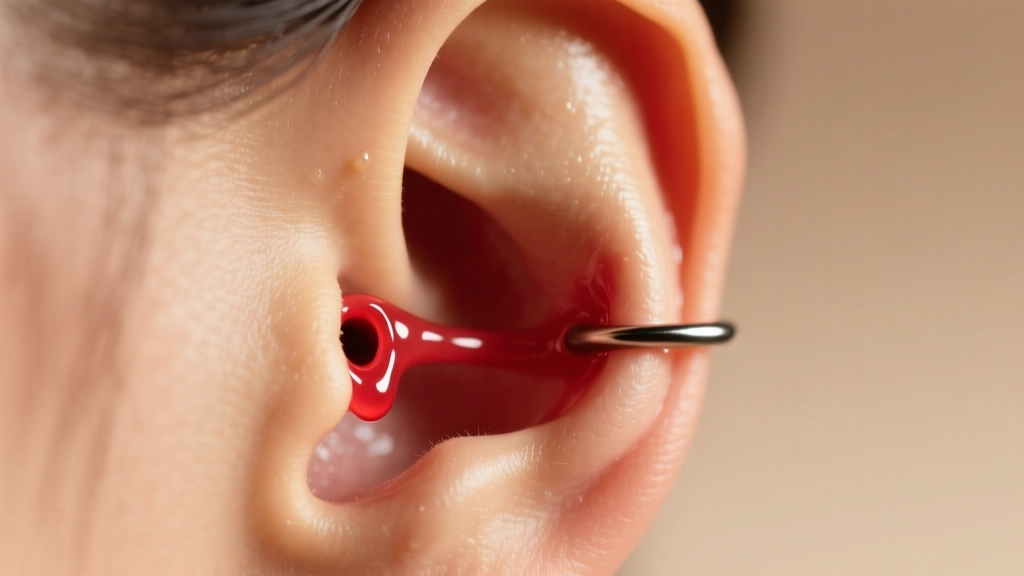
When an ear piercing becomes inflamed, red, and painful, the immediate instinct is often to blame poor hygiene. However, as jewelry and dermatological experts know, the root cause of most earring-related complications is rarely just dirt. To truly understand how to get rid of ear infection from earrings, we must first differentiate between a true bacterial invasion and Allergic Contact Dermatitis (ACD), examine the metallurgical composition of your jewelry, and implement a biologically sound healing protocol.
The Clinical Reality: Infection vs. Allergic Contact Dermatitis
Before applying any treatment, you must accurately identify the pathology of your ear inflammation. The vast majority of what consumers term an 'earring infection' is actually Allergic Contact Dermatitis. According to the American Academy of Dermatology, ACD occurs when nickel or cobalt ions leach from the jewelry, bind to epidermal proteins, and trigger a localized T-cell immune response.
- Allergic Contact Dermatitis (ACD): Presents with intense itching, flaking skin, clear weeping fluid, and localized redness exactly where the metal touches the skin. The fistula (piercing hole) may feel tight but is rarely hot to the touch.
- Bacterial Infection: Presents with throbbing pain, localized heat, significant swelling, and purulent discharge (thick yellow, green, or brown fluid). This is typically caused by Staphylococcus aureus or Pseudomonas aeruginosa entering through micro-tears in the fistula.
Treating ACD with antibiotics will fail, while treating a bacterial infection with hydrocortisone cream will suppress the local immune response and allow the bacteria to multiply. Accurate diagnosis is the first step in resolving the issue.
Material Forensics: Why Your Earrings Are the Culprit
The jewelry industry frequently uses misleading terms like 'hypoallergenic' or 'surgical steel.' From a metallurgical standpoint, these terms are virtually meaningless when it comes to sensitive, compromised tissue. 'Surgical stainless steel' (typically 316L) contains between 10% and 14% nickel. Even if the alloy is stable, the saline environment of a weeping piercing can accelerate ion leaching, triggering a severe reaction.
| Metal Type | Grade / Standard | Nickel Content | Risk Level for Inflamed Ears |
|---|---|---|---|
| Surgical Steel | 316L / 316LVM | 10% - 14% | High (Not recommended for healing) |
| Commercial Titanium | ASTM F67 | Trace (< 0.05%) | Moderate (Can contain impurities) |
| Implant-Grade Titanium | ASTM F136 (Ti6Al4V) | None / Trace | Extremely Low (Clinical standard) |
| Niobium | Unalloyed (99.9%) | None | Extremely Low (Highly biocompatible) |
| White Gold | 14k / 18k (Nickel-alloyed) | Variable | High (Rhodium plating wears off) |
To halt an allergic reaction, the offending metal must be removed immediately. The Association of Professional Piercers (APP) strictly recommends ASTM F136 implant-grade titanium for any compromised or healing tissue due to its passivated oxide layer, which prevents ion leaching entirely.
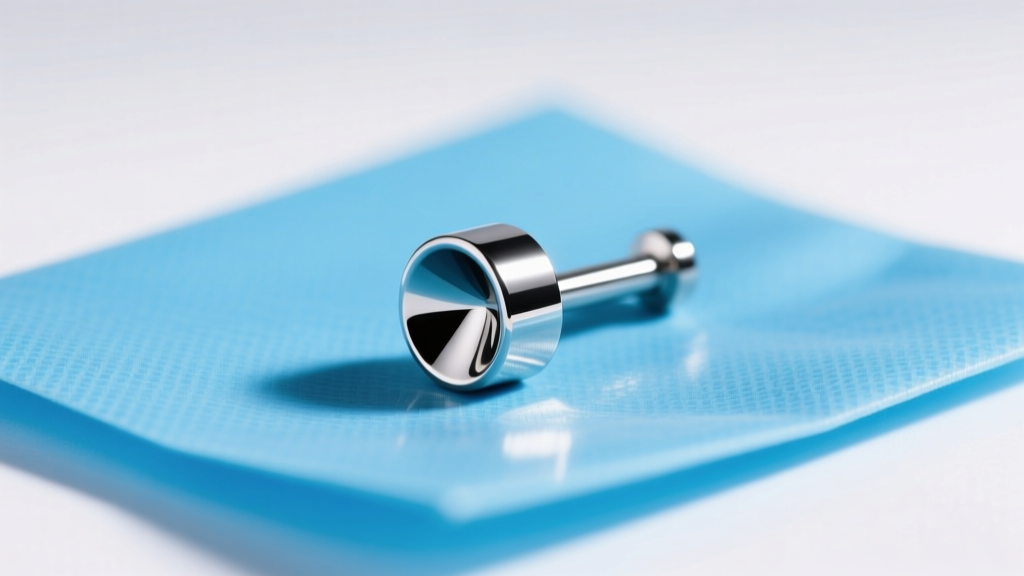
Step-by-Step Protocol: How to Get Rid of Ear Infection From Earrings
If you have confirmed a mild bacterial infection or severe contact dermatitis, follow this clinical triage protocol to restore the health of your fistula.
Phase 1: Immediate Triage (0-24 Hours)
Do not remove the jewelry if the piercing is less than 6 months old. Removing the earring from a fresh, infected piercing can cause the surface tissue to heal over the infection, trapping it inside and forming an abscess. If the piercing is fully healed (over 1 year old), remove the jewelry, clean the area, and leave it bare for 24 hours.
- Switch to Implant-Grade Titanium: If you must keep jewelry in, swap to a sterile, ASTM F136 titanium flat-back labret stud. Avoid rings or hoops, as their rotational movement introduces bacteria into the fistula.
- Apply a Warm Compress: Soak a sterile gauze pad in warm (not hot) distilled water and apply it to the earlobe for 5 minutes. This increases local blood flow, bringing macrophages to the area to fight off pathogens.
Phase 2: Eradication & Healing (Days 2-7)
Avoid harsh chemicals. Rubbing alcohol, hydrogen peroxide, and tea tree oil are cytotoxic; they destroy the fibroblasts responsible for rebuilding your fistula tissue.
- Sterile Saline Wound Wash: Use a canned 0.9% sodium chloride solution with no additives. Spray it directly onto the front and back of the piercing twice daily.
- The LITHA Method: 'Leave It The Hell Alone.' Do not twist, turn, or 'clean' the crusties away with your fingers. Mechanical agitation causes micro-tears, resetting the healing clock.
Expert Note: If you are making a homemade saline solution, the ratio must be exact. Mix 1/4 teaspoon of non-iodized fine-grain sea salt into 8 ounces of boiling distilled water. A solution that is too salty (hypertonic) will dehydrate the tissue and cause chemical burns, worsening the inflammation.
Gauge Sizing and Micro-Trauma: The Hidden Aggravator
An often-overlooked cause of chronic, low-grade ear infections is improper gauge sizing. The standard lobe piercing is performed at 18-gauge (1.02mm) or 16-gauge (1.29mm). However, many commercial fashion earrings use 20-gauge (0.81mm) or even 22-gauge (0.64mm) posts.
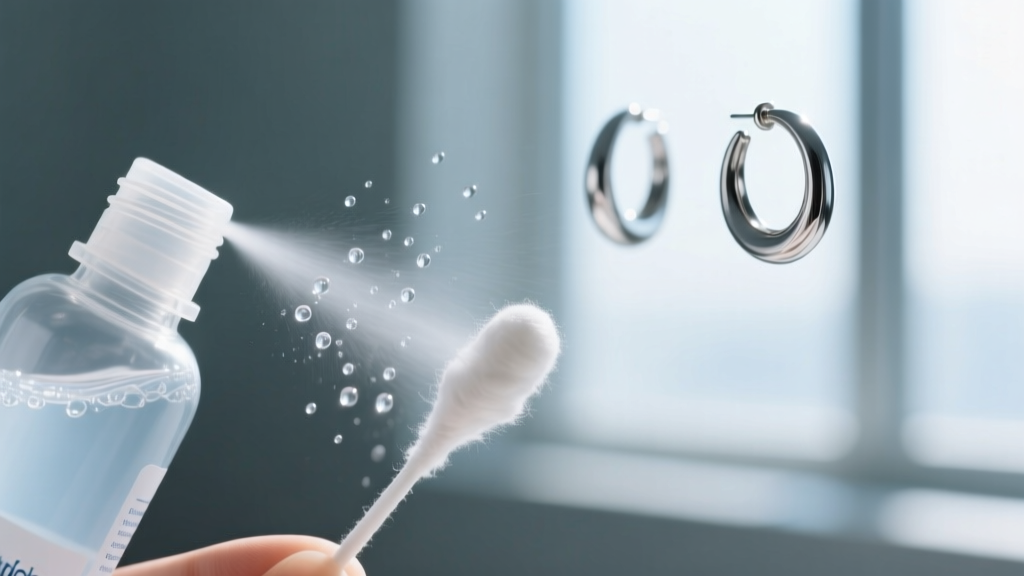
When a thin 22-gauge wire sits inside a larger 16-gauge fistula, it creates a phenomenon known in the body modification industry as the 'cheese-cutter effect.' The thin wire acts like a blade, migrating through the tissue and causing chronic micro-tears. These microscopic wounds provide an endless entry point for Staphylococcus bacteria. To resolve chronic lobe irritation, ensure your earring posts match the exact gauge of your piercing hole, providing structural support to the fistula walls.
Preventative Framework: Building a Hypoallergenic Collection
Once you know how to get rid of ear infection from earrings, the next step is ensuring it never returns. Building a biocompatible jewelry collection requires paying attention to both the metal and the manufacturing method.
- Avoid Externally Threaded Jewelry: Earrings where the screw threads are on the post (the part that goes through the ear) act like a file, shredding the delicate fistula lining every time they are inserted. This scar tissue becomes a breeding ground for bacteria.
- Opt for Threadless or Internally Threaded: High-end brands like NeoMetal and BVLA utilize threadless 'snap-together' tension fittings or internal threading, where the post is perfectly smooth, preserving the integrity of the piercing channel.
- Verify the Alloy: If purchasing gold, ensure it is 14k or 18k nickel-free yellow gold. Avoid white gold unless you have written confirmation from the manufacturer that it is alloyed with palladium rather than nickel.
When to Seek Medical Intervention (Red Flags)
While lobe infections can often be managed with the at-home protocol outlined above, cartilage piercings (such as the helix, tragus, or conch) are a different clinical entity. Cartilage is avascular, meaning it lacks a direct blood supply. If bacteria enter a cartilage piercing, your immune system cannot efficiently deliver white blood cells to the area.
Seek immediate medical attention from a physician or dermatologist if you experience:
- Redness and swelling that spreads beyond the immediate piercing site down the neck or across the cheek.
- Systemic symptoms such as fever, chills, or nausea.
- A foul odor accompanied by thick, dark green discharge (indicative of Pseudomonas aeruginosa, which requires prescription oral antibiotics like Ciprofloxacin).
- The jewelry becoming completely embedded or swallowed by the swelling tissue.
By understanding the metallurgy of your jewelry, respecting the biology of the fistula, and utilizing sterile, isotonic aftercare, you can effectively banish inflammation and maintain healthy, resilient piercings for life.


