Bow Tie Earrings Care: Cleaning Intricate Knots & Metals
Learn how to safely clean, polish, and store bow tie earrings. Expert tips for removing grime from intricate knots and protecting delicate enamel.

The Unique Anatomy of Bow Tie Earrings: Why They Trap Dirt
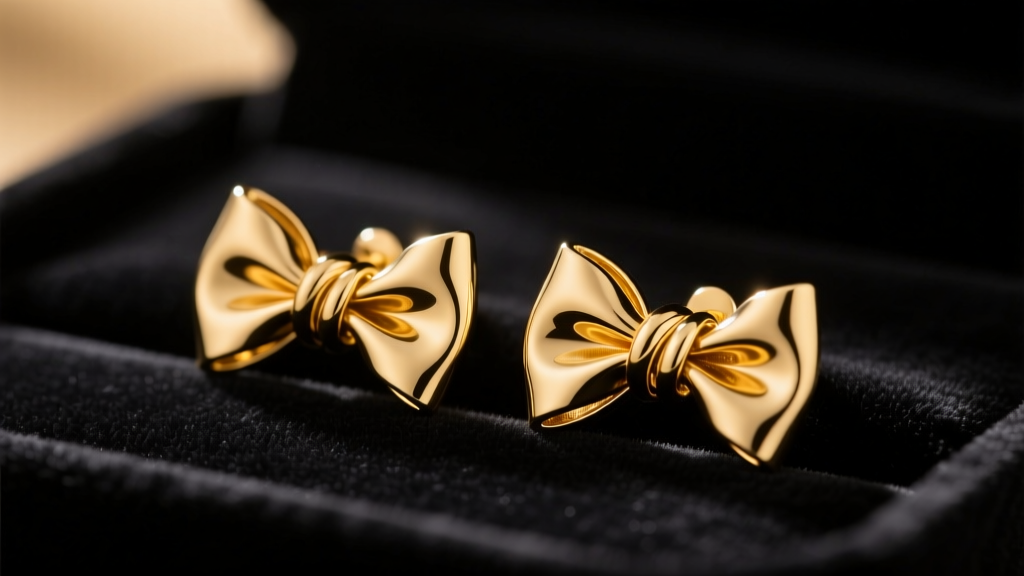
Bow tie earrings are a quintessential statement piece, offering a playful yet elegant silhouette that flatters a variety of face shapes. However, their structural complexity makes them notoriously difficult to maintain. Unlike a simple stud or a smooth hoop, a bow tie earring features deep undercuts, folded "tails," and a tightly wrapped center knot. These micro-crevices act as magnets for sebum (skin oils), foundation, hairspray, and environmental dust.
When left uncleaned, this buildup not only dulls the metal's reflectivity but can also degrade delicate finishes. Furthermore, the horizontal span of a bow tie design creates a unique center of gravity, placing disproportionate stress on the earring post and backing. As of 2026, with the rise of mixed-media designs combining metals with cold enamel and resin, a one-size-fits-all approach to jewelry cleaning will quickly ruin your favorite pieces. Below is a comprehensive, metallurgist-approved guide to maintaining your bow tie earrings.
Material-Specific Cleaning Protocols
Before you reach for a polishing cloth or a cleaning solution, you must identify the exact materials used in your bow tie earrings. The wrong chemical or mechanical action can cause irreversible damage.
1. Enamel and Resin Bows
Enamel bow tie earrings are incredibly popular, but you must distinguish between vitreous enamel (kiln-fired glass) and cold enamel (epoxy resin).
- Cold Enamel/Resin: Never use ultrasonic cleaners, alcohol, acetone, or hot water. These solvents will cloud the resin, and heat will warp it. Clean only with a damp microfiber cloth and a drop of mild, phosphate-free dish soap.
- Vitreous Enamel: Highly durable and resistant to chemicals, but susceptible to thermal shock. Avoid sudden temperature changes (like moving from hot water to a cold rinse), which can cause the glass to craze or crack away from the metal base.
2. Gold-Plated, Vermeil, and PVD Coated Bows
Many fashion bow tie earrings are crafted from brass or copper and finished with a thin layer of gold. Standard gold plating is often less than 0.5 microns thick, while gold vermeil requires a minimum of 2.5 microns over sterling silver. As of 2026, many contemporary jewelers are also using advanced PVD (Physical Vapor Deposition) coating, which is much harder but still requires care.
"Ultrasonic cleaners create cavitation bubbles that implode against the jewelry surface. While excellent for solid metals, this micro-blasting action will peel thin gold plating and PVD coatings right off the base metal." — Rio Grande Jewelry Care Guidelines
The Rule: Never put plated or PVD-coated bow tie earrings in an ultrasonic machine. Use a soft-bristled baby toothbrush and lukewarm soapy water, patting dry immediately with a lint-free cloth to prevent water spots.
3. Solid Sterling Silver and Solid Gold
Solid metals can withstand more rigorous cleaning. For sterling silver bow tie earrings that have developed heavy black tarnish (silver sulfide), you can use an electrochemical reduction bath. Line a glass bowl with aluminum foil, add boiling water, a tablespoon of baking soda, and a pinch of salt. Submerge the earrings for 3 minutes. The sulfur transfers from the silver to the aluminum. Warning: This process will also strip any intentional oxidized (blackened) antiquing in the crevices of the bow knot.
Step-by-Step Deep Clean for the "Knot" Crevices
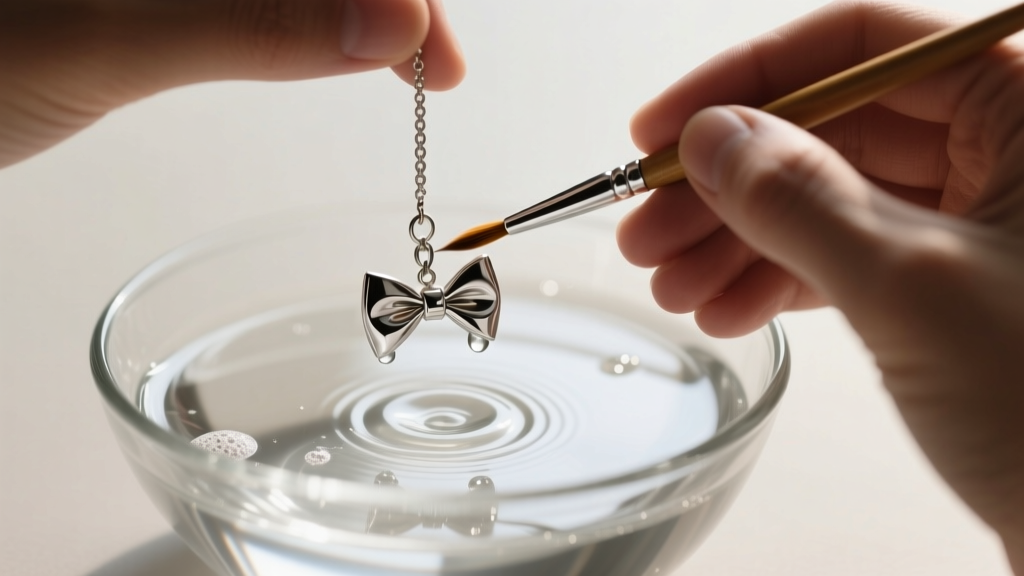
The center knot is the most problematic area of a bow tie earring. Standard polishing cloths cannot reach the deep undercuts where the metal folds over itself. Here is the professional protocol for extracting trapped grime:
- Pre-Soak: Submerge the earrings in a small bowl of lukewarm water mixed with two drops of Dawn dish soap for 5 minutes to soften hardened lotions and sebum.
- Interdental Brushing: Use a soft, rubber-tipped interdental brush (size 0.4mm or 0.5mm) or a specialized jewelry detailing brush. Gently run the bristles along the seams of the bow folds and the wrapped wire of the center knot. Do not use metal pins or needles, as they will scratch the finish.
- Wooden Pick Detailing: For stubborn, calcified debris packed tightly into the knot, use a wooden toothpick or an orange wood stick (commonly used in manicures). Wood is softer than metal and enamel, allowing you to scrape out dirt without marring the surface.
- The Final Rinse: Rinse under a gentle stream of distilled water (tap water contains minerals that can leave spots) and dry immediately with a microfiber swab.
Earring Post and Back Maintenance: The Hidden Failure Point
Because bow tie earrings have a wide horizontal profile, they act as a lever. Every time you adjust your hair or touch your ear, the friction against the bow transfers torque directly to the earring post. Over time, this causes the solder joint connecting the post to the bow backing to fatigue and snap.
Inspecting the Solder Joint
Once a month, use a 10x jeweler's loupe to inspect the base of the earring post. Look for microscopic hairline cracks in the solder pad. If you notice the post wobbles even slightly when gently tapped, stop wearing the earring immediately and take it to a jeweler for a laser weld or re-soldering before the post breaks off entirely inside your earlobe.
Upgrading the Earring Backs
Standard metal butterfly backs often fail to support the top-heavy nature of bow tie earrings, causing the bow to droop forward and stretch the piercing hole. To counteract this, upgrade to jumbo silicone disc backs or flat-back friction clutches. These distribute the weight across a wider surface area of the earlobe, keeping the bow tie perfectly horizontal and reducing stress on the post.
Proper Storage to Prevent Bending and Tarnish
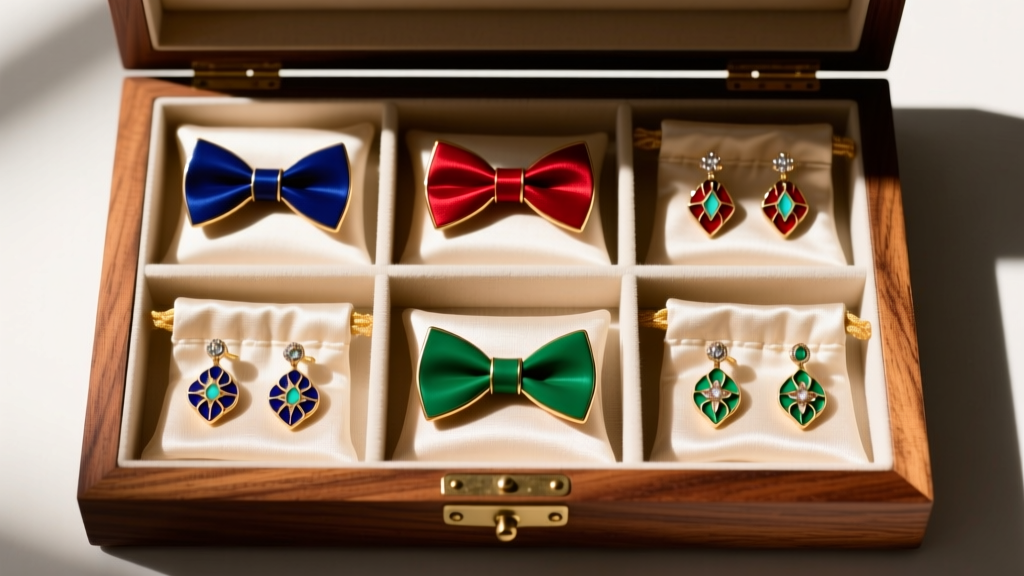
Tossing bow tie earrings into a communal jewelry box is a recipe for disaster. The protruding loops and tails easily catch on chains and other pieces, leading to bent metal and scratched enamel. Furthermore, exposure to ambient humidity and sulfur in the air accelerates tarnishing.
For optimal preservation, store each pair of bow tie earrings individually in a zip-lock bag treated with an anti-tarnish coating (such as 3M Anti-Tarnish strips). Place the bags flat in a compartmentalized drawer or box. Never store them hanging on a jewelry tree, as the constant gravitational pull can slowly warp softer base metals and weaken the post soldering over time.
Troubleshooting Common Bow Tie Earring Issues
Even with meticulous care, issues can arise. Use this diagnostic table to solve common problems associated with bow tie designs.
| Issue | Root Cause | Expert Solution |
|---|---|---|
| Bow droops forward on the ear | Top-heavy design; standard butterfly back is too small to provide leverage. | Switch to 10mm silicone disc backs or La Pousette locking clutches for wider weight distribution. |
| White, chalky residue in the knot | Hard water minerals or dried soap trapped in crevices after cleaning. | Soak in a 50/50 mix of distilled white vinegar and distilled water for 2 minutes, then brush gently. |
| Enamel looks cloudy or scratched | Exposure to alcohol-based perfumes or cleaning with abrasive pastes. | Cold enamel cannot be polished. Vitreous enamel can be professionally repolished by a lapidary. |
| Post feels loose or wobbles | Solder fatigue caused by the lever-effect of the wide bow design. | Cease wearing immediately. Have a jeweler re-solder the post using hard solder for a stronger bond. |
Conclusion
Bow tie earrings are an investment in personal style, blending vintage charm with modern flair. By understanding the specific metallurgical and structural vulnerabilities of these intricate pieces—particularly the delicate center knots and the stress points on the posts—you can ensure they remain pristine for decades. For more authoritative guidance on maintaining fine and fashion jewelry, always consult resources like the Gemological Institute of America (GIA) or the Jewelers of America. Treat your bow tie earrings with the specialized care they demand, and they will continue to make a flawless statement.


