Expert Care and Cleaning for Handmade Earrings Beads
Discover expert cleaning and care tips for handmade earrings beads. Learn material-specific protocols, wire maintenance, and storage for lasting beauty.

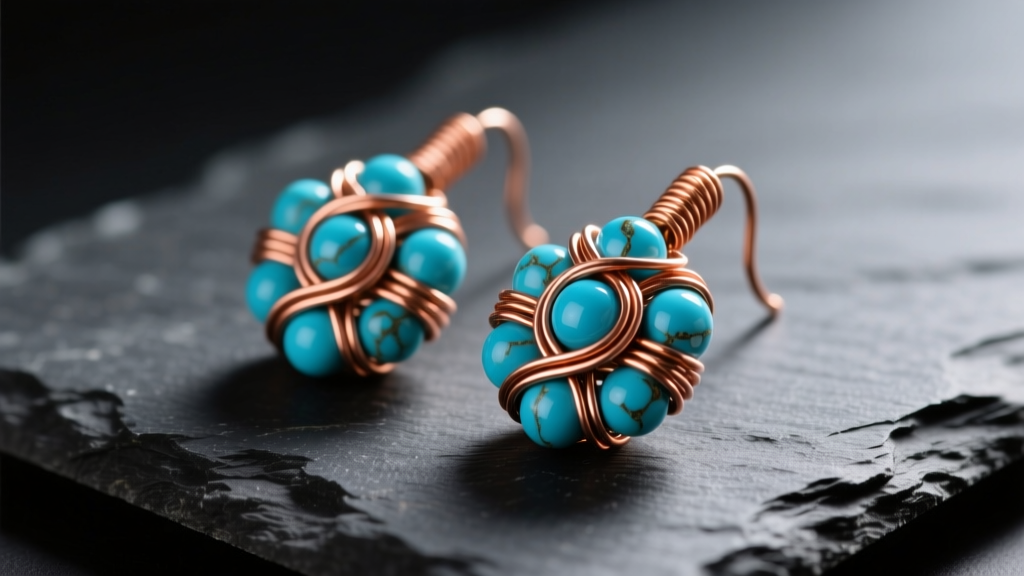
The Anatomy of Handmade Earrings Beads: What You Are Actually Cleaning
Caring for artisan jewelry requires a fundamentally different approach than maintaining mass-produced, cast-metal pieces. When you invest in handmade earrings beads, you are dealing with a complex micro-system of varying material hardness, porosity, and structural tension. Unlike solid gold or platinum bands that can withstand aggressive ultrasonic cleaning, beaded earrings rely on delicate wire wraps, fragile drill holes, and sensitive surface finishes.
The core challenge in maintaining these pieces lies in the intersection of the bead material and the metal armature. Artisans typically use 24-gauge or 26-gauge dead-soft or half-hard wire to create wrapped loops and secure beads. These thin wires are highly susceptible to work-hardening and snapping if bent repeatedly during cleaning. Furthermore, the beads themselves—ranging from hand-lampworked glass to porous natural gemstones—dictate the chemical environment they can safely endure. Understanding the Mohs hardness scale and the chemical sensitivity of your specific beads is the first step in establishing a proper maintenance routine.
Material-Specific Cleaning Protocols
There is no universal "jewelry cleaner" for handmade beaded earrings. Commercial dip cleaners often contain harsh thiourea or ammonia bases that will strip metallic coatings, melt polymer clays, and fracture porous stones. Below is a comprehensive matrix detailing the safe cleaning parameters for the most common bead types used in artisan earrings.
| Bead Material | Mohs Hardness | Safe Cleaning Agent | Fatal Mistake to Avoid |
|---|---|---|---|
| Lampworked Glass | 5.5 - 7.0 | Mild dish soap & distilled water | Ultrasonic cleaners (causes micro-fractures) |
| Turquoise / Lapis | 5.0 - 6.0 | Dry microfiber cloth only | Water soaking or chemical dips (causes discoloration) |
| Polymer Clay | N/A (Soft) | Damp cloth with water | Isopropyl alcohol (dissolves the clay surface) |
| Seed Beads (Matte) | 6.0 - 7.0 | Soft bristle brush & soapy water | Abrasive polishing pastes (ruins matte finish) |
| Pearls (Freshwater) | 2.5 - 4.5 | Wipe with damp cloth, dry immediately | Any acidic or alkaline cleaner (dissolves nacre) |
Glass, Crystal, and Coated Beads
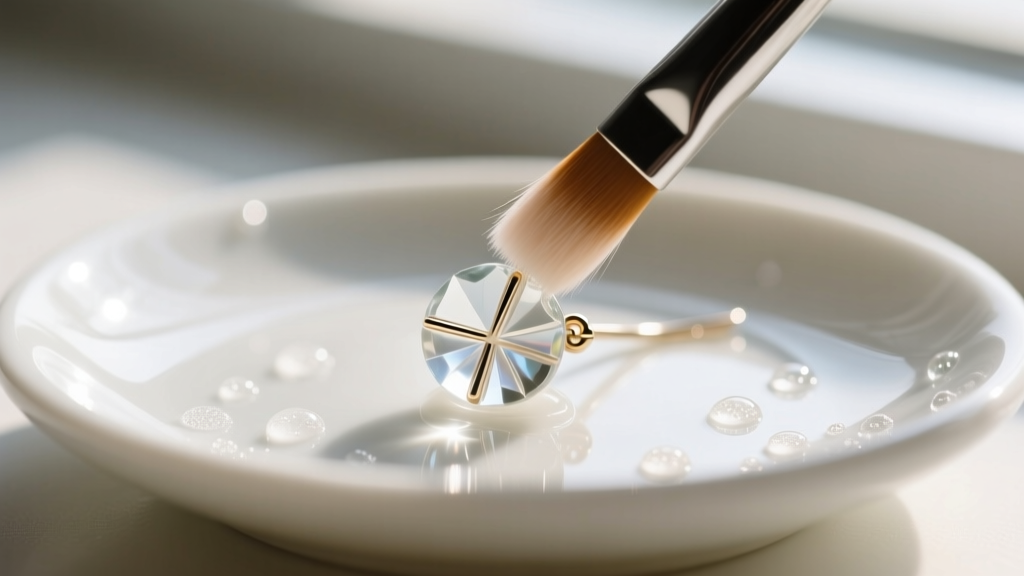
For standard glass and crystal beads, a solution of warm distilled water and a single drop of pH-neutral dish soap (like Dawn) is highly effective. Use a soft, clean makeup brush to gently agitate the dirt around the bead caps and wire wraps. However, extreme caution is required for coated beads. Aurora Borealis (AB), Picasso, and metallic-finish beads have delicate surface treatments. According to the Gemological Institute of America (GIA), coated gemstones and glass should never be exposed to steam or ultrasonic vibrations, as these will cause the microscopic metallic layers to peel or cloud permanently.
Porous Gemstones: Turquoise, Opal, and Lapis Lazuli
Natural, unsealed porous stones act like sponges. If you submerge handmade turquoise bead earrings in water, the stone will absorb the liquid, which can lead to internal fracturing as the water expands or contracts with temperature changes. Furthermore, oils from your skin, lotions, and perfumes will permanently darken porous stones over time. Clean these beads strictly with a dry, lint-free microfiber cloth. If a porous bead becomes heavily soiled, it is best to consult a professional lapidary or the original artisan rather than risking chemical damage.
Polymer Clay and Wooden Beads
Polymer clay earrings have surged in popularity, but the material is essentially a cured PVC plastic. While durable against shattering, it is highly reactive to solvents. Never use rubbing alcohol, acetone, or commercial jewelry wipes on polymer clay beads; these solvents will break down the plasticizers, leaving the beads sticky, brittle, and discolored. Wooden beads face the opposite threat: water. Submerging wood beads causes the grain to swell and warp, which can ultimately snap the 24-gauge wire passing through the drill hole. Use a slightly damp cloth for wood, followed immediately by a dry buffing.
Wire and Hardware Maintenance: Preventing Tarnish and Breakage
The metal components of handmade earrings beads require just as much attention as the beads themselves. Artisans frequently use copper, brass, sterling silver, and gold-filled wire. Copper and brass are prone to rapid oxidation when exposed to the sulfur compounds in the air and the natural acidity of human skin.
Pro-Tip for Wire Wraps: Never attempt to "tighten" a loose wire wrap on a beaded earring with pliers after the piece has been worn. The wire has already work-hardened from the initial wrapping process and the stress of wear; bending it again will almost certainly cause it to snap at the stress point.
To remove tarnish from copper or brass ear wires and wraps without damaging the adjacent beads, use a specialized polishing cloth (such as a Sunshine cloth) that contains embedded micro-abrasives. Carefully fold the cloth to access the tight spaces around the bead caps. For sterling silver components, a mild silver polish can be applied with a cotton swab, ensuring you do not transfer the polish onto porous beads. As noted by jewelry manufacturing experts at Rio Grande, maintaining the structural integrity of half-hard wire requires avoiding repetitive bending and keeping the metal free from corrosive sweat buildup.
Proper Storage to Prevent Bead Abrasion and Wire Warping
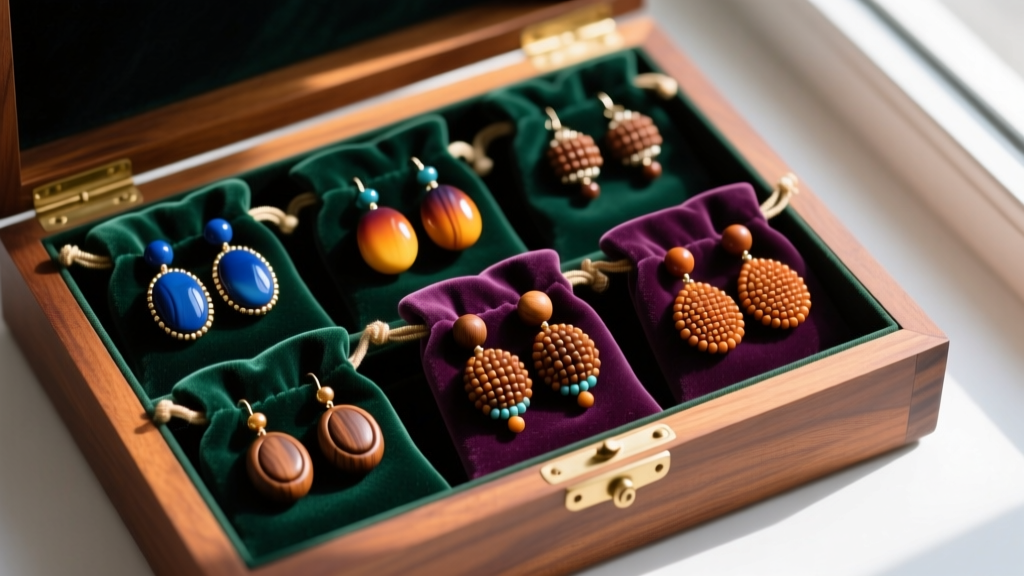
How you store your handmade earrings beads directly impacts their lifespan. Tossing multiple pairs into a single communal jewelry box guarantees disaster. Harder beads (like quartz or glass, Mohs 7) will easily scratch softer beads (like turquoise or polymer clay). Furthermore, the ear wires and dangles will tangle, bending the delicate 20-gauge or 21-gauge ear hooks out of their anatomical alignment.
- Individual Polybags: Store each pair in its own small, resealable polyethylene bag. Squeeze out excess air before sealing to slow down the oxidation process for copper and silver wires.
- Anti-Tarnish Strips: Drop a 3M anti-tarnish strip into the storage bag or box drawer. These strips absorb airborne sulfides and can protect metal hardware for up to 6 months.
- Hang Dangles: For long, chandelier-style beaded earrings, hanging them on a fabric-lined rack prevents the wire-wrapped links from kinking under their own weight.
- Climate Control: Avoid storing jewelry in high-humidity environments like bathrooms. Humidity accelerates metal tarnish and can cause natural wood beads to crack as they dry out.
Troubleshooting Common Beaded Earring Failures
Even with meticulous care, handmade earrings beads will experience wear and tear. Here is how to diagnose and address the most common failure modes:
1. "Green Skin" from Copper or Brass Wires
If your earlobes or the sides of your neck turn green, it is not an allergic reaction; it is a chemical reaction between the copper in the wire and the acids in your sweat, creating copper chloride. To prevent this, apply a thin coat of clear nail polish or a specialized jewelry shield (like Jewelry Guard) to the ear wires and the back of any bead caps that touch the skin. Reapply every few months.
2. Cloudy or "Crackled" Glass Beads
If your lampworked or dichroic glass beads suddenly look cloudy or develop internal webbing, they have likely suffered from thermal shock or chemical etching. This damage is irreversible. To prevent it, never wear glass beaded earrings in hot tubs, saunas, or while swimming in chlorinated pools.
3. Loose Beads Rattling on the Wire
Beads may become loose if the artisan used a drill hole that is too large for the wire gauge, or if the wire wrap has slightly loosened over time. While you cannot tighten the wire safely, you can insert a microscopic drop of flexible jewelry adhesive (like E6000 or GS Hypo Cement) into the gap between the bead hole and the wire using a fine needle. Allow it to cure for 24 hours before wearing.
By respecting the unique material properties of your handmade earrings beads and adhering to these targeted maintenance protocols, you ensure that these wearable works of art remain vibrant, structurally sound, and beautiful for decades.


