How to Safely Clean and Maintain Handmade Pearl Earrings
Learn how to safely clean, store, and maintain handmade pearl earrings. Expert tips on avoiding nacre damage, removing oils, and preserving luster.

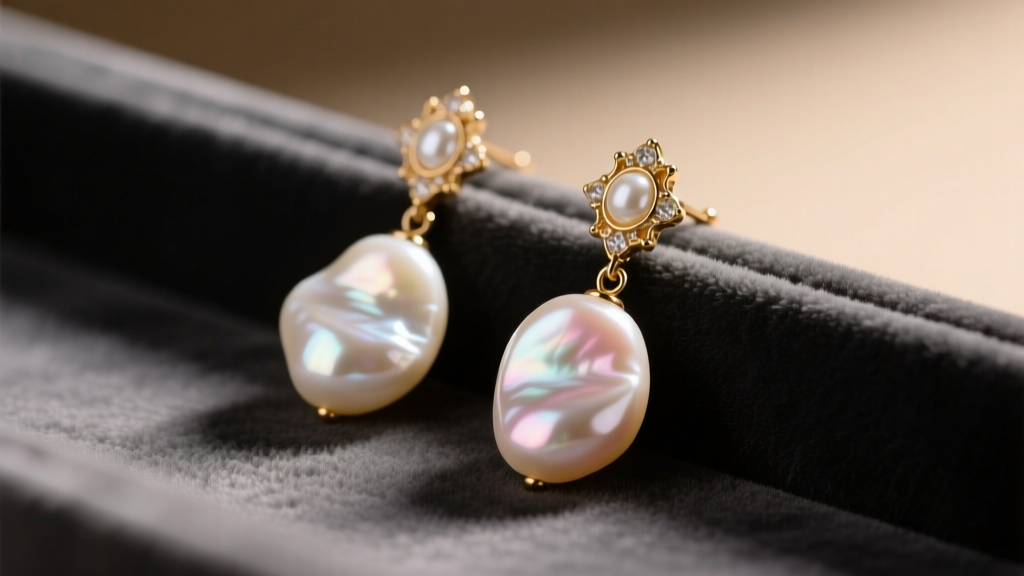
Unlike faceted gemstones or solid precious metals, pearls are organic gems born from living mollusks. They are primarily composed of calcium carbonate (in the form of aragonite crystals) bound together by an organic protein called conchiolin. When you invest in handmade pearl earrings, you are not just acquiring a delicate organic stone; you are acquiring an artisanal piece that often features intricate wire-wrapping, silk knotting, or specialized adhesive bonding. Mass-produced jewelry care routines can easily destroy both the nacre of the pearl and the structural integrity of the handmade setting.
This comprehensive guide provides expert-level maintenance protocols to preserve the orient, luster, and structural longevity of your handmade pearl earrings.
The Anatomy of Vulnerability in Handmade Pearl Designs
To properly care for handmade pearl earrings, you must first understand their specific points of vulnerability. On the Mohs scale of mineral hardness, pearls rank between 2.5 and 4.5, making them exceptionally soft and prone to micro-scratches from everyday dust (which often contains quartz particles at a 7.0 hardness).
Furthermore, the handmade aspect introduces unique structural variables:
- Wire-Wrapped Settings: Artisans frequently use 20-gauge or 22-gauge dead-soft sterling silver or 14k gold-filled wire to cradle baroque or coin pearls. Over time, tension and metal fatigue can cause these custom cages to loosen.
- Post-and-Cup Bonding: Many handmade stud earrings rely on a metal cup glued to the pearl's flat or drilled base. The degradation of this adhesive is the leading cause of pearl loss.
- Silk-Knotted Drops: Handmade dangle earrings may use silk thread to suspend pearls. Silk is highly susceptible to moisture, sweat, and cosmetic degradation.
The Safe Cleaning Protocol for Organic Gems
The most common mistake jewelry owners make is applying universal jewelry cleaners to pearls. According to the Gemological Institute of America (GIA), pearls require a highly specific, non-chemical approach to cleaning. Never use ultrasonic cleaners, steamers, or ammonia-based solutions. Ultrasonic vibrations can shatter pearls with surface-reaching inclusions or cause thin nacre to peel away from the bead nucleus.
Step-by-Step Damp Cloth Method
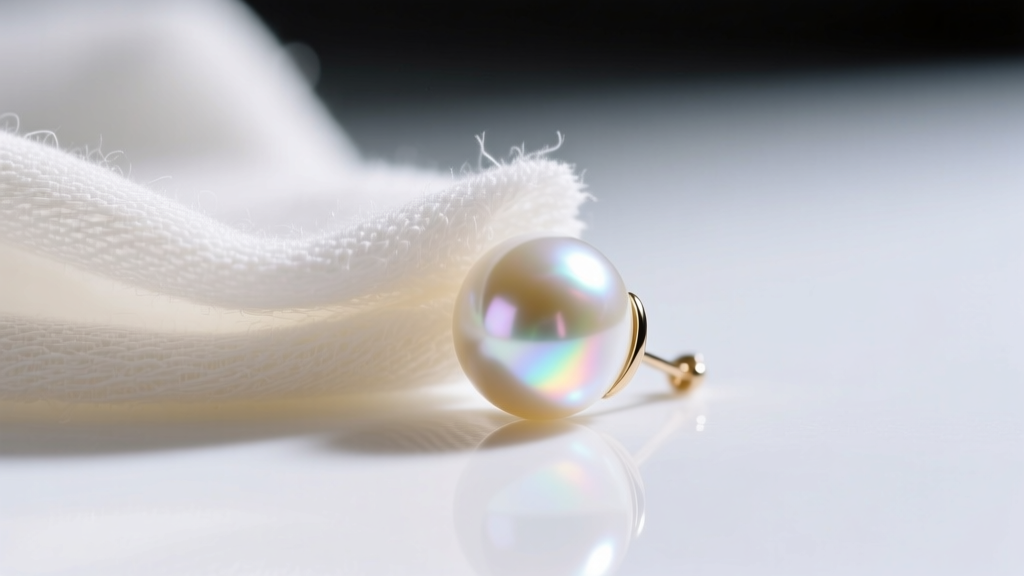
- Prepare the Cloth: Use a clean, lint-free microfiber or 100% cotton cloth. Dampen it slightly with distilled water. Avoid tap water, as chlorine and heavy minerals can leave microscopic deposits on the nacre.
- Gentle Wiping: Cradle the earring securely. Gently wipe the pearl in a circular motion, applying zero pressure. Support the wire wrap or post with your thumb to prevent bending the handmade metalwork.
- Drying: Immediately dry the pearl and the metal hardware with a separate, dry microfiber cloth. Never allow water to pool around the drill hole or the adhesive cup, as trapped moisture will degrade the glue and rot silk threads.
Cleaning Agents and Their Effects on Nacre
| Cleaning Agent | Chemical Property | Effect on Pearl Nacre |
|---|---|---|
| Ultrasonic Cleaners | High-frequency vibration | Severe: Causes internal fracturing and nacre peeling. |
| Ammonia / Windex | Alkaline (High pH) | Moderate to Severe: Strips the outer luster and dries out conchiolin. |
| Baking Soda Paste | Mildly abrasive / Alkaline | Severe: Scratches the soft 2.5 Mohs surface, leaving a matte finish. |
| Vinegar / Lemon | Acidic (Low pH) | Catastrophic: Dissolves the calcium carbonate, destroying the pearl. |
| Distilled Water | Neutral (pH 7.0) | Safe: Effectively removes surface oils without chemical reactions. |
Adhesive and Hardware Maintenance
Because handmade pearl earrings are often crafted in small studios rather than automated factories, the choice of adhesive can vary. If a pearl becomes loose on its post, do not attempt to re-glue it with standard cyanoacrylate (Super Glue). Cyanoacrylate cures brittle, turns white over time, and can permanently ruin the nacre if it seeps out of the cup.
Expert Repair Tip: For re-seating pearls into handmade metal cups, use a specialized jeweler's adhesive like G-S Hypo Cement or a two-part clear jeweler's epoxy (such as Devcon 5-Minute Epoxy). These adhesives offer a slight flex, which absorbs the shock of dropping an earring, and they dry completely clear. When cleaning the metal post prior to re-gluing, use a cotton swab dipped in 91% isopropyl alcohol, but ensure the alcohol does not touch the pearl.
Proper Storage: Preventing Dehydration and Micro-Scratches
Storage is where most long-term damage to handmade pearl earrings occurs. The American Gem Society (AGS) emphasizes that pearls need a certain level of ambient humidity to maintain their structural integrity. Conchiolin, the protein binding the pearl, requires trace moisture.
The Dehydration Danger: Storing pearl earrings in an airtight plastic ziplock bag, a safety deposit box, or a heated closet will cause the conchiolin to dry out. This leads to 'crazing'—a network of fine, concentric surface cracks that permanently ruins the gem's value and beauty.
Best Practices for Storage:
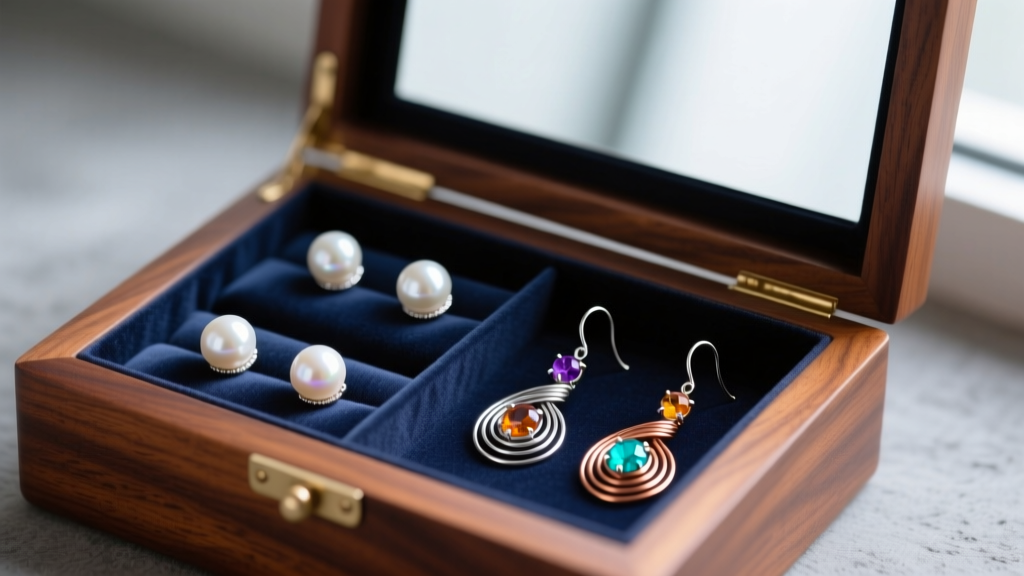
- Store handmade pearl earrings in a breathable cotton, linen, or untreated silk pouch.
- Never toss them into a communal jewelry box where diamond or sapphire pieces (Mohs 9-10) can easily gouge the soft nacre.
- If storing in a safe for long periods, place a small, dampened cotton ball in a separate, tiny open container inside the safe to maintain ambient humidity.
The Chemistry of Wearing Pearls: The 'Last On, First Off' Rule
The golden rule of pearl maintenance is 'Last On, First Off.' This is rooted in basic chemistry. Human sweat has a pH ranging from 4.5 to 7.0. For individuals with highly acidic sweat, prolonged contact will slowly etch the nacre, resulting in dull, chalky patches on the back of the pearl where it rests against the earlobe.
Furthermore, everyday cosmetics are highly detrimental to handmade pieces:
- Perfumes and Colognes: These contain high concentrations of alcohol and essential oils that strip the pearl's natural luster and can degrade the handmade silk or adhesive components.
- Hairspray: Creates a microscopic, sticky film over the nacre that traps dirt and dulls the pearl's light-reflecting properties (its 'orient').
- Sunscreen and Lotions: Often contain chemical UV filters and emollients that build up in the crevices of wire-wrapped settings and the drill holes of the pearls.
Always apply your cosmetics, perfumes, and hairsprays at least 15 minutes before putting on your handmade pearl earrings. Upon removal, take ten seconds to gently wipe the pearls with a dry, soft cloth to remove the day's accumulation of skin oils and environmental pollutants before placing them in their breathable storage pouch.
Conclusion
Caring for handmade pearl earrings requires a shift in mindset from treating them as mere accessories to respecting them as delicate, organic works of art. By avoiding harsh chemicals, understanding the limitations of artisanal adhesives and wire-wraps, and maintaining proper hydration during storage, you ensure that the unique luster and craftsmanship of your handmade pieces will endure for generations.


