The 2026 Gift Guide: How to Choose and Style C Earrings
Discover the perfect C earrings for every occasion in our 2026 gift guide. Learn to match C-shaped hoops and letter C studs to personal styles.

The Renaissance of the 'C' Silhouette in 2026
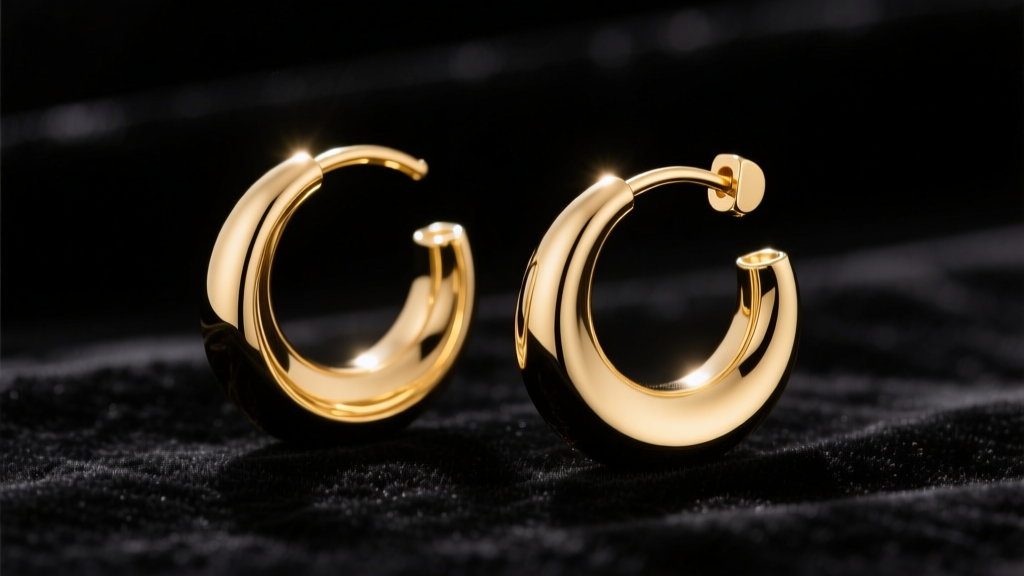
When curating a jewelry gift box this year, the search for c earrings yields a fascinating duality in modern styling. The letter 'C' represents two distinct, highly sought-after categories in contemporary ear styling: the architectural C-shaped crescent hoop (including open cuffs and huggies) and the deeply personalized Letter C initial stud. As we move through 2026, the trend has shifted away from overly heavy, monolithic statement pieces toward modular, meaningful, and ergonomically designed ear adornments. Whether you are shopping for a romantic partner, a fashion-forward friend, or a family member, understanding the nuances of these silhouettes is critical for a successful gift.
Gifting jewelry requires more than just picking a pretty design; it demands an understanding of the recipient's anatomy, lifestyle, and metal sensitivities. In this comprehensive guide, we break down the exact specifications, material grades, and occasion-matching frameworks you need to select the perfect C earrings.
Decoding the Categories: Crescents, Cuffs, and Initials
Before making a purchase, it is vital to understand which sub-category of C earrings your recipient actually wears. The terminology often overlaps in e-commerce, leading to gifting mishaps.
1. The C-Shaped Crescent Hoop
Unlike a traditional continuous hoop, the C-shaped crescent features an open gap or a hinged snap closure that forms a distinct 'C' profile when viewed from the side. These are typically worn in standard lobe piercings. The open design reduces the overall weight of the earring, making it ideal for recipients with stretched or sensitive lobes. Look for pieces with a hinged snap closure or a friction post with a secure butterfly back to prevent loss.
2. The Cartilage C-Cuff
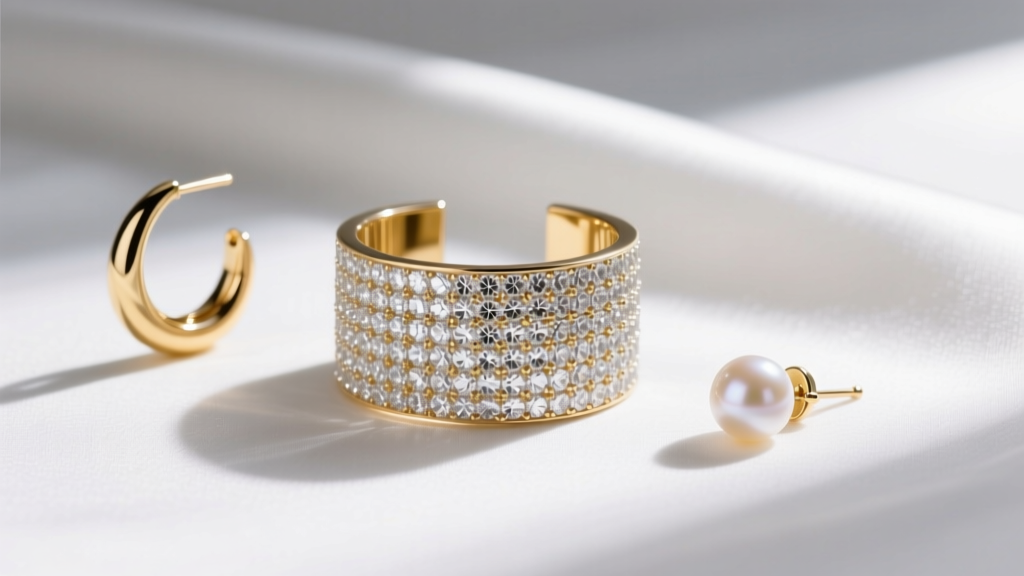
For the unpierced or the heavily pierced, the C-cuff is a staple. These wrap around the helix or tragus without requiring a fistula (piercing hole). However, poorly made cuffs can cause cartilage bruising or slip off easily. High-quality 2026 designs utilize adjustable tension bands or micro-screws to secure the cuff to the ear's anatomy without pinching the skin.
3. The Letter C Initial Stud
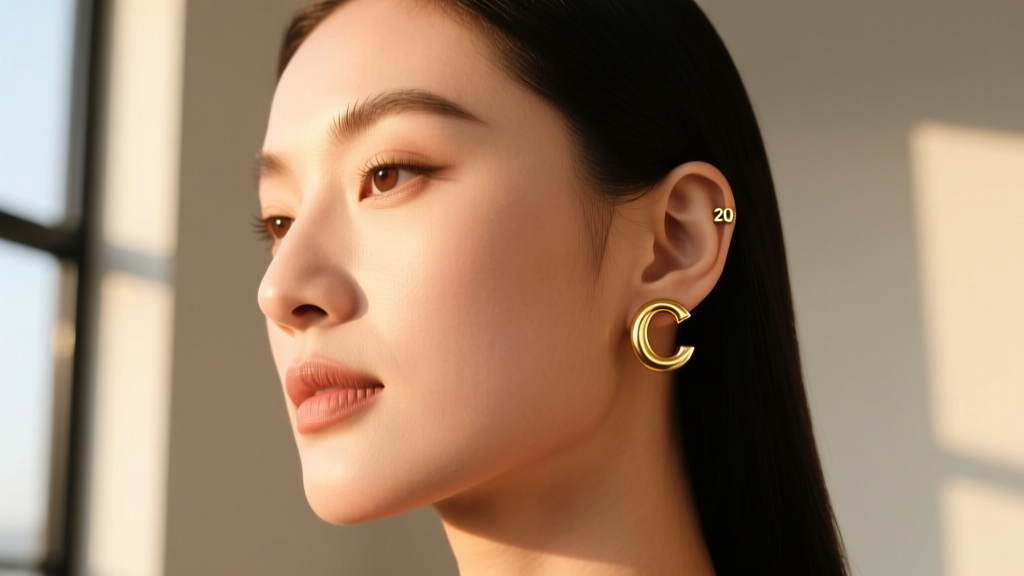
Personalization remains a dominant gifting trend. A Letter C initial stud is a sentimental choice, often representing a first name, a child's name, or a meaningful word. For everyday wear, these should be cast in solid gold with a secure screw-back or friction post, measuring no more than 5mm to 7mm in diameter to prevent the heavy letter from drooping forward on the lobe.
Occasion Matching Matrix: The Gifter's Cheat Sheet
Matching the earring to the recipient's primary lifestyle events ensures your gift is worn rather than relegated to a jewelry box. Use this matrix to align the style with the occasion.
| Occasion / Lifestyle | Recommended C Earring Style | Ideal Material Specification | Estimated Price Range (2026) |
|---|---|---|---|
| Corporate / Everyday Office | Minimalist 10mm C-Crescent Huggie | 14k Solid Yellow or White Gold | $250 - $450 |
| Anniversary / Romantic | Pavé Lab-Grown Diamond C-Drop | 18k Gold with VS Clarity Lab Diamonds | $600 - $1,200 |
| Festival / Edgy Streetwear | Adjustable Helix C-Cuff (No piercing) | ASTM F-136 Implant-Grade Titanium | $45 - $120 |
| Sentimental / Milestone | Bezel-Set Letter C Initial Stud | 14k Gold with a 2mm Birthstone or CZ | $150 - $350 |
The Expert Edge: Material Grades and Gauge Sizes
To gift like a true industry insider, you must look beyond the aesthetic and examine the metallurgical and structural specifications. According to the Association of Professional Piercers (APP), the material in contact with the skin dictates the healing and comfort of the piercing.
- 14k Solid Gold (58.5% Pure Gold): The gold standard for gifting. It offers the perfect balance of rich color, durability, and hypoallergenic properties. Ensure the alloy is nickel-free to comply with EU Nickel Directive standards, preventing contact dermatitis.
- ASTM F-136 Implant-Grade Titanium: If your recipient has a history of metal allergies or you are gifting a C-cuff for a healing cartilage piercing, this is the only acceptable metal. It is entirely nickel-free and biocompatible.
- Lab-Grown Diamonds vs. CZ: For pavé C-earrings, the Gemological Institute of America (GIA) notes that lab-grown diamonds share the exact physical and optical properties of mined diamonds. For a premium gift, opt for lab-grown over Cubic Zirconia (CZ), as CZ will cloud and scratch within 12 to 18 months of daily wear, whereas lab diamonds retain their brilliance indefinitely.
Understanding Gauge Thickness
The 'gauge' refers to the thickness of the wire or post that passes through the ear. Gifting the wrong gauge can result in the earring not fitting or causing irritation.
- 20-Gauge (0.81mm): The standard for delicate initial studs and lightweight C-drops.
- 18-Gauge (1.0mm): Ideal for standard C-shaped hoops and huggies, providing enough structural integrity so the hoop doesn't bend when taking off sweaters.
- 16-Gauge (1.2mm): The standard for cartilage piercings. If gifting a C-huggie intended for the helix or tragus, ensure it is 16g to prevent the 'cheese-cutter effect' (where thin wire migrates through the tissue).
Face Shape and Placement Framework
The geometry of C earrings can be used to balance and enhance the recipient's natural facial structure. Use this quick framework when visualizing how the piece will look on them:
Round and Square Face Shapes
Avoid wide, chunky C-huggies that add horizontal volume. Instead, opt for elongated C-drop earrings or open crescent hoops that drop below the jawline. The vertical line created by the drop draws the eye downward, creating an illusion of length and softening angular jawlines.
Heart and Diamond Face Shapes
These face shapes feature wider cheekbones and narrower chins. C-shaped crescent hoops that sit close to the earlobe (like a 12mm to 15mm huggie) add just the right amount of volume near the jaw to balance the facial proportions without overwhelming the delicate chin.
The Ear Cuff Placement Rule
If gifting a non-pierced C-cuff, advise the recipient to place it on the outer helix rim, roughly halfway between the top of the ear and the lobe. This is the most secure anatomical anchor point and provides the most visually balanced profile when paired with a smaller lobe stud.
Final Gifting Checklist for 2026
Before you finalize your purchase, run through this quick quality-assurance checklist to ensure your C earrings are a resounding success:
- Check the Clasp: Does the C-hoop have a satisfying 'click' upon closing? Hinged snap closures should be seamless to the touch.
- Verify the Weight: Hold the earring. If a solid gold C-drop feels excessively heavy on one end, it will droop on the lobe. Look for hollow-tube construction or counter-weighted designs for larger pieces.
- Include Care Instructions: A thoughtful gifter includes a microfiber cloth and a note on maintenance. Remind them to remove C-cuffs before sleeping to prevent the tension band from warping, and to clean pavé diamonds with a soft brush and mild dish soap to maintain light refraction.
By focusing on the precise geometry, material integrity, and lifestyle compatibility of C earrings, you elevate your gift from a simple accessory to a deeply considered, expertly chosen treasure that will be worn and cherished for years to come.


