Expert Care & Cleaning Tips for Jewelry TV Earrings
Discover expert cleaning and maintenance tips for Jewelry TV earrings. Learn how to safely clean gemstones, vermeil, and sterling silver studs and hoops.

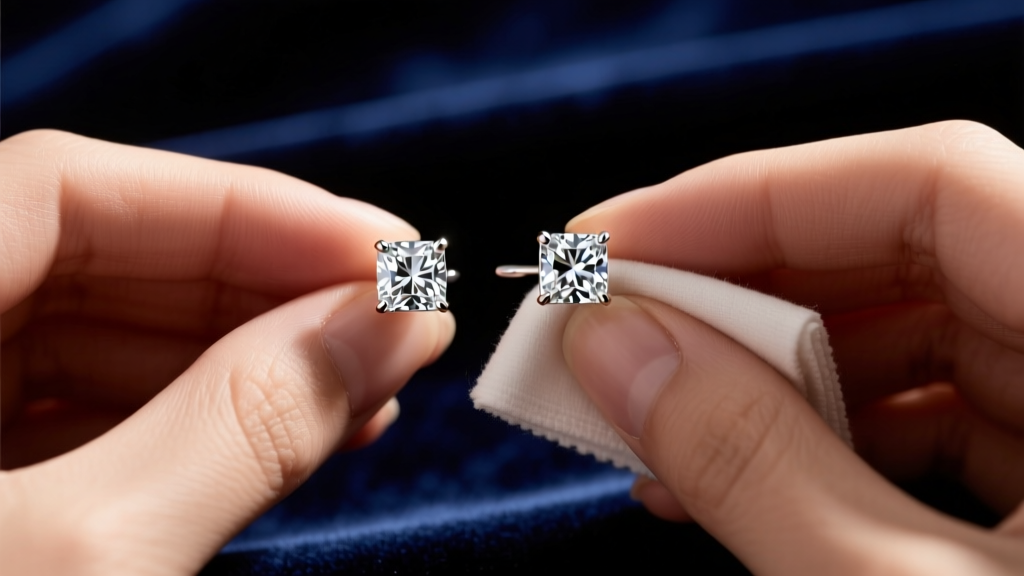
The Unique Material Mix of Jewelry TV Earrings
Jewelry Television (JTV) has built a massive following by offering accessible, vibrant gemstone jewelry, and their earring collections are no exception. From their signature Bella Luce cubic zirconia to rare finds like cobalt spinel, Andesine, and mystic topaz, JTV earrings offer incredible variety. However, this diversity in materials—ranging from 14k gold and sterling silver to gold vermeil and porous organic gems—means that a one-size-fits-all cleaning approach will ruin your favorite pieces. As of 2026, with JTV expanding their proprietary gem lines and metal plating techniques, understanding the specific metallurgical and gemological needs of your earrings is more critical than ever.
Whether you own a pair of heavy sterling silver huggies, delicate 22-gauge gold-plated ear threads, or statement drop earrings featuring Ethiopian opals, proper maintenance ensures the longevity of both the metal and the stone. In this comprehensive guide, we break down the exact protocols for cleaning, maintaining, and storing your Jewelry TV earrings to keep them looking pristine.
Decoding Your Earrings: Material-Specific Cleaning Protocols
The most common mistake collectors make is treating all gemstones and metals identically. The Gemological Institute of America (GIA) emphasizes that a gemstone's hardness (Mohs scale) and porosity dictate its cleaning limits. Here is how to handle the specific materials frequently found in JTV earrings.
Bella Luce, Cubic Zirconia, and Hard Synthetics
JTV’s Bella Luce line and standard cubic zirconia (CZ) are incredibly hard (8.5 on the Mohs scale) but have a high refractive index that makes them magnets for skin oils and lotions. When coated in sebum, they lose their fire and look cloudy.
- The Fix: Use a 1:10 ratio of household ammonia to warm water. Soak the earrings for 10 minutes, then gently scrub the pavilion (the back of the stone) with a soft baby toothbrush. Ammonia cuts through grease without etching the synthetic stone.
- Ultrasonic Safety: CZ and Bella Luce are generally safe in modern ultrasonic cleaners, provided the metal setting is solid and not heavily oxidized.
Sterling Silver (.925) and Rhodium Plating
Jewelry TV frequently uses .925 sterling silver, often plated with a microscopic layer of rhodium to prevent tarnish. Tarnish is a chemical reaction between silver and sulfur in the air, creating black silver sulfide.
- The Fix: For rhodium-plated silver, use only a mild dish soap and a lint-free microfiber cloth. Avoid liquid silver dips, as they will strip the rhodium layer, leaving the raw silver underneath vulnerable to rapid tarnishing.
- Antiqued Silver: If your JTV earrings feature intentional oxidized (blackened) crevices for contrast, never use a polishing cloth or chemical dip, as this will erase the antique finish.
Gold Vermeil vs. Flash Plating
Vermeil requires a sterling silver base coated with at least 2.5 microns of 10k or higher gold. JTV also utilizes flash-plated base metals for more affordable fashion lines. Both are highly susceptible to abrasion.
- The Fix: Never use ultrasonic cleaners, baking soda paste, or toothpaste on vermeil or plated earrings. The abrasives will strip the gold layer down to the base metal. Clean only with a damp microfiber cloth and dry immediately.
Porous and Hydrophane Gemstones
JTV is famous for its Ethiopian opals and Sleeping Beauty turquoise. Ethiopian opals are hydrophane, meaning they absorb water. Turquoise is highly porous and easily stained by cosmetics.
- The Fix: Never submerge these stones. Wipe them gently with a barely damp cloth. If an Ethiopian opal absorbs water and loses its 'fire' (turns transparent), do not panic. Let it sit in a dry, room-temperature environment for a few days to release the moisture. Never use heat to dry it, as this will cause catastrophic cracking.
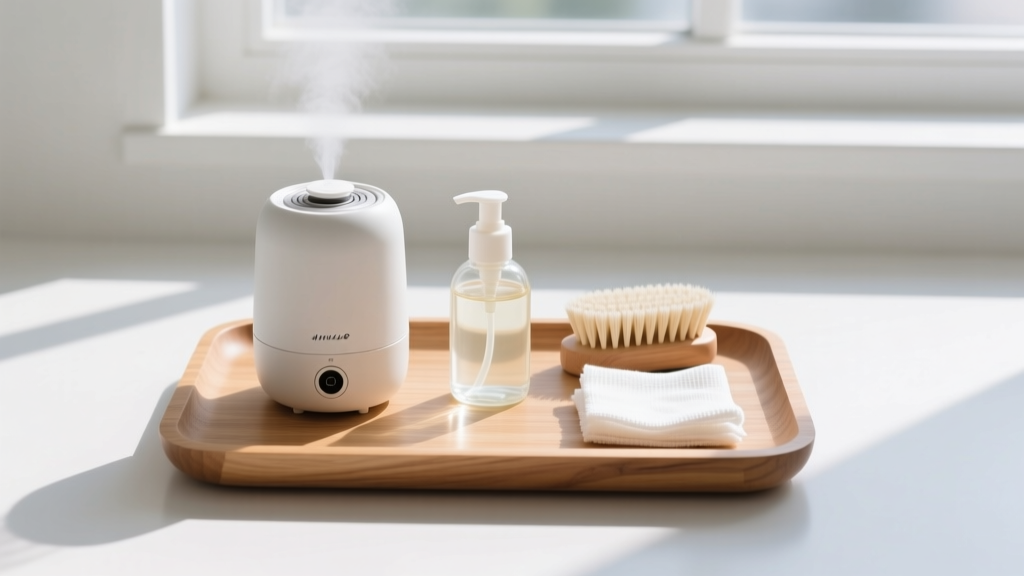
The 2026 Earring Cleaning Toolkit
Having the right tools prevents accidental damage. Below is a structured breakdown of the essential cleaning toolkit for your JTV collection, including estimated costs and specific use cases.
| Tool / Solution | Best Used For | Strictly Avoid On | Avg. Price Range |
|---|---|---|---|
| Ion Ultrasonic Cleaner (42kHz) | Hard stones (CZ, Spinel, Quartz), solid gold | Opals, Emeralds, Turquoise, Plated metals | $35 - $60 |
| Jeweler's Rouge Polishing Cloth | Raw Sterling Silver, Solid 14k/18k Gold | Rhodium plating, Vermeil, Soft stones | $8 - $12 |
| Ammonia-Based Jewelry Dip | Bella Luce, Diamonds, Moissanite | Pearls, Coral, Porous gems, Oxidized silver | $6 - $15 |
| Soft Baby Toothbrush (Extra-Soft) | Scrubbing prongs, earring posts, butterfly backs | Soft gems like Amber or Jet (use cloth instead) | $2 - $5 |
| Silica Gel Packets | Storage environments to control humidity | Direct contact with porous gemstones | $5 - $10 (bulk) |
Step-by-Step Deep Cleaning Routine for Studs and Hoops
Earrings face unique environmental hazards. They are constantly exposed to hairspray, perfume, and the natural oils from your hair and neck. Furthermore, the mechanical parts of earrings—like huggie hinges and butterfly clutches—trap dead skin and debris, which can lead to ear infections and mechanical failure.
Step 1: Inspect the Prongs and Posts
Before introducing any liquid, use a 10x jeweler's loupe to inspect the prongs holding your JTV gemstones. If a prong is lifted, cleaning can dislodge the stone. Check the earring post; JTV typically uses 20-gauge (0.81mm) or 22-gauge (0.64mm) posts. If the post is bent, gently straighten it with nylon-jaw pliers before cleaning to avoid snapping it.
Step 2: Clean the Friction Backs (Clutches)
The butterfly backs on stud earrings are notorious for accumulating a hardened mixture of sebum and dead skin. Remove the backs and soak them in a small cup of warm water with a drop of mild dish soap for 15 minutes. Use a wooden toothpick to gently scrape out the hardened debris from the tiny loops. This ensures the clutch maintains its tension on the earring post.
Step 3: Wash and Rinse
For hard gemstones and solid metals, apply a drop of phosphate-free dish soap to your soft brush. Gently scrub the back of the setting (the pavilion), where lotions accumulate and block light return. Rinse under lukewarm distilled water. Distilled water is preferred over tap water to prevent hard water spots (calcium deposits) from forming on the facets.
Step 4: Lubricate Huggie Hinges
If your JTV huggie or hoop earrings have become stiff, do not force them open. Apply a microscopic drop of synthetic watch oil or sewing machine oil to the hinge pin using a needle. Open and close the hinge several times to distribute the oil, then wipe away any excess with a microfiber cloth.
Common Maintenance Mistakes & Failure Modes
Even experienced collectors fall into bad habits. According to the American Gem Society, improper care is the leading cause of jewelry degradation outside of physical trauma. Avoid these common failure modes:
The 'Toothpaste Trick' Myth: Never use toothpaste to clean your JTV earrings. Modern toothpastes contain hydrated silica, an abrasive that ranks around 3 to 4 on the Mohs scale. While it won't scratch a diamond, it will easily micro-scratch gold, silver, and softer gemstones like turquoise (Mohs 5-6), leaving a dull, matte finish.
- Failure Mode 1: Prong Snagging. Wearing hoop earrings while sleeping or changing clothes often catches prongs on fabrics. This slowly pulls the prong away from the gemstone's girdle, eventually causing the stone to fall out.
- Failure Mode 2: Post Stripping. Pushing a butterfly back onto a 22-gauge post at an angle can strip the metal or bend the post. Always push the clutch on straight, and if it feels too tight, do not force it; have a jeweler slightly adjust the clutch's tension.
- Failure Mode 3: Chemical Clouding. Exposing mystic topaz or coated Andesine to harsh chemicals, including chlorine in swimming pools, will eat away at the titanium coating on the pavilion, permanently ruining the stone's color play.
Proper Storage to Prevent Tarnish and Scratches
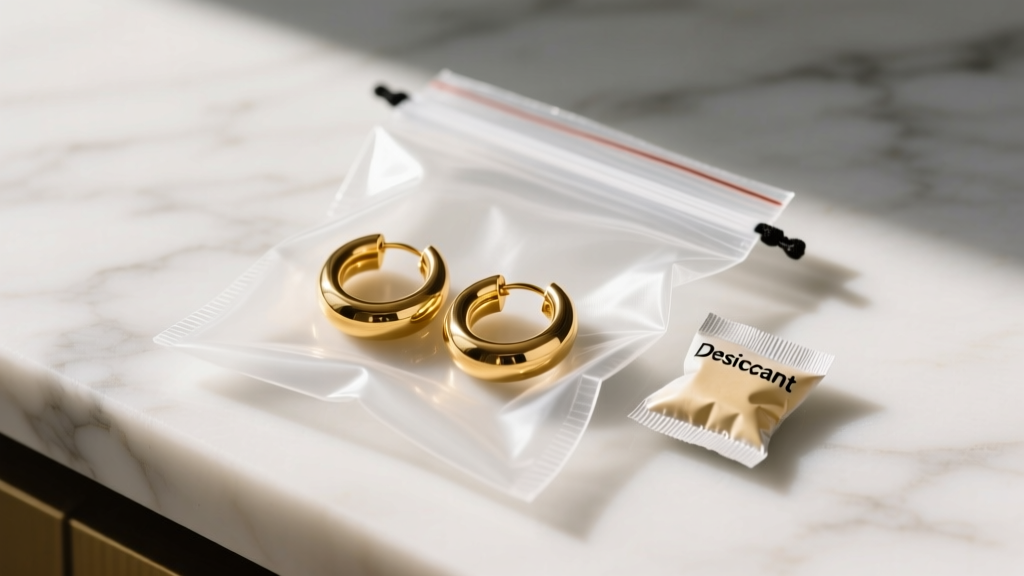
How you store your Jewelry TV earrings when they are not on your ears is just as important as how you clean them. Silver tarnishes when exposed to hydrogen sulfide in the air, a process accelerated by high humidity.
Store your sterling silver and vermeil earrings in individual, zip-seal polyethylene bags equipped with anti-tarnish strips (such as 3M Anti-Tarnish tabs). Never store multiple pairs of earrings loose in a single jewelry box compartment; the harder gemstones (like CZ or spinel) will easily scratch the metal settings and softer stones of adjacent pairs. For heavy drop earrings, hang them on a padded jewelry tree to prevent the chains or delicate wire-wrapping from tangling and kinking.
Conclusion
Your Jewelry TV earrings are an investment in beauty and craftsmanship. By moving away from generic cleaning methods and adopting material-specific protocols—respecting the porosity of organic gems, the delicate nature of vermeil plating, and the mechanical realities of earring posts and clutches—you can ensure your collection remains as brilliant as the day it arrived on your doorstep. Regular, gentle maintenance is always superior to aggressive, infrequent deep cleans.


