Claire's Earring Prices 2026: Piercing Cost & Value Guide
Discover the truth behind Claire's earring prices in 2026. We troubleshoot piercing gun complications, material grades, and hidden allergy costs.

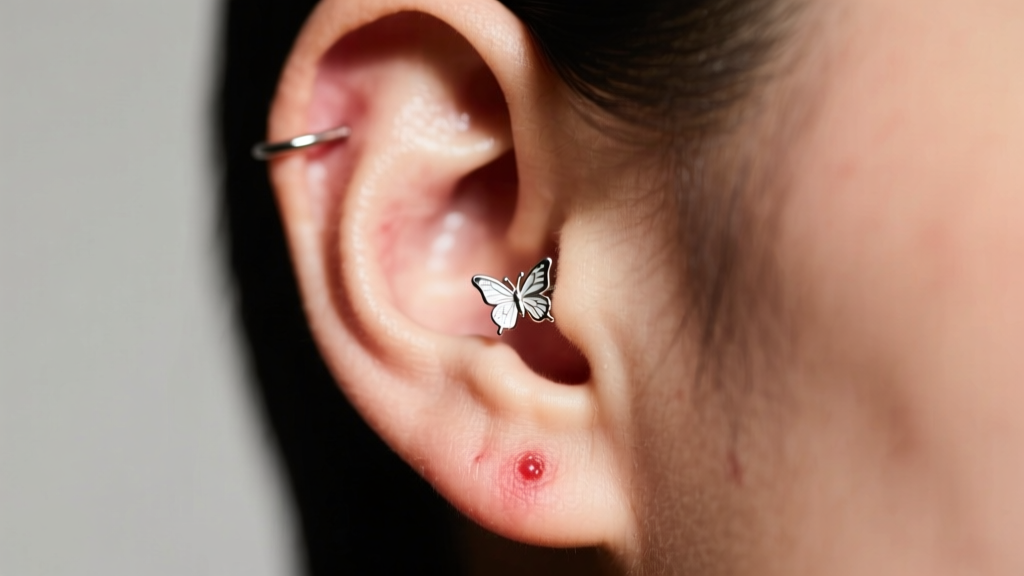
For decades, the brightly lit storefronts of mall jewelry kiosks have served as a rite of passage for first-time piercings. When parents and young adults search for claire's earring prices, they are usually met with an attractive upfront offer: a "free" piercing when you purchase a starter kit ranging from $25 to $45 in 2026. However, as professional body piercers and dermatologists consistently point out, the initial price tag rarely reflects the true biological and financial cost of the procedure.
If you are currently troubleshooting an angry, swollen, or perpetually irritated lobe piercing from a mall kiosk, you are not alone. The vast majority of complications we see in the professional piercing community stem from the tools and materials used in these high-volume retail environments. This comprehensive troubleshooting guide breaks down the real value behind those entry-level prices, the metallurgical realities of the jewelry provided, and actionable steps to rescue a struggling piercing.
The Real Math: Claire's Earring Prices vs. Professional Studios
To understand why a seemingly cheap piercing can become an expensive problem, we must compare the retail mall model against a professional, APP-certified piercing studio. The discrepancy in pricing is directly tied to sterilization protocols, jewelry manufacturing standards, and anatomical precision.
| Cost Factor | Mall Retail Kiosk (2026) | Professional Piercing Studio |
|---|---|---|
| Upfront Service Fee | $0 (with $30-$45 kit purchase) | $30 - $60 (service only) |
| Basic Jewelry Cost | Included (Mystery Surgical Steel) | $40 - $85 (Implant-Grade Titanium) |
| Sterilization Method | Wipe-down / UV light (Non-sterile) | Autoclave (Spore-tested, single-use) |
| Tool Used | Spring-loaded Piercing Gun | Hollow, Beveled Medical Needle |
| Hidden Medical Costs | High (Allergy meds, infection treatment) | Low (Proper healing, minimal intervention) |
While the initial claire's earring prices appear vastly superior, the hidden costs of treating contact dermatitis, removing embedded butterfly backs, and eventually paying a professional to re-pierce or stretch damaged tissue often push the true cost well over $200.
Troubleshooting the "Mall Piercing" Complications
When clients come to us with problematic lobe piercings, the issues almost always trace back to two fundamental flaws inherent to the retail piercing model: blunt force trauma and poor metallurgy.
The Blunt Force Trauma Problem
Piercing guns operate using a spring-loaded mechanism that forces a blunt-tipped earring stud through the earlobe. Unlike a hollow, beveled piercing needle that neatly removes a tiny crescent of tissue to make room for the jewelry, a gun essentially acts like a hole punch. It crushes the cellular structure of the lobe, causing significant micro-tearing and localized tissue necrosis.
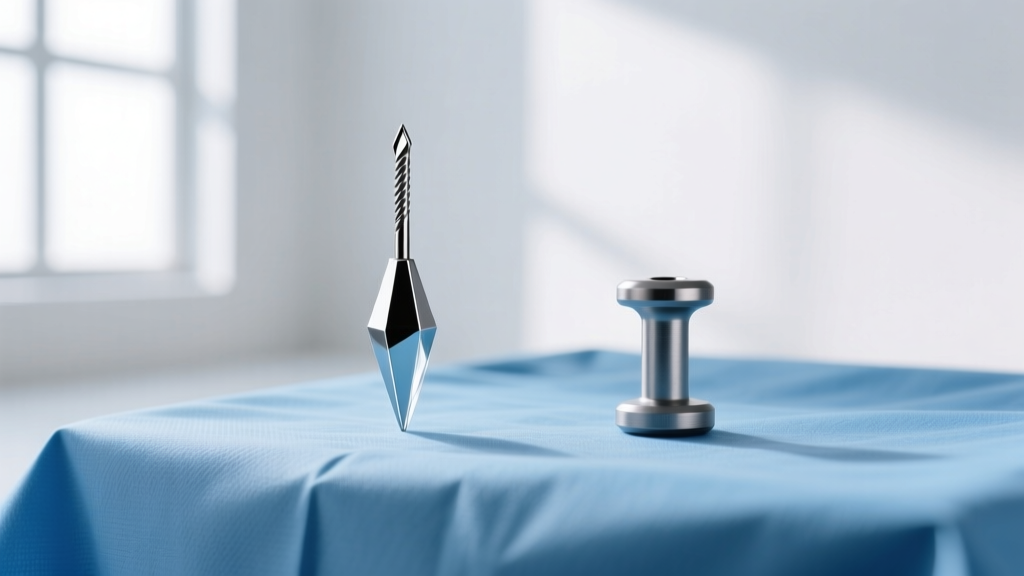
This crushing action leads to severe swelling. Because the standard retail earring post is extremely short and capped with a thick "butterfly" back, the swelling quickly engulfs the jewelry. This creates a vacuum seal, trapping lymph fluid and bacteria inside the wound channel, which is the primary catalyst for the dreaded "irritation bump" (hypertrophic scarring) that forms behind the earlobe.
The Nickel Allergy Trap
The jewelry included in most starter kits is marketed as "surgical steel" or "hypoallergenic." However, these terms are largely unregulated marketing buzzwords. Most retail studs are made from 316L stainless steel, an alloy that contains between 8% and 12% nickel to provide corrosion resistance. According to the Mayo Clinic, nickel is the most common cause of allergic contact dermatitis. When a fresh, open wound is exposed to nickel, the immune system reacts aggressively, resulting in itching, weeping, crusting, and chronic inflammation that mimics a bacterial infection.
Step-by-Step Rescue Guide for Irritated Piercings
If you are currently dealing with a painful, swollen, or bumpy piercing from a mall kiosk, follow this troubleshooting protocol immediately to save the piercing and prevent permanent tissue damage.
- Do Not Remove the Jewelry: If the piercing is infected or highly irritated, removing the stud will cause the surface holes to close, trapping the infection inside the lobe and potentially forming an abscess.
- Stop Twisting the Earring: Retail employees often advise "twisting the stud daily." This is outdated and harmful advice. Twisting tears the fragile, newly formed fistula (healing tissue) and introduces surface bacteria deep into the wound channel.
- Switch to Sterile Saline: Throw away the harsh, alcohol-based cleaning solutions included in the starter kit. Purchase a can of sterile 0.9% sodium chloride wound wash (with no other additives) and spray the front and back twice daily.
- Apply Warm Compresses: To reduce swelling and encourage lymphatic drainage, soak a clean non-woven gauze in warm saline and hold it against the lobe for five minutes twice a day.
- Seek Professional Intervention: If the butterfly back is embedding into the swollen skin, visit a professional piercer immediately. They can safely swap the jewelry for a longer, sterilized titanium post to relieve the pressure.
Material Deep Dive: What You Are Actually Wearing
To truly understand the value proposition of professional jewelry versus retail mall options, we must look at the metallurgical grades. The Association of Professional Piercers (APP) strictly dictates the materials safe for initial piercings.
- 316L Surgical Steel (Retail Standard): Contains iron, chromium, molybdenum, and nickel. While fine for fully healed piercings in some individuals, the porous nature of polished steel and the nickel content make it highly unsuitable for fresh wounds.
- ASTM F-136 Implant-Grade Titanium (Professional Standard): This is the exact same alloy used in orthopedic joint replacements and pacemakers. It is entirely nickel-free, highly polished to a mirror finish (preventing bacterial adhesion), and biologically inert, meaning the human body will not mount an immune response against it.
- Niobium (Alternative): Another highly biocompatible, nickel-free metal that can be safely anodized to create vibrant colors without the use of toxic paints or platings that can flake off into a healing wound.
When and How to Upgrade Your Jewelry
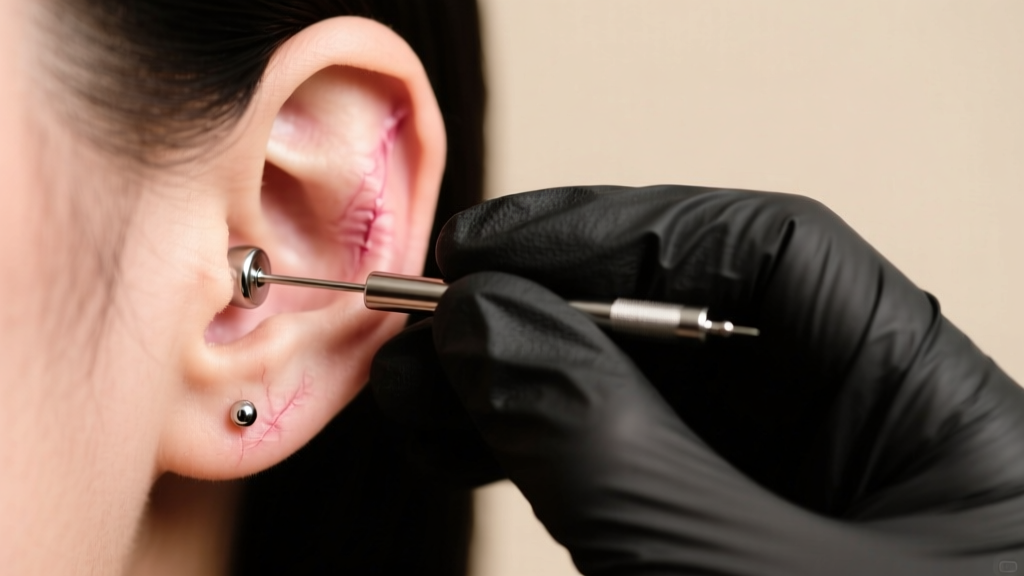
If you managed to heal your piercing despite the initial trauma of the piercing gun, you will eventually face another hurdle: gauge sizing and jewelry threading. Retail mall piercings are typically performed at 20-gauge or 18-gauge, which is exceptionally thin. This thin wire creates a "cheese-cutter effect," where the heavy weight of future earrings can slowly slice through the bottom of the earlobe over time.
Professional piercers recommend a minimum of 16-gauge or 14-gauge for lobes to ensure structural integrity. Once your piercing is fully healed (which can take 4 to 6 months for gun-pierced lobes due to the crush trauma), you should visit a professional to have the fistula safely tapered and stretched to a thicker gauge. Furthermore, upgrading to internally threaded or threadless jewelry eliminates the sharp external threads of mall earrings that scrape and damage the healing channel during insertion.
The Final Verdict on Retail Piercing Costs
When analyzing claire's earring prices and similar mall kiosk offerings, it is vital to look past the immediate transaction. The $30 you save upfront is frequently eclipsed by the physical trauma of the piercing gun, the high likelihood of nickel-induced contact dermatitis, and the eventual need for corrective professional services. For a procedure that permanently alters your body and leaves a lifelong fistula, investing in a sterile, needle-based piercing with implant-grade titanium is not just a luxury—it is a fundamental requirement for safe, complication-free body modification.


