Vintage Butterfly Earrings: 2026 Value & Pricing Guide
Discover the true value of vintage butterfly earrings in 2026. Explore pricing tiers, authentication tips, and material grades for smart investing.

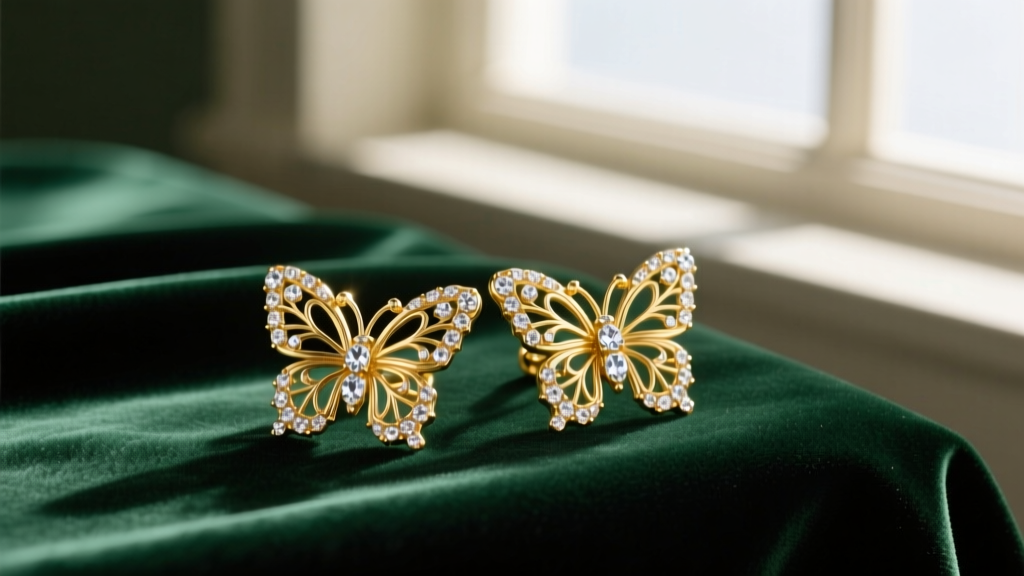
The Allure and Market Reality of Vintage Butterfly Earrings
The butterfly motif has fluttered through jewelry history for centuries, symbolizing transformation, rebirth, and delicate beauty. However, as we navigate the 2026 vintage jewelry market, the romanticism of vintage butterfly earrings often collides with the hard realities of budget and value assessment. Whether you are a seasoned collector hunting for Art Nouveau masterpieces or a budget-conscious shopper seeking mid-century charm, understanding the financial and material landscape is critical. The vintage market is currently saturated with modern reproductions masquerading as antiques, making a rigorous value assessment essential before you spend a single dollar.
In this comprehensive guide, we dissect the pricing tiers, material grades, and authentication markers of vintage butterfly earrings. We will move beyond vague aesthetic appraisals and dive into the specific hallmarks, gauge sizes, and failure modes that dictate whether a pair is a sound investment or an overpriced liability.
Decoding Eras: How Age Impacts Butterfly Earring Valuations
The value of vintage butterfly earrings is inextricably linked to their era of origin. Each period introduced distinct manufacturing techniques, materials, and design philosophies that directly influence today's pricing.
Art Nouveau & Edwardian (1890–1920)
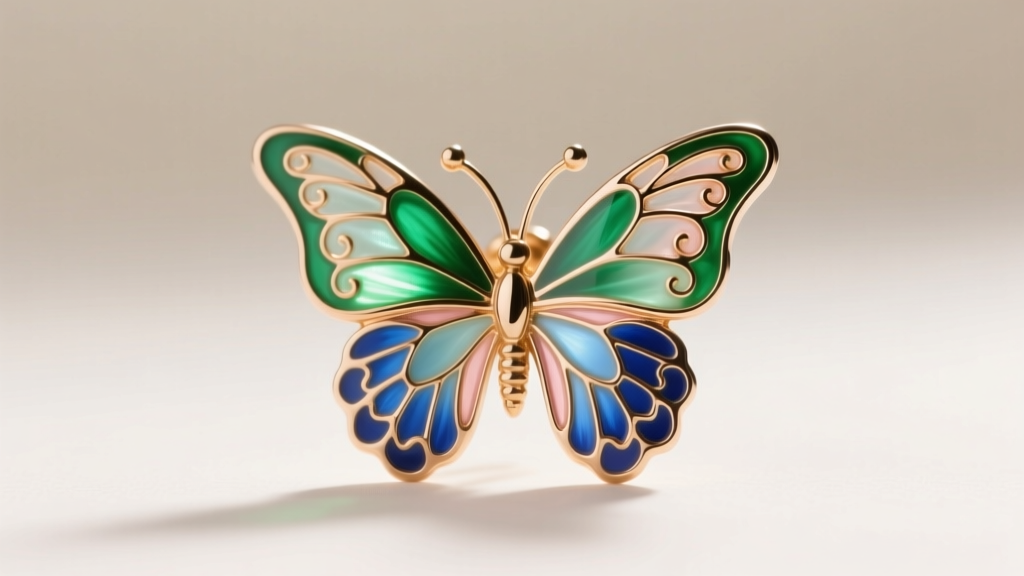
Butterflies from this era are highly coveted by serious collectors and museum curators. You will frequently encounter plique-à-jour enameling—a technique where translucent enamel is suspended in a metal framework without a backing, mimicking stained glass. According to the Lang Antiques University, authentic Art Nouveau pieces are typically crafted in 14k or 18k yellow gold and feature old European cut diamonds or natural pearls. Expect to pay a premium: authentic pairs rarely drop below $1,500, with exceptional museum-quality examples fetching $4,000 to $8,000 at auction.
Mid-Century Costume (1940–1970)
This is the sweet spot for budget-conscious collectors seeking high design value without the fine jewelry price tag. Brands like Trifari, Coro, and Eisenberg dominated this era. The most famous iteration is the Trifari 'Jelly Belly' butterfly, featuring a carved Lucite or Bakelite body set in gold-plated sterling silver (often marked 'Sterling' or 'Trifari'). The Costume Jewelry Collectors International notes that post-1955 pieces may feature Aurora Borealis (AB) rhinestones, a Swarovski innovation that gives stones an iridescent, oily sheen. Authentic mid-century butterfly earrings generally range from $150 to $600, depending on the rarity of the Lucite color and the condition of the metal plating.
1980s & 1990s Designer Revival
The late 20th century saw a massive resurgence in bold, statement-making butterfly earrings, spearheaded by fashion houses like Chanel, Dior, and Givenchy. These pieces often feature heavy gold-tone metal, faux pearls, and Gripoix poured glass. While technically 'vintage' by the 20-year rule, their value is driven by brand prestige and the presence of authentic copyright hallmarks (e.g., '© CHANEL 86'). Prices for verified designer vintage butterfly earrings from this era sit firmly between $400 and $1,200.
Material Breakdown: What You Are Actually Paying For
When assessing the budget required for vintage butterfly earrings, you must look past the design and scrutinize the raw materials. A butterfly silhouette stamped from thin brass is worth a fraction of one cast in solid gold or carved from early plastics. Below is a structural breakdown of common materials and their 2026 market value implications.
| Material Grade | Era Commonality | Expected Price Range (Pair) | Durability & Value Notes |
|---|---|---|---|
| 14k/18k Solid Gold | Victorian, Art Nouveau, 1940s Retro | $1,200 - $5,000+ | High intrinsic value. Watch for worn earring posts. |
| Gold-Filled (1/20 14k GF) | 1940s - 1960s | $80 - $250 | Thick gold layer over brass. Highly durable if unpolished. |
| Bakelite / Early Lucite | 1930s - 1950s | $200 - $800 | Prone to cracking. Authentic Bakelite smells like camphor when rubbed. |
| Pâte de Verre (Glass) | Art Nouveau, Art Deco | $400 - $1,500 | Extremely fragile. Value drops 60% if wings are chipped. |
| Base Metal / Pot Metal | 1970s - 1990s Fashion | $20 - $75 | Low intrinsic value. High risk of verdigris and skin irritation. |
Authentication & Red Flags: Avoiding Overpriced Reproductions
The 2026 market is flooded with 'vintage-style' butterfly earrings manufactured overseas and artificially aged. To protect your budget, you must know how to authenticate true vintage pieces. Here are the critical E-E-A-T markers our appraisers use:
- Post Gauge and Threading: Modern pierced earrings typically use 20-gauge or 22-gauge posts. True vintage pierced earrings (pre-1960s) often feature much thicker 18-gauge or even 16-gauge posts. Furthermore, early screw-back earrings have visible threading on the post itself, a manufacturing detail rarely replicated in modern fakes.
- Rhinestone Foil Condition: Vintage rhinestones are backed with a delicate silver or gold foil to enhance refraction. If you look closely at the stones and see blackening, dullness, or 'foil rot,' it indicates moisture damage. While this lowers the value, it is ironically a strong indicator of true age, as modern stones are often foiled with waterproof synthetic films.
- Clutch and Clasp Evolution: If a pair of butterfly earrings claims to be from the 1920s but features modern 'butterfly clutch' friction backs, it is either a reproduction or has been aggressively altered (which destroys its collector value). Authentic 1920s pieces will be screw-backs or early lever-backs.
- The UV Test for Plastics: If you are buying mid-century Bakelite butterfly earrings, use a blacklight. Authentic Bakelite will often fluoresce a bright yellow or orange, whereas modern celluloid or resin reproductions will not. For more on gemological and material testing, the GIA Gems & Gemology archives offer extensive historical data on early synthetic plastics in jewelry.
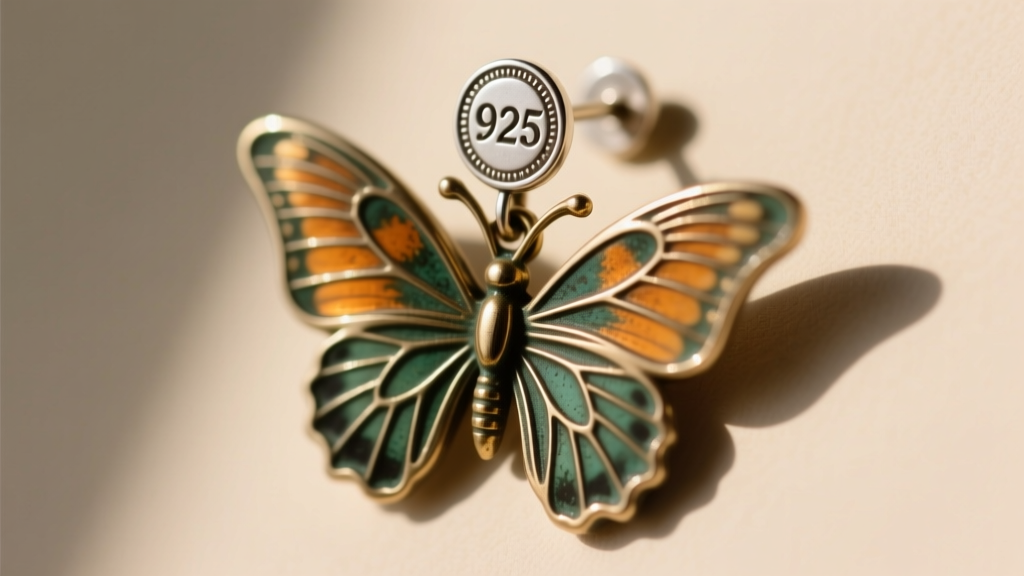
The 2026 Pricing Matrix: Budgeting for Your Pair
To help you align your budget with realistic market expectations, we have categorized vintage butterfly earrings into three distinct investment tiers based on current 2026 auction data and dealer pricing.
| Investment Tier | Profile | Budget Requirement | Value Retention Outlook |
|---|---|---|---|
| Entry-Level / Wearable | 1970s-1990s unbranded gold-tone, minor rhinestone accents, clip-ons. | $30 - $90 | Low. Prone to plating loss; bought strictly for aesthetic enjoyment. |
| Mid-Tier Collector | Signed mid-century pieces (Coro, Trifari), intact AB stones, Lucite bodies. | $150 - $450 | Stable. High demand among vintage fashion enthusiasts; easy to resell. |
| Investment Grade | Art Nouveau plique-à-jour, signed Chanel/Dior Gripoix, 14k+ antique gold. | $800 - $5,000+ | High. Appreciates over time if provenance and condition are maintained. |
Maintenance Costs and Failure Modes
Budgeting for vintage butterfly earrings does not end at the point of purchase. Vintage jewelry requires specialized care, and ignoring failure modes can lead to total loss of the asset. The most common structural failure in vintage butterfly dangles is the degradation of the solder joint connecting the wing to the central body. Because early solders often contained lead or lower-melting-point alloys, they become brittle over decades of wear.
Additionally, never use ultrasonic cleaners or harsh chemical dips on vintage rhinestone butterfly earrings. The high-frequency vibrations will shatter the delicate glass stones, and the chemicals will instantly strip the backing foil, turning brilliant stones into dull, gray pebbles. If you must clean them, use a dry, soft-bristled makeup brush and a microfiber cloth. Budget an extra $40 to $80 annually for professional jeweler inspections if you wear your investment-grade pieces regularly, specifically to check the tension of the earring posts and the integrity of the prongs holding the wing stones.
Final Verdict: Are Vintage Butterfly Earrings a Sound Investment?
From a strict budget and value assessment perspective, vintage butterfly earrings offer a highly versatile entry point into antique jewelry collecting. For under $100, you can acquire beautiful mid-century gold-filled pieces that offer superior craftsmanship compared to modern fast-fashion alternatives. However, if your goal is financial appreciation, you must target signed, documented pieces from the Art Nouveau or Mid-Century eras, ensuring the materials are authentic and the structural integrity is uncompromised. By prioritizing material grades, verifying hallmarks, and understanding the specific failure modes of vintage metals and foiled stones, you can build a stunning, financially sound collection that will only grow more valuable with time.


