Plastic Hoop Earrings: A Beginner Guide for Sensitive Ears
Discover everything about plastic hoop earrings, from bioplast vs. acrylic to gauge sizing and MRI safety. Perfect for sensitive ears.

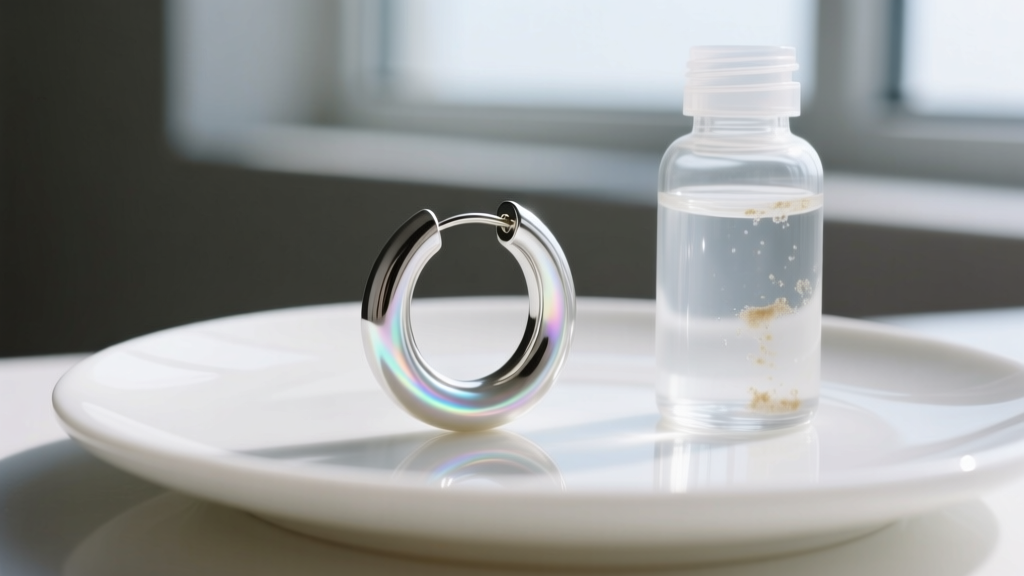
Why Choose Plastic Hoop Earrings?
When navigating the world of body jewelry, implant-grade metals like titanium and gold are usually the default recommendation. However, for individuals with severe contact dermatitis, upcoming medical procedures, or highly reactive healing piercings, metal is not always a viable option. This is where high-quality plastic hoop earrings step in. Far from the cheap, brittle accessories of the past, modern medical-grade polymers offer a biocompatible, flexible, and entirely non-magnetic alternative for both lobe and cartilage piercings.
Whether you are stepping into an MRI machine, managing a stubborn nickel allergy, or simply looking for ultra-lightweight sleepers, understanding the nuances of plastic jewelry is critical. Not all plastics are created equal, and choosing the wrong polymer can lead to irritation, micro-tears, or bacterial trapping. This beginner-friendly explainer will break down the exact material grades, precise gauge measurements, and maintenance protocols you need to know in 2026.
Decoding the Polymers: Acrylic vs. Bioplast vs. PTFE
The term 'plastic' in the jewelry industry is a broad umbrella that covers several distinct chemical compounds. To protect your piercing channel, you must know the difference between decorative acrylics and medical-grade polymers.
| Material | Chemical Name | Biocompatibility | Autoclave Safe? | Best Use Case |
|---|---|---|---|---|
| Acrylic (PMMA) | Polymethyl Methacrylate | Low (Porous) | No (Melts/Warps) | Fully healed lobes, short-term wear |
| Bioplast | Medical Polyester | High (ISO 10993) | Yes (Up to 121°C) | Healing piercings, stretchers, sensitive ears |
| PTFE | Polytetrafluoroethylene | Very High | Yes | Cartilage hoops, MRI procedures, retainers |
Acrylic (PMMA): Acrylic is rigid, highly polished, and available in endless colors. However, on a microscopic level, acrylic is porous. It can harbor bacteria and absorb bodily fluids, making it strictly unsuitable for fresh or healing piercings. Furthermore, acrylic degrades when exposed to harsh chemicals or high heat.
Bioplast: Developed specifically for the body modification industry, Bioplast is a flexible, medical-grade polymer that meets ISO 10993 standards for biocompatibility. It is non-porous, can be sterilized in an autoclave, and adapts to the temperature of your body, making it an excellent choice for healing hoop earrings.
PTFE (Teflon): PTFE is incredibly inert and flexible. According to the Association of Professional Piercers (APP), PTFE is one of the few non-metal materials considered safe for prolonged wear in healing fistulas due to its ultra-smooth surface and lack of chemical reactivity.
The Medical and Practical Advantages
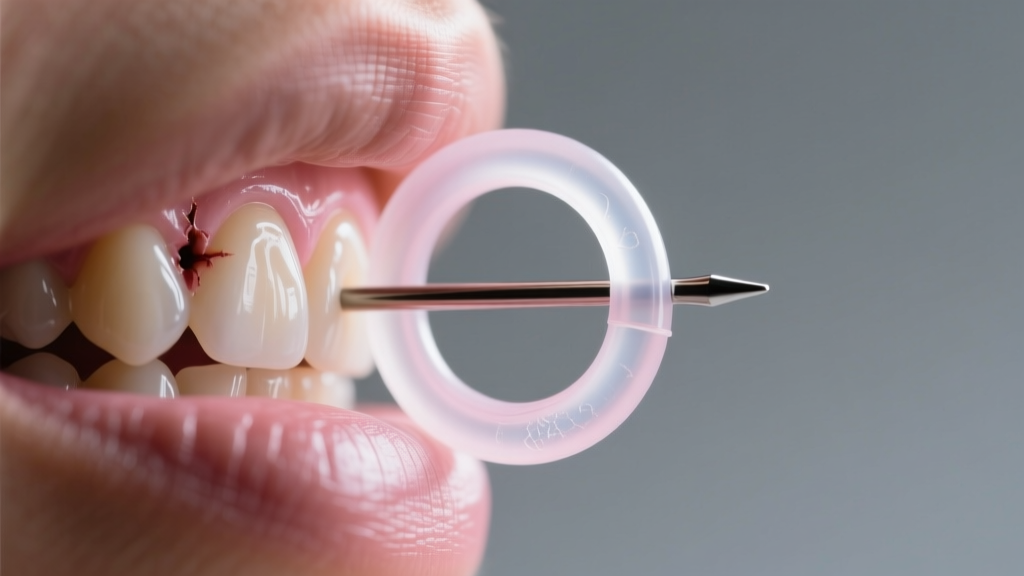
1. 100% MRI Safety
Magnetic Resonance Imaging (MRI) machines use powerful magnetic fields that can turn ferromagnetic metals into dangerous projectiles or cause severe radio-frequency burns. Plastic hoop earrings are entirely non-magnetic and non-conductive. If you work in healthcare or anticipate needing medical imaging, keeping a pair of 16G or 14G PTFE hoops on hand allows you to swap out your metal jewelry without losing the piercing channel.
2. Severe Nickel and Metal Allergies
According to the American Academy of Dermatology, nickel allergy is the most common cause of allergic contact dermatitis. Even 'hypoallergenic' surgical steel contains trace amounts of nickel. High-quality Bioplast and PTFE contain zero metal alloys, completely eliminating the risk of heavy metal contact dermatitis, flaking, and localized itching.
3. Temperature Neutrality
Unlike titanium or gold, which can feel freezing in winter climates and conduct heat rapidly, plastic polymers are thermal insulators. They quickly acclimate to your core body temperature, making them incredibly comfortable for outdoor winter sports or sleeping.
A Beginner's Guide to Sizing and Gauges
Ordering the wrong size is the most common mistake beginners make when buying plastic hoops online. You must understand both the wire thickness (gauge) and the circle size (inner diameter).
Wire Thickness (Gauge)
- 20 Gauge (0.8mm): The standard for basic, healed earlobe piercings. Rarely found in high-quality Bioplast, mostly limited to cheap acrylic fashion jewelry.
- 18 Gauge (1.0mm): A very common lobe size. Excellent for lightweight, everyday plastic sleepers.
- 16 Gauge (1.2mm): The universal standard for cartilage piercings (helix, tragus, forward helix) and modern lobe piercings. If you are buying a healing hoop, 16G is usually your target.
- 14 Gauge (1.6mm): Thicker and more durable. Often used for industrial piercings, conch piercings, or stretched lobes.
Inner Diameter (ID)
The Inner Diameter measures the empty space inside the hoop. Choosing the right ID prevents the jewelry from pressing into the tissue (causing irritation bumps) or dangling too low (catching on hair).
- 8mm (5/16"): Snug fit. Ideal for flat earlobes, tragus, or tight helix piercings.
- 10mm (3/8"): Standard fit. The most versatile size for average earlobes and most cartilage placements.
- 12mm (1/2") or larger: Loose fit. Best for healed lobes where a dangle effect is desired, or for conch piercings where the tissue is thick.
Step-by-Step Cleaning and Maintenance Protocol
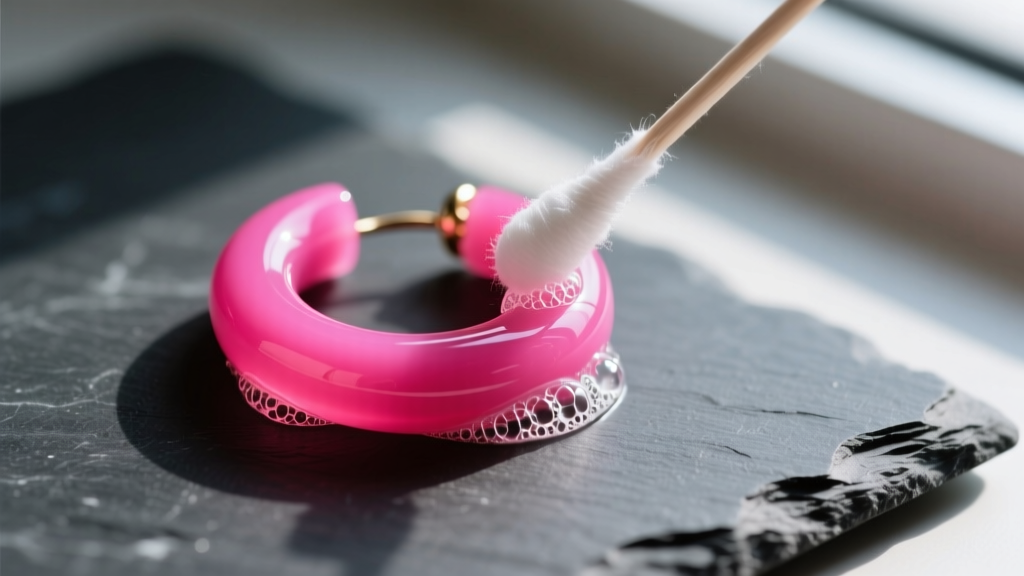
Plastic requires a completely different maintenance routine than metal. The biggest mistake beginners make is treating acrylic or Bioplast like titanium.
- Never Use Alcohol: Isopropyl alcohol and rubbing alcohol will dry out acrylic and PTFE, causing 'crazing' (microscopic surface cracks). These cracks harbor bacteria and weaken the structural integrity of the hoop.
- Use Mild Surfactants: Clean your plastic hoops using warm water and a mild, fragrance-free liquid castile soap. Gently lather the jewelry with your fingers.
- Soft Cloth Drying: Dry the jewelry with a microfiber cloth. Avoid paper towels, as the wood fibers can scratch the surface of softer plastics like PMMA.
- Lubricate the Threads: If your plastic hoop features a screw-fit ball or a clicker hinge, apply a microscopic drop of sterile jojoba oil to the mechanism to prevent it from seizing up due to dead skin cell buildup.
Troubleshooting Common Beginner Mistakes
Expert Tip: Never force a plastic clicker hoop closed. Unlike metal, which can be gently bent back into shape, acrylic and Bioplast have a 'memory' and a breaking point. If you bend a plastic continuous hoop too far to insert it, it will snap. Always use a specialized plastic ring opening plier or seek help from a professional piercer to adjust the tension of your hoops.
Another frequent issue is discoloration. Clear Bioplast and acrylic hoops can absorb dyes from dark clothing, hair products, and tanning lotions, turning yellow or cloudy over time. To maintain optical clarity, remove your clear plastic hoops before applying self-tanner or heavily pigmented hair masks. While PTFE is naturally a milky white color and does not yellow, it can accumulate a biofilm if not cleaned weekly with a soft-bristled toothbrush and saline solution.
Ultimately, plastic hoop earrings are a vital tool in any jewelry collection. By respecting the material limitations, selecting the correct ISO-certified polymers for healing, and adhering to a gentle cleaning protocol, you can enjoy lightweight, allergy-free, and MRI-safe jewelry without compromising on style or safety.


