The Ultimate Care Guide for Gemstone Huggie Earrings
Learn expert cleaning and maintenance tips for gemstone huggie earrings. Protect your pave, prong, and bezel settings from daily wear and tarnish.

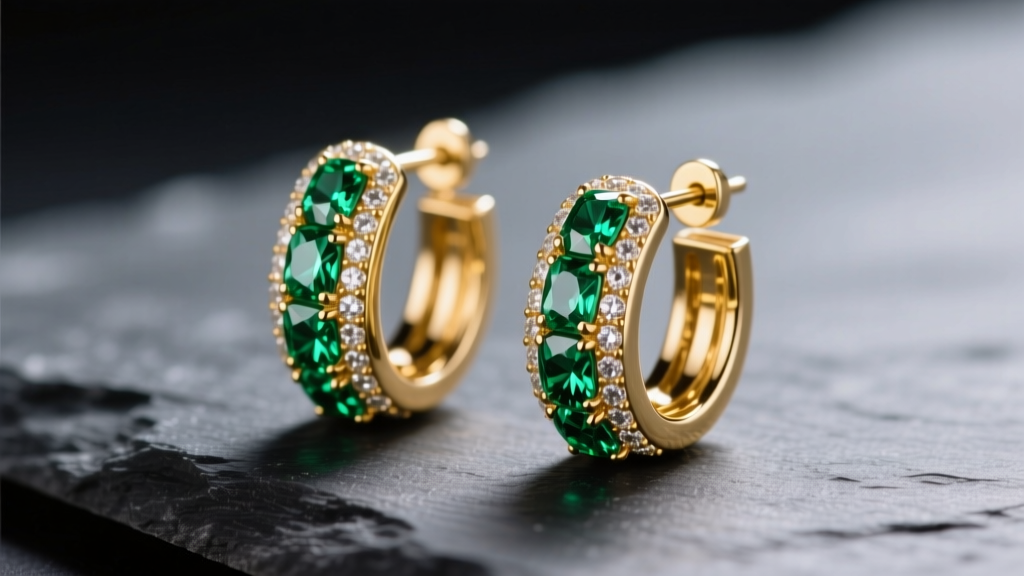
The Anatomy of Gemstone Huggies: Why They Trap Debris
Gemstone huggie earrings are a staple in modern jewelry wardrobes, prized for their snug fit and continuous sparkle. However, their very design makes them uniquely susceptible to buildup. Unlike standard drop earrings, huggies typically feature an inner diameter ranging from 10mm to 14mm, designed to "hug" the earlobe. This flush fit, combined with standard 16-gauge (1.2mm) or 14-gauge (1.6mm) wire thicknesses, creates a micro-environment where sebum (skin oils), dead skin cells, and cosmetic residues easily accumulate.
Furthermore, the underside of the earring—known as the gallery—is often intricately carved or left open to maximize light return through the gemstones. In pave settings, dozens of microscopic prongs hold tiny melee diamonds or colored gems in place. These prongs act like tiny nets, catching lint from towels and fibers from clothing. If left uncleaned, this debris not only dulls the optical brilliance of the gemstones but can also degrade the metal over time and irritate the piercing fistula.
Gemstone Hardness and Cleaning Vulnerabilities
Before you submerge your gemstone huggie earrings in any cleaning solution, you must identify the specific stones set in the metal. The Gemological Institute of America (GIA) categorizes gemstone durability using the Mohs scale of hardness, but hardness (scratch resistance) is only one factor; toughness (resistance to breaking) and stability (resistance to chemicals and heat) are equally critical.
| Gemstone Type | Mohs Hardness | Ultrasonic Safe? | Recommended Cleaning Method |
|---|---|---|---|
| Diamond | 10 | Yes | Mild soap soak, soft brush, ultrasonic |
| Sapphire / Ruby | 9 | Usually Yes | Mild soap soak, soft brush |
| Emerald | 7.5 - 8 | NEVER | Damp cloth wipe only (fracture-filled) |
| Opal | 5.5 - 6.5 | NEVER | Dry or barely damp microfiber cloth |
| Pearl (Organic) | 2.5 - 4.5 | NEVER | Wipe with soft cloth, no chemicals |
Crucial Warning for Emeralds: Over 80% of commercial emeralds are fracture-filled with cedar oil or synthetic resins to improve clarity. Ultrasonic cleaners use high-frequency sound waves that create microscopic cavitation bubbles. When these bubbles collapse, they generate intense localized heat and shockwaves that will vibrate the filler out of the emerald, leaving the stone cloudy, fractured, and severely devalued.
The Step-by-Step Deep Cleaning Protocol
For stable gemstones like diamonds, sapphires, and rubies set in 14k or 18k gold or platinum, a thorough deep cleaning should be performed every two to three weeks. Forget expensive commercial jewelry dips; they often contain harsh ammonia derivatives that can strip the rhodium plating off white gold and damage porous stones if splashed.
Tools You Actually Need
- Extra-Soft Baby Toothbrush: Standard toothbrushes have bristles that are too stiff and can bend delicate pave prongs or scratch high-polish gold.
- pH-Neutral Dish Soap: A basic, unscented dish detergent (like original Dawn) is ideal for breaking down lipid-based skin oils.
- Distilled Water: Tap water contains dissolved minerals like calcium and magnesium that leave microscopic water spots on gemstone facets.
- Lint-Free Microfiber Cloth: Avoid paper towels or tissue, which shed wood pulp fibers that snag on prongs.
The Soak and Brush Technique
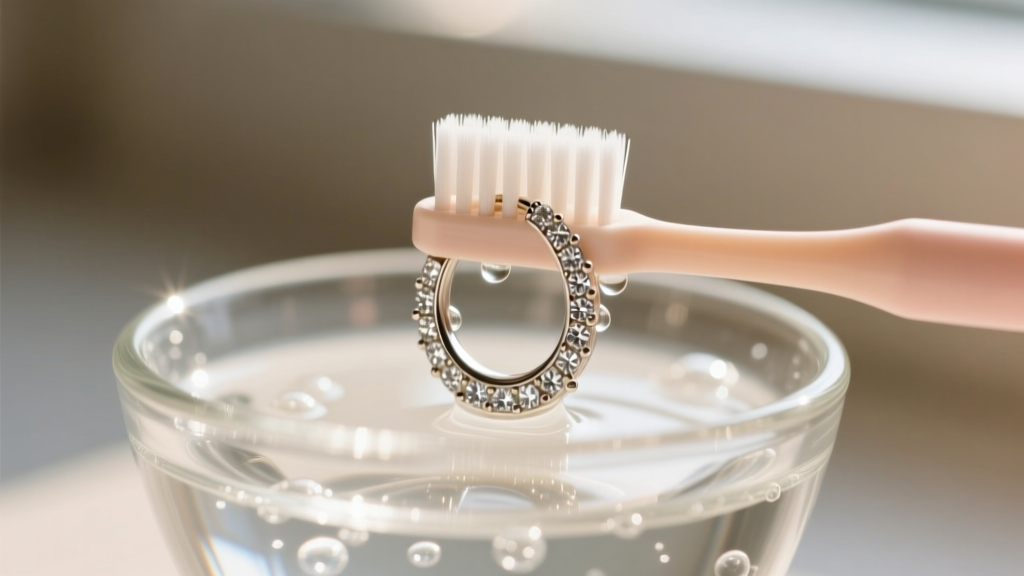
- Prep the Solution: Mix three drops of pH-neutral dish soap into a small glass bowl of warm (not hot) distilled water.
- The Soak: Submerge the huggies for 10 to 15 minutes. This allows the surfactants to break down the sebum binding dead skin cells to the gallery.
- The Agitation: Remove the earrings and gently brush the underside of the setting. Brush in a circular motion, paying special attention to where the gemstone meets the metal bezel or prong.
- The Rinse: Rinse thoroughly under a gentle stream of lukewarm distilled water. Ensure the drain is plugged or use a mesh strainer to prevent losing the earring.
- The Dry: Pat dry with a microfiber cloth. Use a hairdryer on the "cool" setting to blow air into the hinge mechanism to prevent internal moisture buildup.
Hinge and Clicker Mechanism Maintenance
The defining feature of a huggie earring is its hinge. Whether it utilizes a traditional post-and-clasp or a modern tension-based clicker mechanism, the joint is a mechanical failure point if neglected. When skin oils and cosmetic powders infiltrate the hinge barrel, they form a cement-like paste that stiffens the joint, making the earring difficult to open and close.
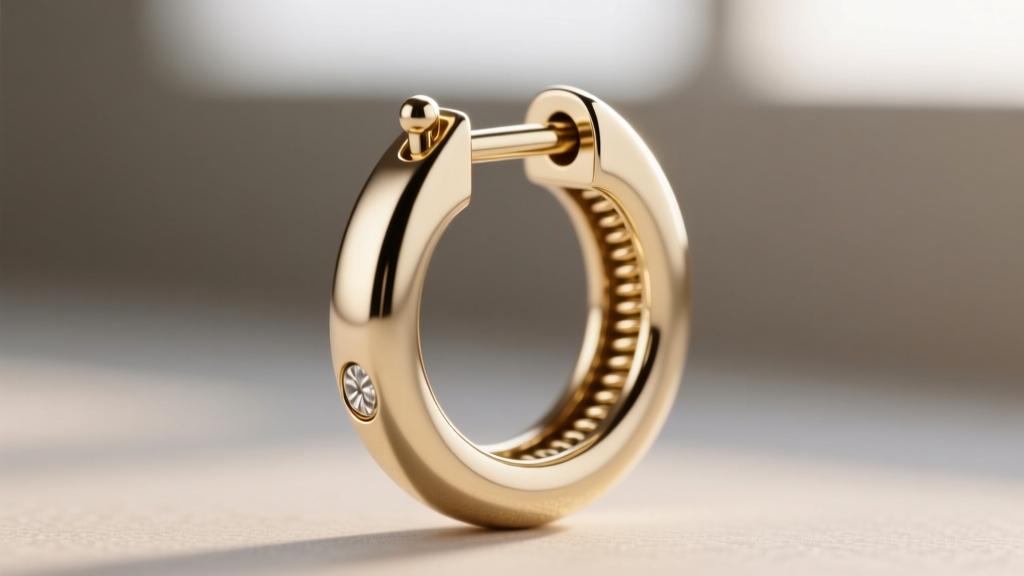
Never use oil or lubricants on a huggie hinge. While it might seem logical to oil a stiff joint, lubricants will attract microscopic dust and grit, eventually seizing the mechanism entirely. Instead, use a can of compressed air (used for cleaning electronics) to blow out the hinge barrel. If the hinge is heavily calcified with debris, dip a wooden toothpick in isopropyl alcohol and gently trace the seam of the joint. The alcohol will dissolve the oils and evaporate rapidly without causing rust on the internal steel springs found in some clicker closures.
Daily Wear Habits and Chemical Avoidance
Preventative care is vastly superior to reactive deep cleaning. The environment your gemstone huggies are exposed to daily dictates how quickly they degrade. According to the Jewelers of America, everyday chemicals are the leading cause of premature metal tarnishing and gemstone dulling.
Expert Rule of Thumb: Your huggie earrings should be the very last thing you put on when getting dressed, and the very first thing you take off when undressing. This minimizes exposure to aerosolized cosmetics and friction from clothing.
Chemicals to Avoid:
- Chlorine: Found in swimming pools and household bleach. Chlorine reacts with the alloy metals in 14k and 18k gold (like copper and zinc), causing microscopic stress fractures that can lead to the shank snapping.
- Hairspray and Perfume: The alcohol and aerosol propellants leave a stubborn, cloudy film over gemstone facets, blocking light refraction and killing the stone's "fire."
- Moisturizers and Sunscreen: These contain heavy emollients that coat the gallery of the huggie, trapping dirt against the skin and potentially causing contact dermatitis or piercing irritation.
Storage Solutions and Professional Servicing
When not being worn, gemstone huggies should never be tossed loosely into a communal jewelry box. Diamonds and sapphires are hard enough to scratch the precious metal of neighboring pieces, and the delicate prongs of a pave huggie can easily catch on chain links, bending the setting and loosening stones.
Store each pair in an individual soft flannel pouch or a dedicated compartment in a lined jewelry box. If your huggies are crafted from sterling silver, include a 3M anti-tarnish strip in the storage container to absorb ambient sulfur compounds that cause silver sulfide (black tarnish) to form.
Finally, schedule a professional inspection with a bench jeweler every 12 to 18 months. The jeweler will use a 10x loupe to check for prong wear, ensure the clicker mechanism is holding adequate tension, and perform a professional steam clean (if the gemstones permit). For white gold huggies, ask about reapplying a flash of rhodium plating every two years to maintain that brilliant, reflective white finish and protect the underlying alloy from oxidizing.


