How to Clean and Care for Bead Earrings: A Complete Guide
Learn expert techniques to clean, store, and maintain bead earrings. Discover material-specific care for gemstone, glass, and pearl bead jewelry.

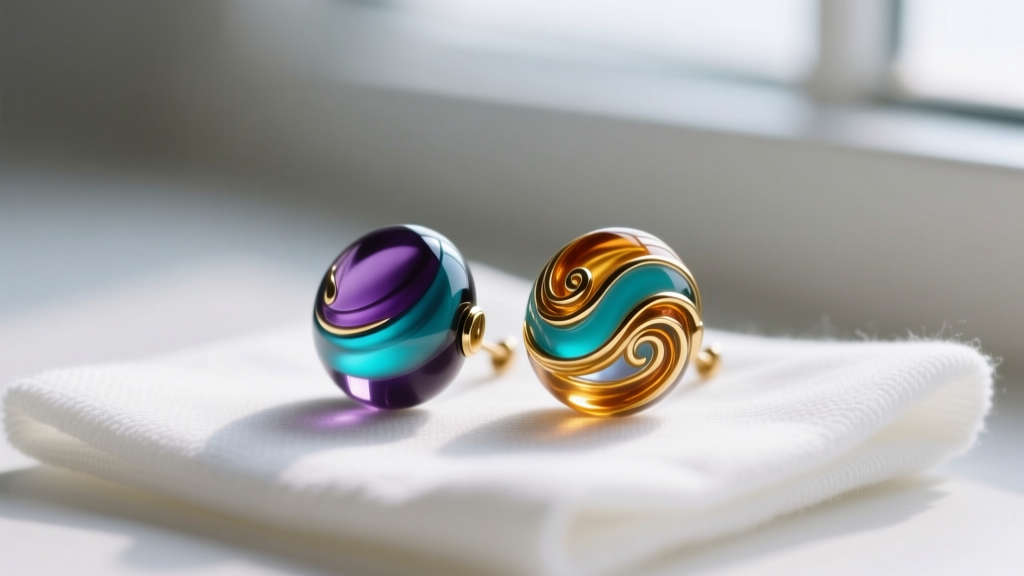
The Science of Bead Earring Maintenance
Bead earrings are a staple in jewelry design, offering endless versatility through variations in color, texture, and material. However, their diverse construction—ranging from delicate seed beads strung on silk to heavy gemstone beads wire-wrapped on 20-gauge headpins—demands highly specific maintenance protocols. A common mistake in jewelry care is treating all beads identically. In reality, the cleaning method that restores a faceted quartz bead to its original brilliance will permanently ruin the nacre of a freshwater pearl or alter the color matrix of natural turquoise.
As a foundational rule of gemology, you must understand the relationship between environmental dust and the Mohs hardness scale. Household dust contains microscopic particles of quartz (hardness 7). If you wipe dusty glass beads (hardness 5.5-6.5) or turquoise beads (hardness 5-6) with a dry cloth, you are effectively dragging quartz across the surface, creating permanent micro-scratches that dull the bead's luster over time. Always remove dust with a soft brush or a gentle rinse before applying any friction.
Categorizing Your Beads: Porosity and Hardness
Before mixing any cleaning solutions, categorize your bead earrings into two distinct groups: non-porous and porous/organic. This distinction dictates whether a bead can be submerged in liquid or exposed to ultrasonic cavitation.
Non-Porous Beads (Safe for Submersion)
- Murano and Lampwork Glass: Highly durable but susceptible to thermal shock.
- Faceted Quartz (Amethyst, Citrine): Hard and non-porous, safe for mild ultrasonic cleaning.
- Cubic Zirconia and Crystal: Excellent durability, though lead crystal can cloud if exposed to harsh alkaline detergents.
Porous and Organic Beads (Never Submerge)
- Freshwater and Akoya Pearls: Composed of calcium carbonate; highly reactive to acids and ammonia.
- Turquoise and Lapis Lazuli: Micro-porous structures that absorb oils, lotions, and colored liquids, leading to irreversible staining.
- Amber and Coral: Extremely soft organic materials (Mohs 2-3) that degrade upon contact with alcohol and solvents.
The Glass and Crystal Cleaning Protocol
For non-porous glass and hard gemstone bead earrings, a gentle aqueous cleaning solution is the most effective method to remove sebum and cosmetic buildup without damaging the hardware or the bead surface.
The Solution: Mix one cup of distilled water (tap water contains chlorine and dissolved minerals that can leave spots or react with sterling silver hardware) with exactly 1/4 teaspoon of pH-neutral, ammonia-free dish soap. Avoid commercial jewelry dips, which often contain thiourea, a toxic compound that can strip the oxidized patina from antique silver bead caps.
The Process:
- Submerge the bead earrings in the solution for no more than 3 to 5 minutes.
- Use a baby toothbrush (which features ultra-soft bristles) to gently agitate the area around the bead caps and the wire loops where debris accumulates.
- Rinse thoroughly under a slow stream of lukewarm distilled water.
- Pat dry with a lint-free microfiber cloth and allow to air dry completely on a paper towel before storing.
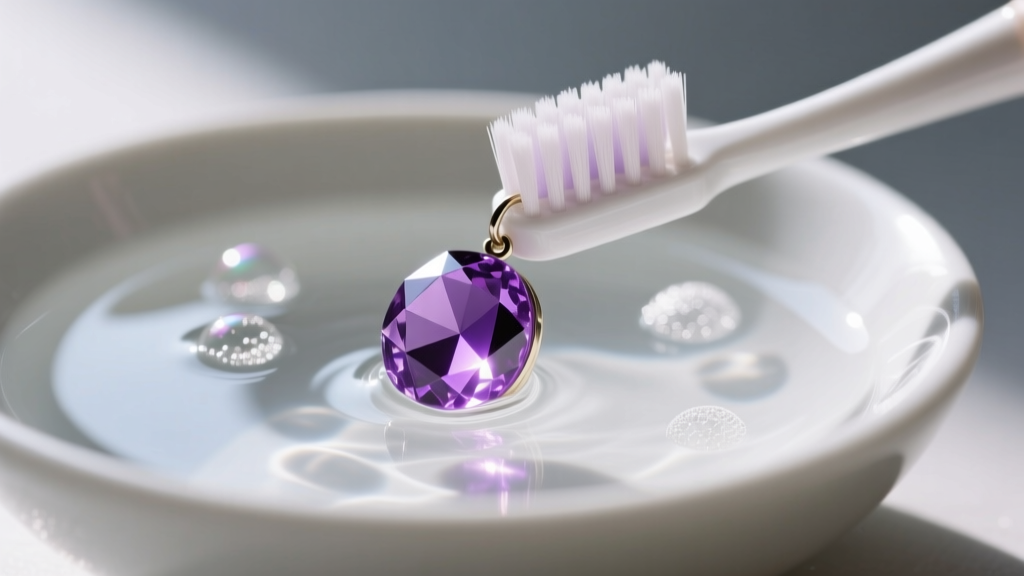
Expert Insight: Never use hot water on glass bead earrings, particularly lampwork beads. Rapid temperature changes can cause internal stress fractures, leading to the bead splitting along the drill hole.
Specialized Care for Organic and Porous Gemstones
Organic beads require a conservative, dry-first approach to maintenance. According to the GIA Pearl Care and Cleaning guidelines, pearls are particularly vulnerable to the lactic acid found in human sweat, which can etch the nacre and destroy the orient (the iridescent optical effect).
| Bead Material | Porosity | Safe Cleaning Agent | Ultrasonic Safe? | Primary Risk Factor |
|---|---|---|---|---|
| Murano Glass | Non-Porous | Mild Soap & Distilled Water | Yes (with caution) | Thermal shock / Chipping |
| Freshwater Pearl | High | Damp Microfiber Cloth | No | Acid / Sweat erosion |
| Natural Turquoise | High | Dry Polishing Cloth | No | Oil absorption / Color shift |
| Faceted Quartz | Low | Mild Soap & Distilled Water | Yes | Hard knocks / Scratching |
| Dyed Howlite | Medium | Slightly Damp Cloth | No | Water exposure leaches dye |
For turquoise bead earrings, the primary threat is not dirt, but oil. Human skin oils and cosmetics will penetrate the porous surface of untreated turquoise, darkening it from a bright sky blue to a muddy green. If your turquoise beads become soiled, wipe them gently with a barely damp cloth and immediately dry them. Never apply silver polish to the hardware of turquoise earrings, as the chemicals will permanently stain the adjacent stone.
Hardware Maintenance: Inspecting Wires and Headpins
The structural integrity of bead earrings relies heavily on the metal hardware. Most bead earrings are constructed using headpins or eye pins, typically ranging from 22-gauge (0.64mm) for lightweight glass beads to 20-gauge (0.81mm) for heavier gemstone drops.
Identifying Wire Fatigue:
If your bead earrings feature French wire hooks, inspect the loop where the hook connects to the bead dangle. Repeated friction and the weight of the bead cause work-hardening and eventual metal fatigue in this specific stress point. If you notice the wire becoming brittle or developing micro-cracks, it is time to replace the hook. As detailed in the GIA Gemstone Care Guide, regular inspection of prongs and wire loops prevents catastrophic loss of valuable gemstone beads.
Sterling Silver Tarnish Removal:
If the 925 sterling silver bead caps or headpins have oxidized, use a dedicated silver polishing cloth infused with micro-abrasives. Do not use liquid silver dips on bead earrings, as the harsh acids will strip the finish from the beads and degrade any epoxy resin used to secure bead caps.
Stringing Materials: The Shift from Silk to Synthetics
Many artisan seed bead earrings and delicate pearl drops are strung on thread rather than wire. Historically, Griffin silk thread (sizes F or G) was the industry standard. However, silk is a natural protein fiber that degrades rapidly when exposed to the acidic pH of human sweat and the UV radiation from sunlight.
In modern jewelry maintenance, if you need to restring a pair of vintage seed bead earrings, abandon silk in favor of thermally fused polyethylene threads, such as WildFire or FireLine. These synthetic alternatives offer zero stretch, do not absorb moisture, and are entirely immune to the acidic degradation that causes silk to rot and snap. When restringing, always use a flexible beading needle (size 10 or 12) to pass through the narrow drill holes of 11/0 or 15/0 seed beads without fracturing the glass.
Archival Storage Standards to Prevent Degradation
How you store your bead earrings when they are not being worn is just as critical as how you clean them. The enemy of metal hardware is sulfur in the atmosphere, which causes silver sulfide (tarnish) to form. The enemy of the beads themselves is abrasion and UV light.
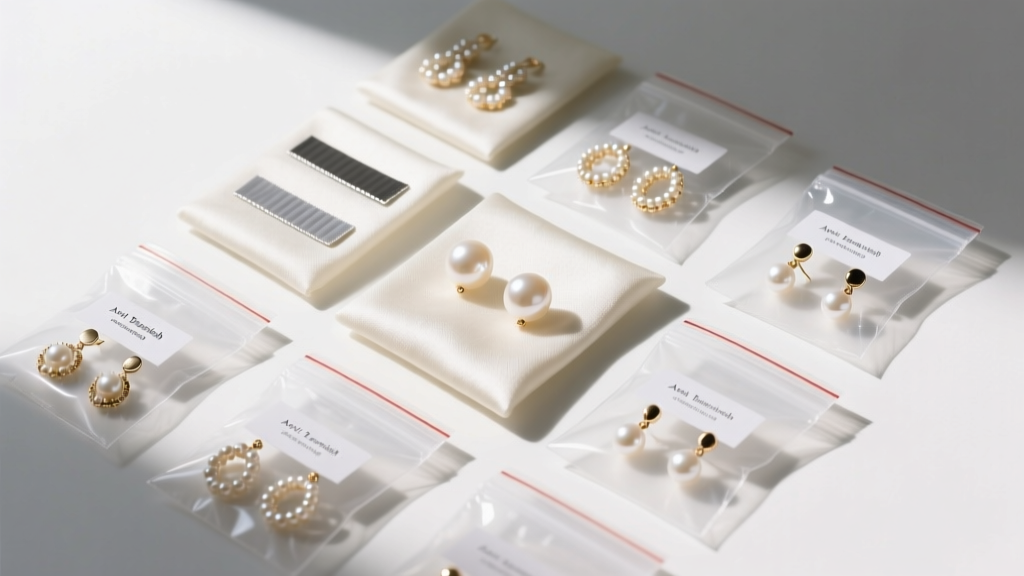
- Use Polyethylene, Not PVC: Store bead earrings in individual, zip-seal bags made of polyethylene. Avoid PVC (polyvinyl chloride) plastics, which off-gas chemical plasticizers that can cloud glass beads and accelerate the tarnishing of silver hardware.
- Anti-Tarnish Strips: Place a 3M anti-tarnish strip inside your jewelry box or storage drawer. These strips absorb ambient sulfur compounds and protect silver and copper alloys for up to six months before needing replacement.
- Preventing Abrasion: Never toss multiple pairs of bead earrings into a single compartment. Faceted gemstone beads will scratch softer glass and pearl beads during transit. Use a compartmentalized jewelry roll or individual soft pouches for each pair.
Proper maintenance of bead earrings is not just about keeping them clean; it is about understanding the chemical and physical properties of the materials involved. By matching your cleaning protocol to the specific porosity and hardness of your beads, you ensure they remain vibrant and structurally sound for generations.
By implementing these targeted cleaning and storage protocols, you protect both the aesthetic brilliance and the structural integrity of your bead earrings, ensuring they remain a reliable and beautiful part of your jewelry wardrobe for years to come.


