Ultimate Guide to Cleaning Piercings Earrings: Lobe & Cartilage
Master the care of your piercings earrings with our expert guide. Learn advanced cleaning protocols, material grades, and backing maintenance.

The Science of Earring Hygiene: Why Material Grades Dictate Care
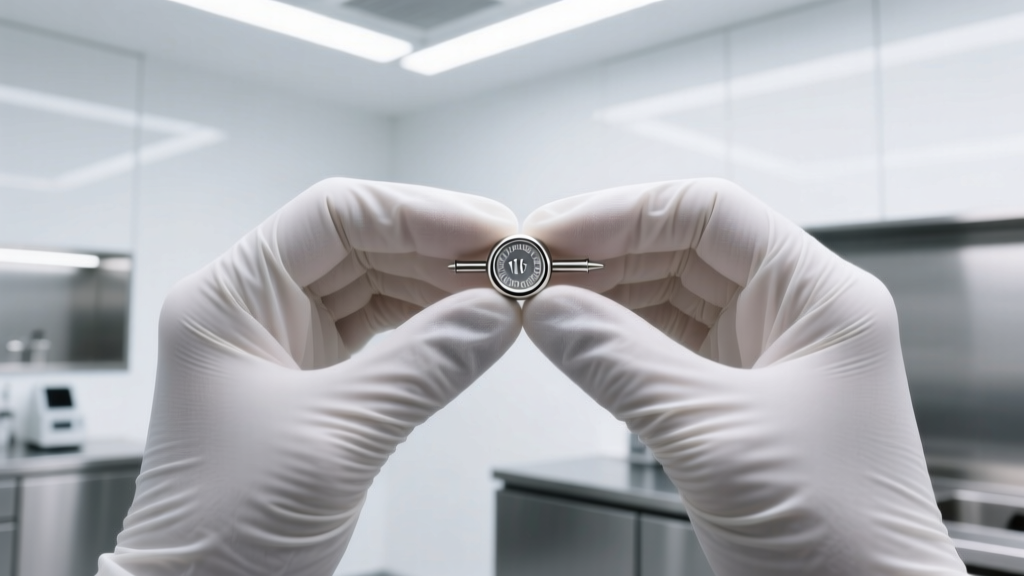
When discussing the longevity and health of your ear modifications, the conversation must begin with metallurgy. The care required for your piercings earrings is directly proportional to the material grade of the jewelry. In the professional piercing industry, the gold standard is implant-grade titanium, specifically certified to ASTM F-136 standards. This specific alloy is virtually nickel-free and possesses a natural passivation layer—a microscopic shield of chromium oxide that prevents corrosion and bacterial adhesion.
Conversely, lower-tier "surgical steel" (often unregulated or merely ASTM F-138 compliant) contains up to 10% nickel. When exposed to the natural pH of your skin and improper cleaning agents, this nickel can leach, causing contact dermatitis and complicating the healing fistula (the tube of skin forming the piercing channel). According to the Mayo Clinic, nickel allergy is one of the most common causes of allergic contact dermatitis, making material verification a critical first step in your maintenance routine.
Step-by-Step Cleaning Protocols for Piercings Earrings
Proper maintenance is not a one-size-fits-all process. The age of the piercing and the location on the ear dictate the chemical and mechanical cleaning methods you should employ.
Daily Maintenance for Fresh Piercings (0-6 Months)
During the initial healing phase, the goal is not to "clean" the jewelry, but to support the body's immune response. The Association of Professional Piercers (APP) strictly recommends using only 0.9% sterile sodium chloride (isotonic saline) without additives. Spray the wound 1-2 times daily. Allow the saline to soften any lymphatic crusties, then gently wipe them away with a non-woven gauze pad. Never use cotton swabs, as they leave behind microscopic fibers that can become trapped in the healing fistula, leading to granulomas.
Deep Cleaning for Healed Lobes and Cartilage
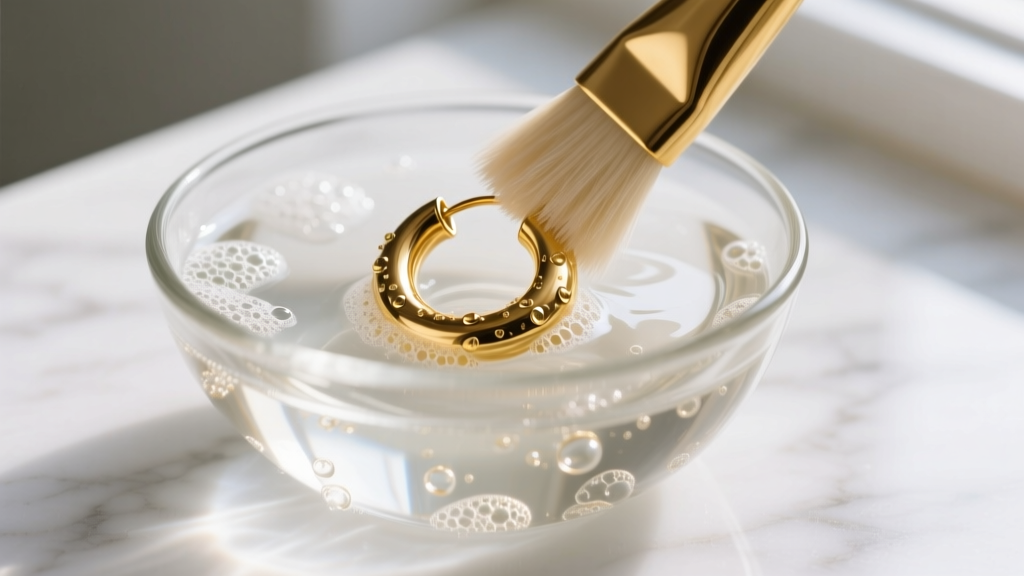
Once a lobe (typically 3-4 months) or cartilage piercing (6-12+ months) is fully healed, the jewelry itself requires periodic deep cleaning to remove sebum, dead skin cells, and environmental pollutants. For 14k/18k solid gold or titanium pieces, an ultrasonic jewelry cleaner operating at 40kHz is highly effective. The cavitation bubbles generated at this frequency safely dislodge debris from intricate settings and threading without scratching the metal. Follow the ultrasonic bath with a gentle scrub using a soft-bristled baby toothbrush and diluted, unscented castile soap.
Earring Backing Maintenance: The Hidden Bacteria Trap
The backing mechanism of your earrings is often the most neglected component of ear hygiene. Backings create micro-crevices where moisture, dead skin, and bacteria accumulate, frequently resulting in the dreaded "cheese" odor (caused by the breakdown of sebum and keratin by Staphylococcus hominis bacteria). Below is a breakdown of common backing types and their specific maintenance requirements.
| Backing Type | Mechanism | Cleaning Difficulty | Maintenance & Hygiene Tip |
|---|---|---|---|
| Push-in (Friction) | Tension-fit post into a silicone/metal clutch | Moderate | Remove completely once a week. Clean the post groove where skin cells pack tightly. |
| Butterfly (Clutch) | Metal wings gripping a notched post | High | Notches trap immense debris. Soak in warm soapy water for 10 mins before brushing. |
| Threadless (Pin) | Bent pin inserted into a hollow post | Low | Wipe the pin with a saline-soaked gauze before reinserting to avoid pushing dirt inside. |
| Internally Threaded | Screw threads on the post, smooth decorative end | Moderate | Use a soft interdental brush to clean the internal threads of the decorative end. |
Troubleshooting Common Piercing Irritations
Even with meticulous care, environmental factors and mechanical trauma can cause complications. Understanding the difference between an infection and an irritation bump is crucial for proper intervention.
- Hypertrophic Scarring (Irritation Bumps): Often mistaken for keloids, these small, flesh-colored or pink bumps adjacent to the piercing hole are caused by mechanical friction (sleeping on the ear) or moisture trapping. The solution is the LITHA method (Leave It The Hell Alone), paired with applying a warm, dry compress and ensuring the jewelry post is the correct length to avoid pressure.
- Moisture Bumps: Common in cartilage piercings, these occur when water is trapped behind the earring backing after showering. Always dry your ears with a hairdryer on the cool setting after getting them wet.
- Contact Dermatitis: Characterized by red, itchy, flaky skin around the entry and exit points. This is almost exclusively a reaction to nickel or harsh chemical cleaners. Switch immediately to ASTM F-136 titanium and cease all chemical applications.
The 2026 Blacklist: Cleaning Agents to Avoid
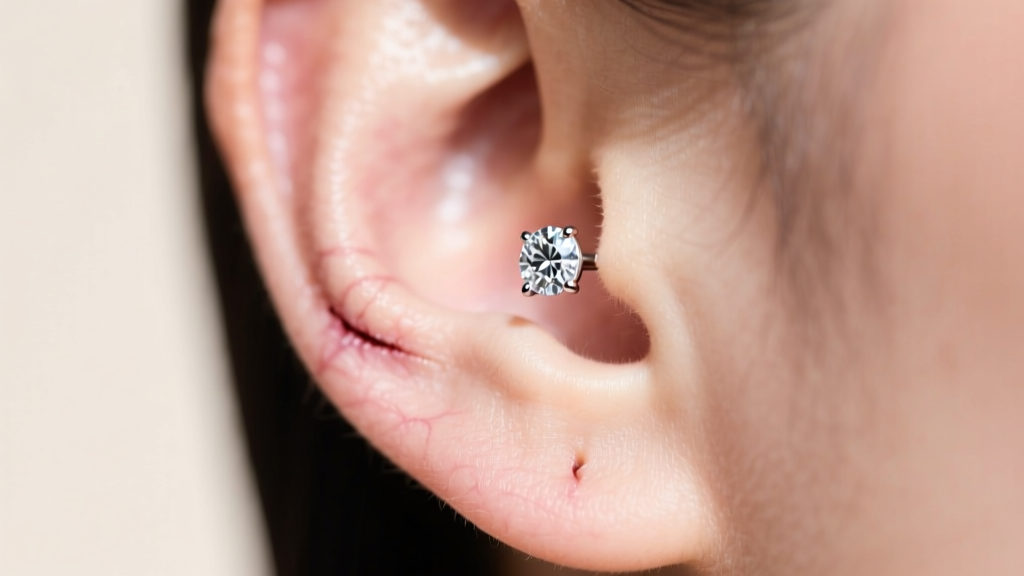
As dermatological and piercing science has advanced, the industry has aggressively phased out archaic, damaging cleaning methods. In 2026, no reputable professional will recommend the following agents for your piercings earrings or the surrounding tissue:
"The fistula is a mucosal-like tissue. Treating it with harsh astringents destroys the delicate cellular matrix and delays the healing process indefinitely." — Board-Certified Piercing Educator
- Rubbing Alcohol & Isopropyl: Strips the natural lipid barrier of the skin, causes severe dryness, and can actually degrade the passivation layer of lower-grade metals over time.
- Hydrogen Peroxide: Causes oxidative stress to newly forming cells, effectively killing the healthy tissue your body is trying to build.
- Tea Tree Oil: Highly concentrated and caustic. Applying undiluted essential oils directly to a piercing channel can cause chemical burns and severe allergic reactions.
- Antibacterial Soaps (Triclosan): Too harsh for internal wound care and disrupts the natural microbiome of the skin, which is essential for outcompeting pathogenic bacteria.
Expert Storage and Sterilization Techniques
How you store your piercings earrings when they are not in your ears is just as important as how you clean them. Improper storage leads to tarnishing (in silver), scratching (in gold), and loss of components.
For high-end pieces featuring precious gemstones or solid 14k/18k gold, store them in individual airtight acrylic compartments. Include a small silica gel desiccant packet in the storage box to control ambient humidity, which accelerates oxidation. Never store jewelry in the bathroom; the constant fluctuations in heat and humidity from showers create an ideal environment for tarnish and bacterial growth on the metal surfaces.
If you are cycling through a large collection of body jewelry, consider investing in a home UV-C sanitization box. While UV-C light does not replace the need for physical scrubbing to remove sebum and physical debris, a 3-minute cycle in a UV-C chamber is highly effective at neutralizing surface DNA of bacteria and viruses on the metal before you store the pieces away. By combining meticulous physical cleaning with advanced storage protocols, your fine body jewelry will remain pristine, safe, and ready for wear for decades.


